Solar Energy Facts Australians Should Know (2026 Guide)
For many Australian households, rooftop solar is no longer a passing trend or a sales-driven pitch. It has become part of everyday decisions about electricity costs, energy security, and the long-term value of the home.
More than four million homes, or about one in three, already have solar on the roof in Australia. This shows just how firmly it has entered mainstream life for ordinary households across the country in recent years. That is why clear solar energy facts matter.
What Is Solar Energy and How Does It Work in Australia Today
Solar energy is power made from sunlight through photovoltaic panels. For Australian homes, it offers a cleaner way to run lights, appliances, and daily essentials. These solar panel energy facts matter because they explain why rooftop systems keep growing across the country. To see that value, it helps to understand the process.
Sunlight hits the rooftop panels and starts the electricity-making process.
The panels generate direct current, often called DC electricity.
Then the inverter changes DC power into AC for household appliances.
Your home uses solar power first before drawing from the grid.
Any leftover electricity can charge a battery or be exported.
Role of Rooftop Solar in Australian Homes
With rooftop solar, households can depend less on grid power while the sun is out. Reduced electricity costs and better control over household energy use are major benefits. Daily power use across the home can also feel more balanced.
10+ Up-to-Date Solar Energy Facts Every Australian Must Know
Current solar energy facts are most useful when they reflect how Australian households actually use, store, and save power today. That is why each point below connects one fact with one relevant source phrase instead of pushing all reports into one place:
Rooftop Solar Adoption in Australia
One of the clearest facts about solar energy in 2026 is the widespread use of rooftop systems across Australia. According to the Australian PV Institute market analysis, the country has now passed 4.29 million PV installations with more than 45.1 gigawatts of combined capacity
Daytime Solar Generation and Excess Energy Export
Many households generate more solar power at midday than they can use at once. The Australian Government Solar Consumer Guide explains this clearly. Extra daytime solar power can power the home, charge a solar battery, or feed to the grid.
Export Value and Feed-in Tariffs
Export credits still matter, but they are not the main prize anymore. In the electricity pricing plans and tariffs guide on the Australian Government energy website, the point is made clearly: newer feed-in tariffs are usually lower than the retail rate. So using your own solar first often delivers better value.
Bill Savings Profile
As the How Solar Pays for Itself and Batteries Reduce Bills guide shows, many homes save more by using less grid electricity. Self-consumption usually delivers better returns than exports, especially when tariffs are higher.
Battery Storage After Sunset
Modern solar electricity facts are not only about what panels generate during the day. According to the Australian Government's battery guide, a home battery stores excess daytime solar energy for later use. That makes solar more useful after sunset and during lower-sun periods.
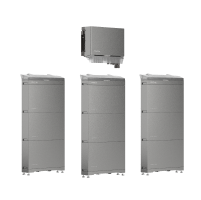
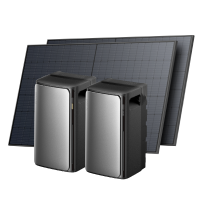
Within a broader home energy setup, EcoFlow PowerOcean Single-Phase Battery is a clear example of how that storage works in practice. It stores excess daytime solar for later household use, which can improve self-consumption and reduce grid reliance in the evening. The system starts with a 5kWh battery module. You can easily expand it up to 15kWh in one inverter to fit your home's needs.

Ready to take control of your energy savings? Contact the EcoFlow expert today to get a solar battery quote for your home system.
Schedule Your Free Consultation Today!
What kind of product or solution are you interested in?

Long-Term System Life
Good solar systems are designed for long service, not quick replacement. According to the Warranties and Insurance Guide, most modern panels include 25-year performance cover. These solar panel facts matter because output usually declines slowly over time.
Maintenance Demands
Solar is fairly low-maintenance once the system is installed properly. From the look after your solar system guide, regular checks matter more than constant servicing. That is useful solar energy info for households expecting heavy upkeep.
Emissions and Household Impact
Rooftop solar helps the home use less fossil-fuel-based electricity. Lower bills sit alongside lower emissions. That wider benefit is important information about solar energy for Australian homes.
Incentive Support in 2026
Upfront support still shapes many Australian household solar decisions in 2026. The government offers financial benefits like Small-scale Technology Certificates (STCs) to help lower the initial cost. These rebates and solar loans still matter when comparing system prices. Staying informed about current support helps you make a smarter investment for your home.
Solar Panel Facts – Efficiency, Lifespan, and Performance
The best solar panel facts are those that explain real-world performance, not brochure promises. In Australia, panel results are shaped by weather, roof space, panel type, and how well the home uses the power it generates.
H3. Built for Australian Conditions
Australian solar systems need to perform through heat, strong sun, rain, and seasonal storms. Good panels are built for outdoor use and can handle tough conditions, but performance still depends on proper installation, roof angle, and long-term care. In short, durability matters just as much as output.
Efficiency Is More Than a High Number
Panel efficiency is about how well a panel uses the sunlight it gets. Higher-efficiency panels can make more power without needing extra roof space. That sounds great, but real performance depends more on the panel rating. Shade, panel angle, and how the home uses electricity during the day all make a difference. That is why a well-planned system often matters more than one impressive number.
Performance Drops Slowly, Not Suddenly
Solar panels do not stop working all at once after a set number of years. Their output usually declines gradually over time, which is why system lifespan should be judged by long-term performance, not early-year output alone. A good system can keep doing its job for many years.
Panel Type Can Affect the Outcome
Not all solar panels perform in the same way. Monocrystalline panels will be selected due to greater efficiency and reduced size of the installation, whereas other types of panels can be preferred by buyers with a low budget or other installation requirements. The best choice comes down to your roof, budget, and energy needs.
Smarter Energy Control to Improve Solar Use
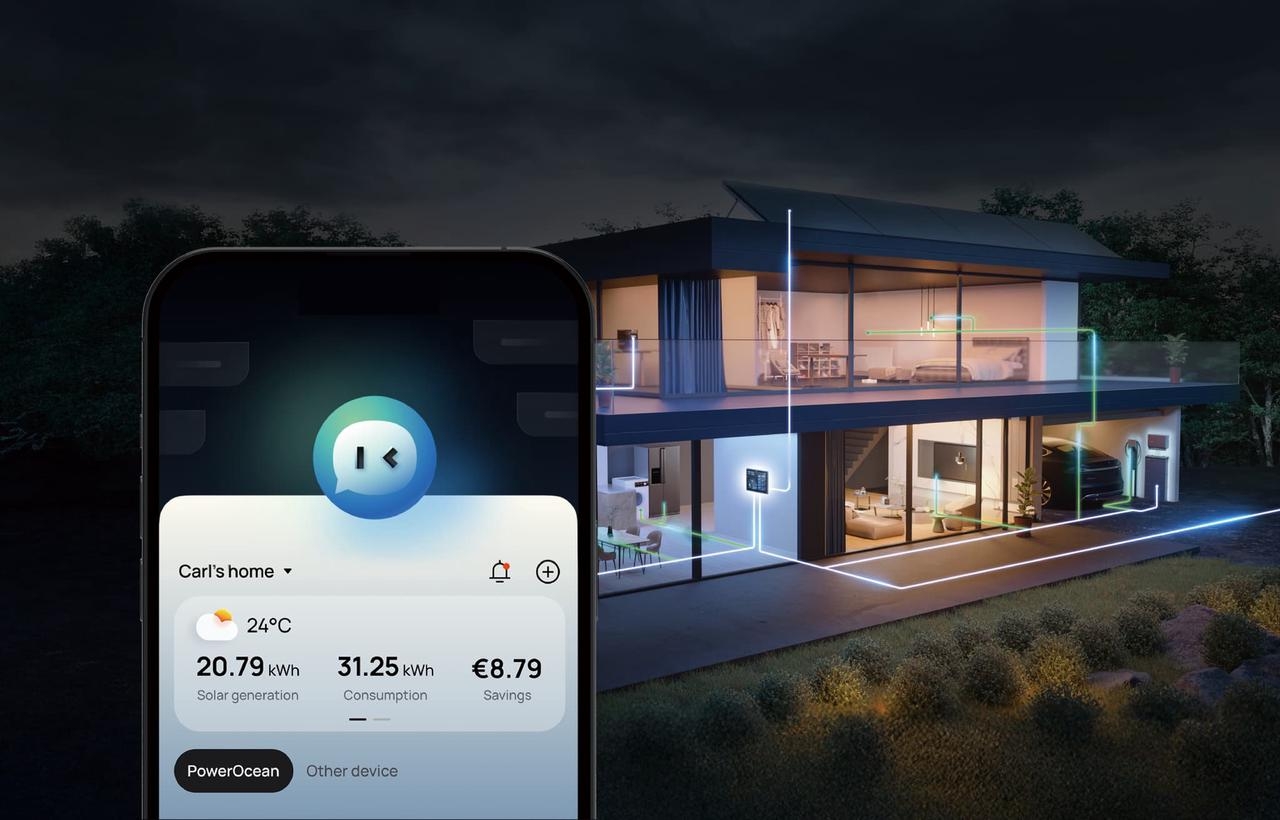
Good solar energy info now goes beyond panel output alone. Better results also depend on timing, storage, and daily usage control. Homes often save more when solar power is used more deliberately. That includes shifting demand and storing excess energy for later. One example is EcoFlow Intelligent HEMS in a connected home setup. You can see solar generation, battery status, and home power use live.
Is Solar Worth It for Australian Households in 2026?
Information about solar energy becomes more useful when the real household value is considered. The following benefits show why solar still makes practical sense for many Australian homes in 2026:
Lower Grid Use: Solar lowers how much electricity a household needs to buy from the grid each day and over time.
Stronger Daytime Value: Homes gain more value when they use appliances during solar hours instead of relying on grid electricity later.
Better Long-Term Savings: Savings usually build steadily because regular solar use reduces purchased electricity and eases pressure from rising retail prices.
More Useful with Storage: A battery stores excess daytime solar and makes that power available later when evening household demand starts rising.
Protection from Rising Prices: Using more self-generated electricity can reduce exposure to higher tariffs and make household energy costs feel more stable.
Greater Energy Control: Solar gives households more choice in how power is handled each day.
Lower Household Emissions: Homes with solar power often use less fossil-fuel electricity from the grid.
Conclusion
To conclude, solar makes sense for many Australian homes because it can lower bills, cut grid use, and support cleaner energy choices. These solar energy facts show why more households now look at storage, smarter control, and long-term value together. For homes wanting a connected setup, the EcoFlow Home Energy Ecosystem is worth considering for future energy needs.
FAQs
What are the 5 advantages of solar energy?
Solar can lower bills and reduce everyday grid dependence. It supports cleaner household electricity with fewer fossil-fuel emissions. Good systems add long-term value to many Australian homes. Solar also gives households better control over energy timing. With EcoFlow home storage, daytime power stays useful after sunset.
Can solar power work on cloudy days?
Yes, panels still generate electricity when the skies are cloudy. That remains one of the key solar power facts. Output drops because less sunlight reaches the solar cells. That said, daylight can support useful household generation across hours. Less sunlight means lower output, though solar does not fully stop.
Can solar panels be destroyed by hail?
Solar panels can be damaged if hail is heavy enough. Most quality panels are built for harsh outdoor conditions. Still, no rooftop system is completely immune to impact. Risk depends on panel strength, testing, and storm severity. Insurance and product warranties matter when extreme weather hits.
What happens to solar panels in a storm?
Storms usually reduce output because sunlight becomes much weaker. Heavy cloud, rain, and debris can affect system performance. Strong winds may damage poorly installed or exposed components. Many grid-tied systems also shut down during blackouts safely. The panels may remain intact even when power stops.
What happens after 25 years in the solar system?
After 25 years, panels usually still produce usable electricity. These solar panel facts matter when judging long-term value. Output declines gradually rather than stopping all at once. Many households keep older panels and replace other components. EcoFlow home storage can help use that remaining solar power better.