Solar Companies in Melbourne: How to Pick a Trusted Local Solar Installer
Melbourne households are paying some of the highest electricity rates in Australia. Grid costs have pushed past 30 cents per kWh across Victoria. The federal STC rebate also phases down each January, so for many Melbourne households, the financial case for installing solar is becoming increasingly compelling. That is why more Melbourne homeowners are pairing rooftop solar with a home battery to take control of their energy costs rather than waiting.
As a result, more Melbourne homeowners are choosing to pair rooftop solar with home battery storage to better manage long‑term energy costs.
Choosing the right installer matters as much as choosing the right panels. The solar industry in Australia includes companies of very different quality. This guide breaks down how to vet local Melbourne solar installers, expected system pricing, and how home battery storage boosts your solar savings.
Why more Melbourne homeowners are switching to solar
Rising electricity prices, abundant sunshine, and growing interest in energy independence are driving more Melbourne homeowners to switch to solar power.
Rising electricity costs
Victoria's electricity market has not been kind to households. Retail rates have climbed steadily across Victoria. Time-of-Use tariffs charge the most during early evening, precisely when families are home and using the most power. A solar system can help offset a portion of those peak costs. During the day, it generates cheap power. When paired with battery storage, stored solar energy can be used during the evening peak instead of relying entirely on the grid.
Government rebates and incentives
Melbourne households have access to two stacking incentive programs in 2026.
The federal Small-scale Technology Certificate (STC) scheme reduces the upfront cost of a new solar installation. For a standard 6.6 kW system, that reduction is worth roughly $1,500 to $2,000 at point of sale in 2026. The STC scheme phases out in 2031, and the value drops each January, so installing sooner captures a larger rebate.
The Victorian Solar Homes Program adds up to $1,400 on top of that for eligible owner-occupiers. To qualify, the combined household income must currently be under $210,000 per year. From 1 July 2026, that cap drops to $150,000. Households near the threshold should note the deadline.
The Solar Victoria rebate program page has full eligibility criteria, income thresholds, and application details.
Long-term energy savings
A well-sized solar system in Melbourne generates 8,000 to 8,500 kWh per year for a standard 6.6 kW installation. Over a 25-year panel lifespan, that adds up to a substantial reduction in grid electricity purchases. Battery storage captures even more of that value.
Stored solar used at night replaces grid power at 30 cents rather than being exported at 4 to 7 cents. Understanding the full solar power cost picture across system types helps Melbourne households compare quotes more accurately.

Key factors to vet Melbourne solar installers
The quality gap between solar power companies in Australia is wide. The lowest-priced quote seldom delivers reliable long-term value.
Accreditation and industry experience
Any solar installer operating in Victoria must hold accreditation through Solar Accreditation Australia (SAA). This is the national body that replaced the Clean Energy Council's accreditation program in 2024. SAA-accredited installers meet the minimum training and safety standards required for a compliant installation.
Ask for the installer's SAA accreditation number before signing anything. Check its status on the SAA website. Experience in the Melbourne climate matters too. An installer with hundreds of Melbourne jobs behind them understands local council requirements, roof types, and grid connection timelines. A company new to the market typically does not.
Customer reviews and reputation
Google reviews, Product Review, and SolarQuotes all carry verified customer feedback for solar companies in Melbourne Australia. Look for patterns rather than individual reviews. A company with hundreds of consistent reviews mentioning after-sales support is a more reliable indicator than a few testimonials on the company's own website.
Pay attention to how companies respond to negative reviews. A professional response to a complaint says more about company culture than a wall of five-star ratings.
Product quality and warranty coverage
Reputable Tier 1 solar panels carry a 25-year performance warranty and a 10 to 12 year product warranty. Inverters are warranted for 5 to 12 years depending on the brand. These are not minor details. A panel installed today needs to be performing in 2040 to maximise your long-term energy savings.
All panels and inverters must be on the Clean Energy Council's approved products list to qualify for the STC rebate. Confirm this before the installation contract is signed.
Installation and after-sales support
The quality of an installation determines how reliably a system performs over its lifetime. Poor cable management, undersized isolators, and inadequate ventilation around the inverter all shorten system life. Ask whether the company uses its own employed installation teams or subcontractors, and whether a system performance check is included after installation.
After-sales support is where many cheaper solar companies fall short. Firmware updates, performance monitoring, and warranty claim assistance should all be available for the life of the product.
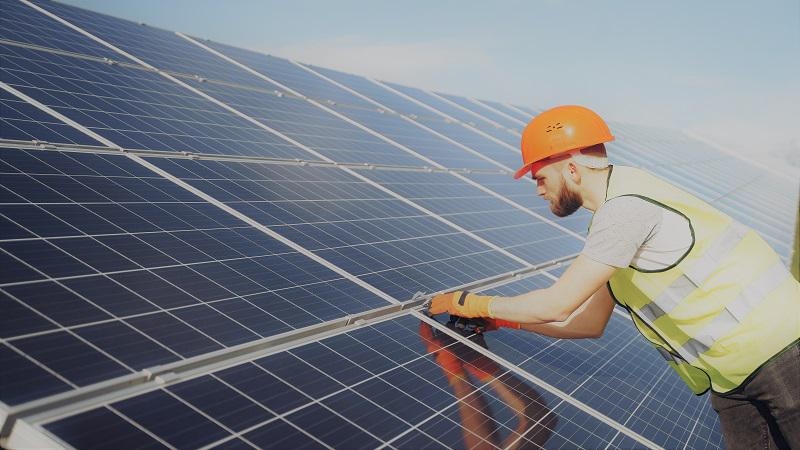
Top 5 local solar installers operating across Melbourne
Melbourne homeowners have access to a wide range of solar providers, but several companies are commonly recognised for their experience, service quality, and local presence across Melbourne. Here are five well-known solar installers operating across metropolitan Melbourne.
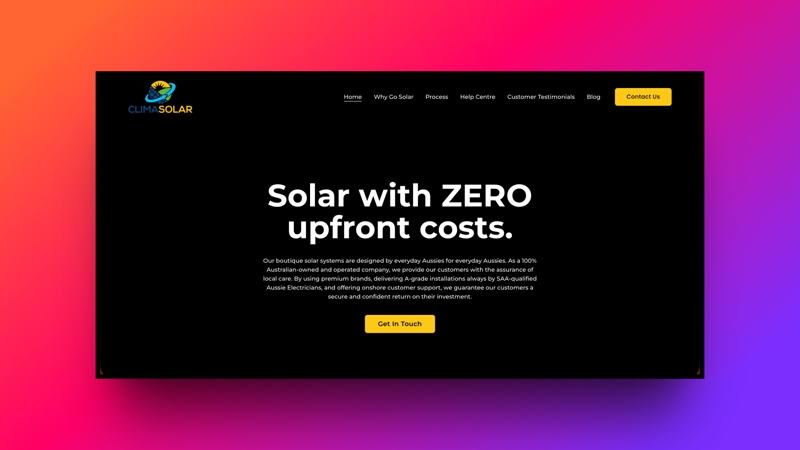
Climasolar
Climasolar is one of Melbourne’s most established solar companies, serving residential and commercial customers across Victoria. Known for tailored solar system designs, battery storage solutions, and comprehensive energy consultations, the company focuses on helping homeowners improve system performance and reduce long‑term reliance on grid electricity.
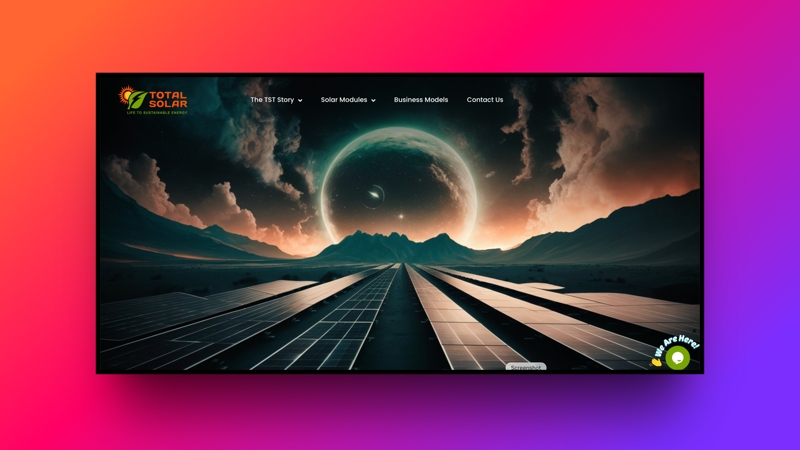
Total Solar Solutions
Operating since 2012, Total Solar Solutions has built a strong reputation for delivering premium solar installations throughout Melbourne. The company offers solar panels, batteries, and energy management systems, focusing on quality workmanship, accredited products, and ongoing support to help customers improve control over their household energy use.
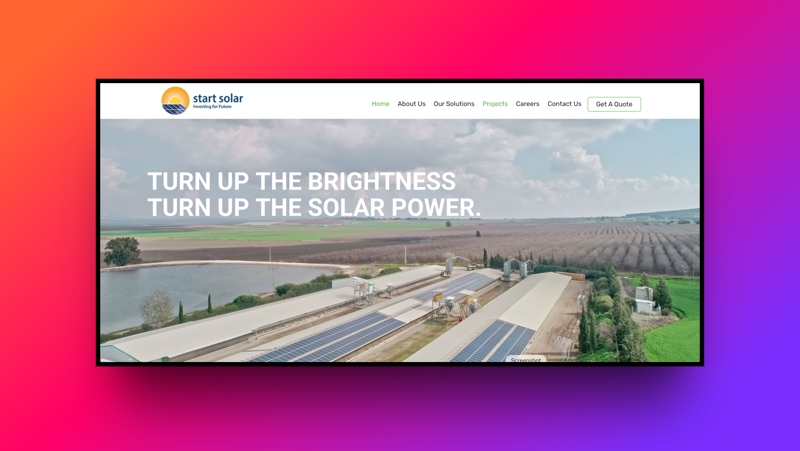
Start Solar
Start Solar provides solar panel and battery installations across Melbourne, focusing on practical and cost-effective renewable energy solutions. With customized system designs and experienced installation teams, the company helps households lower electricity costs while improving the efficiency and sustainability of their homes.
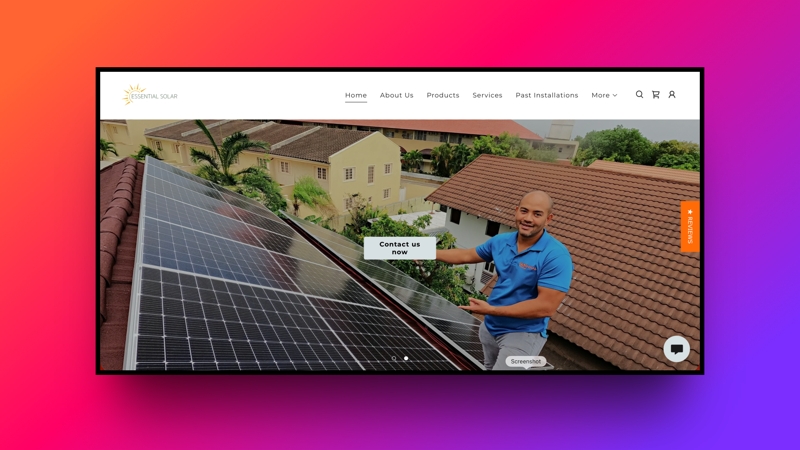
Essential Solar
Essential Solar specializes in residential and commercial solar systems tailored to Melbourne’s unique energy requirements. The company emphasizes professional installation, system performance, and customer education, helping property owners make informed decisions and maximize the value of their solar investment.
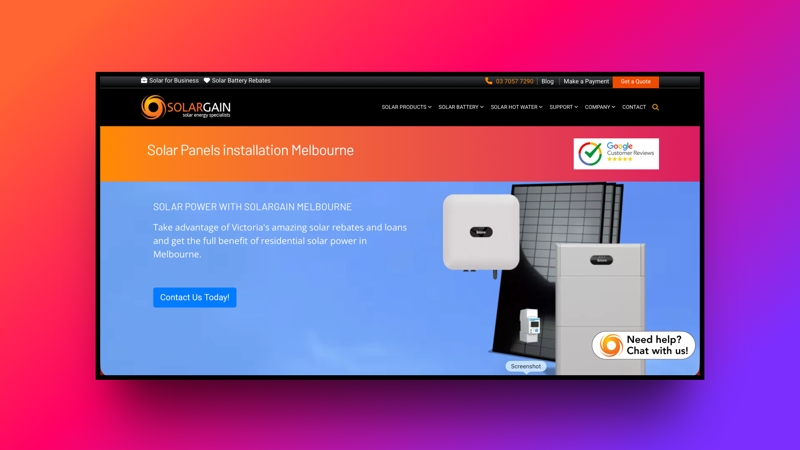
Solargain Melbourne
As part of a long-standing Australian solar network, Solargain Melbourne delivers solar power and battery storage solutions across the region. Combining national industry expertise with local service, the company provides reliable energy systems designed to help reduce household electricity costs and support long‑term sustainability goals.
Choosing the right solar system size
System size is one of the most consequential decisions a Melbourne homeowner makes. Too small and the system will not cover enough of the household's load. Too large on a small roof might not fit. The right size depends on current electricity usage, available roof space, and whether battery storage is planned.
5kW systems for smaller homes
A 5 kW system suits households with annual consumption below 5,000 kWh. That typically covers a 2-person household or a smaller property with modest appliance use. In Melbourne, a 5 kW system generates around 6,000 to 6,500 kWh per year. After the federal STC rebate, installed costs typically range from $3,500 to $6,500.
6.6kW systems for average households
The 6.6 kW system is the most common choice for Melbourne households. It fits within the standard 5 kW inverter limit and delivers enough daily generation for a typical family. It also qualifies for both the STC and Solar Homes rebates. After all rebates, quality 6.6 kW systems in Melbourne are available from around $3,100 to $7,100 depending on components and installer.
10kW+ systems for high energy usage
Larger families and homes with EVs or ducted air conditioning across multiple zones often need 10 kW or more. That is the threshold for making a meaningful dent in grid electricity use. A 10 kW system in Melbourne generates around 12,500 kWh per year. After the STC rebate, installed costs typically fall between $8,000 and $13,000.
Are solar batteries worth it in Melbourne?
Home battery storage can deliver both financial and reliability benefits for many Melbourne solar owners.
Benefits of battery storage
A battery changes the economics of solar fundamentally. Without storage, surplus solar goes to the grid at Victoria's feed-in tariff rate. Most plans pay between 4 and 7 cents per kWh for that export. With a battery, that surplus stays on-site and replaces grid power at night, which costs 30 cents or more per kWh. That price difference explains why many households consider battery storage as part of their long‑term energy strategy..
Reducing grid dependence
Melbourne households with both solar battery storage typically see their grid imports drop to a fraction of pre-solar levels. The battery absorbs daytime surplus, covers evening demand, and leaves the grid as a backup for extended cloudy periods rather than a daily necessity.
Backup power during outages
Victoria's grid is generally reliable, but summer storms and heatwave-related network stress events do cause outages in Melbourne suburbs. A battery with backup capability can switch to island-mode during outages and support essential appliances, depending on system configuration. Refrigerators, medical equipment, lighting, and Wi-Fi all stay online without any manual steps.
Must-have features for Melbourne home solar batteries
Melbourne homeowners consistently look for three things in a battery. First, enough capacity to cover actual evening load. Second, a modular design that grows with the household. Third, smart management that automates charge and discharge.
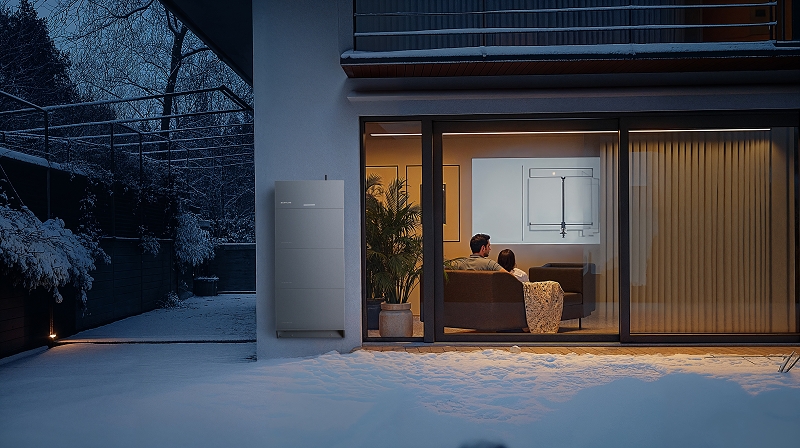
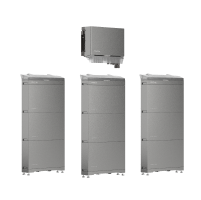
Some Melbourne homeowners choose modular systems such as the EcoFlow PowerOcean Single-Phase Battery to store excess solar and reduce evening grid usage. Usable capacity starts at 5 kWh per unit and expands up to 45 kWh (60 kWh for the three-phase system). It carries an IP65 weatherproof rating suited to Melbourne's variable climate. Intelligent Mode is designed to automate Time‑of‑Use management by prioritising stored energy during expensive peak hours.
The federal Cheaper Home Batteries Program provides an upfront discount of approximately 30% for eligible residential storage systems, worth around $370 per usable kWh. For a 10 kWh battery, that is roughly $3,700 off the installation cost. The program is not means-tested.
How much do solar systems cost in Melbourne?
Solar system costs in Melbourne vary by size, panel quality, installation requirements, and battery inclusion, affecting overall investment.
Factors that affect pricing
Installed cost varies with system size, product quality, roof complexity, and the distance from the meter to the inverter location. Single-storey homes with a straightforward tin or colorbond roof cost less to install than double-storey homes with tile roofs or complex wiring runs.
Solar panel installation costs
After the federal STC rebate:
System Size | Estimated Installed Cost (After STC) |
5 kW | $3,500 to $6,500 |
6.6 kW | $4,500 to $8,500 |
10 kW | $8,000 to $13,000 |
Households eligible for the Victorian Solar Homes rebate can deduct a further $1,400 from these figures.
Battery storage costs
Battery storage adds to the upfront investment. Before the federal battery rebate, a 10 kWh battery system in Melbourne typically costs $8,000 to $14,000 installed. The Cheaper Home Batteries Program reduces that by approximately $3,300 to $3,700 for a 10 kWh system. Combined solar and battery packages are often more cost-effective than adding storage later.
Available rebates and savings
Incentive | Value | Notes |
Federal STC scheme | $1,500 to $3,000 | Applied at point of sale by installer |
Victorian Solar Homes rebate | Up to $1,400 | Income and eligibility criteria apply |
Federal battery rebate | ~30% of battery cost | Not means-tested, applied at sale |
How much can you save with solar and battery storage?
Solar panels and battery storage can significantly lower electricity bills by increasing solar self-consumption and reducing grid energy use.
Estimated annual savings
A Melbourne household with a 6.6 kW solar system and no battery typically saves $1,200 to $1,800 per year. Actual savings depend on usage patterns and tariff structure. Adding a battery and increasing solar self‑consumption can lift annual savings into the $2,000 to $2,800 range for larger households, depending on usage and tariffs.
Factors that impact ROI
The payback period for a quality 6.6 kW Melbourne installation typically falls between 4 and 7 years after rebates. Battery storage extends the payback to around 7 to 10 years on current pricing. Rising grid rates and falling battery costs are shortening that gap each year.
Households on a Time-of-Use tariff get more from battery storage. The spread between peak and off-peak rates is larger, so every unit of stored solar saves more.
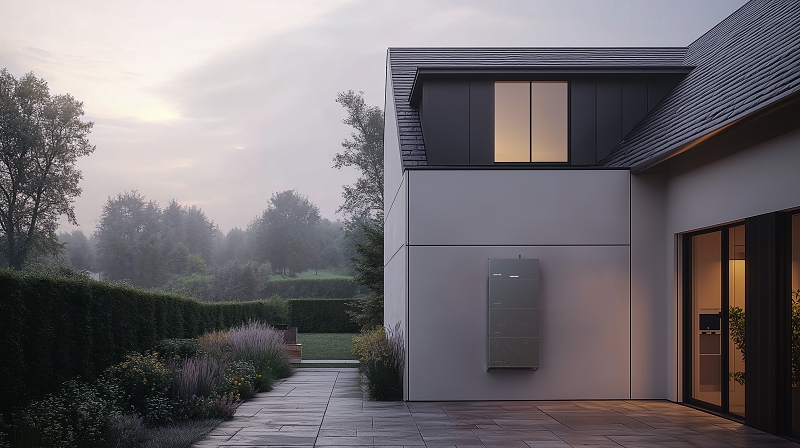
Learn more about EcoFlow PowerOcean.
Maximizing savings with a home battery system
The highest savings come from combining three things. A correctly sized solar system. A battery with smart charge management. A Time-of-Use tariff that rewards off-peak energy use. Getting the right battery capacity is part of that equation too. A useful starting point is working out what size solar battery do I need based on actual evening usage before comparing products or quotes.
Wrapping up
Melbourne's solar market in 2026 is well-supported financially. Federal STC incentives, the Victorian Solar Homes rebate, and the federal battery program can all be stacked. The window to capture the highest combined value is now.
The right move is not chasing the cheapest quote. It is finding a SAA-accredited installer with verified reviews, CEC-approved products, and solid after-sales support. Size the system to real household usage and factor in battery storage from day one.
For a personalised recommendation, contact our professional energy consultants before signing anything.
Schedule Your Free Consultation Today!
What kind of product or solution are you interested in?
FAQs
How many solar panels do I need?
The number depends on the system size and the wattage of each panel. A 6.6 kW system typically uses 16 to 18 panels rated at 370 to 415 watts each. A qualified installer will assess roof space, orientation, and shading before recommending a layout.
Can I add a battery to my existing solar system?
Yes, most existing solar setups support retrofitting batteries. Hybrid inverters enable simple installation; standard string inverters require extra battery inverters, adding minor costs. An SAA-accredited installer can complete a compatibility assessment for your home.
How long does solar installation take?
Most residential solar installations, done by solar companies in Melbourne Australia, take one day. Larger systems or those with complex roof access may require two days. The grid connection approval from the network distributor typically follows within 5 to 10 business days of installation completion.