Severe Thunderstorm Warning: Safety Tips and Power Outage Preparation
Severe thunderstorms are a regular part of an Australian summer. Damaging winds, big hail, heavy rain, flash flooding, and power outages that can drag on well after the storm has passed. Knowing what a severe thunderstorm warning actually means, and getting your home ready beforehand, goes a long way to cutting the risk. This guide covers how to check BOM warnings, protect your property, stay safe during the storm, and prepare for the power going out.
Key Takeaways
BOM alerts mean act now: A severe thunderstorm warning isn’t a heads-up. It means dangerous weather is already happening or about to hit your area.
A bit of prep saves a lot of grief: Tie down the trampoline, bring in the outdoor furniture, and park away from big gum trees. These steps help reduce the risk of storm damage.
Stay safe indoors: Keep away from windows, don’t touch the plumbing, and unplug your sensitive electronics before the lightning arrives.
Outages can drag on for days: Fallen trees and lightning strikes can take out substations for a long time. That’s why a solid home battery plan matters. It keeps the fridge, lights, and water pump going when the grid’s down.
What Does a Severe Thunderstorm Warning Mean in Australia?
The Bureau of Meteorology issues a severe thunderstorm warning when a storm could bring damaging winds, big hail, heavy rain that might cause flash flooding, or even a tornado. Knowing what the warning means helps you judge the risk and decide when to act.
What Conditions Trigger a Severe Thunderstorm Warning?
A standard rain shower clears out dust and cools the air, but severe storms contain violent convective energy. The BOM issues a severe thunderstorm warning when a cell is expected to produce or is already actively generating at least one of the following dangerous criteria:
Damaging wind gusts: Wind gusts reaching 90 km/h or higher (destructive gusts reach 125 km/h or higher).
Large hail: Stones measuring 2 cm in diameter or larger (giant hail classifications start at 5 cm in diameter).
Heavy rainfall: Intensely localized downpours capable of causing flash flooding.
Tornadoes: Highly destructive, spinning wind vortexes touching down over land.
What Risks Do Severe Thunderstorms Pose?
The hazards tied to severe storms extend far beyond getting soaked running from the washing line to the back door. High winds rip down branches and uproot brittle eucalyptus trees, bringing down live overhead power lines across roads and fences. Golf-ball-sized hail regularly punches through roof tiles, smashes solar panels, and leaves parked cars looking like golf balls. Meanwhile, sudden flash flooding inundates low-lying dips, underpasses, and driveways, creating perilous conditions within a matter of minutes.
For a regional example of storm-related disruption and local outage checks, see the guide to power blackout melbourne.
How to Prepare for a Severe Thunderstorm Warning
If a severe thunderstorm warning has been issued for your area, check what needs to be secured around your home before conditions worsen. Outdoor furniture, emergency supplies, charged devices and access to official weather updates should all be part of your preparation.
For longer-term preparation, consider solar battery storage with backup capability, sized around the essential circuits you need during an outage.
Secure Your Home, Yard and Vehicles
Backyards are full of flying projectiles once 90 km/h gusts barrel through.
Pack away lightweight outdoor cushions, umbrellas, shade sails, and kids’ toys.
Anchor the backyard trampoline with ground stakes or flip it upside down against a sturdy wall.
Tuck the ute or family car straight into the garage or carport; if undercover parking isn’t an option, throw heavy blankets or a hail cover over the bonnet and roof.
Clear leaf litter and debris from roof gutters and storm drains so heavy rain doesn’t back up beneath your eaves.
Stock Up on Emergency Supplies
A simple emergency tote stored in the hallway pantry makes all the difference when mains power drops out without warning. Keep these essentials on hand:
| Category | Recommended Items |
|---|---|
| Lighting & Communication | High-lumen LED torches, spare batteries, battery-powered radio |
| Medical & Hygiene | Comprehensive first-aid kit, prescription medications (7-day supply) |
| Hydration & Sustenance | 3 litres of drinking water per person per day, non-perishable canned food |
| Documents & Cash | Printed emergency contacts, waterproof pouch for passports/insurance, some cash |
Charge Phones and Essential Devices
Before the first lightning bolt flashes, plug your mobile phones, tablets, portable power banks, and rechargeable torches straight into the wall. Maintaining communication lines ensures you can stay connected to loved ones and track real-time weather updates even if the local grid collapses.
Check Official Warnings and Emergency Alerts
Watch the local feeds instead of relying on social media rumours. Keep the BOM Weather app open to the radar, follow your state’s emergency feed, like Hazards Near Me in NSW or VicEmergency in Victoria, and keep an ABC local radio broadcast going on a portable radio in case the mobile towers go down. That way you’re getting the real picture, not secondhand guesses.
In Western Australia’s Western Power service area, the guide to western power outages explains where to check network updates and restoration estimates.

What Should You Do During a Severe Thunderstorm?
During a severe thunderstorm, stay inside a sturdy building and keep away from windows, electrical hazards and floodwater. If you’re outdoors or driving, finding safe shelter should be your first priority. Continue checking official warnings until conditions improve.
Stay Indoors and Away From Windows
Shards of glass from hail-shattered panes or wind-borne branches pose an immediate danger. Move family members and pets into the strongest interior room of the house—such as a hallway, bathroom, or ground-floor laundry—away from external windows, skylights, and glass sliding doors.
Avoid Using Corded Electrical Devices During Lightning
A direct or nearby lightning strike can travel through household wiring, phone lines, and metal plumbing fixtures. Steer clear of desktop computers connected directly to wall sockets, avoid using corded landline phones, and refrain from running taps, washing dishes, or taking showers until the electrical activity has completely ceased.
Find Safe Shelter if Outdoors or Driving
If the storm catches you on the open road or walking the dog, act fast:
Never shelter under tall, isolated trees: Wet gums act as lightning rods and are notoriously prone to dropping massive limbs in high winds.
Pull over safely if driving: Heavy downpours can reduce visibility to near zero. Pull off the carriageway with hazard lights flashing, avoiding low bridges, drains, and tree-lined verges.
Stay inside the vehicle: A hardtop vehicle with a fully enclosed metal body safely conducts lightning around the cabin to the ground (similar to a Faraday cage). Keep windows fully rolled up, avoid touching interior metal parts, and be aware that soft-top convertibles or fiberglass-bodied cars do not provide this level of protection.
Follow Official Emergency Instructions
Should emergency services issue an evacuation advisory or severe flash flood alert for your street, heed it immediately. If your home sustains structural damage, stay put in a secure zone and contact the State Emergency Service (SES) on 132 500. For life-threatening emergencies, dial Triple Zero (000) without delay.

What to Do During a Severe Thunderstorm Power Outage?
Severe storms can bring down power lines and knock out infrastructure, leaving homes in the dark for hours or more. When that happens, focus on keeping the essentials running, protecting your electrical gear, and making the most of whatever backup power you’ve got.
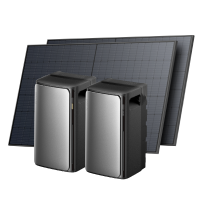
An EcoFlow solar battery solution can support planned backup needs when the installation includes suitable outage protection and sufficient stored energy.
Use Backup Power for Extended Power Outages
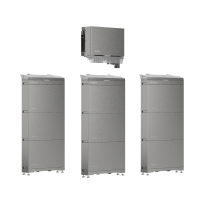
A long blackout gets old fast. The fridge warms up, the water pump stops, and daily life grinds to a halt. If you want proper backup, the Ecoflow OCEAN 2 Plus single phase is built to run a whole home. It can handle the big stuff too, like fridges, lights, Wi-Fi, washing machines, heat pumps, and pool pumps, keeping them going through extended outages. EcoFlow specifies 0 ms load-side switchover under stated conditions, including compliance with local grid regulations and total load within rated backup output. Backup duration and appliance compatibility depend on system configuration, available stored energy and demand.
Protect Electrical Appliances From Power Surges
Transient voltage spikes frequently accompany lightning strikes and grid restoration.
Before the storm arrives, turn off and unplug appliances where safe. During active lightning, avoid handling electrical equipment, and never touch wet or damaged sockets.
Leave a single low-wattage hallway light switched “on” so you immediately know when network voltage has returned and stabilized.
After power returns and the storm has passed, follow your distributor’s and appliance manufacturers’ advice before reconnecting equipment.
Monitor Home Energy Use and Battery Status
When a blackout drags on, you need to know exactly what your house is pulling so you can make the battery last. For Aussie homes with solar and storage, the EcoFlow PowerInsight 2 is a central hub for that. Its 11-inch touchscreen shows real-time energy flow, solar yield, household consumption, and how much battery you’ve got left. With a clear view of your reserves and what’s running, you can make smarter calls and keep the essentials going until the grid’s back.
Schedule Your Free Consultation Today!
What kind of product or solution are you interested in?
Conclusion
Severe thunderstorms can blow up fast. But checking BOM warnings and getting your home sorted beforehand cuts the risk. Tie down anything loose outside, keep your emergency supplies where you can grab them, and follow official advice while the storm’s rolling through.
Power outages are the other worry, especially in places where repairs drag on. If your household depends on power for essentials, a home battery backup system is worth looking at. It keeps things running when the grid goes down. And before the next warning lands, take five minutes to check your supplies and backup power needs.
FAQs
How Long Does It Take For A Thunderstorm To Stop?
A single storm cell usually moves through in 30 to 60 minutes. But big multi-cell systems or slow-moving squall lines can keep the rain, wind, and lightning going for several hours.
Is It Safe To Shower During A Thunderstorm?
No, showering during a thunderstorm is not considered safe because lightning can strike household plumbing, traveling through metal pipes and conductive tap water directly to the drain.
What Should You Do After A Severe Thunderstorm Has Passed?
Step outside cautiously to inspect roof and yard damage while keeping completely clear of fallen power lines, avoid driving through floodwaters, and log calls with the SES (132 500) if you need structural assistance.
What Is The Difference Between A Thunderstorm Watch And A Warning?
A thunderstorm watch generally means conditions may allow thunderstorms to develop; a warning means severe thunderstorms are occurring or expected. In Australia, check the BOM’s Severe Thunderstorm Warnings and your state’s emergency alerts rather than assuming a US-style watch is a standard BOM warning product. A Severe Weather Warning covers dangerous weather not solely related to severe thunderstorms.
How Long Can Food Stay Safe In A Fridge During A Power Outage?
Keep fridge and freezer doors closed. Food Standards Australia New Zealand advises that a fridge should keep food cold for around four hours and a freezer should not defrost for around 24 hours. Actual conditions vary; follow official food-safety advice and do not refreeze thawed food.