Western Power Outages: What to Do During a Power Outage?
When the lights go out with Western Power, do this. Turn off major appliances straight away to help protect them from potential power surges when electricity is restored. Check Western Power’s outage map or call 13 13 51 for info. Keep the fridge and freezer closed to help preserve food, and use battery backup where available to support essential appliances such as lights, refrigerators, and Wi-Fi equipment.
This guide covers what to do straight away during a blackout, what causes WA outages, how to get your home ready, and how battery systems can keep things ticking over when the grid drops out.
Key Takeaways
Western Power outages happen for all sorts of reasons. Severe weather, equipment failures, planned maintenance, or network problems.
Checking outage updates gives you a clearer idea of when the power’s likely to come back.
Having a suitable backup power solution can help maintain essential household functions during unexpected outages.
And smart energy monitoring makes it easier to manage whatever backup you’ve got, so you can better manage available backup power during longer outages.
Why Do Western Power Outages Happen?
Knowing why the power goes out in WA helps you work out what to expect and how to prepare, whether it’s a quick flicker or a proper blackout.
Common Causes and Types of Power Outages
Knowing why the power goes out in WA helps you work out what to expect and how to prepare, whether it’s a quick flicker or a proper blackout.
Common Causes and Types of Power Outages
WA’s electricity network covers a large and geographically diverse area and copes with some of the most extreme weather you’ll find anywhere. From Perth’s scorching summers that push air conditioners to the limit, to fierce squalls hammering the southwest coast, there’s plenty that can bring the grid down.
| Outage Category | Primary Trigger / Cause | Typical Local Impact in WA |
|---|---|---|
| Severe Weather | Lightning strikes, gale-force coastal winds, storm debris, and high fire-risk heatwaves. | Localized or widespread blackout across suburbs; fallen trees hitting overhead lines. |
| Equipment Failure | Aging transformers, blown fuses, underground cable faults, or wildlife contact. | Sudden tripping of localized feeders, leaving a street or cluster of blocks without power. |
| Planned Works | Essential network upgrades, bushfire risk mitigation, line maintenance, and new connections. | Scheduled interruption with advance notice provided by Western Power to affected residents. |
| Grid Emergency | Automatic load shedding to protect grid stability during peak demand or major transmission failure. | Rolling or emergency blackouts designed to prevent a catastrophic total system collapse. |
Typical Duration and Restoration Process
How quickly power is restored depends largely on the classification and complexity of the event:
Planned outages are scheduled maintenance. Western Power gives you a heads-up via SMS or letter. They usually happen during off-peak daytime hours and may last several hours, depending on the scope of the planned work.
Emergency outages are the unplanned ones. Severe weather, a car hitting a pole, or gear failing on the spot. In severe weather events, restoration can sometimes take 24 to 48 hours depending on damage levels and site conditions.
Restoration priority kicks in during major events. During major outages, restoration efforts generally prioritise critical services and areas where safety risks are highest before reconnecting individual customers. Then they work on high-density transmission lines, and finally residential streets.
What Should You Do During a Western Power Outage?
When a blackout hits, a few straightforward steps can keep your family safe and comfortable and stop any nasty electrical spikes from causing damage.
Check Outage Information and Restoration Updates
First, check if it’s just your place or the whole street. Peek outside and see if the neighbours have lights. If they’re out too, hit up Western Power’s outage map on your phone or call 13 13 51. That’ll tell you if they’re onto it, whether crews are rolling out, and when power should be back.
Protect Appliances During an Outage
When the power comes back, don’t flick everything on at once. Keep your TV, computer, console, and microwave unplugged during the outage to protect them from surges. Leave a light on so you know when it’s back, then give the air con and hot water a few minutes before you turn them on again. If you see a downed power line, stay well clear of any fallen power lines and contact emergency services or Western Power immediately.
Keep Essential Household Systems Running
Winter blackout? Stay safe and comfy first. Many homeowners want to know how long power outages last, especially when an outage continues for 24 hours or longer during major storms, but the actual duration depends on the cause and repair conditions. Keep the fridge and freezer shut. A closed fridge can generally stay cold for around 4 hours, while a full freezer may keep food frozen for up to 48 hours.
How Can You Prepare Your Home for Future Outages?
A bit of prep work turns a blackout from a drama into a minor hassle. It keeps your household sorted when the weather turns nasty or the grid stays down for a while.
Build an Emergency Power Plan
Every WA home should have a blackout kit ready to go. For households planning a more permanent backup solution, for households considering a more permanent backup solution, understanding solar battery installation requirements can be part of preparing for longer power interruptions.
Protect Appliances Before Severe Weather Events
When the weather bureau warns of a big storm, get sorted. Plug your pricey gear into surge protectors and unplug what you don’t need before it hits. Check your solar panels are secure and trim any branches hanging near power lines.
Select Backup Power Based on Household Loads
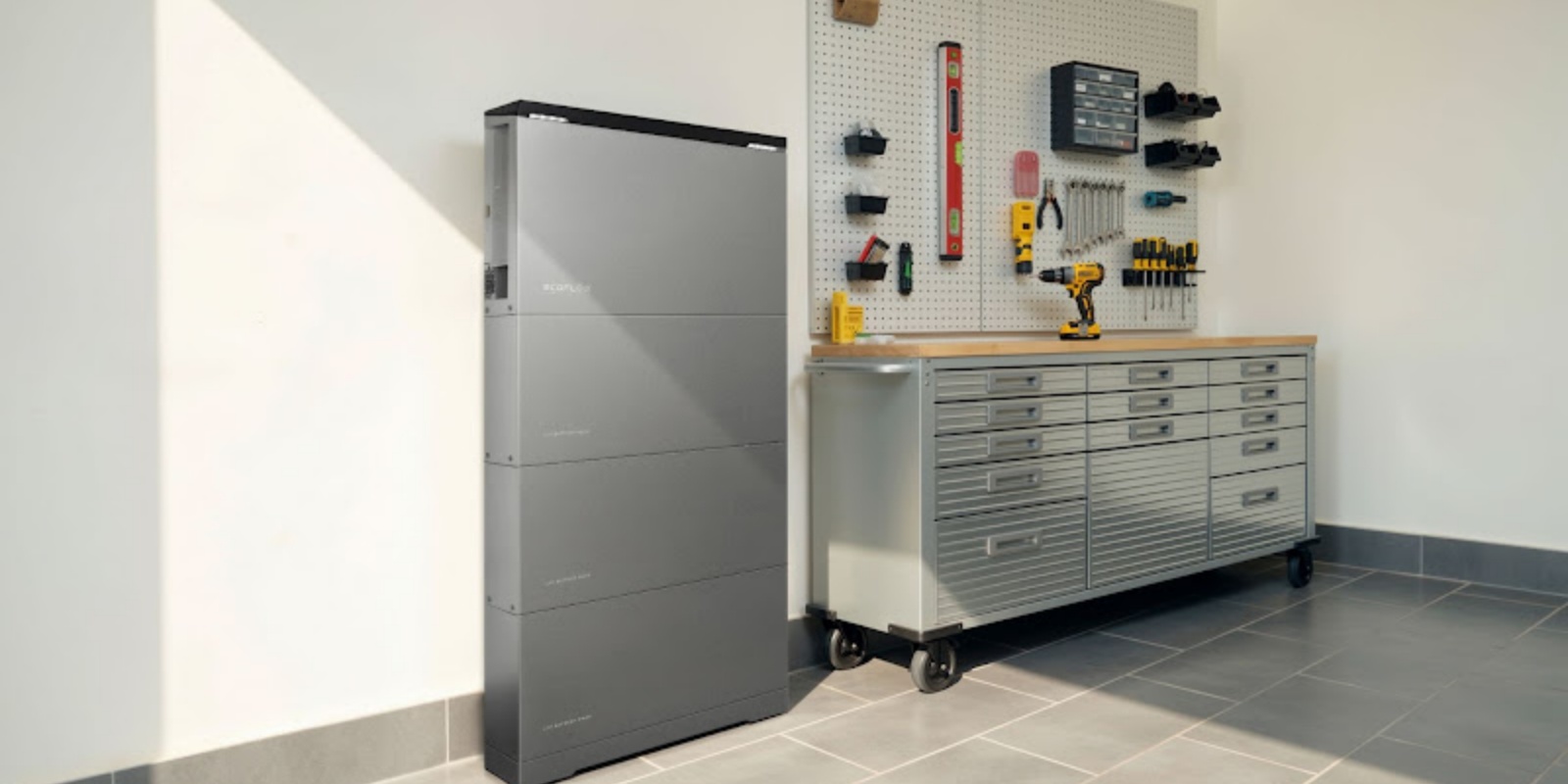
Choosing the right backup energy solution requires matching your system’s output and battery capacity to your household’s daily essential energy requirements. For WA households that want longer-lasting outage protection, an EcoFlow solar battery solution can provide a more reliable way to store solar energy and keep essential appliances running when the grid goes down.
| Backup Option | Suitable Applications & Appliances | Key Benefits & Considerations |
|---|---|---|
| Portable Power Station | Phones, laptops, Wi-Fi routers, LED lamps, small camping fridges. | Compact, plug-and-play, safe indoor use, zero emissions, quiet operation. |
| Home Battery Storage | Refrigerators, lighting circuits, security, pumps, key power outlets. | Seamless automatic switchover, pairs with rooftop solar, long runtime support. |
| Petrol Generator | Heavy power tools, pumps, manual outdoor appliance backup. | Requires outdoor placement (carbon monoxide hazard), manual pull-starting, noisy, requires fuel storage. |
.png)
How Can Smart Energy Solutions Improve Backup Power During Outages?
A smart battery can make blackout management easier by automatically supporting essential loads and helping optimise energy use when the grid goes down. More households are also moving towards a connected Home Energy Ecosystem that combines solar generation, battery storage, energy monitoring, and smart management to improve energy resilience.
Automatic Backup Power for Essential Circuits
During a Western Power outage, the goal isn’t to keep every single appliance running. It’s about keeping the essentials that actually matter day to day. Think scorching Perth summer days above 40°C: when the power drops, essential appliances like fridges, cooling systems, Wi-Fi routers, and security devices may stop operating without backup support. A small portable power bank may not provide enough capacity for extended outages.
For households seeking more reliable backup protection, an integrated home battery system can help support essential household loads during an outage. The EcoFlow OCEAN 2 Plus Single Phase can provide automatic backup power for essential circuits when the grid goes down, helping keep important appliances such as refrigerators, lighting, communication devices, and security systems operating, depending on system configuration and available battery capacity.
Real-Time Energy Monitoring and Backup Optimisation
When a Western Power blackout drags on for hours or even days after a big storm, you’ve got to be smart with your backup power. You’re juggling the fridge, lights, internet, and maybe medical gear, all on limited batteries. Run something too long and you’ll drain your reserves before the grid comes back.
That’s where knowing what you’re using really helps. The EcoFlow PowerInsight 2 gives you a live view of your solar, battery levels, and what the house is drawing. With a clear picture of your energy flow, you can adjust energy usage, make better decisions about power consumption, and help maximise the available backup power during extended outages.
Schedule Your Free Consultation Today!
What kind of product or solution are you interested in?

Conclusion
Power outages are just part of the deal when you own a home in WA. The extreme climate means Western Power grid interruptions can occur from time to time, but they don’t have to throw your life into chaos. If you understand why blackouts happen, know what to do when they hit, and have a solid backup plan in place, like solar plus a decent battery, you can improve your home’s resilience during many types of outages.
FAQ
Will solar panels work during a power outage?
No. Standard rooftop solar shuts down automatically when the grid goes out. That’s a safety thing, so you don’t accidentally feed power back into lines that crews are working on. Unless you’ve got a battery with backup capability, your panels will sit idle until the grid comes back.
How long will food stay safe during a power outage?
An unopened fridge stays cold for about 4 hours. A full freezer? Up to 48 hours if you keep it closed. Don’t open the doors unless you really have to. If it’s going to be a long one, move stuff to an esky with ice.
Why does my neighbour have power but I don't?
Could be a few things. You might be on a different phase or feeder circuit. Could be a fault on your service line, a blown pole fuse, or your neighbour might have a battery backup system that’s keeping their place running.
How do I report an outage to Western Power?
Call 13 13 51, it’s 24/7. Or log it through their OutageMap online. Before you report it, check your own switchboard first in case a breaker has tripped.
How long can a home battery keep things running?
Depends on the battery size, what you’re running, and if your panels can recharge it during the day. Essential stuff like the fridge and lights? Anywhere from 8 hours to a few days. If solar generation is available, it may help extend backup duration depending on weather conditions, system size, and energy usage.
What if Western Power hasn't restored power by the estimated time?
Check the OutageMap for updates or give them a ring on 13 13 51. In the meantime, keep the fridge closed, use your backup power, and if you’ve got medical gear running, make sure you’ve got a plan B sorted.