PHEV Meaning: Everything You Need to Know About Plug-in Hybrids
Electric cars are becoming more common across Australia. But many drivers still want the flexibility of petrol for long trips. That is where PHEVs come in. A plug-in hybrid electric vehicle combines an electric motor with a petrol engine. You can drive short trips using electricity, then switch to petrol when needed. For many Australians, that balance makes a lot of sense. You get lower fuel costs, fewer emissions, and less range anxiety.
In this guide, we'll explain the PHEV meaning, how these vehicles work, charging times, and running costs. Plus, solar charging can save even more money.
What is a PHEV (Plug-In Hybrid Electric Vehicle)
A PHEV stands for Plug-In Hybrid Electric Vehicle. A PHEV combines a petrol engine with a larger, rechargeable battery and one or more electric motors. Unlike a regular hybrid, you can plug a PHEV into a charger to drive using electric power alone for up to 100km. A regular hybrid charges its battery mainly through braking and the petrol engine. A battery electric vehicle (BEV) runs only on electricity and has no petrol engine.
Here's the difference in simple terms:
Vehicle Type | Uses Petrol | Plug-In Charging | Electric-Only Driving |
Hybrid (HEV) | Yes | No | Very limited |
PHEV | Yes | Yes | Medium range |
BEV | No | Yes | Full electric only |
Electric range: How far can a PHEV go on battery?
Here's the good news for Australian drivers: the average daily commute in Australia is under 40 km. Most modern PHEVs cover 50–100 km on electricity alone. That means many drivers can run on pure electric power every single day.
Real-world Australian examples:
Model | Electric Range (Est.) | Total Combined Range | Best For... |
Jaecoo J7 PHEV | ~106km | ~1,200km | Tech-lovers wanting max electric range. |
Mitsubishi Outlander | ~86km | ~800km+ | Families who need a proven all-rounder. |
BYD Shark 6 Ute | ~85km | ~800km | Tradies or campers who need towing power. |
BMW 330e | ~90km | ~600km+ | Drivers who want a sporty, premium feel. |
If your battery runs flat, don't sweat it. The petrol engine kicks in automatically. There's no drama, no delay — you just keep driving.
Several factors affect the electric range in Australian conditions:
Hot weather and air conditioning use
Heavy acceleration and highway speeds
Cold temperatures in southern states
Carrying heavy loads or towing
Smooth driving usually helps maximise battery range.
How to charge your PHEV in Australia
Charging a PHEV is simpler than most people expect. You've got three main options as an Australian PHEV owner:
Standard 240V power point (AC): Every home has one. Just plug in using the cable that comes with the car. It's slow, but it works. No extra hardware needed.
Dedicated AC wall charger (home wallbox): Faster and more convenient. Charge your PHEV overnight with ease. This is the recommended setup for most households.
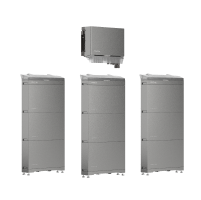
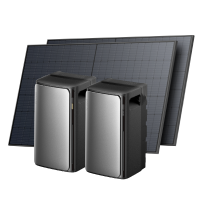
A great example is the EcoFlow PowerPulse 2, a smart home EV charger that delivers up to 22kW output. What sets it apart is its Solar Mode. It integrates seamlessly with your home solar system — and when paired with a home battery, it lets you charge your PHEV using stored solar energy, even after the sun goes down. For example, the EcoFlow PowerOcean Single-Phase battery is a good option. It is a wall or floor-mounted home battery that starts at 5 kWh and expands up to 15 kWh in one inverter. This setup ensures you never waste a drop of solar power, allowing you to charge your vehicle overnight for a truly cost-free and self-sufficient commute.
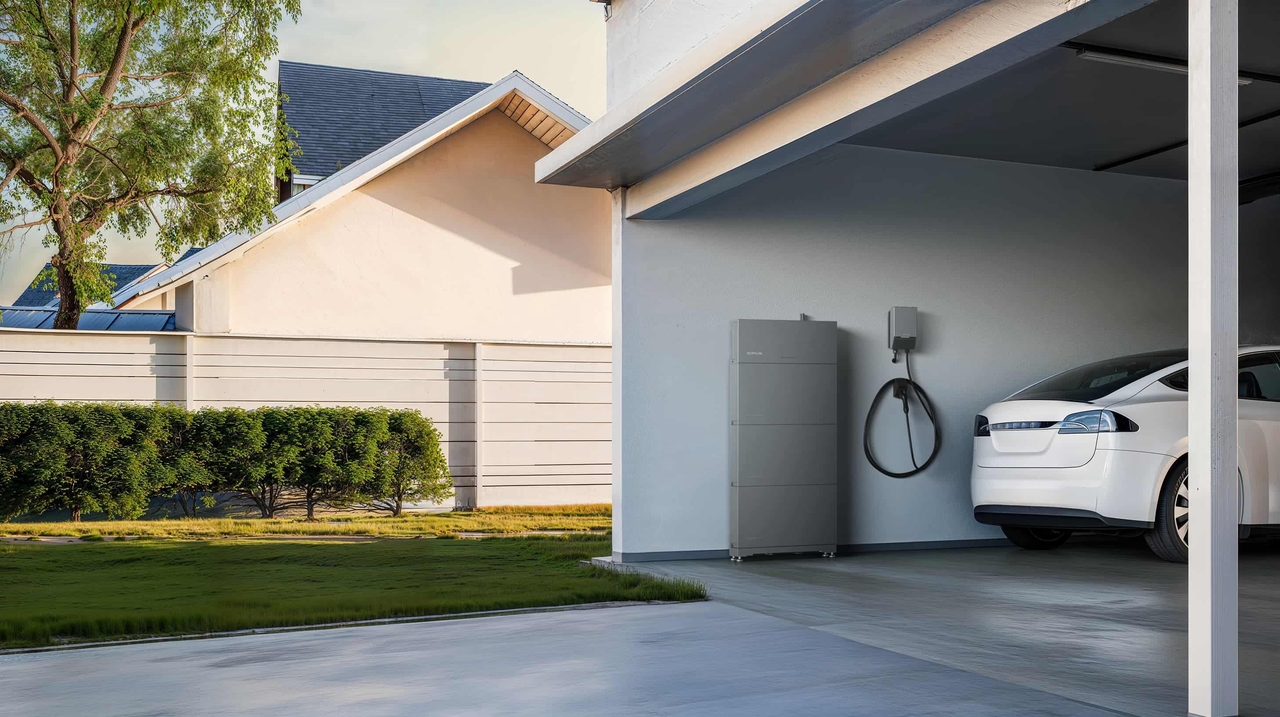
Ready to charge your PHEV on solar power? Charge for less—or even for free! Talk to an EcoFlow energy expert to find the right setup for your home.
Schedule Your Free Consultation Today!
What kind of product or solution are you interested in?
Public DC fast charger
When you are out and about, you can use public fast chargers. You often see these at shopping centres or highway stops. Because PHEV batteries are smaller than those of full electric cars, they fill up very quickly. Most can go from 10% to 80% charge in about 30 minutes. It is a great way to get a quick boost while you grab a coffee.
How long does it take to charge a PHEV?
Charging time depends on the charger type and the battery size of your specific model. Here's a general guide for Australian conditions:
Standard wall outlet (2.4 kW): Often 8–12 hours, depending on the model.
Home AC wallbox (7.2–11 kW): Around 2.5–6 hours (e.g., Mitsubishi Outlander PHEV takes ~6.5 hrs at 3.7 kW; Jaecoo J7 takes ~2 hrs 40 min at 6.6 kW)
DC fast charger (50 kW): 10% to 80% in about 30 minutes. This is ideal for a quick boost during a grocery run or a coffee break.
PHEV batteries are significantly smaller than full EV batteries. That means they charge faster — even on a basic wall outlet. You don't need to plan around charging the way full EV owners sometimes do.
Power and performance of Plug-In Hybrid Vehicles
Many people expect hybrids to feel slow. Modern PHEVs are often surprisingly quick.
Electric motors deliver instant torque. That means faster response when accelerating from traffic lights or overtaking. The petrol engine supports higher speeds and longer trips. Together, they create a strong blended performance.
Some PHEVs can achieve very low fuel use when regularly charged. Certain models can reach around 1–2L/100km under ideal conditions.
Families who want efficiency without losing practicality will find these appealing. Australian drivers also like that many PHEVs come in SUVs and utes. That means you can still tow, carry gear, and handle road trips comfortably.
The economic benefits of PHEVs
Owning a PHEV in Australia isn't just a win for the environment—it's a smart financial move. From lower daily running costs to tax breaks, here is why a plug-in hybrid makes sense for your wallet in 2026.
Fuel and Electricity Savings
The most immediate benefit is at the bowser. If your daily commute is under 60km, you can drive almost entirely on electricity, which is significantly cheaper than petrol.
To save even more, many Australians are now charging for free. By incorporating a home battery system like the EcoFlow PowerOcean, you can use your own rooftop energy to fuel your car. This effectively removes both petrol costs and electricity bills from your driving equation.
Lower maintenance costs
Because you spend so much time in "EV Mode," your petrol engine sits idle. This leads to much less wear and tear on traditional engine components like spark plugs, valves, and pistons. Additionally, regenerative braking helps save your brake pads from wearing out as quickly as they would on a standard car.
Government Incentives (State-by-state)
While some early-adopter rebates have finished, several Australian states still offer great EV rebate perks for 2026:
Queensland (QLD): Offers the lowest registration rates in Australia and a discounted stamp duty of just 2% for vehicles under $100,000.
Northern Territory (NT): Provides free registration for new and existing PHEVs until 2027 and stamp duty concessions up to $1,500.
ACT: Uses an emissions-based registration system where low-emission cars like PHEVs get the cheapest rates. You can also access 3% low-interest loans for charging infrastructure.
New South Wales (NSW): While the $3,000 rebate has ended, PHEVs still benefit from lower registration costs based on their lower emissions.
Fringe Benefits Tax (FBT) Exemption
For business owners and fleet buyers, the FBT exemption has been a huge draw.
The federal FBT exemption for new PHEV leases officially ended on April 1, 2025.
The "Legacy" Bonus: If you entered into a binding lease for a PHEV before April 1, 2025, you can still enjoy the FBT exemption for the remainder of that lease.
LCT Advantage: Even for new buyers, PHEVs benefit from a higher Luxury Car Tax (LCT) threshold ($91,387 for 2025/26), allowing you to buy a higher-spec car with less tax.
Resale value
As Australia moves toward the New Vehicle Efficiency Standard (NVES), high-efficiency cars are in high demand. PHEVs hold their value remarkably well. In fact, used PHEV sales grew by over 30% recently as more buyers look for a bridge between petrol and full electric.
PHEV vs. Hybrid vs. EV: Which is right for you?
Choosing between a standard hybrid, a plug-in hybrid (PHEV), and a full electric vehicle (BEV) depends on your driving habits and your home setup. Each offers a different balance of fuel savings and convenience.
Feature | Regular Hybrid (HEV) | PHEV | Full EV (BEV) |
Plug-in required? | No | Yes | Yes |
Electric-only range | ~2–5 km | 50–100+ km | 300–600+ km |
Charging infrastructure needed? | No | Home charging recommended | Essential |
Fuel backup? | Yes | Yes | No |
Upfront cost | Lower | Mid-range | Higher |
Running cost (when charged) | Moderate | Very low | Very low |
PHEV is best suited for:
Drivers with a predictable daily commute under 80km.
Households with home charging capability (or planning to install one).
Those not yet ready to commit to a full BEV (long road trips, regional drivers).
Drivers want performance + efficiency.
Conclusion
Understanding the PHEV meaning is the first step toward a cheaper, cleaner drive. These vehicles offer the perfect bridge for Australians. You get the silent, petrol-free experience of an EV for your daily commute. Yet, you still have the freedom to take a long weekend road trip without worrying about chargers. It is the ultimate flexible choice for our wide brown land.
By choosing a PHEV, you slash your fuel bills and reduce your carbon footprint instantly. To get the most out of your new car, we recommend looking at EcoFlow's home battery and charging solutions. Using a smart charger and a solar battery allows you to power your journey with 100% renewable energy. It is better for your wallet and even better for the planet.
FAQs
1. Is a PHEV better than a hybrid?
It depends on how you drive. A PHEV offers far more electric range and lets you charge from home, making it cheaper to run daily. A regular hybrid suits drivers who can't or don't want to plug in.
2. Do I have to plug in a PHEV to drive it?
No. A PHEV automotive runs perfectly fine on its petrol engine without ever being plugged in. But you'd miss out on the biggest savings. Charging regularly — especially from home solar — is where the real value comes from.
3. How far can a PHEV travel on electricity alone?
Most modern PHEVs offer between 50 and 100+ km of electric-only range. That comfortably covers the average Australian daily commute. Models like the Jaecoo J7 PHEV push up to 106 km on a single charge.
4. How much does it cost to charge a PHEV at home in Australia?
At around 30 cents per kWh, charging a typical PHEV battery costs roughly $4–$6. With rooftop solar and a home battery like the EcoFlow PowerOcean, that EV charging cost can drop to near zero.
5. How long do PHEV batteries last?
Most manufacturers' warranty PHEV batteries for 8–10 years or 160,000+ km. Real-world data shows they degrade slowly with normal use. Avoiding frequent full discharges and extreme heat helps extend battery life further.