EV Rebates & Incentives in Australia: State-by-State Guide
Australia's electric vehicle market is moving fast. EV Rebates have come and gone, government programs keep shifting, and it can be hard to know what's actually available right now. This guide cuts through the noise. We've pulled together every major federal and state incentive still active in 2026 — what's on offer, who qualifies, and how to get the most out of it.
What is an EV rebate?
An EV rebate is money back from the government to help offset the upfront cost of buying an electric vehicle. The goal is simple: make EVs more affordable, so more Australians make the switch.
Rebates come in a few different forms:
Cash rebates: Direct payments to your bank account after purchase.
Stamp duty exemptions: Saving you thousands in taxes at the dealership.
Registration discounts: Lowering your yearly "rego" costs.
FBT exemptions: Huge tax breaks for employees using novated leases.
Import tariff waivers: A 5% price drop on eligible imported models.
Australia offers these incentives to hit national emissions reduction targets and get more zero-emission cars on the road. For families and individuals, they can make a genuine difference in what they pay on day one.
And here's something worth thinking about: the rebate is just the start. For Australian families pairing an EV with solar power, the real savings come from charging at home — potentially for free. More on that later.
Federal EV incentives available across all of Australia (2026)
The biggest savings in 2026 aren't state-specific—they are federal. These apply to every Australian, regardless of where you live.
FBT Exemption (Fringe Benefits Tax)
This is the biggest federal government incentive for electric cars right now. If you get a new battery electric vehicle (BEV) or hydrogen fuel cell vehicle (FCEV) through a novated lease, it's fully exempt from Fringe Benefits Tax.
That can save you up to around $11,000 per year, depending on your income and the vehicle's value.
A few things to keep in mind:
As of April 2025, Plug-in Hybrids (PHEVs) are no longer eligible. Only full battery EVs (BEVs) qualify.
This incentive suits salaried employees best — it's worth talking to a novated lease specialist to work out your exact savings.
Higher Luxury Car Tax Threshold
The government gives EVs a higher "ceiling" before you have to pay the 33% luxury tax.
2025–26 threshold: $91,387 for fuel-efficient vehicles.
Standard vehicles: Only $80,567.
The result: You can buy a more premium, long-range EV without hitting that extra tax.
Import Tariff Waiver
Eligible electric vehicles valued below the Luxury Car Tax threshold can also avoid the standard 5% customs duty. This import tariff waiver directly reduces the drive-away price of eligible EVs. Combined with other federal electric vehicle incentives, this can create meaningful savings at the point of purchase.
State-by-state electric vehicle rebates & incentives in 2026
Electric vehicle incentives in Australia vary quite a bit by state in 2026. While many direct cash rebates have ended, you can still save money. Several states still offer registration discounts and stamp duty savings. These ongoing EV benefits help make your daily drive much cheaper.
New South Wales (NSW)
The NSW electric car rebate program officially ended on January 1, 2024. This included the $3,000 rebate and stamp duty exemption for eligible EV purchases. However, some benefits still remain for NSW drivers. Owners of zero-emission and low-emission vehicles can still access concessional registration rates. For many NSW buyers, the federal FBT exemption is now the biggest remaining saving opportunity.
Victoria
Victoria's EV Road User Charge was abolished following a landmark High Court ruling in 2023 — a big win for EV drivers.
The state still offers concessional stamp duty rates of $8.40 per $200 of market value, rather than the standard rate
Victoria's $100 annual registration discount ended on January 1, 2026.
Victoria has set a target of 50% zero-emission new car sales by 2030. Future electric vehicle incentives Australia-wide could still emerge as adoption grows.
Queensland (QLD)
Queensland's $6,000 ZEV Rebate Scheme officially closed on 2 September 2024. That's off the table now.
What remains:
Lowest EV registration costs in QLD — around $293 per year.
Concessional stamp duty of 2% on EVs up to $100,000.
Queensland has also invested heavily in charging infrastructure. There are now 100 DC fast-charging stations across the state, with a charger every 150km on major highways. That's good news for regional and highway driving.
Western Australia (WA)
The electric car rebate WA program ended on May 10, 2025. The scheme previously offered a $3,500 rebate for eligible new EVs priced under $70,000. WA buyers can still benefit from the federal FBT exemption. Western Australia was one of the few states where buyers could previously combine state rebates with federal incentives.
Australian Capital Territory (ACT)
The ACT is one of the strongest remaining state-level incentive environments in Australia right now.
What's active:
Emissions-based registration: ZEVs pay the lowest possible registration rates.
Stamp duty exemption: New and used ZEVs are fully exempt from motor vehicle duty.
The ACT Sustainable Household Scheme offers low-interest loans between $2,000 and $15,000. These loans can help fund EV purchases, home charging systems, and battery storage installations.
If you're in the ACT and thinking about solar and a home battery, that last one is worth a close look.
South Australia (SA)
South Australia previously offered a three-year registration exemption for eligible EVs. That program ended on June 30, 2025. The state's $3,000 EV purchase subsidy also ended on December 31, 2024.
In 2026, most South Australian buyers will rely mainly on federal EV government incentives. Future state programs may still appear as EV adoption increases.
Northern Territory (NT)
The NT has one of the most active remaining state-level incentive programs in the country.
What's currently available:
Free registration for BEVs and PHEVs extended to 30 June 2027.
Stamp duty concession: up to $1,500 for EVs valued up to $50,000.
If you're in the Territory, these are real, meaningful savings — and they're still live.
Tasmania
Tasmania's $2,000 rebate and stamp duty waiver have both concluded.
Tasmanian drivers can still benefit from lower ongoing running costs, especially when using a federal FBT-exempt novated lease.
For many households, long-term fuel and servicing savings still make EV ownership attractive.
The real economic benefits of going electric in Australia
Electric car incentives are a great start, but the real magic of an EV is how much it saves you every single day. Here is how the numbers stack up for the average Aussie driver in 2026.
Fuel savings
The average Australian drives around 15,000km per year. At current Australian average rates, the rough cost comparison looks like this:
Petrol car: Costs roughly $18–$20 per 100km.
Electric car: Costs roughly $4–$5 per 100km when charging at home.
That's a saving of up to $2,000 per year just on fuel — before you factor in the cost of generating that power yourself.
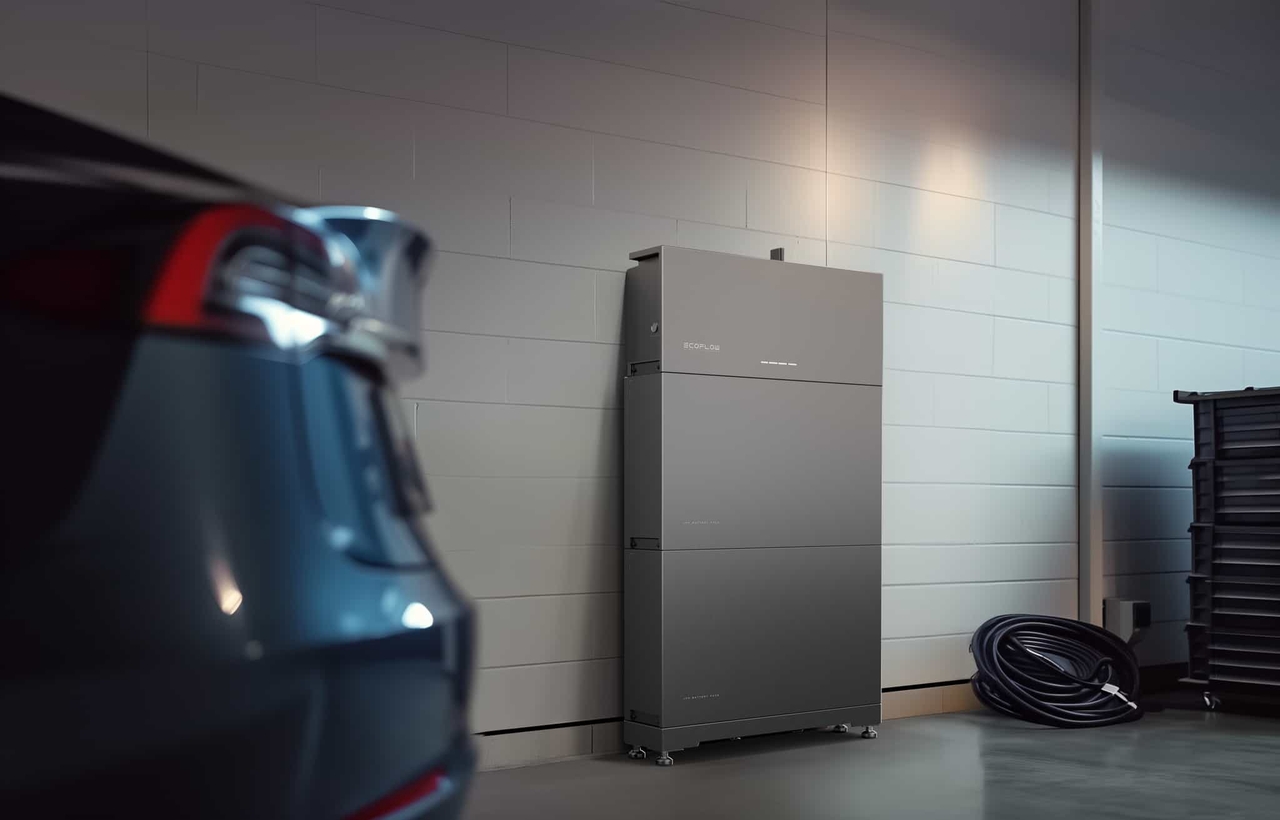
By pairing your EV with a home solar system, you can charge with almost zero additional cost. The EcoFlow PowerOcean Single-phase Battery is built for exactly this. It starts at 5kWh and expands up to 15kWh in one inverter, uses LFP battery technology for over 6,000 charge cycles, and carries a 15-year warranty. It captures surplus solar during the day and holds it ready for when you need it — including overnight EV charging. The result: you avoid selling cheap and buying back expensive.
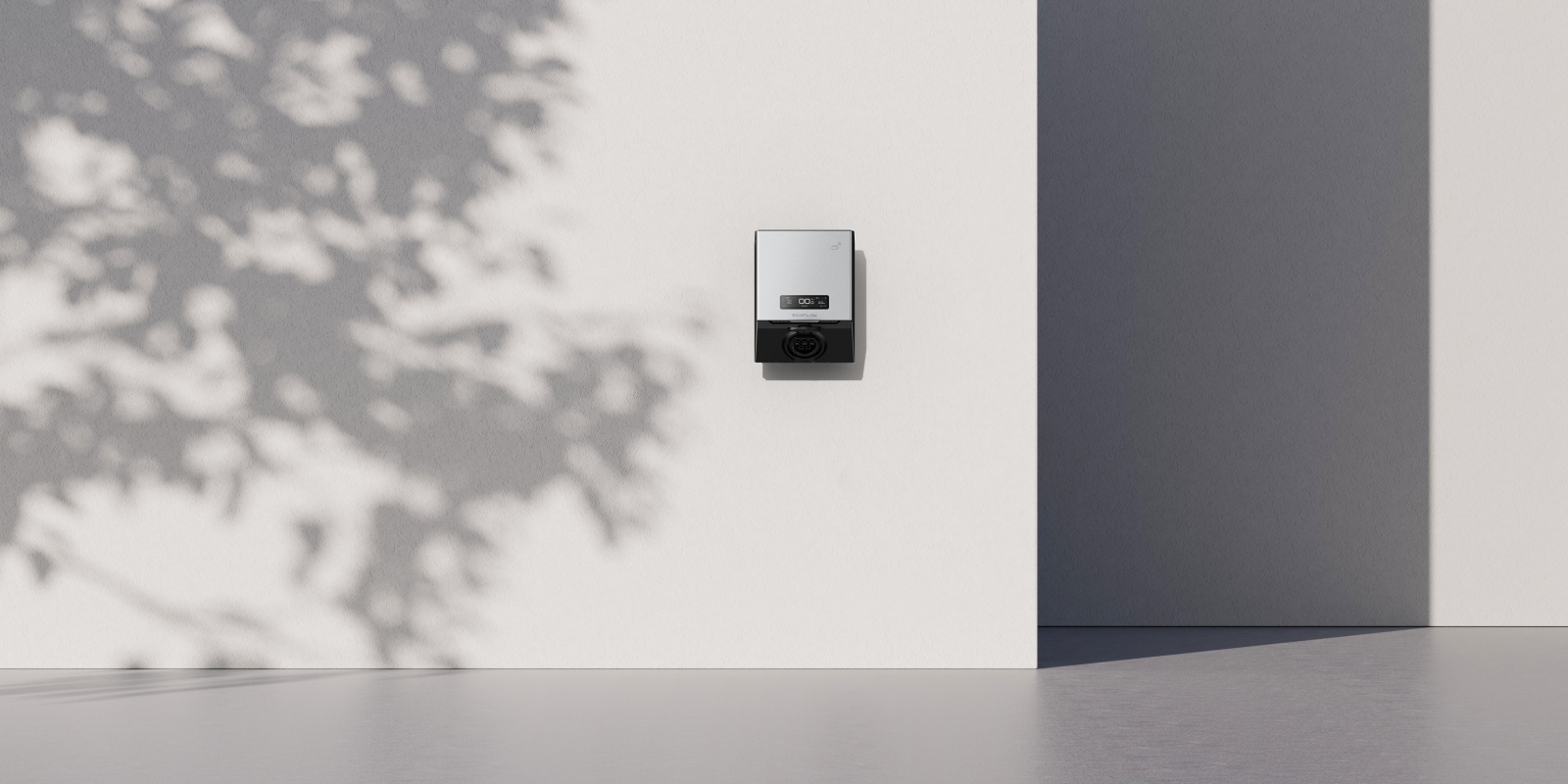
The EcoFlow PowerPulse 2 brings intelligent control to the charging side. It delivers up to 7.4kW on single-phase and 22kW on three-phase, and it connects seamlessly with the PowerOcean. Two charging modes make the biggest difference here. Solar Mode prioritises your stored or live solar power first — and pulls from the grid only if solar isn't enough to keep charging. Smart Mode goes further: you set your energy goals and preferred charging time, and the system figures out the most cost-effective way to get there, automatically balancing solar, battery, and grid power. Both modes work together to make sure you're not unnecessarily buying back grid electricity at peak rates.
Ready to start driving for free? Book a free consultation with EcoFlow experts today. They can help you find the right home energy setup for your household — from battery storage to smart EV charging
Schedule Your Free Consultation Today!
What kind of product or solution are you interested in?

Lower servicing costs
EVs have far fewer moving parts than internal combustion engine vehicles. That means:
No oil changes.
Reduced brake wear thanks to regenerative braking.
Fewer mechanical components that wear out.
On average, EV servicing costs roughly $300–$500 per year, compared to $700–$1,200 for a petrol vehicle. Over five years, that gap adds up.
Total cost of ownership
When you add it all up — purchase price minus incentives, fuel, servicing, registration, and insurance — EVs are increasingly competitive over a 5+ year period.
A few things to factor in:
EV insurance premiums can be slightly higher, so compare carefully.
The second-hand EV market in Australia is growing, which is improving resale values.
Rising petrol prices only improve the EV case over time.
If you plan to keep your car for 5 years or more, an EV is almost always the cheaper choice—especially as petrol prices continue to rise.
Conclusion
Federal incentives are still worth serious money in 2026. The FBT exemption alone can save salaried employees tens of thousands over a few years. Federal incentives in Australia remain very strong in 2026. While many upfront state rebates have finished, you can still save big on registration and stamp duty. These small wins add up quickly over the life of your vehicle.
The smartest move is to stack whatever government incentives you qualify for, then tackle the ongoing cost of charging. That's where real long-term savings sit. A one-off rebate knocks money off day one. A home solar and battery setup keeps saving you money every single week — for years.
A government rebate gets you into the car. Free solar charging keeps you on the road for almost nothing.
FAQs
1. Is it worth buying an EV in Australia?
Absolutely. While upfront prices are higher, you can save over $2,000 a year on fuel. Combine this with lower servicing costs and federal tax breaks, and most EVs pay for themselves within five years of ownership. Plus, you can maximize those savings by charging with a home solar setup and a solar battery (such as the EcoFlow home battery), allowing you to power your drive with free, clean energy from the sun.
2. What type of EV rebates are available in Australia?
In 2026, most "cash" rebates have ended. However, you can still access stamp duty exemptions, discounted registration, and import tariff waivers. The biggest "rebate" is now the federal FBT exemption for employees using a novated lease.
3. What is the FBT exemption for electric cars and who qualifies?
It removes Fringe Benefits Tax on eligible BEVs and FCEVs provided through a novated lease. Salaried employees across Australia can access it. Savings can reach around $11,000 per year, depending on income and vehicle value.
4. What incentives are available in Australia for home EV charger installation?
The ACT and Tasmania offer zero-interest loans for home chargers. The Northern Territory provides a $1,000 residential rebate. Other states focus on public infrastructure, but many energy providers offer discounted "EV-only" electricity rates for home charging.
5. Can I get both a state EV rebate and the federal FBT exemption?
Yes, if your state still offers a purchase rebate. You can use the state rebate to lower the initial price and then use a novated lease to claim the federal FBT exemption for ongoing tax savings.