What is Net Zero Building - The Future of Sustainable Work
Buildings are continually evolving beyond traditional construction. Sustainability becomes a key driver in urban development and modern workspaces. If you are curious to know what a net-zero building is, you are in the right place. Net-zero buildings are shaping our future by integrating renewable technologies and energy-efficient designs. From office spaces to commercial facilities, companies are adopting smarter building design solutions. The reason is that they reduce long-term environmental impact.
What is a net-zero building and its key features
A net-zero energy building is designed to achieve an annual balance between energy consumption and on-site renewable energy generation. This balance happens over one year. The goal is simple. Reduce energy use from the start. Builders focus on design first. They plan energy savings early. They use better insulation, smart layouts, and energy-saving systems to reduce energy demand. These systems help control usage and reduce waste.
These buildings also help reduce carbon emissions. They use eco-friendly materials and better planning methods during construction. Smart systems control heating, cooling, and lighting to save energy. Many net-zero buildings also use solar panels or wind systems. It creates clean energy and supports daily power needs.
Benefits of net-zero building
Lower long-term energy costs: Net-zero buildings reduce electricity bills. They generate energy on-site. They use renewable sources. Costs decrease over time. Maintenance costs also reduce.
Reduced carbon footprint and emissions: These buildings emit less. They use clean energy systems. They also use efficient designs, which support climate goals.
Improved indoor air quality: Air systems are more efficient, and low-emission materials are used. Indoor air becomes cleaner, making people feel more comfortable.
Increased property value and demand: Buyers prefer sustainable buildings. Investors also prefer them. Operating costs are lower, which increases demand. This, in turn, raises the market value.
Greater energy independence and resilience: These buildings produce their own energy. They depend less on the grid. They perform better during outages, thereby improving energy security.
How net-zero buildings are designed and operated
Step 1: Energy-efficient building design
Design is the first step in net-zero buildings. Energy use is reduced early, and insulation is kept very strong. Building orientation is planned, with reduced heat loss. Heat gain is also reduced.
Step 2: Reduced energy consumption through smart systems
Net-zero buildings begin with a design that reduces energy demand from the outset. It contains high-performance insulation and proper orientation. It also uses energy-efficient windows.
Step 3: High-performance materials and appliances
In net-zero buildings, energy-efficient appliances are used. LED lights are installed, and low-energy devices are selected. Sustainable construction materials are used as they reduce energy.
Step 4: On-site renewable energy generation
Renewable sources, such as wind turbines and solar panels, produce clean electricity at building sites. It helps in offsetting the energy consumed by the building.
Step 5: Energy monitoring and optimization
Energy is tracked in real time with smart management systems. Data is collected continuously. Performance improves over time, maintaining a net-zero balance.
Net-zero building industry examples
Project Type | Key features | Results |
Commercial office | Rooftop solar systems, energy-efficient HVAC design, automated lighting control systems | Net-zero operational emissions, 40% reduction in embodied carbon |
School building | Passive design strategy, geothermal-based cooling and heating, enhanced thermal emission | Net-zero energy use with better indoor comfort and minimal utility expenses |
Residential eco home | Combined wind and solar power, an airtight construction envelope, and the use of sustainable materials | Net-zero energy performance with 50% lower lifecycle emissions |
Many green buildings now use both solar power and geothermal systems. These systems help improve energy efficiency and reduce the use of fossil fuels. They also help balance energy production and use throughout the year. They also fulfill global standards. and support stricter carbon-neutral building goals. This encourages developers to focus on long-term sustainability.
Common challenges in net-zero buildings
Challenge 1: High initial construction cost
Net-zero buildings need renewable energy systems. They also need advanced materials and smart technologies. These factors increase upfront investment relative to conventional buildings, even though long-term savings are higher. Over time, the cost is usually offset by lower energy bills.
Challenge 2: Limited access to skilled professionals
Some regions lack experts. It can slow down project development and affect implementation quality. It also increases the dependence on external expertise.
Challenge 3: Technical design complexity
For net-zero buildings, many systems must work together. Engineering is complex. It makes the planning and design process much more complex than in traditional construction. Even minute design errors affect efficiency.
Challenge 4: Climate and location dependency
Solar energy depends on sunlight. Buildings in low-wind or low-sunlight regions struggle to achieve full energy balance. It needs more backup energy planning.
Challenge 5: Regulatory and certification barriers
Rules are different in each country. Navigating these standards delays approvals, increasing the project complexity. Compliance often requires planning effort and additional documentation.
The future of net-zero buildings: Trends and innovations
Smart AI-powered energy management systems
Net-zero buildings are increasingly using AI to predict energy demand and optimize consumption in real time. These systems decrease waste. They also improve efficiency by balancing and monitoring the supply and usage patterns. Thus, they help buildings to respond quickly to changing energy conditions.
Ecoflow OCEAN 2 Plus Single-phase home battery system
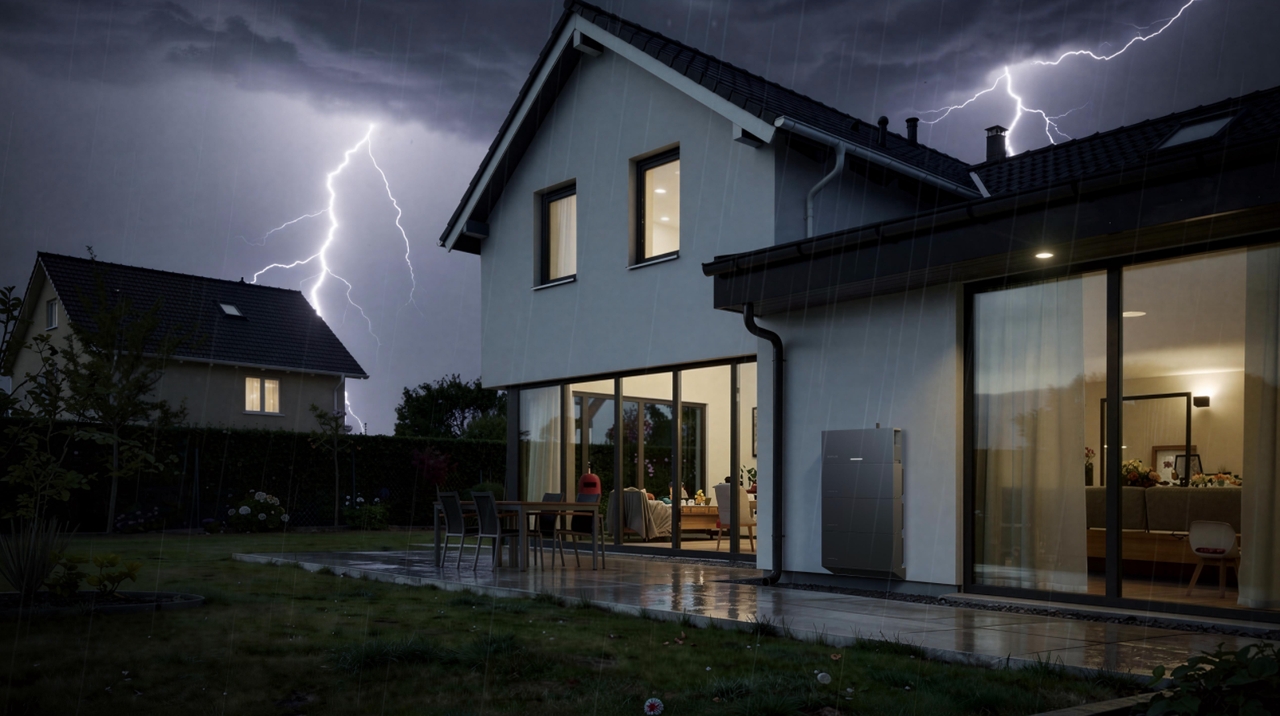
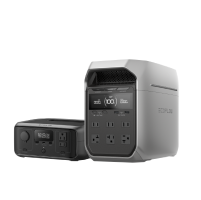
EcoFlow OCEAN 2 Plus Single-phase offers scalable energy storage, high solar input capacity, and complete home backup. Combined with intelligent energy management and advanced solar optimization, it enables efficient renewable energy storage and helps move closer to net-zero living.
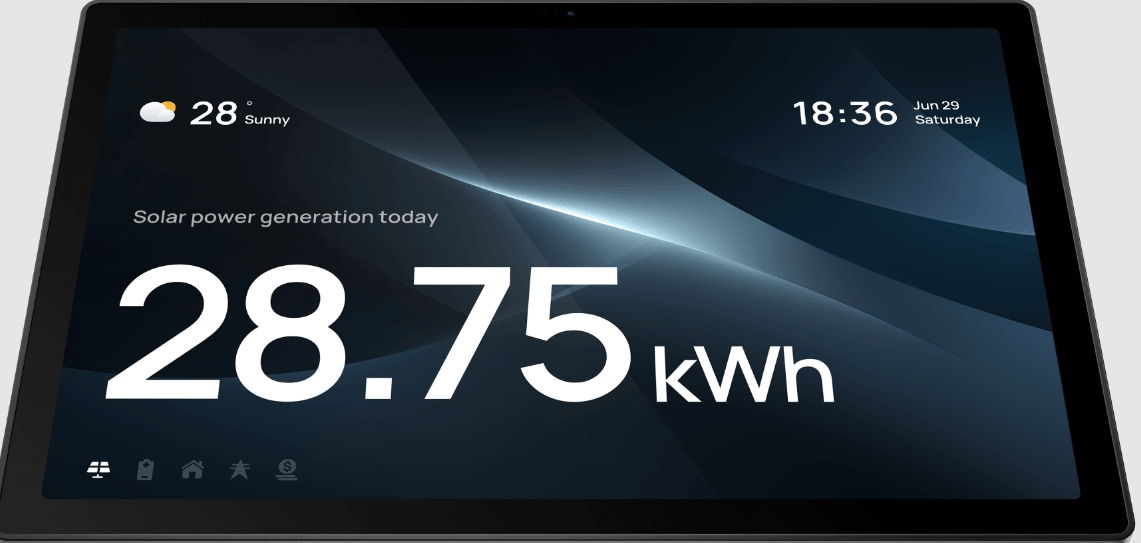
Real-time energy monitoring with PowerInsight 2
Devices such as the EcoFlow PowerInsight 2 Monitor show live data. It tracks solar generation, solar consumption, and battery usage via a smart 11-inch display. This monitoring helps users optimize energy behavior and maintain a consistent net-zero balance. It also facilitates better decision-making for long-term energy usage.
Ready to accelerate your net zero building journey and achieve true energy independence? Consult with our EcoFlow experts to see how our intelligent energy solutions can optimize your home's efficiency.
Schedule Your Free Consultation Today!
What kind of product or solution are you interested in?
Advanced building electrification and full-grid integration
Future buildings are moving away from fossil fuels. They are using electric systems for heating, cooling, and cooking. It helps connect buildings with clean energy grids. It also supports lower carbon emissions. This change improves long-term energy use and makes buildings more reliable.
High-performance materials and next-gen insulation
New materials reduce heat loss. Insulation is improved. Energy loss is reduced. Indoor temperature stay stable. As a result, the heating and cooling demands are significantly reduced.
Conclusion
This article explains net-zero buildings and their main features. These buildings reduce energy use and carbon emissions. They are now used widely. Homes, offices, and industries use them. However, using them needs careful planning and smart system usage. You also need to follow the best practices mentioned here. Technology is improving them, and they are becoming common. Proper planning is important, and smart systems are also needed. Net-zero buildings will grow in the future. They will support global sustainability and become a good choice for construction.
FAQs
Are net-zero buildings more expensive to construct?
Yes. Net-zero buildings cost more to build at the start. They need solar systems, better insulation, and energy-saving technology. These features increase the initial cost. However, they can lower utility and maintenance costs over time. Smart tools like EcoFlow PowerInsight 2 can also track energy use and help reduce waste.
What materials are used in net-zero buildings?
Net-zero buildings use energy-saving materials. These include low-emission glass, high-quality insulation, concrete, and recycled steel. These materials help reduce heat loss and improve building efficiency. Many projects also use smart monitoring tools and renewable energy systems.
How long does it take to build net-zero buildings?
The construction time depends on the size. It also depends on the design and the project. In many cases, net-zero buildings take longer than traditional buildings. The reason is because of system installation and detailed planning.
What is the difference between green and net-zero buildings?
Green buildings focus on reducing environmental harm through cleaner design. Net-zero buildings go a step further by producing as much energy as they consume. They primarily focus on energy use and rely on renewable sources such as solar and wind power.
Which certifications apply to net-zero buildings?
Several certifications are used for net-zero buildings, such as LEED Zero, the Living Building Challenge, and Net-Zero Energy certifications. These rules check how well a building saves energy and reduces carbon emissions. They also look at how sustainable the building is and how it performs over time. To get certified, buildings need regular energy checks.