Lithium Ion Solar Battery for Reliable Home Energy Storage
Many Australian families are adding a lithium ion solar battery to their homes. It stores the extra solar power your panels make during the day, so you can use it at night or when the grid goes down.
With electricity prices climbing and more frequent storms and blackouts, a good battery brings real peace of mind. It helps you use more of your own solar energy, shrink your power bills, and stay comfortable even during summer heatwaves. In this guide, we explain what lithium ion solar batteries are, how they work, their pros and cons, and how to choose the right one for your home.
What is a lithium ion solar battery?
A lithium ion solar battery is a smart energy storage unit that holds extra power from your solar panels. It releases that power when you need it — at night, on cloudy days, or during blackouts.
During the day, your panels often make more electricity than your home uses. The battery captures this excess solar energy instead of sending it back to the grid for low feed-in credits. It stores the power chemically using lithium ions that move between the battery's electrodes.
Lithium batteries have become the clear standard for homes across Australia. They last much longer, charge faster, and use far more of their capacity than old lead-acid batteries. Plus, they are compact, lightweight, and need almost no maintenance — perfect for Aussie rooftops and garages.
Most homeowners use a solar lithium battery for three main reasons:
Backup power during blackouts
Higher self-consumption of solar energy
Lower electricity bills
How lithium ion solar batteries work?
Generation
During the day, your rooftop solar panels soak up sunlight. They instantly turn this light into DC electricity.
Storage
Your home uses what it needs first. The extra DC power flows down to an inverter, which directs the excess straight into your battery.
Chemical movement
Inside the unit, the energy is stored chemically. Tiny lithium ions move through a liquid from the positive side to the negative side.
Discharge
At night, or when solar output drops, the battery kicks in. Stored energy converts back to AC power and flows through your home as normal.
Smart management
One critical component sits behind all of this — the Battery Management System (BMS). It monitors temperature, voltage, and charge levels in real time. It protects the battery from overcharging, overheating, and deep discharge. Without a solid BMS, even a good battery becomes unreliable.
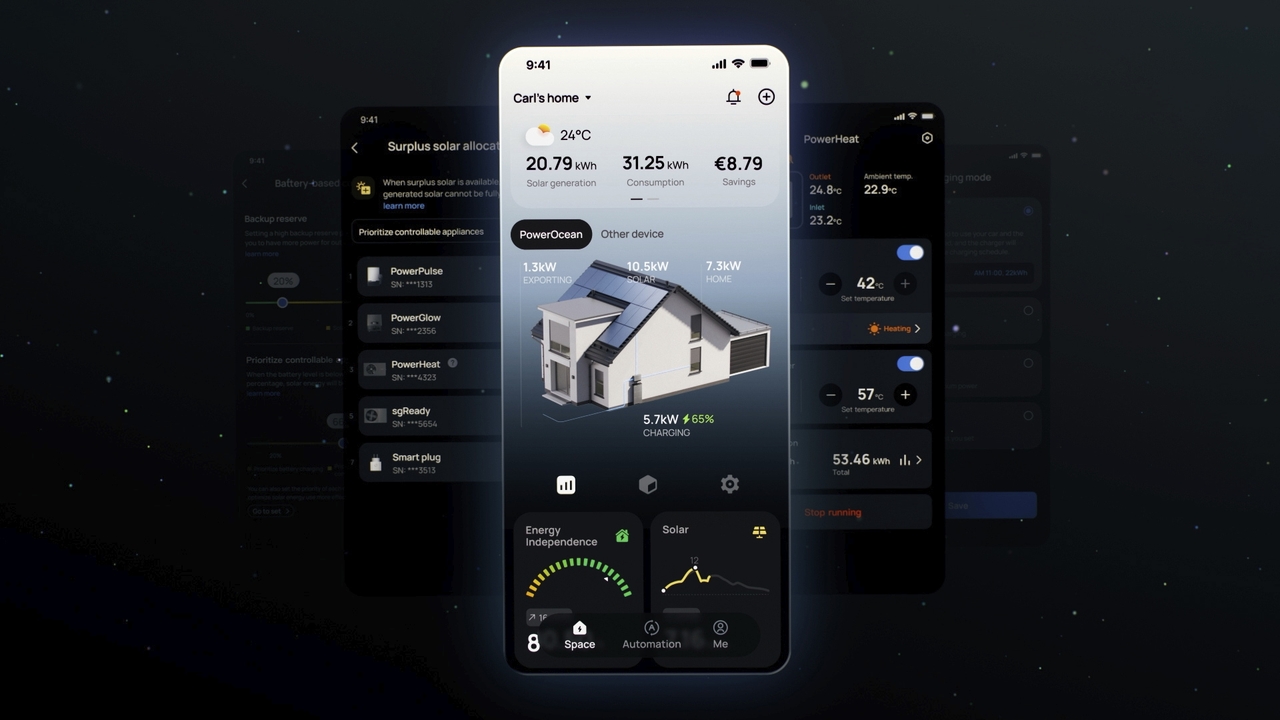
This is where modern systems pull ahead. The EcoFlow Intelligent HEMS goes beyond basic management. It reads your usage patterns, solar forecasts, and electricity tariffs. Then it automates decisions about when to charge, when to discharge, and when to interact with the grid. For Australian households on time-of-use plans, that kind of intelligence can make a real difference to your bills.
Types of lithium solar batteries
There are different types of lithium solar batteries, explore them as the following:
Lithium Iron Phosphate (LFP)
LFP is now the standard for home solar batteries. Its chemical structure is more stable, which lowers the risk of overheating or fire. LFP batteries last longer, with over 6,000 charge cycles and longer warranties. They store slightly less energy per kilogram than NMC batteries, but the extra safety and lifespan make them a better fit for homes. LFP is also cheaper to produce, easier to recycle, and contains no cobalt.
A good example of the LFP in practice is the EcoFlow PowerOcean. This modular LFP system starts at 5kWh and can expand up to 45kWh. It features over 6,000 cycles, a 15-year warranty, and high safety standards.
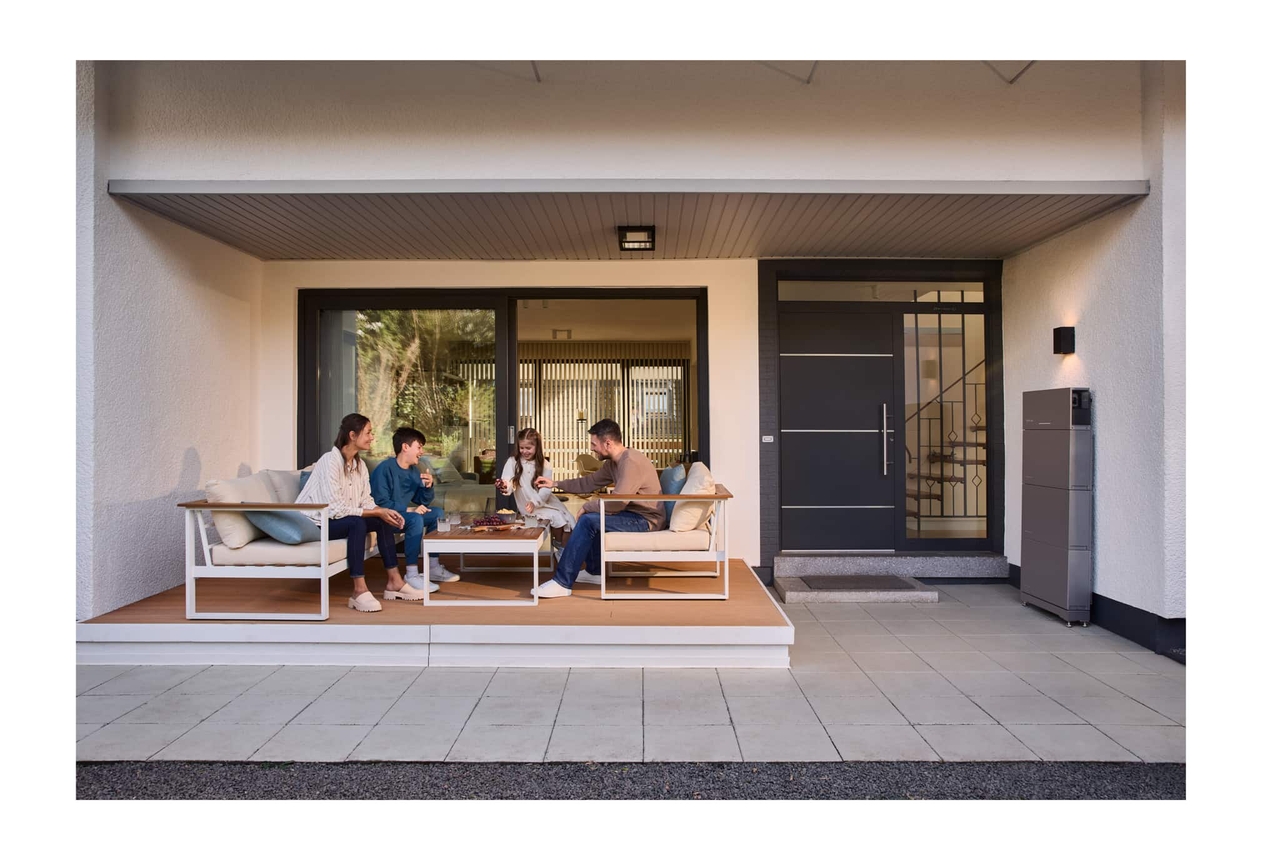
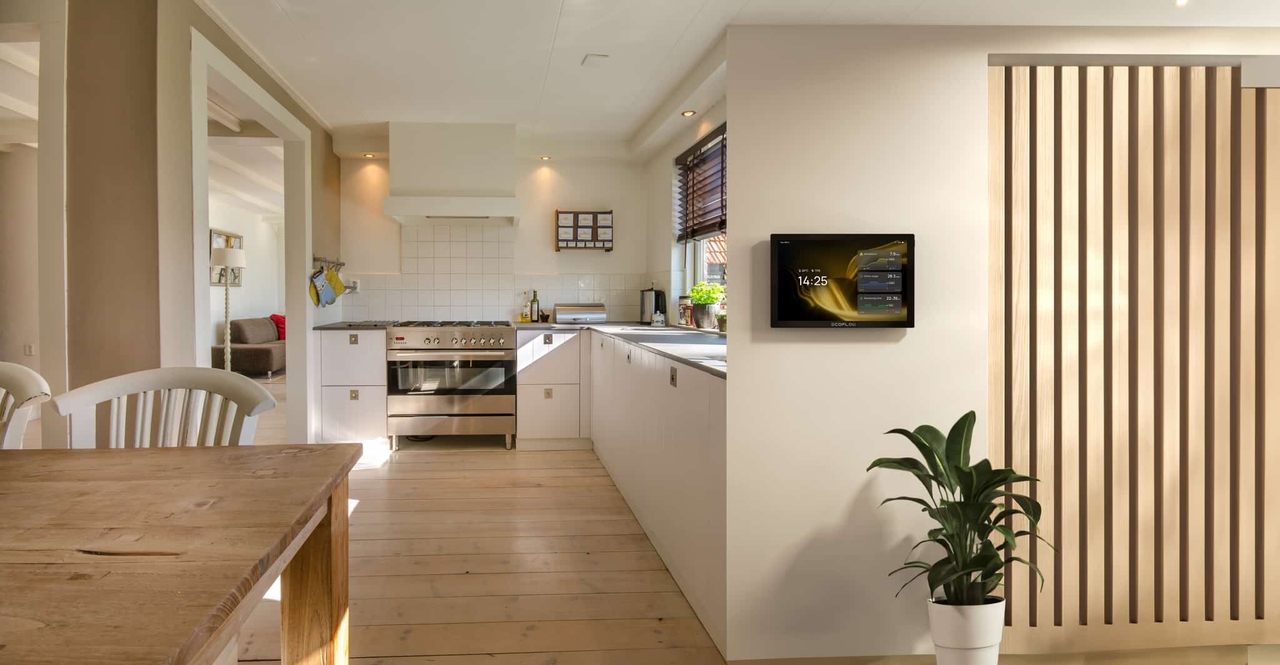
The EcoFlow PowerInsight 2 further enhances this setup with an 11-inch high-resolution touchscreen. It provides real-time energy monitoring and smart optimization. Additionally, it offers intelligent home control tailored specifically for Australian households.
Ready to maximize your household savings? Contact EcoFlow professional energy consultants to request a consultation today.
Schedule Your Free Consultation Today!
What kind of product or solution are you interested in?
Nickel Manganese Cobalt (NMC)
Nickel Manganese Cobalt (NMC) batteries offer a higher energy density. This enables greater storage capacity in a smaller physical footprint.
Historically, NMC was the dominant chemistry in lithium batteries. However, it is now being increasingly overtaken by LFP for home solar applications. This shift is partly because NMC batteries carry a slightly higher thermal risk than LFP.
The industry trend is clearly moving toward LFP chemistry for residential use. This is due to its superior safety, longer lifespan, and better sustainability profile.
Pros and cons of lithium ion solar batteries
Lithium ion solar batteries have become the top choice for Australian homes thanks to their excellent performance and reliability. However, like any technology, they come with both strong advantages and some limitations. Here's a balanced overview:
Pros
High depth of discharge
Lithium ion solar batteries allow 80-100% of their capacity to be used safely. This means you get maximum usable energy from every cycle, unlike lead-acid batteries that limit usage to 50% or less.
Long lifespan
These batteries typically last 10+ years or deliver over 6,000 cycles with quality LFP chemistry. Their extended lifespan reduces replacement frequency and delivers better long-term value for homeowners.
High efficiency
Lithium ion solar batteries offer 90-95% round-trip efficiency. Very little energy is lost during charging and discharging, helping you maximize self-consumption of solar power and save more on electricity bills.
Compact, lightweight & low maintenance
Compared to bulky lead-acid alternatives, lithium batteries are compact and lightweight. They require almost no maintenance, making them ideal for home installations in garages or outdoors.
Fast charging & high energy density
They support fast charging and store more energy in less space. This allows quicker recovery during the day and better performance even with limited roof or installation space.
Cons
Higher upfront cost
Lithium-ion solar batteries generally cost more upfront than traditional battery technologies. This makes the initial investment significantly higher for many residential solar energy systems.
Thermal runaway risk
Lithium batteries can overheat under certain conditions. This is especially true in damaged or poorly managed systems. As a result, they raise more safety concerns compared to some alternative battery technologies.
Recycling challenges
Battery recycling processes remain limited in some areas. This creates environmental concerns around the disposal and recovery of materials. It also impacts the long-term sustainability of lithium battery components.
Temperature sensitivity
Extreme temperatures can affect battery performance and charging efficiency. They can also reduce the overall lifespan. This is a particular concern in regions with prolonged heatwaves or year-round cold.
Cost of lithium solar batteries
Most residential lithium solar battery systems cost between $10,000 and $25,000 or more, fully installed. The final price depends largely on the capacity you choose. Systems typically range from 5 kWh to 15+ kWh.
Your total cost will also depend on your chosen brand and installation complexity. Additionally, you may need to factor in potential inverter upgrades.
Key factors influencing the total cost:
Capacity and scale: More kilowatt-hours (kWh) require more raw storage material. This directly increases the baseline hardware cost.
Brand and technology: Premium brands carry a premium price. This is due to their advanced integrated features and higher safety ratings.
Installation complexity: Complex electrical switchboard upgrades, difficult cable runs, or specific garage vs. outdoor mounting requirements can impact labor costs.
Government incentives: Upfront expenses are heavily offset by federal and state programs.
Maximizing value with government rebates:
The Australian Government offers the Cheaper Home Batteries Program. Operating under the Small-scale Renewable Energy Scheme. It provides substantial point-of-sale discounts by issuing Small-scale Technology Certificates (STCs).
However, the incentive structure uses a tiered slab model. This is designed to reward practical, "right-sized" home installations rather than oversized systems:
0 to 14 kWh usable capacity: Receives 100% of the available STC rebate factor (offering approximately $252 per kWh in upfront savings).
14 to 28 kWh usable capacity: Receives a reduced 60% of the rebate factor for any capacity within this middle bracket.
28 to 50 kWh usable capacity: Receives a minimal 15% of the rebate factor, with a hard cap on any incentives above 50 kWh.
While the initial investment is higher than lead-acid, lithium batteries require far fewer replacements over their lifetime and deliver consistent electricity bill savings. Modular systems let you start with the capacity you need now and expand later as your household's energy needs grow.
How to choose the right lithium ion solar battery
Capacity (kWh): Match your battery's storage size to your daily household usage. A useful starting point is your electricity bill — look for your average daily kWh consumption. Most Australian homes use 15–20 kWh per day, so a 10–13 kWh battery typically covers overnight needs comfortably.
Power output (kW): Pay attention to both continuous and peak power ratings. Continuous output determines what you can run simultaneously during a blackout. A fridge, lighting, and hot water are the essentials to cover.
Depth of Discharge (DoD): A higher DoD means more usable energy per cycle. Look for systems offering 80–100% DoD, as this directly determines how much of the rated capacity you can draw on each day.
Cycle life and warranty: A 10-year warranty is the residential benchmark to look for. LFP batteries commonly exceed 6,000 cycles, which at one cycle per day translates to over 16 years of real-world use with proper management.
Compatibility: Confirm the battery is compatible with your existing or planned inverter and solar setup. Hybrid inverters generally offer the most flexibility. They are also the cleanest solution for new installs or upgrades.
Smart integration: A battery connected to a home energy management system delivers significantly more value than a standalone unit. For example, the EcoFlow Intelligent HEMS automates decisions about when to charge from solar versus the grid. It also decides when to discharge and when to export. It handles all of this based on your specific tariffs, solar output, and usage patterns.
Conclusion
Lithium ion solar batteries have become the superior choice for home energy storage in Australia. They offer outstanding safety (especially LFP), long lifespans, high efficiency, deep discharge, and low maintenance. As a result, they clearly outperform older battery technologies.
By pairing a lithium solar battery with a smart home energy ecosystem like EcoFlow, homeowners can future-proof their property. This protects against rising electricity prices, frequent blackouts, and extreme weather. Intelligent management optimizes every kilowatt for maximum savings and reliability. Take the next step towards energy independence.
FAQs
Are lithium-ion batteries good for solar?
Yes. Lithium-ion batteries offer 90–95% efficiency, 80–100% usable capacity, and a lifespan of 10+ years. This makes them the best available technology for home solar storage. They charge faster and last far longer than lead-acid alternatives.
How long does a lithium ion solar battery last?
Most quality lithium solar batteries last 10 to 15 years. Advanced systems, like the EcoFlow PowerOcean, utilize premium LFP chemistry that delivers over 6,000 cycles. This guarantees reliable, long-term home energy storage backed by an industry-leading 15-year warranty.
Are lithium solar batteries safe to use?
Yes, modern lithium solar batteries are very safe, especially LFP models. They come with advanced Battery Management Systems (BMS) that prevent overheating and overcharging. The EcoFlow PowerOcean uses LFP chemistry with multiple safety layers. This makes it one of the safest options for Australian homes.
What size lithium ion solar battery do I need for my home?
An average Australian home requires a 9 kWh to 14 kWh battery to cover evening energy use. The modular EcoFlow PowerOcean is ideal here, letting you start with a 5 kWh base block and easily expand as your needs grow.
Can I add a lithium ion solar battery to my existing solar system?
Yes, you can usually add a lithium ion solar battery to an existing solar setup. This is typically achieved using a compatible hybrid inverter or AC-coupled system. A professional site assessment is recommended for best compatibility and performance.