Battery Management System: How to Improve Solar Panel and Home Power Performance in Australia
If your Australian home is running solar in 2026 without a high-quality Battery Management System (BMS), you could be missing out on significant savings. The Aussie sun may be free, but storing and using that energy efficiently is where many households fall short. Without a smart system in place, batteries can struggle with extreme heat and fluctuating grid prices. This guide breaks down how a modern BMS protects your investment, reduces peak energy costs, and helps bring your electricity bill close to zero—from the humid coast of Queensland to the dry heat of the Red Centre.
The Role of a BMS in 2026: The "Brain" of Your Home Energy
In the past, batteries were seen as simple storage devices, but today’s technology is much more advanced. A modern BMS acts as the core of a Home energy management system (HEMS), coordinating power flow with surgical precision.
1. Beyond Simple Protection
While the basic job of a BMS is to prevent your battery from overcharging or catching fire, its 2026 evolution is much more proactive. It balances the voltage between individual cells to ensure they age at the same rate, effectively squeezing every possible watt-hour out of your unit for years to come.
2. The 2026 Australian Standard
With updated Australian standards such as AS/NZS 5139 for battery storage safety, a high-spec BMS is mandatory for compliance and insurance. Modern systems now integrate seamlessly with smart meters to provide a holistic view of your home’s energy health.
How a Smart BMS Tackles Australia’s Energy Challenges
Living in Australia means dealing with tough conditions that can be hard on sensitive electronics. A smart BMS is built to handle these challenges.
1. Beating the Heat
We all know how a scorching 42°C day in Adelaide or Western Sydney feels. Heat is the natural enemy of lithium batteries. A quality BMS uses thermal sensors to throttle charging speeds when things get too hot, preventing “thermal runaway” and keeping your system cool under pressure.
2. Managing High Feed-in Spikes
On those blue-sky days when every house on the street is pumping solar back into the grid, voltage spikes can occur. A smart BMS protects your home’s internal circuitry from these fluctuations, ensuring that a surge from the neighborhood doesn’t fry your expensive gear.
3. VPP & Grid Support
Many Aussies are now joining Virtual Power Plants (VPPs). A robust BMS allows your battery to communicate with the grid, selling power back when prices are sky-high and supporting the network during a “blackout” risk, often earning you credits in return.
How a BMS Maximizes Your Home’s Daily Energy Efficiency
To get the most out of your solar investment, efficiency really matters. Here’s how a BMS does the hard work for you every day.
1. AI-Driven Load Shifting
Smart systems can now check the weather forecast. If a cloudy afternoon is expected in Melbourne, the BMS may save your morning solar energy instead of using it right away, so you have enough power for the evening peak.
2. Smart Discharge Strategy
Rather than just draining the battery as soon as the sun goes down, a BMS manages the discharge rate. It prioritizes high-draw appliances, like your aircon or dishwasher, ensuring you aren’t pulling expensive “peak” power from the grid.
3. Seamless Backup Power
When the grid goes down during a storm, you don’t want to be fumbling for candles. A high-end BMS detects the outage in milliseconds, switching your home to “island mode” so smoothly you might not even notice the lights flicker.
Key Features to Look for in a Solar Battery Management System
If you’re buying or upgrading, keep in mind that not all systems are the same. You’ll want one that does more than just the basics.
1. Real-Time Monitoring and Smart App Control
In Australia, solar adoption has reached a massive scale, yet even a substantial 10kW solar array can fall short if energy management remains imprecise.
The EcoFlow PowerInsight 2 addresses this gap by evolving beyond simple monitoring into a sophisticated command center. It provides the necessary intelligence to orchestrate roof-generated power with real-time household demand, ensuring every kilowatt is utilized or stored with maximum financial efficiency.
Through its sleek interface, you can track real-time consumption, analyze ‘Time-of-Use’ electricity rates, and get AI-driven suggestions on when to run your heavy appliances. For Aussies looking to truly master their energy flow and slash those quarterly bills, PowerInsight 2 is the ultimate tool.
2. Advanced Safety Protections
Look for “Active Balancing” and multi-point temperature monitoring. These features ensure that even if one cell is acting up, the rest of the pack remains safe and efficient.
3. Compatibility with Solar Inverters and Batteries
Your BMS needs to “speak the same language” as your inverter. Compatibility ensures that data flows freely between the roof and the garage, preventing “communication errors” that can shut down your system.
4. AI and Smart Energy Management Capabilities
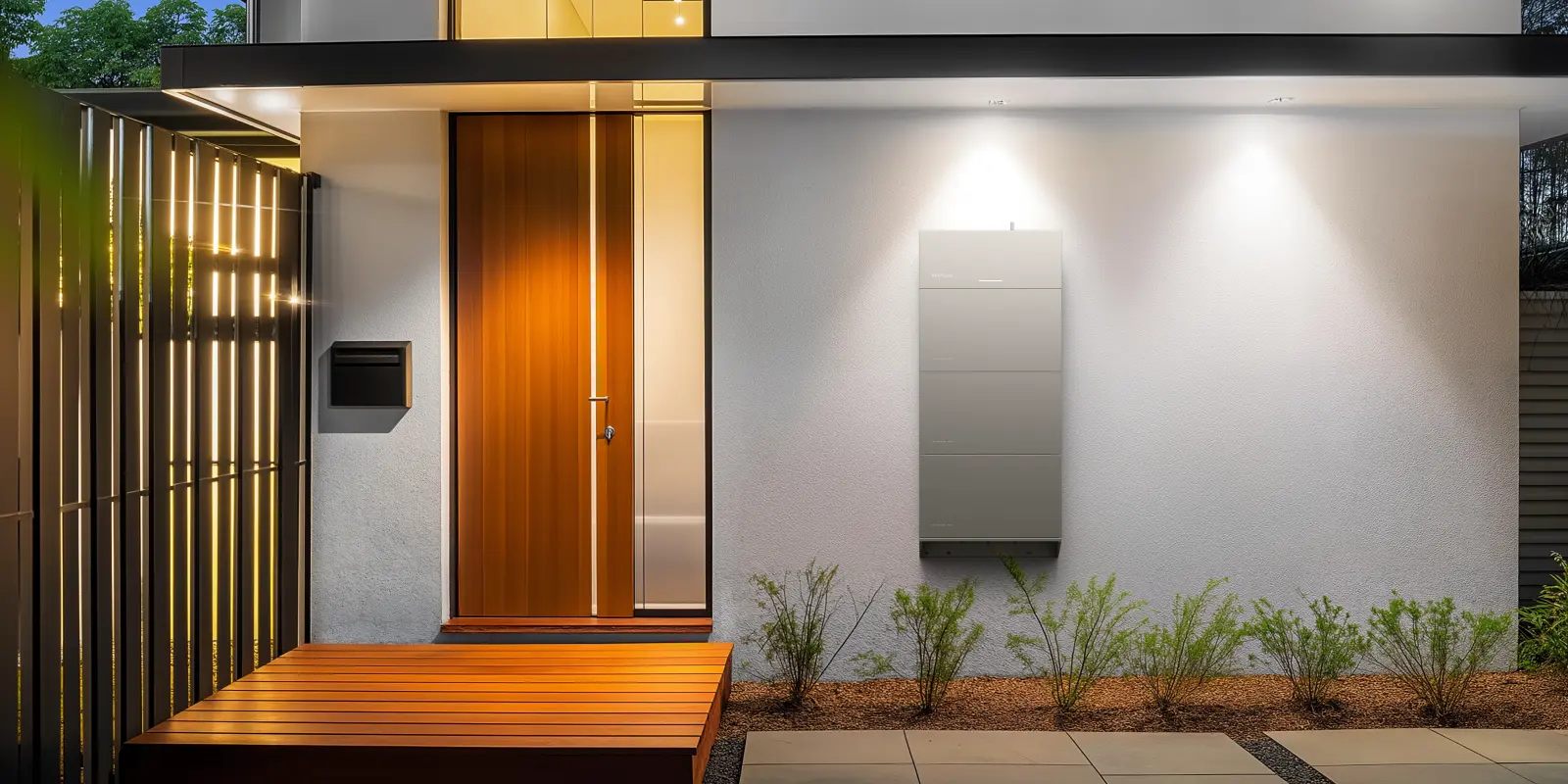
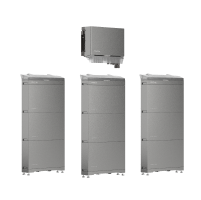
With the intense Aussie sun, you need a system that can think for itself. The EcoFlow PowerOcean(Single-Phase) is a standout solution here. Built with a state-of-the-art BMS, it’s designed to thrive in Sydney’s summer heat or the rugged conditions of the outback. PowerOcean doesn’t just store power; it optimizes it. It’s compatible with various hybrid inverters and features a modular design that grows with your family. By intelligently shifting loads to avoid peak tariffs, it ensures your battery lasts longer and your bank balance stays healthier.
.png)
How a BMS Optimizes a Solar System in Australia
Let’s take a look at how a smart BMS makes a real difference in everyday use.
Scenario: A Typical Sydney Household
Imagine a family in the suburbs with a 10kW solar array. Without a smart BMS, the battery often fills up by 10 AM and sits idle, while the family pays peak rates for dinner prep at 6 PM.
Before vs After Installing a Smart BMS
Before: High “vampire” drain, battery degradation due to heat, and reliance on the grid during peak evening hours.
After: The BMS holds charge for the evening peak, manages the pool pump during the solar “soak” period, and keeps cells balanced to prevent capacity loss.
Annual Savings and Payback Period
A well-managed system can shorten your payback period by 1.5 to 2 years simply by maximizing “self-consumption” and participating in grid-sharing schemes.
Real ROI Calculation (Australia 2026)
To understand the real financial impact of a smart BMS, let’s break it down with actual numbers:
Average electricity price (Australia): $0.25–$0.35 per kWh
Typical 10kW solar system output: 14,000–18,000 kWh/year
Self-consumption increase with BMS: +20% to 35%
Annual savings formula:
Annual Savings = Extra Self-Used Energy × Electricity Price
Example:
5,000 kWh × $0.30 = $1,500/year saved
Over 10 years: $15,000+ in additional value
This is where a smart BMS shifts from being a “feature” to a profit-generating system.
BMS vs No BMS: Is It Worth the Investment?
| Feature | Without a BMS | With a Modern Smart BMS |
|---|---|---|
| Safety | Risk of overheating/fire | Multi-layer auto-shutdown |
| Battery Life | 3–5 years (unbalanced cells) | 10–15+ years (active balancing) |
| Grid Interaction | Passive (loses money) | Active (earns VPP credits) |
| ROI | Slow and unpredictable | Fast and measurable |
Conclusion
A Battery Management System is what turns a “pile of tech” into a genuine asset for your home. For Aussies dealing with 2026’s energy prices and climate extremes, investing in high-quality solar batteries equipped with a smart solution like the EcoFlow PowerOcean isn’t just a smart move—it’s the only way to truly own your power.
Schedule Your Free Consultation Today!
What kind of product or solution are you interested in?
FAQs
1. Do all solar batteries need a BMS?
Yes, a BMS is mandatory for the safe operation of all lithium-based solar batteries. It prevents dangerous conditions like overcharging and thermal runaway, which are critical in the hot Australian climate.
2. Can a BMS reduce my electricity bill?
Yes, a BMS reduces your bill by intelligently discharging stored solar power during the most expensive “peak” periods. It ensures you buy as little electricity from the grid as possible, maximizing your “self-consumption.”
3. Is BMS included in home battery systems in Australia?
Yes, most high-quality all-in-one systems sold in Australia have an integrated BMS. However, cheaper “DIY” or budget-grade batteries may have inferior systems that don’t offer the same AI optimization features.
4. How long does a BMS last?
A well-made BMS should last at least 10 to 15 years, matching the lifespan of the battery cells. Keeping your battery unit in a shaded, ventilated area like a garage can help extend the life of the electronic components.