What Is a Hybrid Inverter? Complete Guide to Hybrid Solar Systems
Most houses in Australia are moving to solar energy solutions due to rising electricity prices. They plan to switch, but ask questions like what a hybrid solar inverter is. Many people do not know what these inverters are or how to use them.
There are different types of inverters available in the market. Choosing the right one depends on your needs and budget. This guide provides you with all the details you need to know about hybrid solar inverters.
What Is a Hybrid Inverter and Why It Matters Now
Hybrid PV inverters are solar devices that combine the roles of a solar inverter and a battery inverter. It is designed as if both systems are installed as one unit. It converts DC electricity generated by solar panels into AC for household use. This transformation enables the storage of solar energy to be used in the future. A hybrid inverter is able to alternate between solar energy, battery, and the utility grid.
The Reasons Why Hybrid Inverters are Increasingly in Demand
Hybrid inverters are in high demand and are increasing at a very high rate because of a combination of various practical and economic reasons:
Independent Energy: Australian houses will not be as dependent on grids due to the instability of the grids. Hybrid inverters provide self-sustained energy with solar and storage.
Easy Use With Batteries: These inverters work smoothly with batteries so that extra power can be saved and used later.
More Focus on Clean Energy: Many people now prefer eco-friendly solutions, and hybrid inverters support solar energy use.
Smart and Easy Control: They come with smart features that help manage and use energy better.
Role of Hybrid Inverters in Modern Energy Systems
Solar hybrid inverter regulates the flow of energy between the grid and solar panels. Hybrid inverters offer backup power to ensure that certain appliances continue to operate. They simplify the utilization of solar energy. They are able to import and export additional energy to the grid or import when necessary.
How Hybrid Solar Inverters Work: Smart Energy Flow Explained
A hybrid solar power inverter connects 3 main parts into one system:
Solar panels generate electricity during the day.
A solar battery stores extra energy for later use.
Grid offers backup in case of insufficiency of solar and battery.
Energy Flow Within The System
Solar panels power the home first during the daytime.
Extra energy produced is stored in the battery.
The excess energy is supplied to the grid if the battery is also full.
Batteries start to supply energy at night.
The grid takes over once the solar and battery are low on electricity.
Difference Between AC and DC Coupling
It is important to understand the two main connection methods before choosing your solar power hybrid inverter:
DC Coupling | AC Coupling | |
How it Works | Solar panels send DC power directly to the battery before converting to AC. | Solar power is first converted to AC, then back to DC for battery storage. |
Efficiency | Higher Efficiency | Slightly Lower Efficiency |
Best For | New solar system installations | Upgrading existing solar systems |
Performance | Better performance and less energy loss | Slight energy loss but good adaptability |
Hybrid Solar Inverters vs Standard Solar Inverters: Key Differences
Most of the people in Australia do not know the difference between the two inverters when they plan to install them. Here are the key differences between hybrid inverters and standard inverters:
Standard Inverter vs Hybrid Inverter
A standard inverter changes DC electricity into AC for instant use. Batteries are not required, and they work best for simple setups.
The hybrid system not only converts DC into AC, but it also controls battery storage. They also manage energy flow between the batteries and the grid. This makes it a more advanced solution for energy use.
Battery Compatibility
Standard Inverter: They are not compatible with batteries, usually. You might need additional components to install the battery with them.
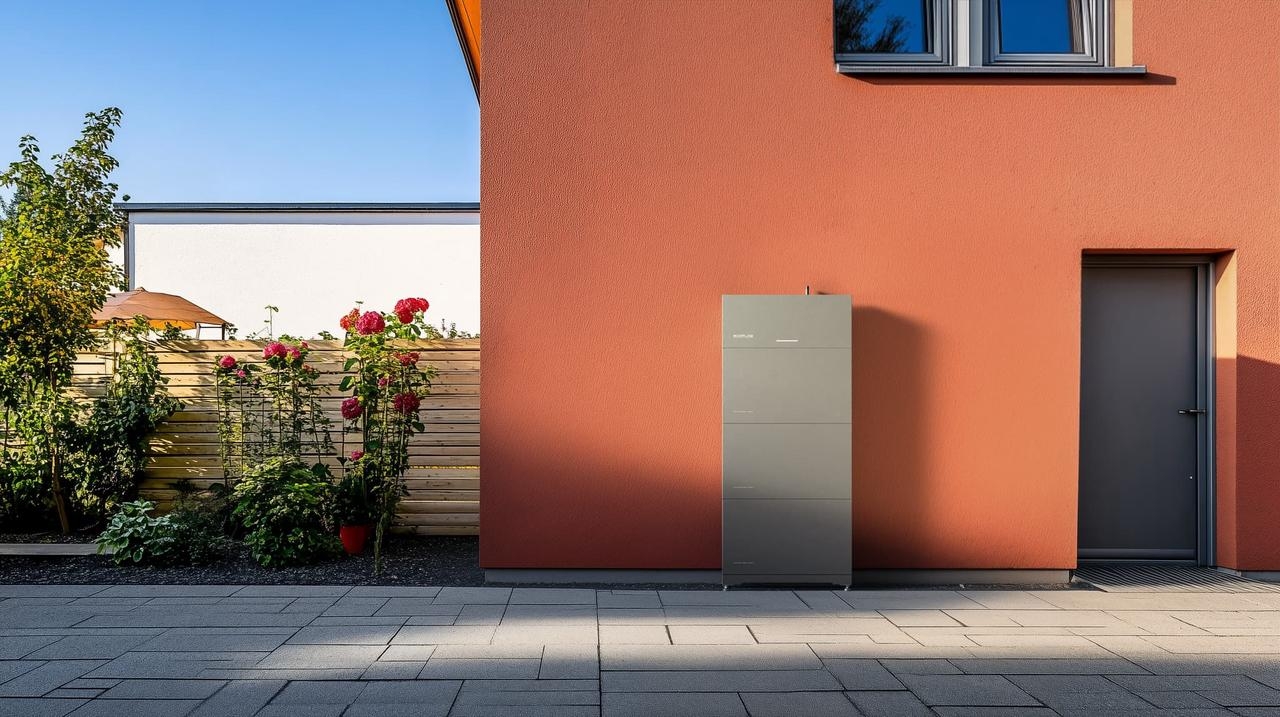
Hybrid Inverter: These inverters are built to work with batteries. This allows energy storage and backup power during outages. Systems like the EcoFlow Home Battery use advanced hybrid inverter technology. It makes sure the smooth switching between solar, battery, and grid power without interruption.
Flexibility and Efficiency Comparison
Features | Hybrid Inverter | Standard Inverter |
Flexibility | Highly flexible | Limited to solar and grid |
Energy Efficiency | More efficient in energy use and storage. | Efficient for direct use only. |
Backup Power | Yes | No |
Use Case | Modern smart energy systems | Basic solar installations |
Inside a Hybrid Inverter Solar System: Essential Components
A hybrid solar inverter system works through different key components. Mentioned below are the core components of a reliable hybrid inverter system:
Solar Panels
Solar panels capture sunlight and change it into direct current electricity. This is the starting point of the entire solar power system.
Hybrid Inverter Unit
The hybrid inverter is the core of the system. It transforms DC electricity into alternating current, which is used in the household. It controls the direction of the flow of energy between the grid, batteries, and solar panels.
Battery Storage System
The battery saves extra solar energy for later use when sunlight is not available. For example, the EcoFlow PowerOcean Single-phase Battery supports integration in hybrid setups. They help provide a reliable power backup. You can start with one 5kWh pack and easily add more to reach 15kWh in one inverter as your energy needs grow.
Ready to take control of your energy savings? Contact the EcoFlow expert today to get a solar battery quote for your home system.
Schedule Your Free Consultation Today!
What kind of product or solution are you interested in?

Management Tools
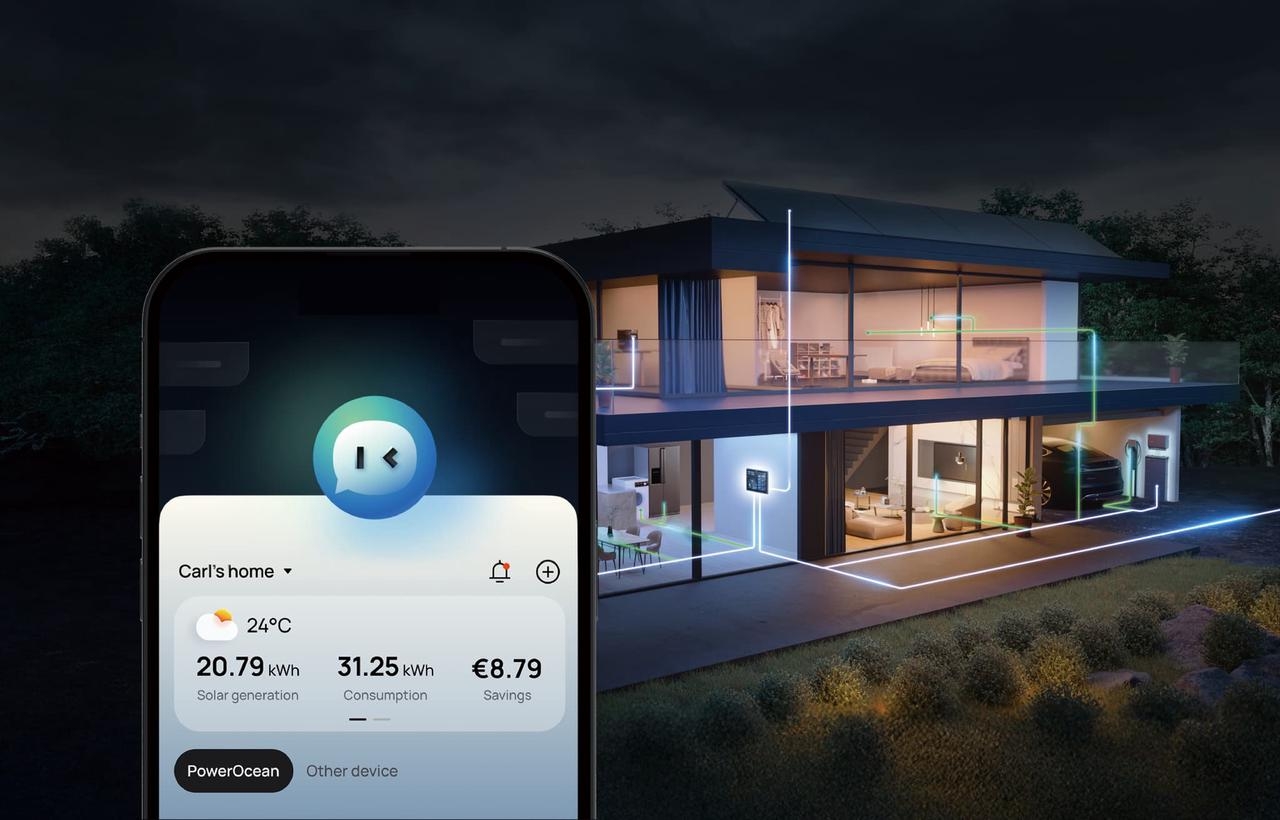
Intelligent systems such as EcoFlow Intelligent HEMS track the energy generated and consumed. It assists in controlling the usage and enhancing the overall efficiency of the system.
Backup and Flexibility
The grid acts as a backup source when solar and battery power are not enough. It also allows extra energy to be exported when production exceeds demand.
Benefits of Hybrid Solar Systems for Homes and Businesses
Hybrid inverter solar systems offer a lot of advantages that make them useful for businesses and homes:
Reliable Power Supply: They offer a reliable power supply by providing electricity even during power outages.
Low Electricity Bills: They also assist in saving on electricity bills by utilizing solar energy rather than the grid.
Use of Stored Energy: Extra solar power is saved in batteries and used later when needed.
Simple Energy Monitoring: They allow easy control and monitoring of energy use in smart homes and offices.
Eco-Friendly System: They reduce pollution by using clean solar energy.
Conclusion
Ultimately, learning about the hybrid solar inverters will enable Australians to make wiser decisions regarding the use of power in homes. Understanding how they work makes panels and energy bills feel less confusing. The families can design systems according to their financial potential. EcoFlow helps in storing energy and dealing with power cuts by offering eco-friendly products.
FAQs
Is it worth getting a hybrid inverter?
It is worth it, since a hybrid inverter will enable you to use solar power and a battery along with the grid. It assists in lowering power bills and gives reserve power in times of outage.
Which is better, a hybrid or an off-grid inverter?
A hybrid inverter is usually better for most homes because it works with both the grid and batteries. An off-grid inverter is only suitable for areas without electricity access.
What is the lifespan of a hybrid inverter?
A hybrid inverter typically lasts around 10 to 15 years. High-quality systems may last even longer with proper care.
Is 10kw solar enough to run a house?
A 10kW solar system is usually enough to power an average-sized home in Australia. Its real use is based on the use of electricity and battery storage. Adding the EcoFlow home battery helps you store extra power to use at night and keeps your lights on even during a blackout.
What should you not plug into an inverter?
High-power or sensitive devices, including large air conditioners and heaters, should not be plugged in. Excessive loading of the inverter may decrease its effectiveness and life.