Home Solar Array Explained: What It Is, How It Works, and How It Fits Into a Complete Solar System
Australia has some of the world's best solar conditions. That's why more households are adding solar systems to cut power bills and gain more control over energy use. But many people still ask the same question: what exactly is a home solar array? A solar array is the main power-generating part of a solar setup. It captures sunlight and converts it into electricity that your home can use every day. When combined with battery and smart energy management tools, it becomes part of a complete home energy system.
What is a solar array?
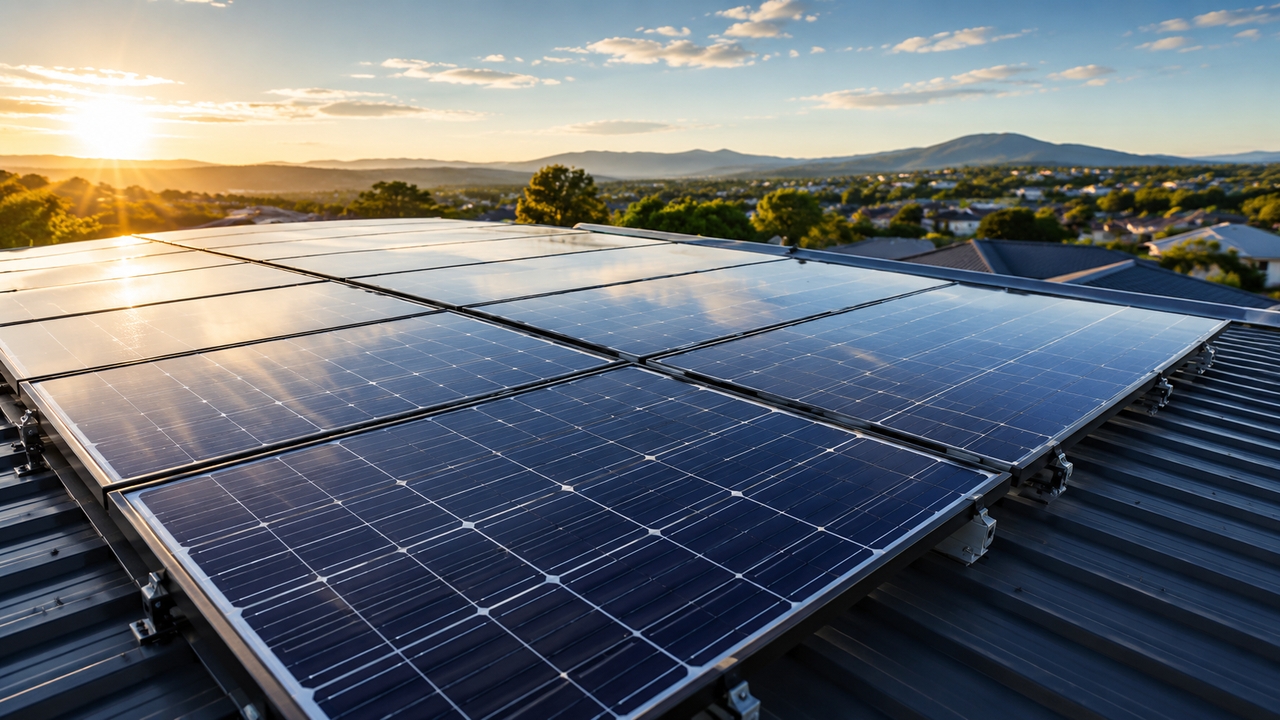
A solar array is simply a group of solar panels linked together. It works as a complete system to capture sunlight and turn it into usable electricity for your home. Each panel contains photovoltaic (PV) cells. These cells absorb sunlight and produce direct current (DC) electricity. The panels connect through wiring to form a single, stronger power source. This allows them to work together efficiently and send power to your inverter.
The size of a solar array depends on your energy needs, available roof space, and budget. Homes with smaller roofs may only need a 3kW solar array to support basic daytime electricity use. In Australia, however, most residential systems range between 6.6kW and 13kW to handle larger household energy demands.
A typical residential solar array also includes an inverter, safety components, and sometimes battery storage for storing excess solar energy.
How does a solar array work?
A solar array converts sunlight into usable electricity through several simple steps. Each part of the system works together to power your home efficiently throughout the day.
Sunlight absorption
Solar panels contain photovoltaic cells, usually made from silicon. When sunlight hits these cells, it knocks electrons loose, creating an electrical charge.
Electricity generation
When sunlight strikes the PV cells, they generate direct current (DC) electricity. The more sunlight available, the more energy the solar array can generate.
Inversion
Homes run on alternating current (AC) electricity, so the system sends DC power through a solar inverter. The inverter converts it into usable AC electricity for appliances and lighting.
Distribution and storage
The converted electricity flows to your switchboard, powering your home. Any surplus goes back to the grid or into a battery for later use. What happens to the excess energy generated during peak midday sun? Traditional setups export it back to the main power grid for a small credit. Pairing your solar array for home use with a dedicated battery system lets you store that valuable surplus energy instead of wasting it.
For example, the EcoFlow OCEAN 2 Plus Single-phase battery is a smart choice. It offers whole-home backup with 0 ms seamless switchover during blackouts, so your power stays uninterrupted. Each 5kWh LFP battery pack is expandable, supports up to 60kWh with one inverter, and comes with a 15-year warranty.
This setup lets you use your daytime solar production at night or during outages, giving you real energy independence.

Types of solar arrays for home use
Different homes need different solar setups. The right solar array depends on roof space, land availability, budget, and energy goals.
Rooftop solar arrays
The most common option in Australia is rooftop solar arrays. Panels are attached directly to the roof using racking systems. They are a good choice for homes with limited yard space and plenty of sun. Rooftop systems are generally less expensive because they use existing structures.
Ground-mounted arrays
Ground-mounted arrays are mounted on frames positioned on open land. They work well on larger properties or homes with shaded or otherwise unsuitable roofs. They can be tilted to catch more sun, and are generally easier to access for cleaning and maintenance.
Fixed vs. solar array tracking systems
Most residential systems are fixed in one permanent position, usually facing north or west to optimize the daily sun. A solar array tracking system uses automated motors to tilt the panels throughout the day. This arrangement follows the sun's path from east to west, at the expense of increased initial complexity to generate maximum energy.
Building-Integrated Arrays (BIPV)
Building-Integrated Photovoltaics (BIPV) combine solar technology directly into building materials. Examples include solar roof tiles, solar facades, and solar glass. These systems offer a cleaner visual appearance and blend into modern home designs. However, they typically cost more than traditional solar panel installations.
Benefits of installing a residential solar array
nvesting in a home solar system brings several clear advantages to Australian property owners, especially in the current economic landscape.
Reduced electricity bills: Generating your own power reduces reliance on energy retailers and can significantly reduce annual electricity bills for many Australian households. Adding an intelligent storage battery may further increase these savings.
Protection against rising energy prices: Electricity costs have increased steadily in many Australian states. Generating and storing your own solar energy helps reduce exposure to future price hikes and changing energy tariffs.
Increased energy independence: Relying less on the main grid means you are less vulnerable to wholesale electricity spikes and unexpected infrastructure outages.
Improved property value: Solar-ready homes are highly attractive to buyers. Independent market data shows that panel-topped homes in Australia sell for between 1.6% and 6.9% more on average than homes without solar.
Lower carbon emissions: Generating clean, renewable energy on your roof directly reduces your household's reliance on fossil-fuel power generation, shrinking your environmental footprint.
How to install a solar array
Installing a solar array involves structural building work and high-voltage electrical wiring. The entire process requires qualified, Clean Energy Council (CEC) accredited professionals to ensure safety and system performance.
Assess the installation site
Experts check your roof's direction, angle, and shading. They also inspect its strength and measure available space. North-facing roofs usually give the best results in Australia.
Design the solar array layout
The installer maps out how many panels fit, how they'll be wired, and where the inverter will go. They'll also factor in local council requirements and network distributor rules.
Mount the racking system
Mounting rails and brackets are attached securely to the roof or ground structure. Proper installation is important for handling strong winds, storms, and changing Australian weather conditions.
Install solar panels and wiring
The panels are placed onto the racks and wired together. All connections are made safely to carry the electricity to your inverter.
Connect the system & perform final inspection
The system is linked to your home and the grid. A final check and electrical inspection ensure everything is safe and meets Australian standards.
Solar array maintenance tips
Looking after your home solar array is straightforward and helps it perform at its best for years. Here are some simple tips:
Keep panels clean and free from debris
Dust, bird droppings, and leaves block sunlight. Hose down your panels occasionally or hire a professional cleaner if moss builds up.
Schedule periodic inspections
Professional inspections can identify loose wiring, damaged panels, or worn components before they become larger problems. Many installers recommend inspections every few years.
Monitor energy production regularly
Tracking system performance helps detect sudden drops in energy generation early. Changes in output may point to shading, inverter faults, or panel damage.
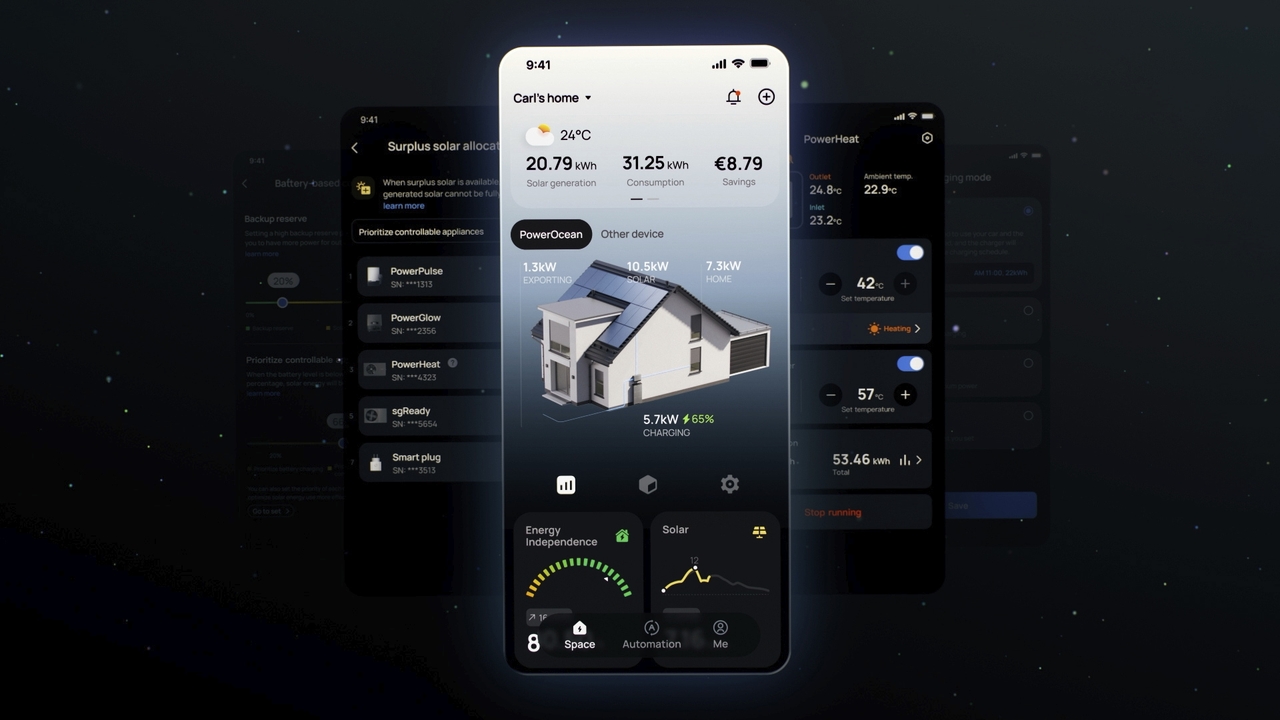
The EcoFlow Intelligent HEMS makes this easy with real-time tracking of both solar generation and household consumption straight from your phone. It uses smart AI forecasts with up to 90% accuracy and helps you catch performance issues before they show up on your bill.
Check for shading changes over time
Trees can grow and nearby structures may create new shadows over the years. Even partial shading on one panel can reduce the performance of the entire solar power array.
Inspect the inverter and battery performance
The inverter and battery handle key system functions. Regularly checking their performance helps ensure stable power conversion, battery charging, and backup operation during outages.
Understand warranty and servicing requirements
Most solar panels include warranties lasting 20 to 25 years. However, inverters and batteries may have shorter coverage periods, so it is important to understand servicing requirements and warranty conditions after installation.
Conclusion
A home solar array is a smart way to generate clean power, lower your bills, and gain more energy independence. From understanding what it is to proper installation and simple maintenance, it's a solid investment for Australian homes. The future of residential solar systems looks bright, with higher efficiency panels and better integration with smart batteries and home energy systems. EcoFlow offers intelligent solutions like the OCEAN 2 Plus Single-phase battery and Intelligent HEMS to create a complete, seamless home energy setup. Ready to take the next step? Try a solar array calculator to see what size system suits your home, or speak with EcoFlow team today to design your tailored energy solution.
FAQs
What is the difference between a solar panel and a solar array?
A solar panel is an individual module that captures sunlight. A solar array is the complete system formed by linking multiple solar panels together on your property to generate larger amounts of electricity.
How many solar panels do I need for a home solar array in Australia?
The number depends on your electricity usage and panel wattage. A typical 6.6kW Australian system usually needs around 15 to 20 solar panels, although larger homes with higher energy demand may require more.
Will my solar array still work during a blackout?
Standard grid-tied solar systems automatically switch off during outages to protect utility workers. To keep your appliances running during a blackout, you must pair your array with a specialized backup battery like the EcoFlow OCEAN 2 Plus Single-phase.
What size solar array do I need to reduce my electricity bill significantly?
A 6.6 kW to 10 kW system suits most Australian homes. If you run a pool, EV, or ducted air conditioning, go larger. A solar array calculator gives a quick starting estimate based on your location and usage.
How long does a home solar array last?
Quality solar arrays last 25 to 30 years. Inverters typically need replacing after 10–15 years. With routine maintenance and proper monitoring, the overall system can keep generating power for 30 years or more.