Energy Efficient AC Systems: How to Choose the Best for Your Home
Electricity bills in Australia have been climbing for years. And if you run an air conditioner regularly — which most Aussie households do — it's one of the biggest reasons your bill keeps going up.
Air conditioning accounts for a significant chunk of home energy use in Australia. In some households, it makes up nearly 40% of the electricity bill during summer. That's a lot of money going out the door, especially when summers keep getting hotter.
The good news? Choosing the right energy efficient AC system makes a real difference. Not just to your wallet — but to your carbon footprint too.
In this guide, we'll walk through what energy efficiency actually means for AC units, which types work best in Australian homes, what to look for when buying, and how to get the most out of your system every single day.
What is an energy efficient air conditioning system?
Air conditioning is essential in Australia — but it's also one of the biggest drains on your electricity bill. Knowing how to choose wisely makes all the difference.
An energy efficient AC system is one that cools or heats your home using as little electricity as possible — without sacrificing comfort. Instead of running at full blast and switching off repeatedly, an efficient system regulates its output to match what the room actually needs.
Efficiency is a big deal in Australia because cooling often accounts for nearly half of a home's energy use during summer. With frequent heatwaves and rising electricity prices, high aircon energy efficiency isn't just a luxury. It is a necessity for keeping household costs under control while staying comfortable.
Energy-efficient AC types for every Australian household
Not all systems are built the same. Some energy saving AC units work better in small apartments, while others are perfect for large family homes. Finding the right match is the best way to get a truly energy efficient aircon.
Here's a breakdown of the main types and where they shine.
Reverse cycle air conditioners
Reverse cycle air conditioners are the most popular choice in Australia — and for good reason. They can both heat and cool, making them useful year-round. More importantly, they're far more energy efficient than standard electric heaters. Instead of generating heat directly, they move heat from outside to inside (or vice versa), which uses much less energy for the same result. If you're after a single system that handles all seasons efficiently, this is usually your best bet.
Split system air conditioners
A split system air conditioner unit consists of an indoor unit and an outdoor compressor. They're ideal for cooling or heating individual rooms or open-plan areas. Because you're only conditioning one space at a time, you avoid wasting energy on rooms that nobody's using. For apartments or smaller homes, an energy efficient split system is often the smartest choice. Modern models come with excellent star ratings and inverter technology as standard.
Ducted systems with zoning
Ducted systems push conditioned air through vents to multiple rooms at once. On their own, they can be energy-hungry — because they treat the whole house as one space. But add zoning, and the story changes completely. Zoning lets you control which rooms get airflow and which don't. So if you're only using the bedroom and kitchen, you're not paying to cool the spare rooms and the garage. Ducted systems with good zoning are one of the most energy-saving AC unit setups for larger homes.
Inverter air conditioning systems
Inverter technology is the single biggest upgrade you can make for aircon energy efficiency. Instead of running at full speed and then switching off, an inverter compressor adjusts its speed continuously to maintain the exact temperature you've set. Less start-stop cycling means less power consumed. It also means the temperature stays more consistent, so you're not constantly fiddling with the thermostat. Most modern energy efficient air conditioner units now come with inverter technology built in — but it's always worth double-checking before you buy.
Key considerations when choosing an energy efficient AC
Picking the most energy efficient air conditioner isn't just about grabbing the one with the most stars. A few other factors matter just as much.
Correct system size
Size is the most important factor for efficiency. An undersized unit will run constantly without ever cooling the room. An oversized system will turn on and off too often, which eats up power.
Professionals look at your room size, ceiling height, and insulation levels. This helps them find an energy efficient AC unit with the perfect capacity for your space.
Energy star rating
Australia uses the Zoned Energy Rating Label (ZERL) system for air conditioners. The more stars, the more efficient the unit is. These labels show estimated annual energy consumption and break it down across three climate zones — hot, average, and cold — so you can see how the unit will actually perform where you live. Always check the rating relevant to your region, not just the overall number.
Inverter technology
Inverter models adjust compressor speed instead of switching on and off constantly. This smooth operation improves energy efficiency and keeps temperatures steady. Your home feels more comfortable, and your energy efficient air conditioning system uses less power overall.
Climate suitability
Australia's climate varies enormously. Darwin sits in the tropics. Hobart can have freezing winters. Brisbane rarely drops below 10°C. Sydney gets both extremes.
The system you choose should be rated for your local conditions. A reverse cycle split system works well almost everywhere. But in extremely hot regions, you want a unit specifically rated for high ambient temperatures — not all systems cope well above 43°C.
Installation and placement
Even the most energy efficient aircon won't perform well if it's installed poorly or positioned in the wrong spot. The indoor unit should be placed where air can circulate freely across the room. The outdoor unit needs good airflow around it and shouldn't be in direct sunlight all day if possible. A poorly installed system can use significantly more energy than a well-installed one, so don't cut corners on the installer.
How to maximise energy savings on your AC bills
Choose a high-efficiency air conditioner
Start with the right unit. Look for inverter technology, a high star rating on the ZERL label for your climate zone, and the correct capacity for your space. A genuinely energy efficient air conditioner unit will save you money every single day it runs — so the upfront investment pays off faster than you'd think.
Set the right temperature
Every degree matters. In summer, set your cooling to around 24–26°C instead of blasting it down to 18°C. In winter, aim for 18–20°C rather than cranking the heat. Each degree you shift away from the natural outside temperature forces the system to work harder. A small adjustment can make a noticeable difference on your bill by the end of the month.
Improve home insulation and sealing
An energy efficient AC system working in a poorly insulated house is like running a bath with the plug out. Seal gaps around doors and windows. Make sure your ceiling insulation is up to scratch. Close blinds or curtains during the hottest part of the day in summer to block heat from the sun. These steps reduce the load on your aircon — meaning it runs less and uses less power.
Manage electricity use with solar power
One of the smartest ways to run your energy efficient air conditioner without bill shock is to pair it with solar and battery storage.
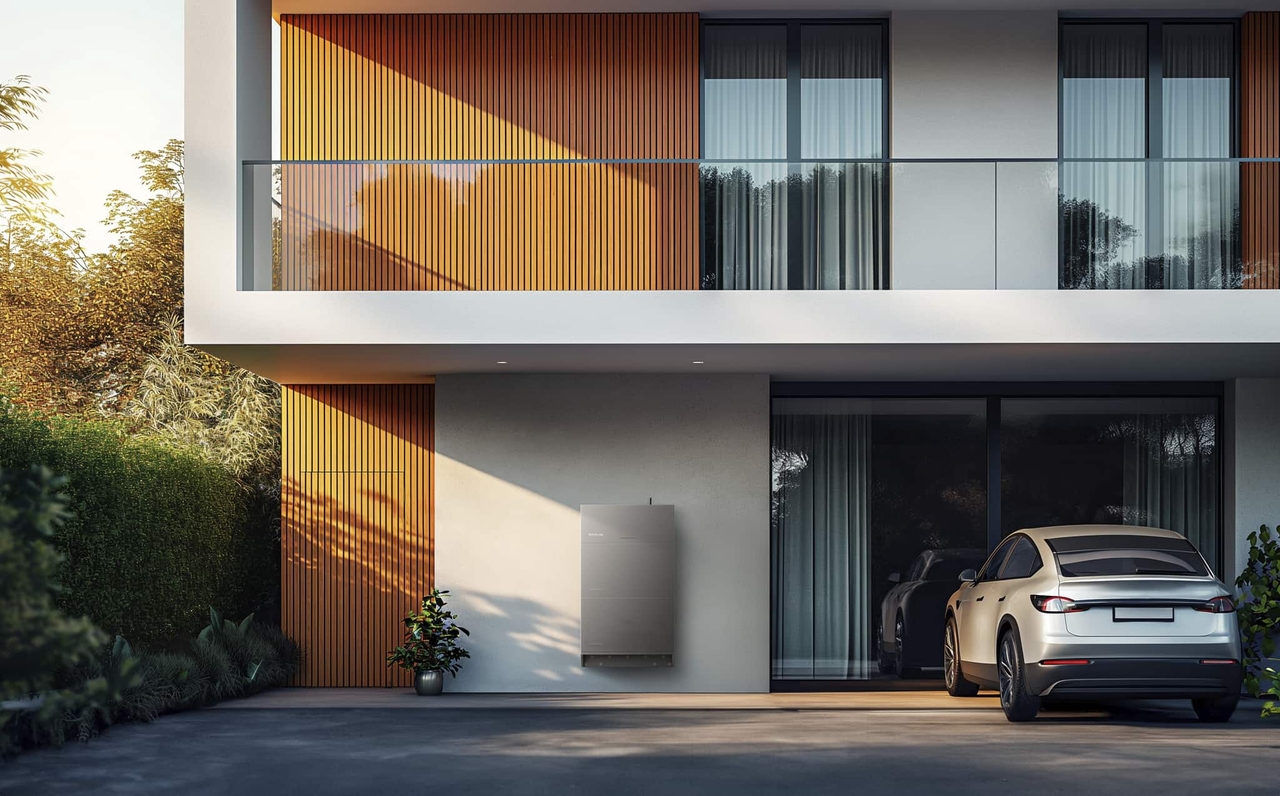
For instance, using the EcoFlow PowerOcean Single-phase Battery stores excess energy from your panels. Instead of sending power back to the grid for a small tariff, you bank it. You can then use that stored energy to run your aircon all night. The system is flexible and grows with your needs. You can expand it from 5kWh to 15kWh in one inverter. This helps you stay cool without touching the grid at all.
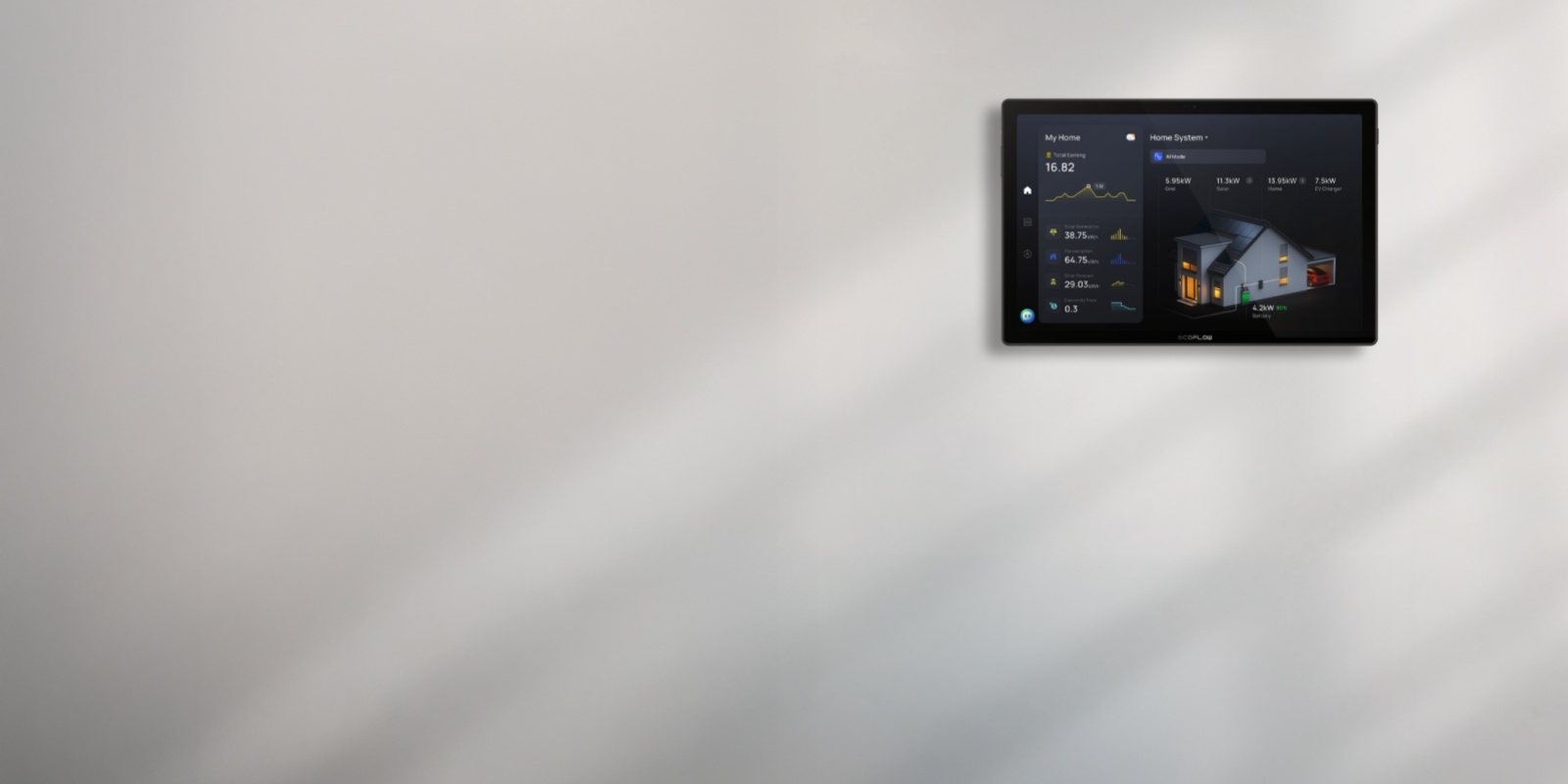
The EcoFlow PowerInsight 2 acts as the command centre for your whole energy setup. It features a 10-inch touch display that shows your real-time energy flow — solar generation, battery charge level, and home consumption. Better still, you can use it to automate your AC. Set it to switch on when the battery hits a certain level, or when solar generation is high, and electricity rates are low. Smart control means you're always using energy at the right time.
Ready to slash your AC bills even further? Pair your energy efficient AC with the EcoFlow solar battery. Store daytime solar and run your air conditioner all night off-grid. Get your personalised solar battery quote today!
Schedule Your Free Consultation Today!
What kind of product or solution are you interested in?
Tips for maintaining your air conditioner
A well-kept unit is a power-efficient air conditioner. If you don't look after it, the system has to work twice as hard. Follow these simple tips to keep your AC in top shape.
Clean or replace filters regularly: Most manufacturers recommend checking filters every 4–6 weeks during heavy use. A dirty filter is one of the most common causes of reduced efficiency.
Clean the coils and vents: Dust builds up on the evaporator and condenser coils over time. This creates an insulating layer that reduces heat transfer, making the system less efficient. A professional service, once a year, handles this well.
Check thermostat settings: Make sure your thermostat is calibrated correctly. A thermostat that reads the temperature inaccurately can cause the system to run longer than needed.
Keep the outdoor unit clear: The condenser needs to breathe. Make sure there's at least half a metre of clear space around the outdoor unit. Trim any plants growing near it and hose it down occasionally to remove dust and debris.
Clean the drain line: The drain line removes condensation from the unit. If it gets blocked, you can end up with water damage, mould, and a system that runs poorly. Check and flush it periodically.
Conclusion
Energy efficient AC systems are one of the simplest ways to reduce home cooling costs. They use less power while still keeping your home comfortable during hot Australian summers.
Choosing the right size, proper installation, and a high energy rating all matter. These factors ensure your energy efficient air conditioning system runs smoothly and avoids wasted electricity.
From there, combining an energy saving AC unit with good insulation, smart temperature habits, and a home solar power system takes things to the next level. You stop paying peak electricity rates for comfort — and start running your home on the clean energy you've already generated.
FAQs
1. How do I read the Zoned Energy Rating Label (ZERL) in Australia?
The ZERL replaced the old energy rating sticker for air conditioners in April 2020. It shows a star rating out of 10 for both heating and cooling efficiency. More importantly, it displays estimated annual energy consumption across three Australian climate zones — hot, average, and cold. Find your climate zone on the label and use that figure to compare units. The lower the energy consumption figure for your zone, the cheaper it'll be to run.
2. What type of AC is most energy-efficient?
A high-star-rated reverse-cycle inverter split system is generally the most efficient choice. These units move heat rather than creating it and use smart motors to adjust speed. This avoids the massive power spikes that come with older, fixed-speed systems starting up.
3. What is the 3-minute rule for air conditioning?
The 3-minute rule refers to waiting at least 3 minutes before restarting your air conditioner after switching it off. Turning it back on immediately can put excessive pressure on the compressor, causing wear and potential damage. Most modern systems have built-in protections for this, but it's still a good habit.
4. How much does it cost to run an air conditioner?
The cost of running a system depends on its size, efficiency rating, electricity rate, and how long you run it each day. A typical 3.5kW reverse cycle split system might cost between $0.25 and $0.50 per hour to run at normal electricity rates. An energy efficient air conditioner unit with a high ZERL rating will sit toward the lower end of that range. Pairing with solar can reduce the real cost significantly closer to zero during daylight hours. Adding a solar battery (such as the EcoFlow home battery) allows you to store excess solar energy during the day to power your AC throughout the night.
5. Is it cheaper to run your AC all day or turn it off and on?
It is usually cheaper to turn it off when you're out for hours. While the startup uses a small burst of power, it's far less than running the unit all day. For shorter trips, leaving an inverter AC on a higher temperature setting is more efficient