Reverse Cycle Air Conditioner in Australia: Efficiency, Running Costs, and Energy Saving Tips
If you live in Australia, you know the weather can be all over the place. One day it’s 40°C and you’re melting, the next you’re grabbing a jacket. That’s why reverse cycle air conditioners have become so popular, they can both cool and heat your home in one system.
In this guide, we’ll keep things simple: how they work, why they’re energy-efficient, and most importantly, how much they cost to run. We’ll also show you how smart tech can help you keep your power bills under control.
What Is a Reverse Cycle Air Conditioner?
Before we get into costs, let’s keep it simple. It’s basically an all-in-one system built for Australia’s unpredictable weather.
1. How Reverse Cycle Technology Works
Instead of making heat like a heater does (think toaster or gas heater), a reverse cycle system simply moves heat from one place to another. It pulls heat from the air outside even when it feels cold, and brings it inside to warm your home. In summer, it does the opposite: it takes the heat out of your house and pushes it outside, keeping things cool indoors.
2. Why Reverse Cycle Systems Are Popular in Australia
Aussies love them because they save space and money. Instead of installing a separate gas heater for winter and an air con for summer, you have one efficient unit. Plus, they filter the air, removing dust and allergens, which is a win for those “hay fever” days.
How Efficient Is a Reverse Cycle Air Conditioner?
Efficiency is the core advantage of reverse cycle air conditioner. Compared to older heating methods, reverse cycle systems are world-class.
1. Energy Efficiency Explained (From COP to TCSPF)
You’ll often hear the “old-school sparkies” talk about COP (Coefficient of Performance) for heating and EER (Energy Efficiency Ratio) for cooling. These simply measure how much heat or cool air you get for every kilowatt of power you put in. For example, a COP of 4 means you get 4kW of heat for every 1kW of electricity used.
But here’s the 2026 Pro Tip: When you’re browsing the aisles at Harvey Norman or The Good Guys, don’t just count the stars—look for two key numbers on the Zoned Energy Rating Label (ZERL): TCSPF for cooling and HSPF for heating.
TCSPF (Total Cooling Seasonal Performance Factor): This measures how efficiently the unit cools your home over an entire summer. A high-efficiency unit with a TCSPF of 7.0 can save you nearly 30% more on your cooling bills compared to a standard 5.0 rated unit.
HSPF (Heating Seasonal Performance Factor): Since this is a reverse cycle system, heating is just as important. In 2026, look for an HSPF of 5.0 or higher to ensure your winter heating doesn’t break the bank."
2. Reverse Cycle vs Other Heating Systems
Compared to portable electric heaters, reverse cycle systems are 3 to 6 times more efficient. Gas heating used to be the cheaper option in Australia, but with gas prices rising, reverse cycle systems are now often the more cost-effective choice. Here’s a quick comparison to make things clearer:
| System | Efficiency | Running Cost | Best For |
|---|---|---|---|
| Reverse Cycle AC | High | Low | All seasons |
| Electric Heater | Low | High | Small rooms |
| Gas Heating | Medium | Medium–High | Cold climates |
3. Why Reverse Cycle Is Considered One of the Most Efficient Options
Because it moves heat instead of creating it, it uses much less energy. You can think of it as taking heat from the air around you, which is why it’s such an efficient way to keep your home comfortable.
Reverse Cycle Air Conditioner vs Split System: Are They the Same?
This is where things can get a bit confusing at the local hardware store or when chatting with a sparky.
1. What Is a Split System Air Conditioner?
A “Split System” refers to the physical design of the unit. It is split into two parts: an indoor unit on your wall and a compressor unit outside.
2. Is a Reverse Cycle the Same as a Split System?
Not necessarily, but usually. Most modern split systems sold in Australia are reverse cycle, meaning they do both heating and cooling. However, you can technically get “cooling only” split systems (though they are becoming rare).
3. Key Differences Between Reverse Cycle and Split System
Split System: Refers to the hardware layout (Indoor + Outdoor).
Reverse Cycle: Refers to the capability (Cooling + Heating).
4. Which One Is Better for Australian Homes?
For most Aussie households, a reverse cycle split system is the gold standard. It’s quiet, easy to install, and covers you for all four seasons.
How Much Does a Reverse Cycle Air Conditioner Cost to Run in Australia?
Even though these systems are efficient, running them all day during a scorching January can still leave you with a nasty surprise when the bill arrives.
1. Average Running Cost Per Hour
On average, a medium-sized reverse cycle system (approx. 5kW–7kW) costs between $0.25 and $0.95 per hour to run, depending on your local electricity tariff.
2. Monthly and Seasonal Cost Estimates
During a standard Aussie winter or summer, you might find yourself adding $150 to $400 per quarter to your electricity bill if you’re using the AC heavily.
Example Cost Calculation (Real Aussie Scenario)
To estimate your running cost more accurately, use this formula:
Running Cost ($) = Input Power (kW) × Hours Used × Electricity Rate ($/kWh)
Example:
AC Input Power: 1.5 kW
Daily Usage: 6 hours
Electricity Rate: $0.30/kWh
Daily Cost: 1.5 × 6 × 0.30 = $2.70 per day
Monthly Cost: $2.70 × 30 = $81/month
3. Is Reverse Cycle Air Conditioning Expensive to Run?
Not compared to other options, but the cost is rising. As electricity prices climb across the states, even efficient units add up.
4. Factors That Affect Running Costs
The size of your room, your insulation, and even how often you open the back door can change your costs. But the biggest factor is when you use it. In many Australian states, electricity prices vary throughout the day (Time-of-Use tariffs). Running your reverse cycle AC during solar generation hours (typically 10 AM–4 PM) can significantly reduce costs compared to peak evening usage.
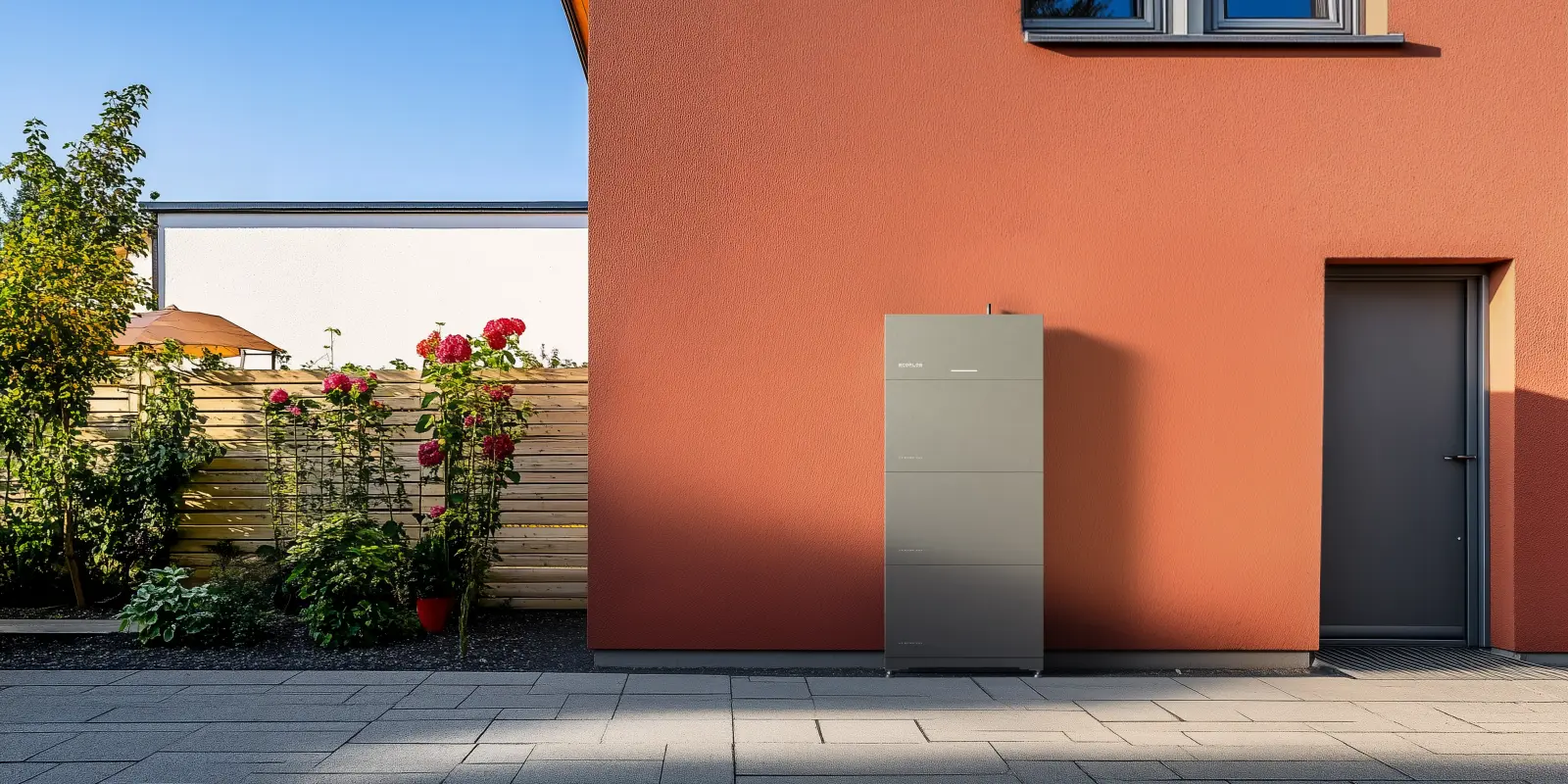
Here’s the real problem: most Aussie households generate solar power during the day, but your biggest AC usage happens at night. That’s wasted potential. To truly bridge the gap between daytime solar generation and nighttime AC usage, many Aussie homes are now turning to solar batteries as part of smart storage solutions.
Systems like the EcoFlow PowerOcean(Single-Phase) allow you to capture that ‘free’ midday sun and use it to run your reverse cycle unit at 8 PM when peak rates hit.
How Much Can You Actually Save?
If your air conditioner costs around $80–$120/month during peak seasons, storing solar energy with a home battery could offset up to 70–90% of that cost—especially for night-time usage.
7 Tips to Reduce Reverse Cycle Air Conditioner Running Costs
Efficiency is built into the tech, but how you use it makes the real difference. Here’s how to squeeze every bit of value out of your unit without letting your power bill spiral out of control.
1. Set the Optimal Temperature
Aim for 24°C in summer and 20°C in winter. In the Aussie climate, every degree you drop in summer (or raise in winter) can add roughly 10% to your running costs. Finding this “sweet spot” keeps you comfortable without the bill shock.
2. Use the Timer and Smart Controls
Don’t leave the AC running while you’re down at the beach. Use built-in timers or smartphone apps to kick the system in 15–30 minutes before you get home from work or the surf. This ensures a comfy house without wasting energy on an empty room.
3. Improve Home Insulation
Close curtains and blinds during the day to block the harsh sun, and use “snake” draught stoppers under doors. Better insulation means your reverse cycle unit doesn’t have to work nearly as hard to maintain the temperature.
4. Clean Air Filters Regularly
When dust builds up, the motor works overtime to suck air through the mesh. Give your filters a quick vacuum or rinse every few weeks during peak seasons to save electricity and keep your indoor air fresh.
5. Choose the Right System Size
When it comes to air conditioners, size really matters. If the unit is too small for a big open space, it’ll have to run flat out all the time, which means higher power bills and more wear and tear. That’s why it’s important to choose a system that matches the size of your room.
6. Use Ceiling Fans Together With AC
Fans and AC work really well together in summer. A fan helps you feel cooler, so even if your AC is set to 26°C, it can feel closer to 24°C. That means you can set the AC a bit higher and still stay comfortable, while using less electricity.
7. Master the "Dry Mode" for Humid Days
If you live in coastal Queensland (QLD) or New South Wales (NSW), you know it’s often the humidity that makes you miserable. While Dry Mode (the water drop icon) is a game-changer for comfort because it strips moisture from the air without over-chilling the room, it isn’t always the cheapest way to run your AC.
In extreme heat, your unit’s Eco Mode or simply bumping the temperature up to 25°C or 26°C is often more energy-efficient than Dry Mode. This allows the modern inverter to ‘cruise’ at its lowest power consumption once the target temperature is reached.
How to Choose an Energy-Efficient Reverse Cycle Air Conditioner
When shopping at Harvey Norman or The Good Guys, don’t just look at the price tag, look at the long-term savings.
1. Check Energy Star Ratings
The more stars, the better. In Australia, we use the Zoned Energy Rating Label (ZERL), which tells you how the unit performs in hot, average, and cold climates.
2. Consider Inverter Technology
Inverter models can vary their speed rather than just being “on” or “off.” This is much smoother and far cheaper to run.
3. Visualise Your Savings
Picking a good AC is only half the equation — the real savings come from how and when you use it. The key to long-term savings is visibility. Using an energy management dashboard, such as the EcoFlow PowerInsight 2, lets you see the real-time impact of your AC settings—helping you confirm that switching to ‘Dry Mode’ or nudging the temp up by 1°C is actually working.
.png)
Conclusion
If you want to keep your energy bills down in 2026, it really comes down to two things: an efficient reverse cycle air conditioner and using your energy more wisely. With electricity prices rising across Australia, when and how you run your AC can make a big difference, and adopting a complete Home Energy Ecosystem is the most effective way to ensure your heating and cooling are powered by sustainable, low-cost energy.
Schedule Your Free Consultation Today!
What kind of product or solution are you interested in?
FAQs
1. Is reverse cycle air conditioning cheaper than gas heating?
Yes, in most cases it is. Modern reverse cycle systems are significantly more efficient than gas heaters, and with the rising cost of gas in Australia, electricity-based heating is generally the cheaper long-term option.
2. Do reverse cycle air conditioners work in very cold weather?
Yes, they do. Most modern units are designed to operate effectively even when outside temperatures drop below zero, though their efficiency may slightly decrease in extreme frost.
3. What temperature should I set in winter and summer?
Aim for 24°C in summer and 20°C in winter. These settings provide the best balance between personal comfort and energy efficiency.
4. How long do reverse cycle air conditioners last?
Typically between 10 to 15 years. With regular maintenance and filter cleaning, many high-quality units can last even longer.
5. Is reverse cycle air conditioning expensive to run?
No, it is actually the most cost-effective form of refrigerated cooling and heating. While it does use electricity, its ability to move heat rather than create it makes it much cheaper than portable electric heaters or older cooling systems.