Essential Energy Outages: How to Prepare Your Home for Power Cuts
To check an Essential Energy outage, head to the online outage map, enter your address or postcode, and check the latest outage information and any available estimated restoration time for your area. When the power does go out, unplug sensitive electronics to reduce the risk of damage from voltage fluctuations when power is restored, stay well clear of any fallen lines, and report electrical hazards such as fallen powerlines to Essential Energy on 13 20 80. If there is an immediate risk to life, call 000. This guide runs through why outages happen, how to track restoration on the map, a few things you can do to get your household ready before the power fails, and the safety basics to keep in mind once you’re in the dark.
Key Takeaways
• Check outage information quickly: Search your postcode on Essential Energy's online outage map to check the latest available outage information, including the outage status and estimated restoration time where available.
• Keep essential loads monitored: Tracking your baseline electricity use with a smart display like the EcoFlow PowerInsight 2 can help you understand which appliances and loads are most important to keep running during an outage.
• Plan for multi-day resilience: Rural faults can take time to fix. A dedicated home battery can help keep selected essential loads, such as refrigeration, water pumps and essential medical equipment, powered during an outage, depending on the system design and available capacity.
• Keep at least 8 metres away: Always treat fallen powerlines as live and stay at least 8 metres away. Avoid touching or approaching objects that may be in contact with a fallen line.
• Food safety matters: A closed fridge should keep food cold for around 4 hours. Keep the freezer door closed as much as possible; the NSW Food Authority advises that a freezer will generally remain safe for at least 24 hours if the door stays shut.

What Causes Essential Energy Outages?
Essential Energy outages can be planned or unplanned, with causes including maintenance work, severe weather, bushfires, equipment faults and damage to power infrastructure.
Planned and Unplanned Power Outages
Essential Energy carries out regular maintenance and vegetation management to maintain and upgrade its electricity network while reducing risks around powerlines. When a local circuit needs to come offline for this work, affected customers are notified in advance, with Essential Energy providing planned outage notifications through its notification channels. Before scheduled work, reviewing your smart meter data can help you understand typical household electricity use when planning for backup power.
Unplanned outages are different: they can occur without warning. A vehicle hitting a pole, lightning affecting network equipment, or an animal coming into contact with overhead lines can cause faults and trigger protective systems, helping limit further damage.
Weather and Storm-Related Outages
Severe weather can contribute to extended blackouts across regional and rural NSW. Severe storms can bring damaging winds, heavy rain and lightning, which may damage vegetation and overhead power lines and disrupt electricity supplies. Essential Energy has reported widespread outages across NSW following storms involving high winds, heavy rain, lightning and vegetation impacts.

How Can You Check an Essential Energy Outage?
The Essential Energy outage map provides current information about power cuts in your area, including available updates on outage status and estimated restoration times.
Open the Essential Energy Outage Map
Head straight to Essential Energy’s official outage map on your mobile browser. The map provides information on current outages as well as planned interruptions across Essential Energy’s network.
Search Your Address or Location
Enter your address or postcode into the search function to locate your area. If your location doesn’t show up straight away, zoom in on the relevant area of the map to find your local outage information.
Check Outage Status and Restoration Updates
Clicking on the map pin near your property opens an outage summary card. Depending on the outage, the information available may include:
• Outage Cause: shows the reported cause of the outage where available, such as planned maintenance, weather-related damage or an issue under investigation.
• Customers Affected: where available, indicates how many customers are affected by the outage.
• Estimated Time of Restoration (ETR): provides an estimated restoration time where available. During storms or major events, the estimate may change or remain unknown while crews make sites safe, assess damage and identify faults.
How Can You Prepare for an Essential Energy Outage?
Preparing a few basics in advance can make a power outage easier to manage, especially if you live in a regional or rural area where some faults may take longer to repair. If you are considering solar battery storage for longer-term backup, identify which essential circuits you want it to support.
Prepare Emergency Lighting and Batteries
Fumbling through the linen press in pitch darkness is a recipe for a twisted ankle or worse. Keep a dedicated emergency kit in an easy-to-reach cupboard, stocked with LED torches, headlamps, spare batteries and a battery-powered radio so you can receive local news and emergency updates during a blackout. Open flames from candles are a genuine fire risk if left unattended, particularly around draughty windows in windy weather, so it’s best to stick with battery lighting.
Keep Essential Devices Charged
Your smartphone can be an important way to check outage information, contact family members and receive emergency alerts during an outage. So when severe storm or bushfire warnings hit your district, charge essential phones, tablets and portable power banks as soon as practical.If someone in your household relies on powered medical or life-support equipment, Essential Energy advises customers to register their premises where eligible and maintain a backup plan. It also recommends discussing battery backup and alternative charging options with a healthcare provider or equipment supplier. If your home already uses a Home Energy Ecosystem, check the battery charge and relevant device settings before severe weather arrives.
Monitor Home Energy Usage
Knowing your home’s typical electricity use takes the guesswork out of emergency planning. Once you know your baseline, it’s much easier to figure out which appliances actually need backup and which high-consumption loads you can do without.
A smart energy display such as the EcoFlow PowerInsight 2 can help you monitor real-time energy use and understand consumption patterns across your home. Track those patterns beforehand, and you’ll have a clearer picture of your demand, making it easier to prioritise essential loads and manage stored energy during an outage.
Prepare for Extended Power Outages
In rural and regional areas, fallen trees and washed-out access roads can sometimes result in outages lasting considerably longer than usual, particularly when access is difficult or extensive network damage needs to be repaired. Small handheld power banks may be insufficient to keep larger household loads such as refrigerators and water pumps running during a prolonged outage.
For longer outages, the type and capacity of your home battery can make a difference to how much backup power is available. An LFP battery, which uses lithium iron phosphate chemistry, is commonly used in home energy storage because of its durability and thermal stability. When comparing backup options, consider the battery chemistry alongside usable capacity, the loads you need to support and the overall backup configuration.
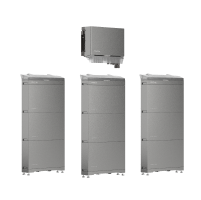
For longer-duration backup, homeowners can also consider dedicated stationary storage systems integrated into the property’s electrical layout. The EcoFlow OCEAN 2 Plus single phase can be considered as part of a home battery and backup power setup. By incorporating high-capacity modular storage into your home energy setup, the system can help support backup power for essential loads such as pressure pumps, communications equipment, lighting and refrigeration, depending on system configuration, available capacity and the loads connected to the backup supply.
What Should You Do When an Essential Energy Outage Occurs?
When the power goes out, focus first on electrical safety, damaged power lines and protecting appliances before waiting for supply to be restored.
Switch Off Unnecessary Appliances
When the power cuts out suddenly, you’ll often have several high-draw appliances still switched on at the wall. Unplug computers, TVs, microwaves, split-system air conditioners and pool pumps to reduce the risk of damage from voltage fluctuations when power is restored. Leave one indoor light switched on so you know the moment power’s been restored.
Avoid Damaged Power Lines
Severe storms can bring lines down across roads, driveways and properties. Always treat fallen powerlines as live and stay at least 8 metres away. Do not approach or touch anything that may be in contact with a fallen line. Don’t attempt to move wires or branches yourself. Report fallen powerlines or other electrical hazards to Essential Energy on 13 20 80. If there is an immediate risk to life, call 000.
Wait for Power to Be Safely Restored
Once power is restored, wait briefly before reconnecting sensitive equipment and follow any instructions from Essential Energy or your electricity retailer.
Schedule Your Free Consultation Today!
What kind of product or solution are you interested in?

Conclusion
Power outages are hard to predict, especially during storms and wild weather. But checking the Essential Energy outage map, keeping basic emergency supplies on hand and having a rough plan for keeping essential devices running can make a big difference whether the interruption lasts for a short period or becomes prolonged.
FAQS
How Long Does Your Power Need to Be Off Before You Can Get Compensation?
Eligibility for compensation depends on the applicable NSW Guaranteed Service Level rules and the circumstances of the interruption. It is not simply determined by whether a single outage exceeds 12 hours, so check the current guidance for applicable thresholds, exclusions and claim requirements.
How long do power outages last?
Many unplanned outages may be restored within a few hours, but the duration can vary significantly depending on the cause, location and extent of network damage. Rural outages, particularly after severe storms, damaged poles or difficult access conditions, can last considerably longer while crews assess damage and carry out repairs.
Does home insurance cover damage from a power outage?
Some Australian home and contents insurance policies may cover food spoilage following a power outage, but cover varies between insurers and policies. Cover for appliance damage caused by power surges also varies and may depend on specific policy terms, exclusions or optional cover. Check your policy or contact your insurer before making a claim.
What should you do with food when the fridge stops?
Keep the fridge and freezer doors closed as much as you can to hold the cold in. A closed fridge should keep food cold for around 4 hours. Keep the freezer door closed as much as possible; the NSW Food Authority advises that a freezer will generally remain safe for at least 24 hours if it stays closed.