EnergyAustralia Complaints Guide: How to Resolve Billing and Customer Issues
To resolve an issue with EnergyAustralia, start by pulling together your bills and any relevant meter readings. Lodge your complaint directly through their dedicated channels, either by calling 133 466, using their online feedback form, or through live chat. If the frontline team can’t sort it out, ask them to escalate the matter internally. Should the issue remain unresolved, you can escalate it to your state’s free Energy Ombudsman for an independent review.
This guide walks you through the process for lodging an effective complaint with EnergyAustralia, explains what timeline to expect, covers how to escalate to the Ombudsman if you need to, and suggests practical ways to help protect your household from bill shock in the future.
Key Takeaways
Clear records speed up results. Having consecutive bills, your NMI, and actual meter photos handy gives the customer service team concrete data to work with.
Escalation paths exist. If the first point of contact doesn't fix things, you can request a case manager review or escalate to your state ombudsman. No cost to you.
Act promptly on disputed bills. If you think a bill is wrong, contact EnergyAustralia as soon as possible. Tell them which charges you're disputing and ask how the disputed amount will be handled while they investigate.
Long-term control prevents future disputes. Active monitoring and, where suitable, a home battery may help reduce reliance on the grid and limit exposure to unexpected peak-tariff spikes.

What Issues Can You Complain About to EnergyAustralia?
Energy retailers manage everything from supply connections to complex tariff structures, so disputes can pop up in a number of areas. Whether it’s a billing issue, a connection problem, or a tariff misunderstanding, there’s a fair bit that can go wrong.
Billing and Payment Issues
Estimated meter reads are a common culprit when your bill suddenly jumps. You think you’ve been paying the right amount, then months later the actual read comes in and you’re hit with a catch-up charge. But estimates aren’t the only issue. Billing disputes often come down to missing solar feed-in credits, direct debit errors, concessions not applied, or rate hikes that weren’t properly communicated. Comparing current AGL energy rates with other retailer offers can provide useful context when reviewing unexpected charges.
Sales, Contracts and Account Management
Moving house or changing energy plans shouldn’t be complicated, yet administrative mix-ups happen. You can raise a formal complaint if you were transferred without explicit informed consent, placed on a contract with unagreed exit fees, or experienced delays when opening or closing an account during a property settlement or tenancy change.
Customer Service and Response Delays
When you’re getting contradictory advice from different people, or your callback never comes, that’s a legitimate reason to lodge a complaint. Weeks of silence on a meter check? Same thing. If the usual support channels aren’t delivering clear answers, a structured complaint makes sure your issue gets assigned to a specific team. That’s when things start moving.
How Do You Make a Complaint to EnergyAustralia?
Taking a structured approach before you pick up the phone helps you get your point across quickly and ensures the customer care team has everything they need to investigate.
Prepare Account Details and Evidence
A well-documented complaint is much easier to resolve. Before reaching out, pull together:
Your 10-digit EnergyAustralia account number and National Meter Identifier (NMI).
A clear photo of your electricity meter showing current digits and the meter serial number.
Copies of the disputed bill alongside the previous two billing cycles for comparison.
Notes on previous phone calls, including dates, times, and representative names if available.
Contact EnergyAustralia Through Official Channels
EnergyAustralia provides several avenues to register a formal dispute:
Phone: Call their complaints line directly on 133 466 (Monday to Friday, 8:00 am – 7:00 pm AEST/AEDT).
Online Form: Submit a detailed complaint ticket through the official EnergyAustralia website portal.
Live Chat & App: Message a support agent via the EnergyAustralia mobile app or web chat and state clearly that you wish to lodge a formal complaint.
Post: Mail written documentation to Complaints Team, EnergyAustralia, Locked Bag 14060, Melbourne VIC 8001.
Explain Your Issue and Desired Outcome
Be concise and specific about what went wrong and how you expect it to be fixed. Instead of a general statement like “my bill is too high,” explain that “the bill dated 14 August uses an estimated read of 1,850 kWh, whereas my physical meter read on that day was 1,420 kWh.” Clearly state your requested remedy, whether that is a revised bill, a fee waiver, a refund of an overcharged amount, or an extension on payment terms.
What Happens After You Submit an EnergyAustralia Complaint?
Once you lodge a complaint, EnergyAustralia logs it and works through it under their standard procedure and regulations. They say they’ll handle it fairly and keep you updated. In practice, you should get updates as they go. If you don’t, that’s worth chasing up too.
Complaint Review and Investigation Process
Once they receive your dispute, EnergyAustralia logs it and assigns it for internal review. That usually means checking your billing history, verifying interval meter data, and going through call records. If the issue involves network equipment or metering hardware, they’ll also get in touch with your local distributor to sort it out.
Standard Response Times
For digital submissions, you can expect an initial acknowledgment and response from the dispute resolution team within 3 to 5 business days. Straightforward billing discrepancies are often resolved within this window, whereas complex metering investigations requiring distributor input may take longer. You are entitled to regular progress updates throughout the review.
Resolution and Remedies
After the investigation, EnergyAustralia issues a formal outcome. If they’ve made a mistake, the fix might be a revised bill, an account adjustment, a fee waiver, or a refund. If you’re not happy with what they’ve proposed, you still have the right to ask for a higher-level internal review, or take it to your state’s Energy Ombudsman. That serves as an additional avenue for resolution.
What Happens If EnergyAustralia Does Not Resolve Your Complaint?
If the outcome doesn’t fix the issue, or if EnergyAustralia stops responding, you have clear escalation rights under Australian consumer law. You’re entitled to take it further, and the process is there to protect you.
Request an Internal Review of Your Complaint
Ask for your file to be escalated to a senior manager or the specialised Higher Level Complaints team within EnergyAustralia. A fresh set of eyes will re-evaluate the evidence and previous communications to determine whether an alternative solution is warranted.
Contact the Energy Ombudsman in Your State
If EnergyAustralia doesn’t sort out your complaint, you can take it to the independent energy dispute resolution scheme in your state or territory. The Australian Energy Regulator advises that these services are free and impartial, set up to help consumers who’ve hit a dead end with their provider. Each scheme operates under its own guidelines, so it is advisable to check the specific requirements in your state before lodging.
| State / Territory | Ombudsman Scheme | Contact Number | Website |
|---|---|---|---|
| New South Wales | Energy & Water Ombudsman NSW (EWON) | 1800 246 545 | ewon.com.au |
| Victoria | Energy and Water Ombudsman Victoria (EWOV) | 1800 500 509 | ewov.com.au |
| Queensland | Energy and Water Ombudsman Queensland (EWOQ) | 1800 662 837 | ewoq.com.au |
| South Australia | Energy and Water Ombudsman SA (EWOSA) | 1800 665 565 | ewosa.com.au |
| Australian Capital Territory | ACT Civil and Administrative Tribunal (ACAT) | (02) 6207 1740 | acat.act.gov.au |
ACT uses ACAT instead of a dedicated energy ombudsman. Check the ACAT website for specific requirements before lodging.
All ombudsman services are free and independent. You usually need to allow your retailer 15–20 business days to resolve your complaint before escalating.
Visit the relevant website for current timeframes, eligibility, and lodgement procedures, as guidelines vary by state and territory.
How Can You Avoid Future Energy Bill Issues?
Resolving one billing complaint can fix the immediate problem, but a few simple habits can make future disputes easier to identify and resolve.
Check Your Meter Reads and Bills
Compare the meter reading shown on your bill with your actual meter reading. Pay attention to whether the retailer used an actual or estimated reading, and keep photos of your meter when you receive a bill that appears unusually high. Understanding how a smart meter records interval usage can also make unusual billing patterns easier to investigate.
Monitor Energy Usage to Understand Bill Changes
When your electricity bill jumps, the total figure at the bottom rarely tells you what actually happened. Was it summer air conditioning? A shift to evening peak tariffs? Or a faulty appliance drawing more than it should? Without real-time visibility, identifying the cause can be difficult. A connected Home Energy Ecosystem can bring monitoring, solar generation and storage data together for easier comparison.
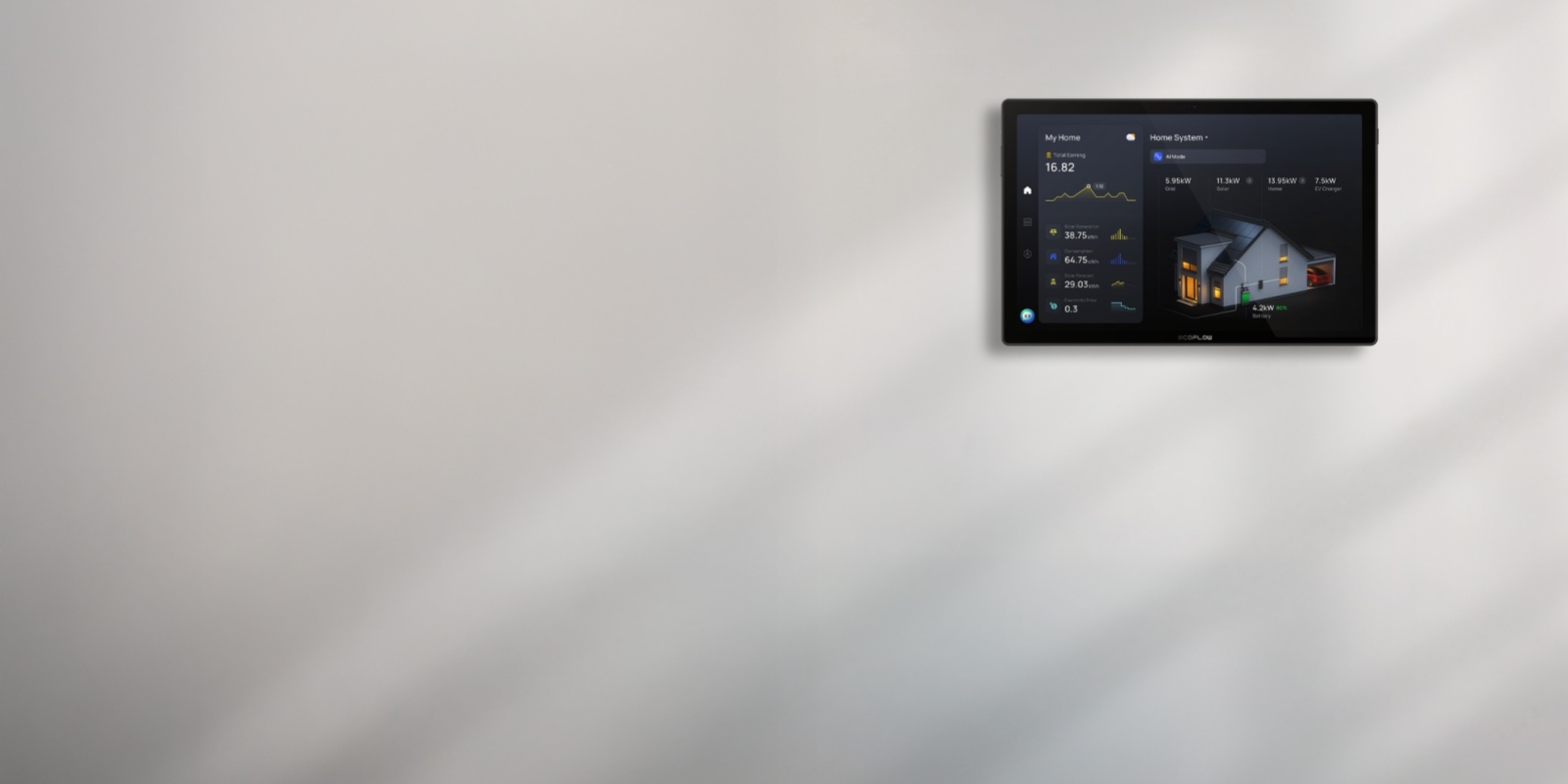
That’s where smart energy management comes in. Systems like the EcoFlow PowerInsight 2 give you a live view of energy flows and circuit-level usage. You can see exactly what’s happening day by day, not just when the bill lands. Spot unusual draws early, check it against your meter data, and stay on top of what your retailer’s charging you, helping to reduce the chance of unexpected bills.
Use Solar Storage to Better Control Energy Costs
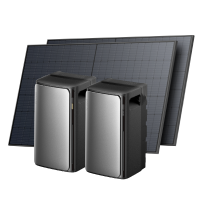
For households dealing with rising network tariffs and shrinking feed-in credits, disputing the odd bill doesn’t fix the bigger issue. One approach is shifting more of your solar generation into evening use. This may help reduce exposure to retail price changes over time. An EcoFlow Solar Battery can store more daytime generation for evening use and potentially reduce reliance on grid electricity during peak periods.
A system like the EcoFlow OCEAN 2 Plus Single Phase combines solar capture with high-capacity storage. You bank daytime generation and use it during peak evening windows, typically 3 PM to 9 PM. This can reduce grid imports, smooth out quarterly bills, and remove some of the uncertainty from your energy costs.
Schedule Your Free Consultation Today!
What kind of product or solution are you interested in?


Conclusion
Challenging a billing error or a customer service breakdown with EnergyAustralia is fairly straightforward if you’ve got good records. Keep a log of your calls and emails, ask for internal escalation if you’re not getting anywhere, and don’t hesitate to bring in your state’s Energy Ombudsman if things stall. For the long game, regular tariff checks combined with home monitoring and solar battery storage can give you more visibility and control over your power costs, and potentially fewer surprises on future bills.
FAQ
Why is my EnergyAustralia bill higher than usual?
A few things could explain it. An estimated meter read, seasonal heating or cooling, a tariff increase, or lower feed-in credits. Check if the reading was actual (“A”) or estimated (“E”), and compare your daily usage with the same period last year.
Can I get help if I'm struggling to pay?
Yes. EnergyAustralia has a hardship program called EnergyAssist. You may also qualify for government assistance depending on where you live. Visit the Service NSW website or your state’s equivalent for more information on available rebates and support programs.
Do I still have to pay while my complaint is investigated?
If you’re disputing charges, contact EnergyAustralia and tell them which charges you think are wrong. Ask how the disputed amount will be handled while they look into it. Don’t assume your payment obligations are paused. If you can’t pay, ask about hardship support or a payment plan.
How long does a refund take?
That depends on the process. If EnergyAustralia approves a refund, ask when to expect the funds and keep a record of what’s been agreed.