Energy Efficient House: Your Guide to 7-Star Living in Australia
Building an energy efficient house is no longer just a trend in Australia. It is becoming the new standard for smarter, more affordable living. With rising electricity prices and extreme weather, Aussie homes must perform better. The right design can lower bills, improve comfort, and reduce environmental impact.
This guide covers everything you need to know. It explains what the 7-star standard actually means for your home. You will learn the design principles behind it. We also show you solar and battery solutions that help you reach your goals.
What is an energy efficient house?
An energy efficient house is a home designed to use less power. It eliminates waste while providing high living comfort. This design leads to lower utility bills and a smaller environmental impact.
In Australia, this performance is measured through the Nationwide House Energy Rating Scheme (NatHERS). Accredited software models your home's design and gives it a thermal star rating from 0 to 10. The higher the stars, the less energy your home needs to stay liveable year-round.
The higher the stars, the less energy your home needs to stay livable.
The 7-star benchmark
Under the National Construction Code (NCC) 2022, all new homes must now achieve a minimum 7-star NatHERS thermal rating. This is up from the previous 6-star minimum, which had been the standard for over a decade.
That one-star jump matters more than it sounds. A 7-star home can cut heating and cooling energy demand by up to 25% compared to a 6-star home. That's real money saved, and real comfort gained.
NCC 2022 also introduced the Whole-of-Home rating — a score out of 100 that goes beyond the building shell. It accounts for the energy used by fixed appliances like air conditioners, hot water systems, and lighting. New homes must score at least 60.
Together, these two measures set the new standard for what a proper energy efficient home looks like in Australia.
Why invest in an energy efficient home?
Building or upgrading to an energy efficient home isn't just about doing the right thing for the planet. The everyday benefits are very real.
Lower running costs
Electricity prices keep climbing across the country. An energy efficient home shields you from those rises. A 7-star home can cut heating and cooling bills by hundreds of dollars each year compared to a 6-star house. Many families notice the difference straight away on their quarterly bills.
Year-round comfort
Your home stays cooler during scorching summers and warmer in chilly winters. No more relying on the air-con all day or cranking the heater at night. Stable temperatures mean you live more comfortably without soaring power costs.
Increased property value
Buyers love energy efficient homes. Studies show each extra NatHERS star can boost your home's value by about 1.3%, or roughly $10,500 on average. In some cities, the premium is even higher. It makes your property more attractive when it's time to sell.
Comfort and health
Stable indoor temperatures and lower humidity create a healthier living environment. Poor insulation and draughty walls can lead to cold, damp conditions — linked to respiratory illness and poor sleep. An efficient home simply feels better to live in.
Environmental impact
Every energy efficient house helps cut Australia's household carbon footprint. With the push toward net zero by 2050, living in a 7-star house is a practical way to do your bit while enjoying real benefits at home.
Key principles of energy efficient house design
Building an energy efficient house design requires a smart approach. You must focus on how the building interacts with the local environment. Here are the core principles that make a home truly efficient.
Passive solar design
This is about using the sun to your advantage — and it starts with orientation. In Australia, north-facing living areas catch winter sun and naturally warm the space. In summer, well-designed eaves or awnings shade the same windows, keeping heat out.
Getting orientation right costs nothing extra at the design stage. But it can make a massive difference to your thermal rating.
High-performance insulation
Insulation is the backbone of any energy efficient home. Australian builders typically use two main types. Bulk insulation, like batts, goes on your walls and ceilings. Reflective insulation uses foil layers to bounce heat away.
The right combination depends on your climate zone. Homes in colder southern states like Victoria and Tasmania prioritise retaining heat. Those in tropical Queensland focus more on blocking it out.
Glazing solutions
Standard single-pane glass is one of the biggest weak points in a home's thermal envelope. Up to 40% of a home's heating or cooling energy can be lost or gained through windows.
Double-glazed windows, combined with Low-E coatings, dramatically reduce this heat transfer. They're now standard in energy efficient house plans and make a noticeable difference to both comfort and star ratings.
Thermal mass
Thermal mass refers to materials that soak up and release heat slowly. Concrete slabs, brick walls, and ceramic tiles are common examples. Used well, they act as a natural battery for temperature regulation.
In a properly designed energy efficient home, a concrete floor exposed to winter sun will absorb heat during the day and release it slowly at night. In summer, the same mass helps keep the home cool by absorbing excess heat before it builds up.
Efficient lighting and appliances
LED lighting uses around 85% less energy than older halogen or incandescent bulbs. Choose appliances with high Energy Star ratings for everything from your fridge to your washing machine. This quietly chips away at your total energy use.
Under the NCC 2022 Whole-of-Home framework, these choices now count toward your compliance rating. So efficient appliances aren't optional extras anymore. They're part of the package.
How to build an energy efficient house in Australia
Building an energy efficient house in Australia is straightforward if you follow the right steps. Start early and focus on the basics. Here's a simple guide that works for most homes.
Step 1: Planning and design
Start here — before anything is built. Engage a building designer or architect who understands passive solar principles and NatHERS early in the process. Work with an architect to get your orientation right. Your goal is to face the living areas north. This simple move uses the sun to heat your home for free. Good planning at the start prevents expensive changes later. It is the cheapest way to boost your home's future energy rating. Aim for that 7-star NatHERS rating right away.
Step 2: Building envelope and passive features
The building envelope is everything between you and the outside world — walls, roof, floor, windows, and doors. Get this right, and your home does most of the work passively.
Focus on:
North-facing orientation for living areas to capture winter sun
Eaves and external shading to block summer heat
High-performance insulation on walls, ceiling, and underfloor
Double-glazed, Low-E windows, and well-sealed doors and gaps
Thermal mass materials — like concrete slabs or bricks — to regulate temperature naturally
These features reduce your dependence on mechanical heating and cooling for the life of the home.
Step 3: Efficient systems and appliances
Once the envelope is locked in, choose the right active systems. A reverse-cycle air conditioner (heat pump) is the most efficient choice for heating and cooling. For hot water, a heat pump system is the gold standard. Water heating makes up about 21% of the average household's energy use. A heat pump slashes that cost significantly. Round it out with LED lighting and high-star-rated appliances throughout.
Step 4: Install solar power with battery storage
Solar panels generate power during the day. But to achieve true energy independence, you need a way to save it. To consistently lower your energy efficient household costs, you must store the power you generate. Without a battery, surplus solar gets exported to the grid for very little return. With one, you use your own power at night, during peak tariff periods, and when the grid goes down.
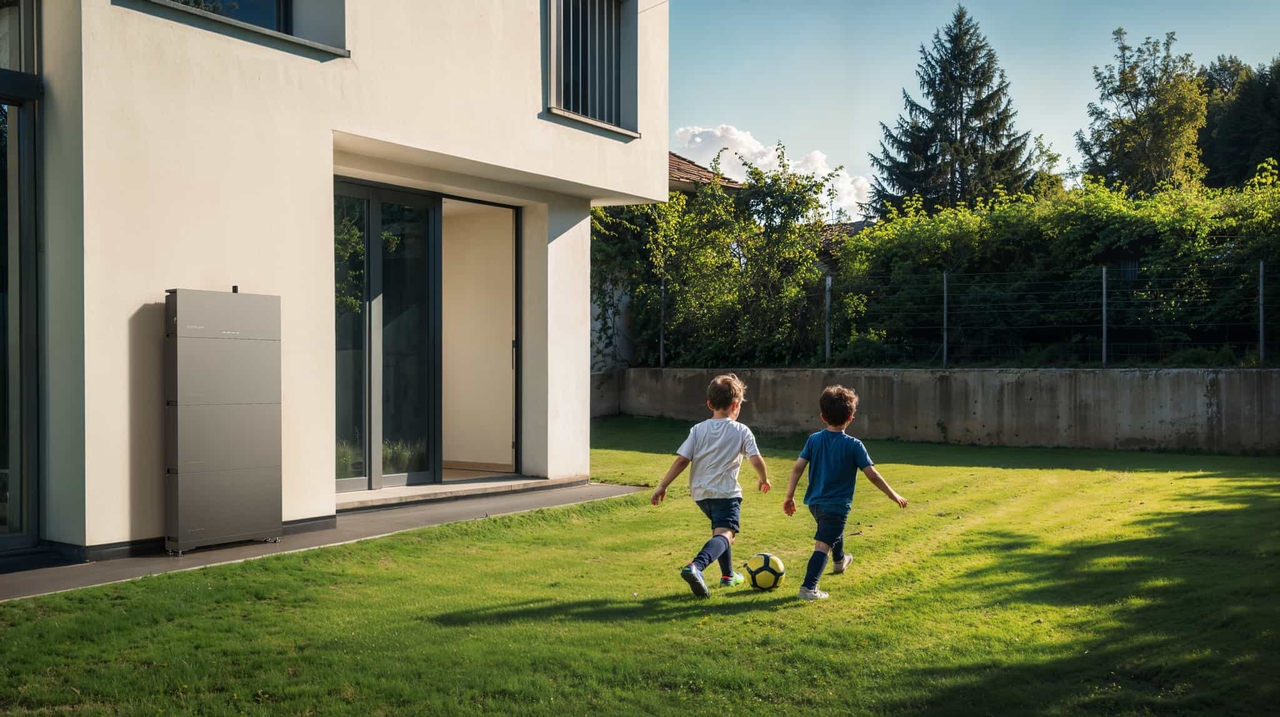
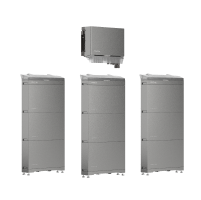
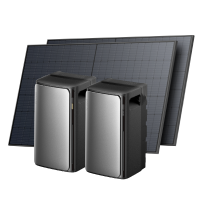
For typical Australian homes, the EcoFlow PowerOcean Single-Phase battery is a game-changer. Start with a single 5kWh battery pack and expand up to 15kWh on one inverter as your needs grow. It features advanced LFP battery technology and an IP65 rating for durable protection. It is a CEC-approved battery and qualifies for the federal battery rebate, making it a reliable choice for modern Australian homes.
Ready to upgrade to an energy efficient house? Talk to an EcoFlow energy expert today and get a free consultation on solar battery solutions tailored to your home.
Schedule Your Free Consultation Today!
What kind of product or solution are you interested in?

Step 5: Monitor and optimise
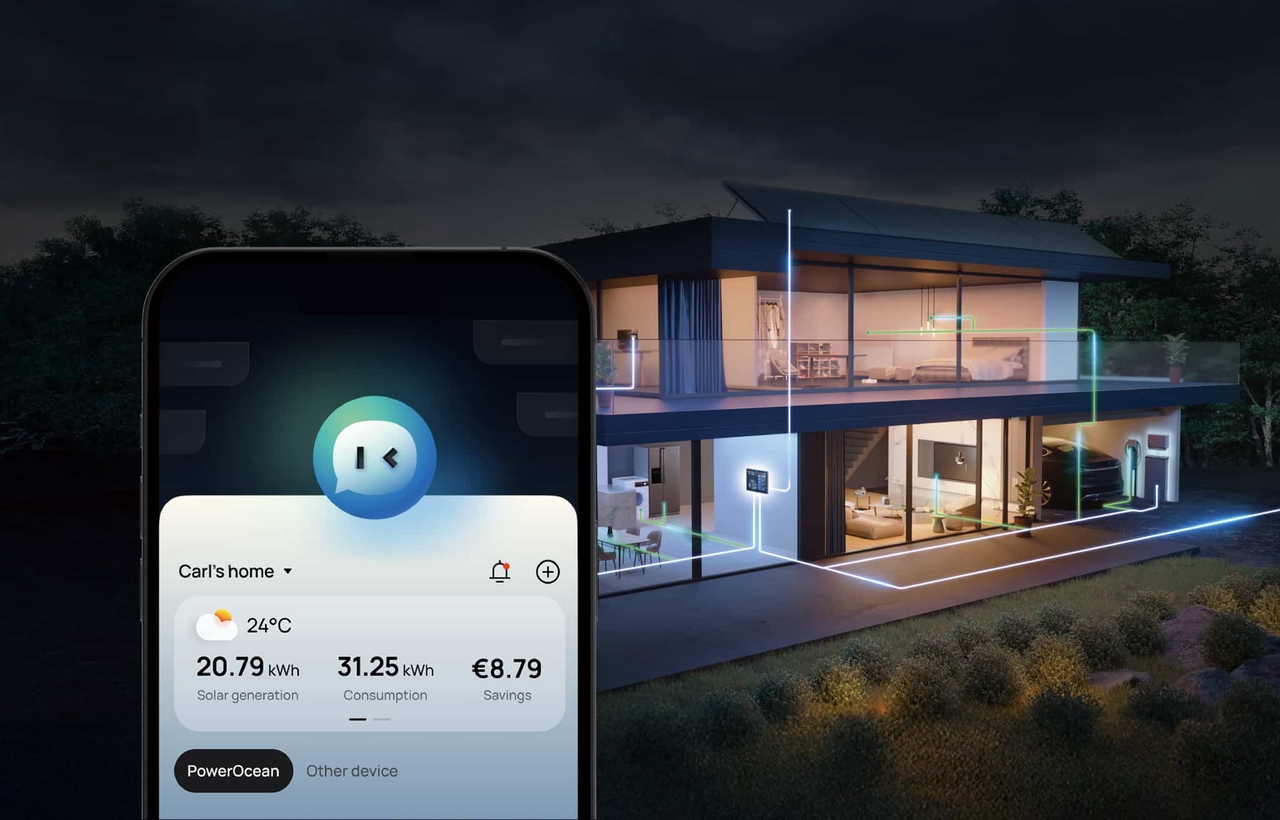
Building an efficient home is the start. Managing it well is what keeps the savings going. Smart monitoring shows you exactly what you're generating, storing, and consuming — in real time. That visibility helps you catch inefficiencies, adjust to changing tariffs, and get the most out of your solar and battery setup.
The EcoFlow Intelligent HEMS (Home Energy Management System) ties your entire energy ecosystem together in one place. It intelligently decides when to store solar and when to draw from the grid, and when to discharge your battery. These choices are based on your usage patterns and live tariffs. It even checks weather forecasts to plan ahead.
Conclusion
An energy efficient house is no longer just a luxury. It is now a smart standard for every Australian family. Electricity prices keep rising, and our weather is getting more extreme. A smart home design is your best defense against these changes. It makes sure that your house stays healthy and comfortable for a long time.
Future-proofing your life starts with the right choices today. Focus on passive design, good insulation, and home battery storage. This helps you reach a 7-star lifestyle that eventually pays for itself. You are not just building a house. You are creating a safe space that protects your wallet and the planet.
FAQs
What is an energy-efficient house?
An energy efficient house is designed to stay comfortable while using as little energy as possible. By using smart orientation, insulation, and high-quality windows, it cuts down on power waste. This creates a comfortable, healthy living space while lowering your monthly utility bills.
How much does it cost to build an energy efficient house in Australia?
The extra cost to reach 7 stars is usually modest — around $4,000 to $15,000, depending on your design and location. Many builders say it adds less than 1% to the total building cost. You often get that money back quickly through lower electricity bills.
What is the "Whole-of-Home" rating?
This is a new energy budget for Australian homes under the NCC 2022. It measures the energy used by fixed appliances like hot water, heating, cooling, and lighting. To pass, homes must score at least 60/100. Adding solar panels is a great way to boost this score.
What saves the most energy in a house?
Heating and cooling use about 40% of a typical home's energy. Focusing on a "tight" building envelope—using insulation and double-glazing—saves the most money. After that, switching to an energy-efficient heat pump for hot water and using LED lighting provides the next biggest savings.
How much can I save with an energy efficient home in Australia?
A 7-star home can reduce heating and cooling energy by 25% compared to older 6-star designs. When you add solar panels and a battery like the EcoFlow home battery, many Australian households save over $1,000 a year, with some reducing their grid electricity bills to nearly zero.