Energy Efficient Heater Guide: How to Reduce Heating Bills with Smart Choices in Australia
Winter in Australia has a funny way of catching us off guard. One week you’re complaining about the humidity, and the next, you’re scrambling for your Ugg boots and turning the heater up to full blast. But before you switch on that old portable heater and watch your electricity meter spin out of control, it pays to know what you’re dealing with. This comprehensive guide covers everything from decoding energy rating labels to breaking down real running costs, managing peak-hour tariffs with smart home technology, and preparing your property to beat the winter bills without shivering through the season.
What Makes an Energy Efficient Heater a Better Choice for Australian Homes?
Many Australian homes were designed with summer heat in mind, not winter chills. So when the cooler months hit, we end up burning cash just to hold onto a bit of warmth. Switching to a high-efficiency system flips that equation, you get noticeably better thermal comfort for every power dollar you spend.
What Energy Ratings Really Mean
Energy rating stars aren’t just decorative stickers; they represent a strict mathematical ratio of power input to heating output. In simple terms, a higher star rating means the unit is highly effective at turning raw electricity or gas into usable heat, ensuring less energy is wasted through the exhaust or inefficient internal components.
Comparing Running Costs Across Heater Types
The sticker price on a heater tells you about half the story. The real kicker? What it costs to run over a typical three-to-four-month winter can easily dwarf what you paid for the unit itself.
That’s where reverse cycle air conditioner, heat pumps, in plain speak, come into their own. They’re notoriously cheaper to run than old-school electric bar or panel heaters, and the reason’s simple: they shift existing heat from outside air rather than generating it from scratch. So you’re not paying to make warmth; you’re just paying to move it.
| Heater Type | Average Running Cost per Hour | Efficiency Level | Best Suited For |
|---|---|---|---|
| Reverse-Cycle Split System | $0.25 – $0.45 | Very High (300%+ effective) | Living rooms, open-plan spaces, long-term use |
| Gas Ducted Heating | $1.20 – $2.50 | Moderate to High | Whole-house heating, rapid warming |
| Electric Panel / Convector | $0.60 – $0.90 | Low (Compared to Heat Pumps) | Small home offices, occasional bedroom use |
| Portable Radiant / Bar Heater | $0.70 – $1.10 | Very Low | Immediate personal warmth, small zones |
How Australian Energy Labels Help
Australia’s Zoned Energy Rating Label (ZERL) splits the country into three climate bands—Hot, Average, and Cold. And that matters more than you’d think. A heat pump that cruises through a Brisbane summer could be flat out keeping up on a frosty Melbourne or Canberra morning. So the label lets you check real-world performance figures for your own patch, not some national average that doesn’t reflect how your system actually has to work.
Why Heater Efficiency Has the Biggest Impact on Winter Bills
Heating typically accounts for over 40% of the average household’s winter energy costs. By focusing strictly on upgrading to a highly energy efficient heater, you target the absolute largest slice of your utility bill, creating noticeable, immediate savings that scale up the colder the weather gets.
Why Do Heating Bills Rise During Australian Winters?
If your winter energy bills keep catching you off guard, the first thing to do is figure out why. The cold weather is only part of the story. Your energy rates, the state of your insulation, and an ageing heating system can all be quietly driving costs up.
Higher Peak Electricity Prices
Time-of-Use (ToU) tariffs are standard across most Australian states, meaning power costs significantly more during peak windows—typically from late afternoon until late evening. Unfortunately, this aligns perfectly with when families return home from work and school, firing up the heating exactly when retailers charge top dollar per kilowatt-hour.
Heat Loss in Poorly Insulated Homes
Many Australian homes lose heat through drafts, single-glazed windows, and uninsulated ceilings. When heat escapes faster than your system can replace it, your heater has to keep running at high power, increasing energy use and costs.
Why Aging Heating Systems Are Draining Your Wallet
As heating units get older, mechanical wear, dust build-up, and tired components force them to work harder just to hit the same temperature. A split system or ducted unit from ten years ago can draw significantly more current than a modern inverter model, quietly bleeding your bank account month after month without you even noticing.
The Limitation of Space Heaters Without Smart Energy Management
Standard plug-in space heaters generally lack adaptive energy management features. They’re either full bore or dead off, with no sensors to read the room, no feel for ambient temperature, and no way to dial back their own draw. So once the space hits a comfortable warmth, they may continue operating at maximum power output unnecessarily . No thermostat, no logic, no let-up. Just maximum juice until you kill the switch yourself.
.png)
How Can Smart Energy Management Reduce Heating Costs?
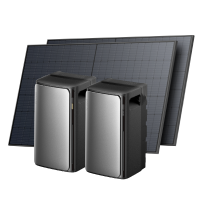
Energy efficiency these days goes well beyond picking the right appliance. Smart systems, battery storage, and real-time monitoring give households the tools to use power more intelligently, trim peak-time costs, and keep the place comfortable through winter without burning through the budget. Pairing an EcoFlow Solar Battery with an efficient heating system can also help households store excess solar energy for use during expensive evening peak periods.
Reduce Peak Electricity Use
Winter heating is usually needed most in the early morning and evening, which are also common peak electricity periods. A home battery helps reduce these costs by storing excess solar energy during the day and using it when heating demand rises.
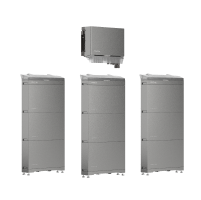
The OCEAN 2 Plus Single-Phase system supports up to 24 kW of PV input, allowing more solar panels to be added even on roofs with different orientations. Its expandable storage capacity of up to 60 kWh also gives households the flexibility to increase battery capacity over time for EV charging, heat pumps, and higher winter energy needs.
Eliminate Energy Blind Spots Through Real-Time Monitoring
Even the most efficient heater won’t save you much if you don’t know where your power’s actually going. Get a clear picture of which rooms or appliances are doing the heavy lifting, and you can tweak your habits before the bill lands—not after.
The EcoFlow PowerInsight 2 makes that easy. Its 11-inch HD touchscreen gives you a live read on generation, usage, battery state, and energy flows across the home. Under the hood, an AI Energy OS digs through historical data to flag the big users and pinpoint peak load times. It also talks Matter, so you can pull thermostats and smart plugs into one unified view. And because it runs as an independent gateway, it keeps working even when your internet drops out.
Improve Overall Heating Efficiency
Smart automation helps keep your home comfortable while using less energy. It adjusts heating based on the room temperature and your needs, so you’re not wasting power on empty spaces or overheating rooms that are already warm.
Adapt Heating Strategies by Season
An optimised home energy setup shifts its priorities with the seasons. In winter, the name of the game is soaking up as much daytime sun as possible, warming the house’s thermal mass and topping up the battery so you’ve got plenty of stored power to run the heater through those freezing evenings without reaching for the grid.
Build a Long-Term Energy Saving Plan
Granular data logs from smart control panels give you a front-row seat to how your place actually performs in extreme weather. Over time, those insights let you build out automated routines that really work, keeping the home dialled in and comfortable while steadily shaving down your long-term running costs, year on year.

What Should You Check Before Upgrading Your Heating System?
A quick look at your home’s size, insulation, and current setup can help you pick the right heating system. It also saves you from wasting money on a unit that’s too big, too weak, or simply not the right fit for your home.
How to Calculate Your Expected Winter Energy Consumption
Review your previous year’s winter energy statements to pinpoint your average daily kilowatt-hour (kWh) usage. Comparing these figures against the rated power inputs of a prospective new system gives you a highly accurate preview of what your upcoming seasonal utility expenses will look like.
Compare Upgrade Payback Periods
A premium high-efficiency heater costs more upfront, no question. But the savings on your quarterly bills can be dramatic. Work out the price gap between models, then weigh that against the expected drop in your utility statements. That’ll tell you exactly how many winters it’ll take for the upgrade to pay for itself.
Check Home Insulation Before Replacing a Heater
Before you sink money into a big new heating unit, take a look at your ceiling insulation, wall seals, and window coverings. Improving these areas is one of the simplest ways to create energy efficient homes, helping the property retain warmth so you may be able to choose a smaller, more affordable heating system.
Review Your Electricity Tariff
Start by checking your current energy plan. A quick look at your retailer’s website or your latest bill will show whether you’re paying a flat rate, time-based rates, or demand charges. Once you know when power is cheapest and most expensive, you can adjust your smart system to use energy more wisely and cut unnecessary costs.
Plan for Future Energy Needs
Consider your future energy needs before choosing a system. If you’re planning a larger family, a home office, an electric vehicle, or a move away from gas, a modular system gives you the flexibility to expand as your needs change as part of a Home Energy Ecosystem that can grow with your household over time.
Schedule Your Free Consultation Today!
What kind of product or solution are you interested in?
Conclusion
Beating the winter chill in Australia doesn’t have to mean sacrificing your savings account to your energy provider. By moving away from inefficient, unmanaged space heaters and embracing high-efficiency reverse-cycle systems paired with smart home monitoring and battery storage, you can help maintain home comfort while reducing winter energy costs. Take a close look at your home’s insulation, review your current retail tariff, and look into smart energy setups like the OCEAN 2 Plus to future-proof your household budget before the next major cold snap rolls through.
FAQs
What is the cheapest way to heat a house in Australia?
For most Australian homes, a high-star-rated reverse-cycle split system is one of the cheapest heating options to run. It doesn’t generate heat the old-fashioned way. Instead, it pulls heat from the outside air and moves it inside. The result? Much lower energy use compared with a simple plug-in heater, with efficiency that can be up to four times higher.
Are smart home devices energy-efficient?
Yes, smart home devices can make a real difference to energy use. They help cut waste by managing schedules, monitoring usage, and turning devices off when they’re not needed. That means less wasted power and lower energy bills.
What temperature saves energy more for the heater?
Setting your heater’s thermostat between 18°C and 20°C represents the ideal balance for optimal energy savings during an Australian winter. Every single degree you raise the temperature above 20°C adds roughly 5% to 10% to your heating unit’s total power consumption, as the system must work substantially harder to counter the cold ambient air leaking in from outside.
Does solar power reduce winter heating bills?
Solar power absolutely reduces winter heating bills, provided you shift your heavy usage to daylight hours or store your generated power in a dedicated home battery. While winter days have shorter sunlight windows, running your heater during peak midday solar generation allows you to warm the home using self-generated solar electricity , while a storage battery saves leftover energy to run your system through the evening without grid fees.
How long does it take for a heating upgrade to pay for itself?
Most high-efficiency heating upgrades may achieve payback within 3 to 7 years depending on usage and installation conditions depending on your local climate, usage patterns, and current insulation. When transitioning from an inefficient, expensive setup like portable electric heaters or older gas units to a smart heat pump system, the drastic drop in monthly winter utility bills allows you to quickly recoup the initial hardware and installation costs.