Energy Efficient Appliances in Australia: Savings, Costs & Smart Usage (2026)
Australian electricity rates are climbing in 2026. Heatwaves and winter chills drive up power usage. This makes quarterly bills a major stress factor. Transitioning to energy efficient appliances lowers monthly costs. Upgrading home technology cuts power consumption. Comfort is not sacrificed. This article helps identify the best energy efficient house appliances. Pairing these low-consumption appliances with rooftop solar and home battery storage can push your monthly grid costs even lower.
Why swap to energy efficient appliances?
Upgrading old, power-hungry devices offers significant long-term savings. Older refrigerators or washing machines rely on outdated motors. They draw excessive electricity for basic tasks. Modern technology has fundamentally improved how appliances function.
Today's energy efficient appliances utilize advanced sensors and superior components. They deliver identical results using far less electricity and water. Modern heat pump dryers reuse warm air. This cuts electricity use nearly in half compared to traditional models.
Higher upfront costs often deter buyers. However, these machines prove profitable through lower power bills. Residents can estimate potential savings using the official Energy Rating Calculator. Electricity savings can, in many households, help recover the initial investment over time.
True efficiency combines smart hardware with consistent daily habits. Applying proven methods to reduce household consumption ensures new machines operate at their peak. For Aussie homeowners facing grid price hikes, this transition serves as a vital shield against rising energy inflation.
To help visualize how much power you can save by switching to modern equipment, the following table compares typical yearly consumption across popular household categories:
Appliance Type | Annual Power Use – Old Unit | Annual Power Use – Energy-Efficient Unit | Impact on Home |
|---|---|---|---|
Refrigerator | 600 kWh - 800 kWh | 250 kWh - 350 kWh | Massive reduction in always-on baseline power. |
Washing Machine | 400 kWh - 500 kWh | 150 kWh - 200 kWh | Lower electricity and hot water heating costs. |
Dishwasher | 300 kWh - 400 kWh | 100 kWh - 150 kWh | Eco-cycles reduce total water volume per wash. |
Air Conditioner | 1,500 kWh+ | 700 kWh - 900 kWh | Better temperature regulation during peak summer. |
Investing in these units protects against future price hikes. It also aligns with a reliable home battery system setup for grid independence.
How to choose energy efficient house appliances
Shopping for new devices requires looking past the exterior. Understanding simple labels guarantees maximum savings.
Look for the energy rating label
The Australian Energy Rating Label system makes comparing products easy. Shoppers will see a red and yellow sticker on whitegoods. This sticker displays a star rating. More stars equate to lower running costs. A 6-star machine costs less to run than a three-star model.
Below the stars, a number shows estimated annual electricity consumption. Comparing this provides a clear picture of future bills. Always aim for the highest star rating possible.
Right-size your appliances
Matching capacity to family needs prevents energy waste. Buying an oversized air conditioner for a small room causes constant cycling. This rapid cycling burns extra power. Similarly, running a massive 10 kg washing machine for one person wastes resources.
Evaluate daily household demands carefully. A family of four might need a large fridge. A couple can survive with a medium-sized model. Proper sizing ensures the efficiency rating translates into real-world savings.
Check the standby power consumption
Many devices draw power even when turned off. This "vampire" drain adds dollars to the bill. Microwaves, smart TVs, and gaming consoles constantly search for signals. They also run background updates.
Reviewing manuals helps identify models with low standby usage. Some energy efficient house appliances feature dedicated eco-modes. These drop standby power to almost zero. Cutting out phantom drains keeps baseline consumption low.
Consider the WELS water rating
Water usage and electricity usage are connected. The WELS water rating helps consumers understand consumption. A higher star rating means the machine uses less water. Saving water reduces the electricity required to heat it. This remains crucial when shopping for dishwashers. A 6-star rating guarantees maximum water savings.
Opt for smart-enabled features
Modern appliances often include Wi-Fi connectivity. Choosing smart features unlocks advanced energy management. A smart washing machine can delay its cycle until the middle of the day.
This timing matters for homes with solar panels. Programming devices to run during peak sunlight hours allows appliances to use more self-generated solar energy, reducing reliance on grid power. This avoids expensive grid power. Smart connectivity turns appliances into flexible energy assets.
Top energy efficient kitchen appliances
Kitchens act as the heart of the home. However, they consume massive amounts of daily electricity. Focusing upgrades here yields the fastest return.
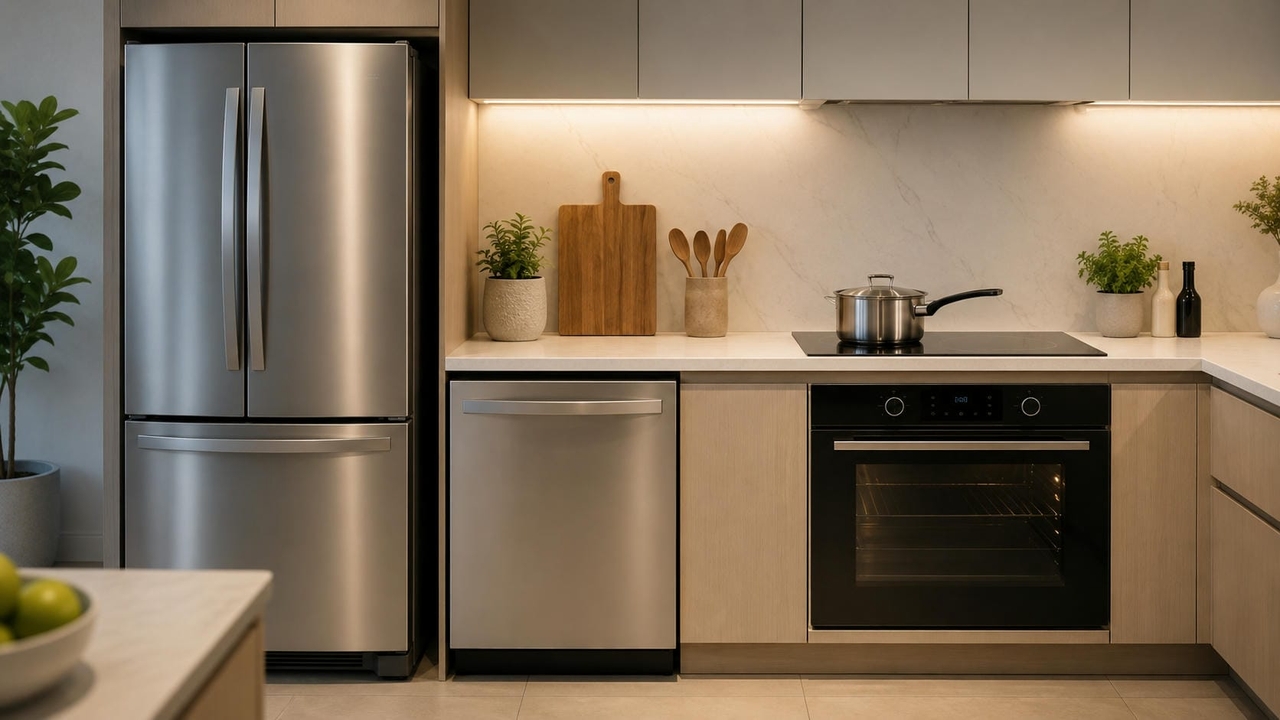
Inverter-compressor refrigerators
The family fridge never turns off. Because it runs 24/7, upgrading to an inverter-compressor model can provide meaningful long-term power savings. Older fridges use standard compressors. These only have two speeds: fully on or fully off. This creates massive power spikes every time the motor kicks in.
Modern inverter-compressor models run continuously at very low speeds. They adjust their cooling output based on the exact temperature inside the cabin. This smooth, continuous operation makes them incredibly reliable energy efficient kitchen appliances. Keeping the fridge at an optimal 39°F (4°C) further ensures the motor rarely has to work hard.
High-WELS-rated dishwashers
Washing dishes by hand wastes surprising amounts of hot water. Modern dishwashers easily outperform hand washing in both cleaning power and resource efficiency. High-WELS-rated dishwashers filter and recycle water throughout the wash cycle.
The eco-cycles on new models use far less hot water and power. They run longer but at lower temperatures. They soak tough stains rather than blasting them with boiling water. Running a fully loaded eco-cycle at night stands out as one of the most effective ways to lower kitchen power use.
Induction cooktops and smart ovens
Cooking technology has shifted dramatically toward induction. Induction cooking utilizes magnetic fields to heat the actual pots and pans. It does not heat the glass surface. This direct energy transfer heats food much faster. It also wastes almost zero ambient energy. Traditional gas or electric stoves lose a massive amount of heat into the surrounding kitchen air.
Smart ovens pair perfectly with induction cooktops. Advanced insulation keeps heat trapped inside the oven cavity. This means the heating elements cycle on less frequently. Many models also preheat in half the time of older units. This cuts cooking times and electricity usage simultaneously.
Managing Energy Efficient Household Appliances
Simply buying the right devices is half the battle. Operating energy efficient household appliances correctly is required to maximize savings. Consistent daily habits make a massive difference in quarterly bills. There are many energy efficient homes strategies that help residents optimize consumption.
Run cold water washing cycles: Heating water accounts for 80% of washing machine energy use. Modern detergents clean perfectly in cold water. Switching the dial to cold reduces heating costs.
Maintain and clean filters regularly: Appliances need to breathe. A clogged lint filter in a dryer forces the machine to work twice as hard. Cleaning filters ensures appliances operate at peak efficiency.
Optimise temperature settings: Setting the fridge too cold wastes energy. The ideal setting for a refrigerator is 3°C to 4°C. The freezer should sit at -18°C. Keeping the air conditioner at 24°C provides comfort without overloading the compressor.
Powering energy saving appliances smartly
Once the home is filled with efficient devices, change when those devices run. Shifting usage times and leveraging solar setups allows homeowners to run energy saving appliances using self-generated solar energy.
Track usage with smart monitors
Understanding home energy flow requires accurate data. Tracking household consumption helps identify power-hungry habits and hidden drains. Using a central smart hub gives homeowners a clear view of where electricity goes every hour of the day.
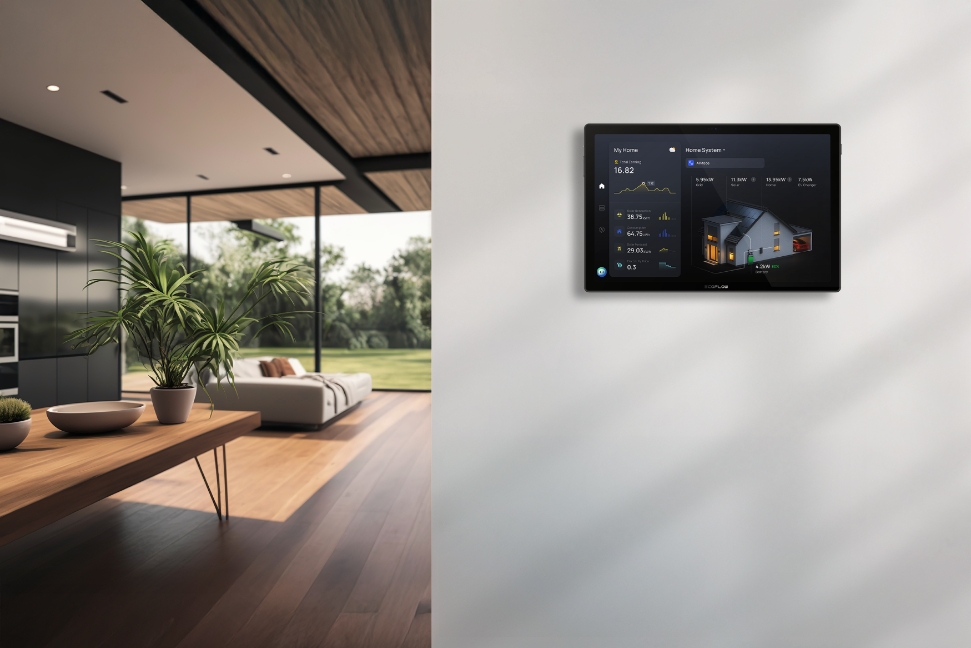
For example, installing the EcoFlow PowerInsight 2 Monitor provides real-time solar generation and appliance usage data. Tracking household energy use in detail helps identify wasteful habits and align appliance runtime with solar generation. Real-time energy monitoring tools make it simple to balance daytime solar output and home power demand. A clear touchscreen displays exactly how much power the grid supplies. It also shows how much the solar panels generate. Spotting a sudden spike in power usage makes it easy to track down a faulty heater or an inefficient pool pump.
Shift heavy loads to daylight hours
Solar feed-in tariffs have dropped in recent years. Sending excess rooftop power to the grid pays little. Instead, aim for "self-consumption." Use generated solar power directly inside the home.
Running heavy appliances during the day absorbs excess rooftop energy. Delaying the dishwasher and running the pool pump at noon keeps grid usage near zero. This strategy ensures the house runs on free sunlight during peak hours.
Store daytime solar for night use
The sun sets, but evening appliance usage remains high. Cooking dinner and taking hot showers usually happen after dark. Relying on grid power during peak hours gets expensive.

Pairing a rooftop setup with a scalable storage solution solves this. Systems like the EcoFlow PowerOcean Single-phase Battery allow households to store excess daytime power safely. Even with fully upgraded energy-efficient appliances, evening peak grid tariffs remain a major cost burden for Australian households. Storing surplus solar power generated during the day eliminates the need to buy expensive grid electricity after sunset, and modular home battery systems are designed to safely reserve solar energy for nightly household use. Each 5 kWh module features an integrated fire prevention module for safety. Built-in heating pads ensure performance during colder months. When the sun goes down, the house switches to battery power. This can support evening household energy use using stored solar power.
Interested in improving your home's energy efficiency? Learn more about available smart energy solutions.
Eliminate phantom power drains
Even with advanced batteries, wasting stored power makes no sense. Phantom power drains occur overnight. This happens when electronics sit in standby mode. While individual drains seem small, an entire household of electronics adds up to a noticeable baseload.
Using smart plugs provides a simple physical barrier. Setting automated schedules on these plugs cuts the power to electronics at midnight. They turn back on at 6:00 AM. This guarantees zero wasted electricity while the household sleeps.
Schedule Your Free Consultation Today!
What kind of product or solution are you interested in?

Conclusion
Taking control of electricity bills requires a two-step approach. Upgrading to modern, well-rated devices stops power waste at the source. Pairing those efficient machines with intelligent solar storage takes the strategy to the next level. This combination stands as one of the most practical long-term strategies to offset climbing electricity prices across Australia. Integrating these modern home upgrades with a reliable energy ecosystem ensures greater long-term energy independence and meaningful long-term cost savings.
Not sure which setup will yield the best return? Request a consultation for advice on building your smart energy ecosystem.
FAQs
Are energy efficient appliances worth the extra cost?
In many households, these devices can help offset their upfront cost over time. While the upfront price is higher, the steady reduction in monthly bills recovers that cost. Total financial savings outweigh the price over a decade.
What are the best energy efficient kitchen appliances?
Inverter-compressor refrigerators provide the best baseline savings. Induction cooktops prevent heat waste by warming pans directly. High-WELS-rated dishwashers use optimized eco-cycles, saving both hot water and electricity.
Do energy saving appliances really make a difference?
Absolutely. Replacing a ten-year-old dryer with a heat-pump model can cut costs in half. Upgrading lighting, fridges, and washing machines creates a compounding effect. Total household grid reliance can be reduced significantly, depending on appliance mix and usage habits.
How can I make my current appliances more efficient?
Regular maintenance improves performance. Clean the lint trap in the dryer after every load. Defrost freezers regularly and use cold water cycles for laundry. Setting fridge temperatures to 3°C or 4°C prevents the motor from working harder than necessary.
How does solar battery storage help run appliances?
Solar batteries store unused electricity generated during sunny hours. Instead of buying expensive grid power to cook dinner at night, the home draws from the battery. Appliances run on free, stored sunlight.