Electricity Tariffs per kWh in Australia 2026: Rates by State & Tariff Type
Electricity prices in Australia vary by state, distribution network, retailer, and tariff type. In 2026, residential usage rates can vary considerably between regions and plans, with daily supply charges added separately. This guide compares indicative electricity rates across Australia, explains the main tariff types, and shows how usage charges and supply charges affect your household bill.
Key Takeaways
Rates depend heavily on your postcode: Usage rates can vary significantly between states, distribution networks, retailers, and tariff types, with some 2026–27 regulated tariffs in South Australia and other regions exceeding 40c/kWh.
Your bill generally includes two main charges: The usage rate (c/kWh) covers the electricity you consume, while the daily supply charge applies separately for maintaining your connection. The supply charge varies by network and retailer and can add a significant fixed cost each month.
The tariff structure affects your bill: Time-of-use (TOU) plans apply different rates at different times of day, with peak rates in some 2026–27 plans exceeding 50c/kWh and off-peak or lower-priced periods available at significantly lower rates. The exact time windows and prices vary by network and retailer.
Solar feed-in tariffs are often lower than electricity import rates: Export credits vary considerably by retailer and plan, while households often pay a higher rate when importing electricity from the grid. Using solar electricity directly, or storing it for later use where practical, may therefore provide greater value than exporting it under some tariffs.
Monitoring helps you identify higher-cost usage periods: Real-time energy monitoring can show when your home is drawing more electricity from the grid, making it easier to identify flexible loads that could be shifted away from higher-priced periods.
.webp)
How Much Is Electricity per kWh in Australia in 2026?
Understanding your electricity cost means looking at two main components: the electricity you consume and the ongoing daily supply charge for your connection.
Average Electricity Rates per kWh in Australia
There is no single national residential electricity rate in Australia. In 2026–27, single-rate prices vary by state, distribution zone, retailer and plan. For example, regulated DMO flat rates range from 27.97c/kWh in the Energex area to 41.91c/kWh in the SA Power Networks area, while other market offers may be higher or lower.
Where your actual rate falls depends on your distribution zone, retailer, tariff, contract and available market offer. In NSW, South Australia and South East Queensland, the Default Market Offer provides a regulated reference and price cap for standing offers rather than a universal market price.
What Is the Average Electricity Bill in Australia?
Household electricity bills vary substantially depending on annual electricity use, location, tariff structure, retailer, supply charge and available discounts or concessions. As a result, there is no single quarterly bill that represents a typical Australian household. The 2026–27 DMO annual comparison prices, for example, range from $1,899 for an Ausgrid customer using 3,900 kWh per year to $2,604 for an Essential Energy customer using 4,600 kWh, while an Energex customer using 4,600 kWh has a comparison price of $1,988.
What Is Included in an Electricity Tariff?
For many residential plans, the main bill components are:
Usage Charges (c/kWh): The variable rate charged for each kilowatt-hour of electricity you consume from the grid.
Daily Supply Charge (c/day): A fixed daily fee charged separately from your electricity usage. The amount varies by network, retailer and plan, and applies regardless of how much electricity you use.
Why Electricity Prices Vary Across Australia
Electricity prices differ across Australian states and distribution regions. Wholesale generation costs, network costs, retail costs and local market conditions all contribute to the final price. Generation mixes also differ between states, while network costs vary according to the infrastructure required to serve each distribution area.
Network distribution costs also contribute to differences between regions. The cost of operating and maintaining electricity networks varies according to network size, customer density and infrastructure requirements. Retail competition and regulated reference prices, such as the Victorian Default Offer, also influence the prices available to residential customers.
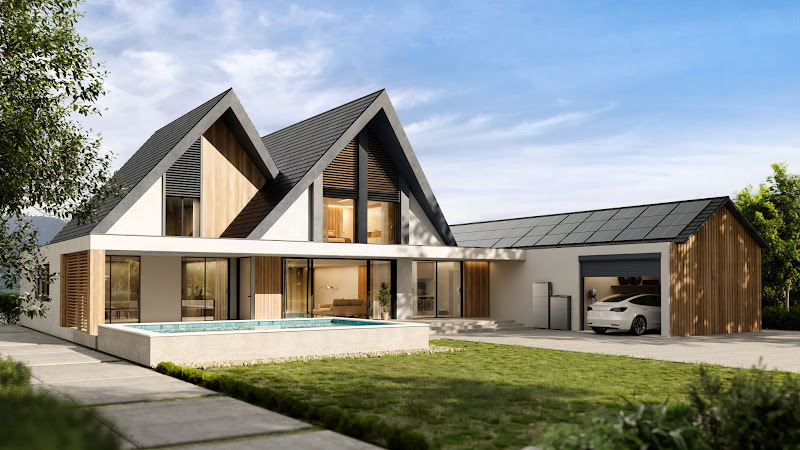
Electricity Tariffs per kWh by State in Australia
Retail prices shift as you cross state lines, driven by local distribution networks and varying regulatory benchmarks.
New South Wales Electricity Rates
Homes in NSW are served by three main electricity distribution networks: Ausgrid, Endeavour Energy and Essential Energy. Residential electricity prices vary between these networks and between retailers and plans. For 2026–27, the DMO flat usage rates are 33.14c/kWh for Ausgrid, 33.73c/kWh for Endeavour Energy and 35.01c/kWh for Essential Energy, with daily supply charges of $1.66, $1.85 and $2.72 respectively.
Customers in regional NSW may face different rates and supply charges from those available in metropolitan areas, so the relevant distribution zone and retailer plan should be checked before comparing offers.
Victoria Electricity Rates
Victoria has its own Victorian Default Offer (VDO), rather than being covered by the national DMO. The state has five electricity distribution networks: CitiPower, Powercor, Jemena, United Energy and AusNet Services. Under the 2026–27 VDO, residential flat-rate prices vary by distribution zone, as do daily supply charges. For example, the 2026–27 VDO supply charges range from about $1.19 to $1.38 per day across the five zones, while usage rates also vary by network.
Actual market offers may differ from the VDO, so customers should compare the retailer’s usage rates, supply charge and other plan conditions for their postcode.
Queensland Electricity Rates
South East Queensland, which is served by the Energex network, has a competitive retail electricity market. For 2026–27, the DMO flat rate for the Energex area is 27.97c/kWh, with a daily supply charge of $1.92.
In regional Queensland, regulated retail prices are set through the Queensland Competition Authority’s annual notified-price process. Queensland’s uniform tariff policy aligns regional tariffs with South East Queensland tariffs, while government arrangements help address the higher cost of supplying regional areas.
South Australia Electricity Rates
South Australia has relatively high residential electricity usage rates compared with some other Australian regions. For 2026–27, the DMO flat rate for the SA Power Networks area is 41.91c/kWh, with a daily supply charge of $1.80. TOU rates vary by time period, with the 2026–27 DMO peak rate reaching 56.22c/kWh.
Actual market offers can differ from the DMO, so customers should compare the usage rates, supply charge and tariff periods available at their address.
Western Australia Electricity Rates
Unlike most of the eastern states, residential electricity retailing in south-west Western Australia is not generally open to full retail competition. Synergy supplies residential customers under regulated tariffs in the South West Interconnected System, while Horizon Power supplies many regional and remote areas. Under Western Australia’s Uniform Tariff Policy, small-use Synergy and Horizon Power customers are charged the same regulated rate structure. From 1 July 2026, the A1 and A2 residential supply charge is $1.1924 per day.
The applicable usage rate depends on the regulated tariff and customer circumstances, so the current tariff schedule should be checked rather than using a single national estimate for WA.
Tasmania, ACT and Northern Territory Electricity Rates
Australian Capital Territory (ACT): Residential electricity prices in the ACT vary by retailer and tariff type. Current 2026 pricing includes single-rate, time-of-use and demand-based plans, so customers should compare both usage charges and daily supply charges for their specific plan.
Tasmania: Residential electricity pricing is regulated within the state's electricity market, with Aurora Energy serving as a major residential retailer. The underlying 2026–27 network tariffs include different service and usage charges depending on the tariff structure, so the retail rate paid by a household depends on its plan and tariff type.
Northern Territory (NT): Residential electricity prices in the Northern Territory are regulated by the NT Government under the Electricity Pricing Order. The current pricing order applies from 1 July 2026 to 30 June 2027, with regulated prices set for eligible residential customers.
State-by-State Electricity Comparison (Residential Averages 2026)
| State / Territory | 2026–27 Indicative / Regulated Reference | Supply Charge | Main Tariff Types |
|---|---|---|---|
| New South Wales (NSW) | Varies by network; DMO flat rates include 33.14c–35.01c/kWh | $1.66–$2.72/day | Single Rate, TOU |
| Victoria (VIC) | Varies by distribution zone under VDO | About $1.19–$1.38/day under VDO examples | Single Rate, TOU |
| Queensland (SEQ) | 27.97c/kWh DMO flat rate for Energex | $1.92/day | Single Rate, TOU |
| South Australia (SA) | 41.91c/kWh DMO flat rate | $1.80/day | Single Rate, TOU |
| Western Australia (WA) | Regulated tariffs; varies by tariff | $1.1924/day for A1/A2 supply charge | Regulated tariffs |
| Tasmania (TAS) | Varies by retailer and tariff | Varies by tariff | Single Rate, TOU, controlled load |
| ACT | Varies by retailer and tariff | Varies by plan | Single Rate, TOU, demand |
| Northern Territory (NT) | Regulated pricing under NT Electricity Pricing Order | Varies by regulated tariff | Regulated residential tariffs |
What Are the Different Electricity Tariff Types in Australia?
Electricity costs also depend on how your tariff is structured. The main options are single-rate, time-of-use and controlled-load tariffs.
Single Rate Electricity Tariff
Under a flat or single-rate tariff, the same usage rate generally applies regardless of when electricity is consumed. There are no separate peak and off-peak usage rates. This type of tariff may suit households with relatively consistent electricity use or households that prefer simpler pricing. For homes without a smart meter, tariff availability may depend on the retailer and meter configuration.
Time-of-Use (TOU) Tariff
Time-of-Use tariffs divide the day into different pricing periods, with different rates applying to each period. The exact time windows vary by retailer, network and tariff.
Peak: This is generally the highest-priced period on a TOU plan. For example, 2026–27 DMO peak rates include 60.20c/kWh for Ausgrid and 56.22c/kWh for SA Power Networks, although the applicable time periods vary by network.
Shoulder: Some TOU plans include a shoulder period with a mid-range usage rate. The hours and prices vary by tariff and retailer.
Off-Peak: This period generally has a lower usage rate than the peak period, often covering overnight hours and, depending on the tariff, other parts of the day or weekend. The exact rate and hours vary by plan.
Controlled Load Tariff
A controlled load is a separately metered or separately configured electricity supply for eligible appliances, with usage charged under a dedicated tariff. The applicable operating periods depend on the distributor and tariff and may include overnight or other scheduled periods. Common applications include electric hot water systems and other eligible loads. Rates vary by network and retailer, so the actual cost should be checked against the applicable plan. For a closer look at eligible appliances and billing, see our guide to what is controlled load.
Solar Feed-in Tariff vs Electricity Usage Rate
Solar feed-in tariffs are generally lower than the rates households pay to import electricity from the grid. The import rate and feed-in tariff vary significantly by retailer, plan and location, so there is no single national range. For example, current Energy Made Easy plans can show feed-in tariffs below 1c/kWh as well as higher rates, depending on the plan. Under plans with relatively low daytime feed-in tariffs, exporting surplus solar may provide less financial value than using the electricity on site. The actual value depends on the household’s import rate, feed-in tariff and export period. This difference between import and export rates is a key consideration when assessing solar battery storage.
Which Tariff Type Is Right for Different Usage Patterns?
• Single Rate: May suit households with fairly consistent electricity use throughout the day or limited ability to shift consumption.
•Time-of-Use: May suit households that can move high-energy activities to off-peak periods.
• Controlled Load: Often used for dedicated loads such as electric hot water systems.
How Much Does Electricity Cost per Day and Month?
Turning those kilowatt-hour charges into actual living expenses makes monthly household budgeting a lot clearer.
How to Calculate Your Electricity Cost per kWh
To determine your true cost, you must combine variable energy usage with the fixed connection cost. The basic formula is:
Total Daily Cost = (Daily Electricity Consumption × Usage Rate) + Daily Supply Charge
Electricity Costs for 10, 20 and 30 kWh per Day
To estimate your electricity cost, you can plug your daily consumption into the billing formula. For illustration, assume a flat usage rate of 32c per kWh ($0.32) and a daily supply charge of $1.15:
Daily Cost = (Daily Usage in kWh × $0.32) + $1.15
Monthly Cost (30 Days) = Daily Cost × 30
Quarterly Cost (91 Days) = Daily Cost × 91
Applying these formulas across standard household consumption tiers yields the following breakdown:
| Household Profile | Daily Usage | Daily Cost (inc. $1.15 supply) | Monthly Cost (30 Days) | Estimated Quarterly Bill |
|---|---|---|---|---|
| Small Unit / Flat (1–2 occupants, energy-conscious) | 10 kWh | $4.35 | ~$130.50 | ~$395 |
| Average Suburban Home (3–4 occupants, detached house) | 20 kWh | $7.55 | ~$226.50 | ~$680 |
| Large Family Home (4–5 beds, pool pump, ducted AC, EV) | 30 kWh | $10.75 | ~$322.50 | ~$970 |
Note: These are illustrative calculations based on a flat usage rate of 32c/kWh and a daily supply charge of $1.15. Actual electricity costs vary by location, tariff, retailer and household consumption.
Why Your Electricity Bill Is Higher Than the Advertised kWh Rate
Your bill is more than the advertised usage rate alone. Daily supply charges apply separately from usage, while time-of-use plans can charge higher rates during peak periods. Some plans may also include different usage blocks, controlled-load charges, discounts, credits or other pricing conditions that affect the final bill.
How Supply Charges, Peak Rates and Discounts Affect Your Bill
When comparing electricity plans, pay attention to the following:
High supply charges vs low usage rates: If your household uses relatively little electricity, the daily supply charge can have a larger impact on the overall bill. Compare the supply charge and usage rate together rather than focusing on the advertised c/kWh rate alone.
Benefit period expiry vs ongoing rates: Check how long any introductory discount or benefit applies and what rates will apply after the benefit period ends. Retailers may offer different rates or conditions once a promotional period expires, so compare the ongoing usage rate and supply charge before choosing a plan.
How to Reduce Your Electricity Costs in Australia in 2026
Reducing electricity costs can involve changing when you use electricity, increasing the use of on-site solar generation, adding battery storage, or monitoring household consumption. A Home Energy Ecosystem can help coordinate compatible solar, storage and monitoring devices around these usage patterns.
Shift Electricity Use to Off-Peak Periods
If you are enrolled in a Time-of-Use plan, shifting flexible electricity use to lower-priced periods may reduce the cost of grid electricity. Depending on your tariff, you may be able to run appliances such as dishwashers, washing machines or pool equipment during lower-priced periods. Check your retailer’s specific peak and off-peak times rather than assuming that a particular time window applies to all plans.
Use Solar Power to Reduce Grid Electricity Consumption
Rooftop solar can reduce the amount of electricity a household needs to purchase from the grid. Because feed-in tariffs are generally lower than retail electricity import rates, using solar electricity directly can provide greater bill value than exporting the same electricity under some tariffs. The potential saving per kilowatt-hour depends on the household’s import rate, feed-in tariff and the amount of solar generation that can be used on site.
Can a Home Battery Help Reduce Electricity Costs?
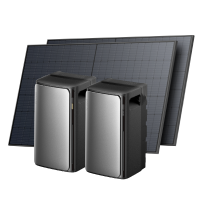
A home battery can store surplus solar electricity for later use, including during periods when grid electricity is more expensive. Instead of exporting some surplus solar at the applicable feed-in tariff, a household can use stored electricity later, depending on the battery system, tariff and household load profile.
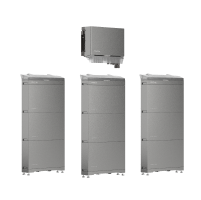
Systems like the Ecoflow OCEAN 2 Plus single phase support exactly this kind of setup, banking your daytime solar for the evening household loads. And for homes without solar, battery storage can still work with certain time-of-use plans, charging up during the cheaper windows and discharging when rates climb.
Monitor and Manage Your Electricity Usage
Electricity bills do not always show which appliances or time periods contribute most to household consumption. Real-time energy monitoring can provide a clearer view of electricity use throughout the day.
A system such as EcoFlow PowerInsight 2 can track household demand alongside solar generation, battery status and grid imports. This makes it easier to identify high-consumption periods and adjust when major appliances are used.
Compare Electricity Plans Beyond the kWh Rate
Review your electricity plan when its benefit or contract period ends, or whenever your household’s electricity use changes. When comparing plans on independent comparison portals like Energy Made Easy (or Victorian Energy Compare), check the daily supply charge and feed-in tariff alongside the advertised usage rate, as the overall cost depends on your household’s electricity consumption and tariff structure.
Schedule Your Free Consultation Today!
What kind of product or solution are you interested in?

Conclusion
Electricity rates in Australia vary by state, distribution network, retailer and tariff type, so the advertised kWh rate is only one part of the overall bill. Check both the usage rate and daily supply charge, then consider when and how much electricity your household uses. If you have solar or a Time-of-Use tariff, shifting flexible consumption or using battery storage may reduce the amount of electricity you purchase during higher-priced periods.
Disclaimer: Electricity tariffs, supply charges and regulated prices can vary by location, retailer, tariff type and billing period. The rates and regulatory information in this article are based on available 2026–27 information and are provided for general reference only. Check your retailer and relevant government or regulatory sources for the latest prices and applicable terms.
FAQs
Is 30 cents per kWh expensive in Australia?
Whether 30 cents per kWh is high or low depends on the state, distribution network, tariff type and retailer. In 2026–27, for example, the DMO flat rate is 27.97c/kWh in the Energex area and 41.91c/kWh in the SA Power Networks area, while NSW DMO flat rates range from 33.14c to 35.01c/kWh across the three distribution zones.
Does solar power reduce the cost per kWh?
Solar power can reduce the amount of electricity a household purchases from the grid by allowing some electricity use to be supplied by on-site generation. It does not generally change the retailer’s contracted import rate for electricity purchased from the grid. The value of each kilowatt-hour used directly depends on the household’s applicable import rate and the alternative value of exporting that electricity under its feed-in tariff.
Do electricity prices change during the year?
Regulated electricity prices and reference prices are commonly updated for the financial year beginning 1 July. For example, the 2026–27 DMO applies from 1 July 2026 to 30 June 2027, while the Victorian Default Offer also applies for a defined annual period. Market retailers may set different contract terms and can change prices according to the conditions of individual plans.
What is a good electricity rate per kWh in Australia?
There is no single “good” electricity rate that applies across Australia. When comparing residential plans in 2026, consider the usage rate together with the daily supply charge, tariff periods, discounts, feed-in tariff and your household’s actual electricity consumption. A lower off-peak rate may be useful for households that can shift flexible electricity use into that period, but the overall plan cost is more important than any single tariff component.