What is Controlled Load and How It Works in Australian Homes
If you’ve been squinting at your Aussie electricity bill lately, wondering why there are different rates for different things, you’ve likely spotted a line item called “Controlled Load.” It sounds a bit technical, but it’s actually one of the simplest ways for Australian households to shave a decent chunk off their energy costs. In this guide, we’re going to break down exactly what a controlled load is, how it works with your home’s wiring, and most importantly, how you can pair it with smart tech to get your power bills under control.
What a Controlled Load Means in Australian Electricity Tariffs
Before we get into the hardware, let’s sort out the lingo. Getting your head around your tariff is the first step to being a savvy energy user in the lucky country.
Understanding Controlled Load in Home Energy Billing
In Australia, a controlled load is a dedicated tariff for high-energy appliances (like hot water systems) on their own circuit and meter. Unlike standard outlets, these are only powered during “off-peak” hours usually overnight or during the midday “solar soak.” By shifting demand away from peak times, you help balance the grid and, in return, receive a significantly lower electricity rate for those specific appliances.
Differences from Standard and Time-of-Use Tariffs
While a Standard (Flat) Tariff charges you the same rate all day and a Time-of-Use (ToU) Tariff changes rates based on the clock, a controlled load is unique. It’s “controlled” by the network distributor, meaning they decide when the power flows to that specific circuit. It’s generally the cheapest rate available on your bill, often significantly lower than your peak or even your standard off-peak rates.
How Controlled Load Works in Australian Homes
To take advantage of these rates, your home needs a specific setup.
1. Dedicated Circuits and Metering for Controlled Load
For a controlled load to work, the appliance must be hardwired into a separate circuit that leads back to its own meter (or a specific element of your smart meter). This allows your energy provider to track exactly how many kilowatt-hours (kWh) that specific appliance used, separate from the rest of your house.
2. Typical Operating Hours for Controlled Load
While it varies depending on whether you’re in Sydney, Melbourne, or out in the bush, controlled loads usually operate for 6 to 18 hours a day. Most commonly, the “ripple control” signal from the grid switches these circuits on during the dead of night (between 11 pm and 7 am) or during the “solar soak” period in the afternoon when there’s excess renewable energy in the system.
3. Appliances Commonly Using Controlled Load
Not every gadget qualifies. Controlled loads are reserved for “set and forget” appliances that can store energy. The most common suspects are:
Electric Hot Water Systems: The big tank heats up overnight so you have a hot shower in the morning.
Pool Pumps: Filtering the pool while everyone is asleep.
Underfloor Heating: Warming up the slab during off-peak hours.
As the Australian grid evolves, many homeowners are now integrating solar batteries to complement these controlled load circuits, allowing for even greater independence from peak-hour prices.
Controlled Load Tariffs and Cost Savings
Is it actually worth the hassle of having a separate meter? For most Australian families, the answer is a resounding yes.
1. Estimate Your Controlled Load Savings
To understand whether a controlled load is worth it for your home, you can use this simple formula:
Annual Savings ($) = Controlled Load kWh × (Peak Rate – Controlled Load Rate)
Here’s a practical example based on a typical Australian household:
| Item | Value |
|---|---|
| Appliance | Electric hot water system |
| Annual energy usage | 3,500 kWh |
| Peak electricity rate | $0.40 per kWh |
| Controlled load rate | $0.22 per kWh |
| Estimated annual savings | $630 per year |
This example shows that shifting just one high-consumption appliance onto a controlled load can lead to substantial savings over time, especially for larger households. According to the Australian Energy Regulator (AER), controlled load and off-peak tariffs are typically significantly lower than peak electricity rates, making them one of the most cost-effective options for running high-consumption appliances such as electric hot water systems.
Your actual savings will vary depending on your state, electricity provider, and appliance efficiency, but this formula provides a reliable baseline for estimating potential cost reductions.
2. Benefits of Controlled Load Tariffs
The primary perk is lower costs. By shifting your most energy-hungry appliances to a controlled load, you insulate a huge portion of your bill from expensive peak rates. It also helps the Australian grid remain stable by reducing the “peak” demand during dinner time.
3. Common Tariff Types Across Australia
Depending on where you live in Australia, your energy retailer might use different names for controlled load on your bill. While the technology is the same, the “code” varies. For example, in Queensland, you’ll almost always see these referred to as Tariff 31 and Tariff 33. In New South Wales or Victoria, they are more commonly labeled as Controlled Load 1 and 2, or simply Dedicated Circuit.
While the technology is the same, the names change depending on your state and network distributor. Use this table to identify the controlled load on your specific bill:
| State / Territory | Common Billing Terms | Typical Usage Window |
|---|---|---|
| QLD (Queensland) | Tariff 31 / Tariff 33 | T31: Night only (approx. 8hrs); T33: Night + Day (approx. 18hrs). |
| NSW (New South Wales) | Controlled Load 1 / 2 | CL1: Night only (cheapest); CL2: Afternoon + Night (more flexible). |
| VIC (Victoria) | Dedicated Circuit / Off-Peak | Usually integrated into smart meters; often referred to as "Dedicated Circuit" rates. |
| SA (South Australia) | Controlled Load / Solar Sponge | Increasingly uses daytime windows to soak up excess solar power. |
| TAS (Tasmania) | Tariff 41 / Tariff 42 | T41: General heating/hot water; T42: Off-peak specific. |
4. Estimating Cost Savings from Controlled Load
Depending on your state and provider, a controlled load rate can be 30% to 50% cheaper than your standard peak rate. For a large family with a 300L electric hot water system, this can translate to hundreds of dollars saved every year.
How to Maximize Controlled Load Savings and Efficiency
Having the tariff is a great start, but if you really want to be “energy smart,” you need to bridge the gap between your appliances and your data.
1. Monitoring Energy Usage
Optimizing your controlled load starts with knowing exactly how much juice your home is squeezing. By monitoring the real-time status and consumption of every appliance, you can determine which operating windows are truly the most cost-effective.
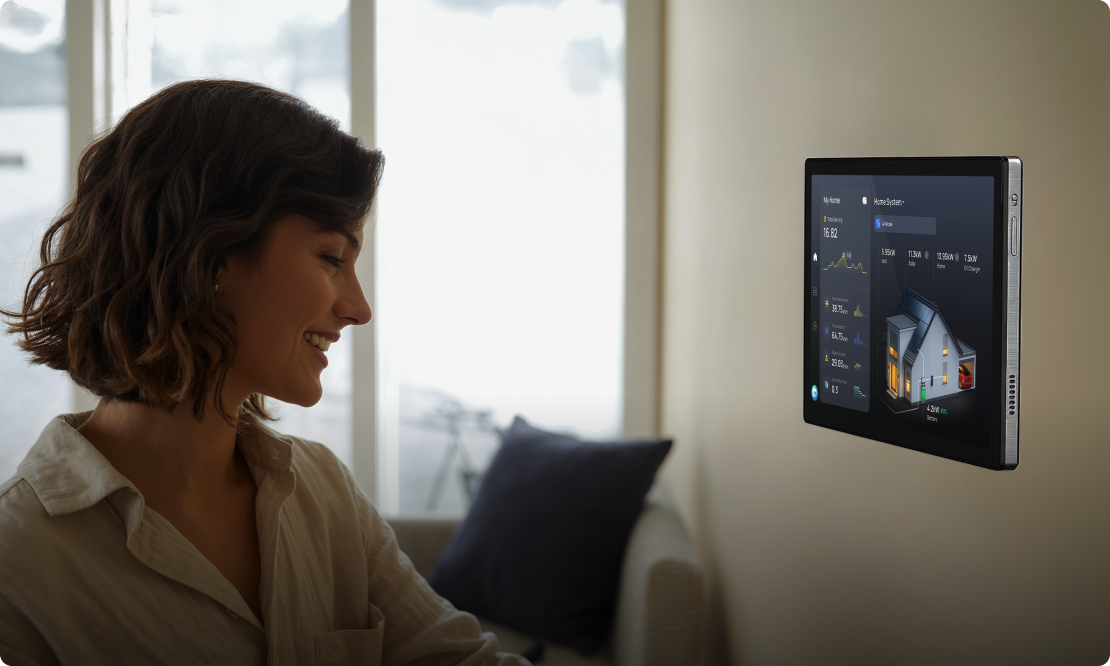
The EcoFlow PowerInsight 2 is a game-changer here. Featuring an 11-inch HD touchscreen, it provides a vivid, intuitive display of your home’s energy data, total consumption, and battery levels. Through its visual reports and historical data analysis, you can see exactly when your controlled load appliances are kicking in and adjust your habits to avoid any “energy leaks.”
2. Managing Energy with Solar and Storage
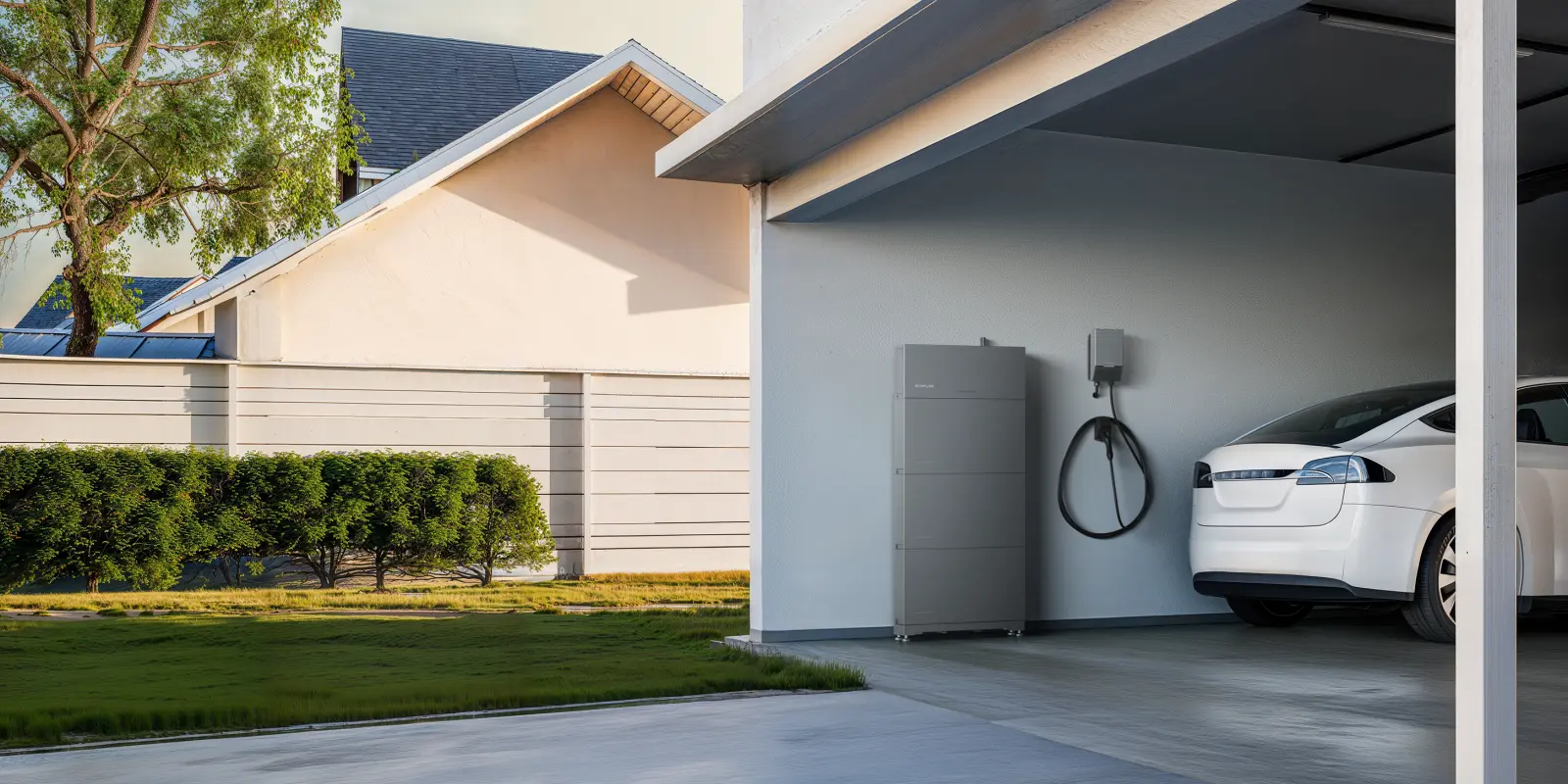
Once you’ve got the data, the next step is taking control of the supply. Many Aussie homes are now pairing controlled loads with solar and storage. For instance, the EcoFlow PowerOcean(Single-Phase) offers a modular home battery solution that can scale up to 45kWh.
With its smart energy management, you can automatically coordinate your controlled load devices—like that thirsty pool pump—to run when your solar panels are cranking or when the battery storage is full. This ensures you’re using every drop of “free” sunshine before even touching the grid.
3. Scheduling for Maximum Savings
If your energy provider offers a “Super Off-Peak” window that coincides with your controlled load, use your home automation system to ensure your heavy lifters only run during those specific hours. Consistency is key to long-term savings.
Common Controlled Load Mistakes to Avoid
Even with the best intentions, it’s easy to get caught out by a few common traps.
1. Neglecting Regular Maintenance of Appliances
A controlled load only saves you money if the appliance is efficient. A scaled-up hot water heating element will take longer to heat, staying on for more hours and eating into your savings. Keep your gear serviced!
2. Misinterpreting Billing and Tariff Signals
Don’t assume your “Off-Peak” period is the same as your “Controlled Load” period. Always check your specific energy plan’s Fact Sheet (the EFS) to confirm exactly when your controlled load is active.
3. Overlooking Seasonal Changes in Energy Demand
In winter, your hot water system works much harder because the ambient water temperature is lower. If you’re on a restricted controlled load (like CL1), you might find you run out of hot water by evening. Monitoring your usage via a smart dashboard can help you decide if you need to switch to a longer controlled load window (CL2) for the colder months.
To truly stay ahead of these seasonal fluctuations, moving towards a complete Home Energy Ecosystem can automate these adjustments, ensuring your home stays efficient regardless of the weather.
Conclusion
Controlled load is a fantastic “set and forget” tool for any Australian home looking to fight back against rising power prices. By understanding your circuits, monitoring your usage with tools like the EcoFlow PowerInsight 2, and backing it all up with a PowerOcean battery system, you can turn your home into a high-efficiency powerhouse.
Schedule Your Free Consultation Today!
What kind of product or solution are you interested in?


FAQs
1. Is controlled load worth it?
Yes, it is generally very worth it for high-energy appliances like electric hot water systems or pool pumps, as the rates are significantly lower than standard residential tariffs.
2. How do I know if I have a controlled load of electricity?
Check your most recent electricity bill for terms like “Controlled Load,” “Dedicated Circuit,” or “Off-Peak 1/2”; you can also look in your meter box for a separate meter or a specific sub-circuit labeled for hot water.
3. What can I put on controlled load?
You can typically only put large, hardwired appliances on a controlled load, such as electric storage hot water systems, pool pumps, and slab heating.
4. Is aircon controlled load?
Usually, no, because air conditioners need to be used on-demand when you are home, whereas controlled load power is only available during specific hours dictated by the grid.
5. Do smart meters have controlled load?
Yes, modern smart meters are designed to handle controlled load switching internally, eliminating the need for the old-fashioned separate “clacker” boxes or multiple physical meters.