Electricity Peak Hours in Australia: Peak, Off-Peak & Shoulder Times
Electricity isn’t charged at the same rate all day on every electricity plan. If you’re on a time-of-use tariff, power usually costs more during peak periods, often in the late afternoon and evening, and less during off-peak periods. The exact peak, shoulder, and off-peak hours vary by state, distributor, retailer, and plan.
This guide explains how these tariff periods work in Australia, where to find the hours that apply to your home, and how shifting appliance use, using solar power, or adding battery storage can help reduce electricity costs during peak periods.
| Tariff Period | Typical Hours (Weekdays) | Typical Rate Profile |
|---|---|---|
| Peak | Evening: often around 4:00 PM–9:00 PM Morning: some plans also include morning peak periods | Highest |
| Shoulder | Periods between peak and off-peak, often during the daytime | Medium |
| Off-Peak | Often overnight and, on some plans, weekends | Lowest |
Key Takeaway
Check your meter & plan: Time-varying rates apply when your electricity plan uses a Time-of-Use (TOU) tariff. Flat-rate plans charge the same usage rate regardless of when you use electricity.
Shift heavy loads: Running flexible loads such as pool pumps, EV chargers, and dishwashers during lower-priced periods can reduce their electricity costs, depending on the difference between your plan's peak and off-peak rates.
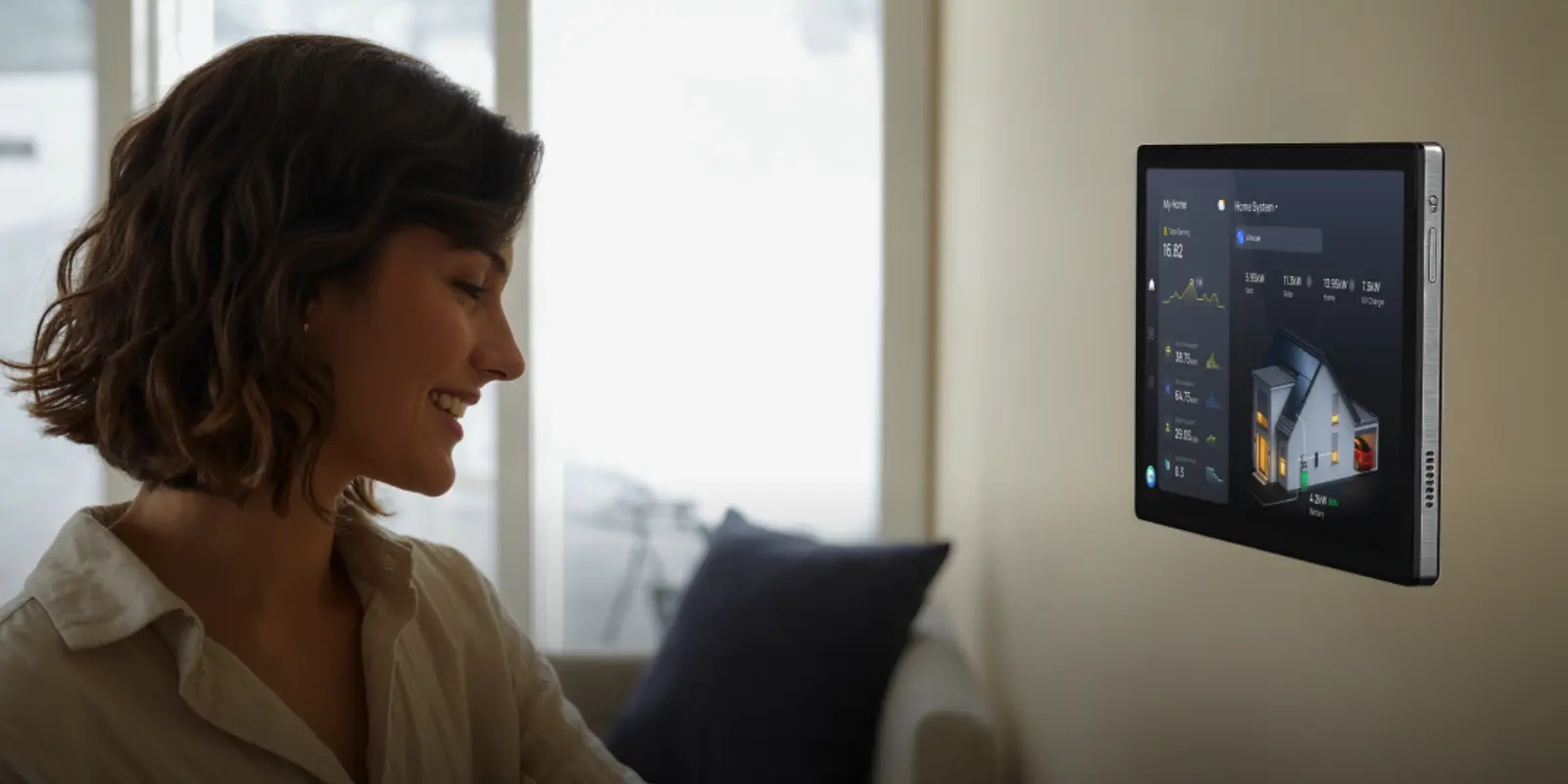
Track real-time draw: Devices like EcoFlow PowerInsight 2 can help you monitor household energy use and identify appliances or circuits that contribute to higher consumption during expensive periods.
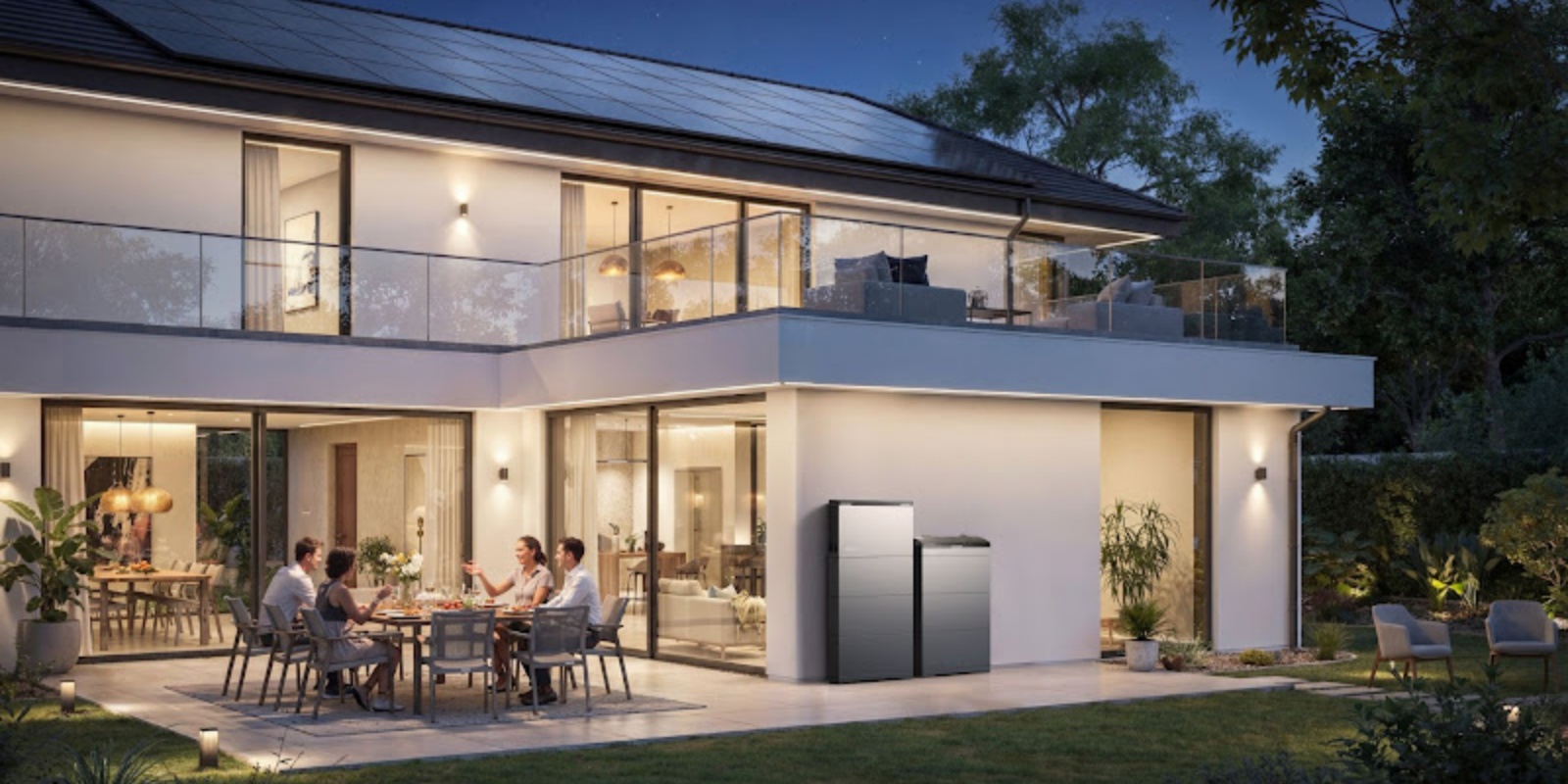
Close the solar loop: Rooftop solar can reduce daytime grid consumption, while a residential battery such as the EcoFlow OCEAN 2 Plus Single Phase can store surplus solar energy for use later when solar generation is lower and electricity prices may be higher.
What Are Peak, Off-Peak and Shoulder Electricity Hours in Australia?
Peak, off-peak and shoulder periods are different pricing windows used on Time-of-Use electricity plans. The applicable hours and rates vary by retailer, distributor, location, and plan, so they are not the same across Australia.
What Are Peak Electricity Hours?
Peak hours are periods when electricity prices are typically higher on a Time-of-Use tariff, often during periods of higher household and system demand. During these windows, using heavy appliances can cost more per kilowatt-hour (kWh) than during shoulder or off-peak periods.
What Are Off-Peak Electricity Hours?
Off-peak periods are the lower-priced windows on a Time-of-Use tariff. They commonly occur overnight and may also apply during weekends, depending on the plan. Some tariffs also offer lower-priced or free midday periods to encourage electricity use when solar generation is abundant. These periods can provide opportunities to shift flexible loads away from more expensive peak hours.
What Are Shoulder Electricity Hours?
Shoulder hours sit between peak and off-peak periods and typically have a mid-range usage rate. The exact shoulder hours and prices depend on your electricity plan.
How Time-of-Use Electricity Tariffs Work in Australia
A time-of-use (TOU) tariff charges different rates across set time periods, unlike a flat-rate plan, which applies the same usage rate regardless of when you use electricity.
In the National Electricity Market (NEM), Five-Minute Settlement (5MS) changed wholesale electricity market settlement from 30-minute to five-minute intervals in 2021. This market reform should not be confused with the time intervals used for individual household metering and retail billing, which can depend on the meter, retailer, and plan.
How to Find and Avoid Peak Electricity Hours on Your Plan
Your electricity bill or plan fact sheet will show whether you are on a single-rate or Time-of-Use tariff. If different rates apply, it should also list the peak, shoulder and off-peak hours for your home.
Check Your Electricity Plan and Electricity Bill
Your electricity bill should show the usage charges that apply to your plan. Check whether you are billed on a single rate or multiple tariff tiers such as “Peak”, “Shoulder”, or “Off-Peak”. Your retailer’s Basic Plan Information Document (BPID), Energy Fact Sheet, or other plan information should provide the applicable pricing periods and rates.
Check Whether You Have a Smart or Interval Meter
To access a Time-of-Use tariff, your home generally needs a meter that can measure electricity use at different times of the day, such as a smart or interval meter. You can check your meter type and plan eligibility with your retailer. smart meter.
Time-of-Use pricing depends on time-stamped consumption data, but the metering interval and billing arrangements can vary by meter, retailer, and plan. Five-Minute Settlement (5MS) applies to wholesale electricity market settlement and does not mean that every household’s retail bill is calculated from five-minute readings.
Older accumulation meters measure cumulative electricity use rather than recording consumption by time interval. This can limit access to plans that require interval consumption data, although the exact eligibility depends on the retailer, meter configuration, and tariff.
Compare Your Usage With Your Electricity Tariff
Merely knowing your plan’s generic peak and shoulder schedule is rarely enough. Every home operates on a unique cadence, and family routines do not always align neatly with tariff schedules. Guessing which appliance caused a bill spike usually leads to wasted effort.
A dedicated home energy monitor like the EcoFlow PowerInsight 2 bridges this gap by delivering granular, real-time energy tracking straight to your wall display or phone. Instead of waiting for an eye-watering quarterly bill, you see precisely which circuits and appliances are drawing power at 6:30 PM. Armed with live wattage and cost metrics, pinpointing energy-hungry culprits becomes straightforward.
Shift High-Energy Appliances to Off-Peak Hours
Some household appliances can contribute significantly to electricity use during peak periods:
• Dishwashers and washing machines: Many modern units feature delay-start timers. Where your tariff makes overnight use cheaper, you can schedule these appliances to run during the applicable off-peak period.
• Electric hot water systems: Electric storage hot water systems can use significant amounts of electricity, so a controlled load tariff may help reduce their operating costs where available. Alternatively, a timer can be used to schedule heating when electricity is cheaper or when your solar system is generating. For more detail on this tariff option, see our guide to what is controlled load.
• Pool pumps: Where practical, schedule pool pumps and filtration systems during periods when your electricity rate is lower or when your solar system is generating, rather than during higher-priced peak periods.
• Electric vehicles (EVs): Schedule EV charging during your plan's off-peak period, or during the daytime when excess solar generation is available.
Can Solar and Battery Storage Reduce Peak Electricity Costs?
Solar panels can reduce grid electricity use during daylight hours, but household demand can remain high after solar generation starts to decline. A solar battery storage system can store some daytime solar surplus for later use, although potential savings depend on system size, household consumption, battery operation, and electricity rates.
Use Solar Energy During Daytime
Solar generation is generally strongest during the middle of the day, although the most productive hours vary by season, location, system orientation, and weather. If you work from home or can automate flexible loads, running appliances while your solar system is generating can increase self-consumption and reduce electricity purchased from the grid.
Store Excess Solar Energy for Evening Peak Hours
A classic Australian dilemma arises because solar generation peaks around midday, yet household electricity demand peaks between 5:00 PM and 9:00 PM—right after the sun dips below the horizon. Without storage, your midday surplus exports to the grid for a modest feed-in tariff, only for you to buy electricity from the grid hours later at a potentially higher retail rate.
Installing a residential battery storage system, such as the Ecoflow OCEAN 2 Plus single phase, solves this mismatch directly. Engineered to suit standard single-phase Australian homes, it captures your roof’s daytime surplus and stores it for deployment during the evening peak.
By discharging stored battery power when household demand is high, your home can reduce its reliance on higher-priced grid electricity during peak periods. This creates a more flexible energy cycle: generate by day, store the excess, and use stored energy later when solar generation is lower.
Use Battery Storage to Reduce Grid Electricity Use
A battery system can reduce your exposure to higher electricity rates by supplying some household demand from stored energy during expensive periods. Depending on the system and tariff, battery charging and discharging can also be scheduled to make better use of lower-cost electricity or excess solar generation.
Monitor and Optimise Household Energy Consumption
Pairing energy monitoring with battery storage can help you refine your household energy strategy over time. By observing seasonal usage patterns, you can adjust battery settings, schedule charging from lower-cost electricity when appropriate, and make better use of available solar generation. A Home Energy Ecosystem can bring compatible monitoring and storage devices together to support this approach.
Schedule Your Free Consultation Today!
What kind of product or solution are you interested in?
Conclusion
Peak and off-peak hours differ from plan to plan, so check your latest bill and plan information before changing when you run your appliances. If you’re on a time-of-use tariff, shifting EV charging, pool pumps, dishwashers, and other flexible loads to lower-priced periods can help reduce electricity costs.
Solar panels can reduce daytime grid use, while a home battery can store surplus solar energy for later use. Before installing a battery, compare the system cost, usable capacity, expected savings, and your household’s actual energy use. An energy monitor like the EcoFlow PowerInsight 2 can help you understand when your household uses the most electricity, while the EcoFlow OCEAN 2 Plus Single Phase provides a storage option for compatible single-phase homes.
Disclaimer: Electricity tariffs, peak and off-peak periods, and eligibility for specific offers vary by state, retailer, meter type and electricity plan and may change over time. Check your current electricity plan and your retailer’s latest terms for the most accurate rates, time periods and eligibility requirements.
FAQs
Is electricity cheaper at night in Australia?
It can be cheaper at night if you’re on a time-of-use tariff with an off-peak period overnight. Many plans have lower overnight rates, but the exact hours and prices vary by retailer and plan. If you’re on a flat-rate tariff, your usage rate stays the same regardless of when you use electricity.
Is electricity cheaper on weekends?
On some Australian time-of-use tariffs, electricity is cheaper on weekends, with off-peak or shoulder rates applying for some or all of the weekend. However, the exact weekend pricing periods vary by plan, so check your retailer’s pricing information before shifting your electricity use.
What time is electricity cheapest in Australia?
There is no single cheapest period across Australia because electricity prices depend on the plan. Overnight is commonly an off-peak period on time-of-use tariffs, while some plans also offer lower-priced or free midday periods. For example, the Solar Sharer Offer, introduced from 1 July 2026, provides a three-hour free-power window from 11am to 2pm in NSW and South East Queensland, and from 12pm to 3pm in South Australia.
Do all Australian electricity plans have peak hours?
No. Flat-rate or single-rate plans charge the same usage rate regardless of the time of day, so they do not have separate peak or off-peak periods. Australia is also progressively rolling out smart meters, but having a smart meter does not automatically mean that a household is on a time-of-use tariff.
Can solar panels help reduce peak electricity costs?
Solar panels can reduce grid electricity use during the day and may lower the amount of electricity you buy during shoulder or other higher-priced periods. However, solar generation generally declines toward the evening, when household electricity use may remain high. A home battery can store surplus solar energy during the day and make it available later, potentially reducing grid purchases during evening peak periods.