Definition of Renewable and Nonrenewable Resources: A 2026 Guide
Energy powers everything—from homes to industries. But not all energy sources are the same. Some can be naturally replenished, while others are limited and will eventually run out. Understanding the definition for renewable and nonrenewable resources helps you make smarter energy choices. This is very important in Australia, where solar adoption is growing rapidly across the country. This guide explains what these resources are and how they differ. We will cover their advantages and disadvantages. We also look at how solar panels and home batteries are shaping a cleaner future.
What are Renewable and Nonrenewable Energy Resources?
Renewable resources are energy sources that replenish naturally over very short periods. Renewable energy sources come from natural elements such as wind, water, the sun, and even plant matter. Because they are part of Earth's natural cycles, they do not run out. We can use them today, and they will still be there tomorrow.
Nonrenewable resources are finite. These resources took millions of years to form deep underground from ancient plants and animals. Because they take so long to create, they cannot be replaced once we use them. Common examples include coal, natural gas, and oil. Once burned, they are gone forever.
Key Differences: Renewable and Nonrenewable Energy Resources
Knowing the definition of renewable and nonrenewable resources helps you compare and contrast the performance of both types of energy resources. From availability to sustainability, these differences shape long-term energy choices.
Availability
Renewable: These sources are infinite. As long as the sun shines and the wind blows, we have power. They do not have an expiry date.
Non-renewable: These are finite. We have a limited supply of coal and gas. Once we pull them from the ground and burn them, they are gone forever.
Environmental impact
Renewable: These are the cleanest options. They produce little to no greenhouse gases during operation. This helps slow down climate change and keeps our air fresh.
Non-renewable: Burning these fuels releases carbon dioxide and other pollutants. This contributes to climate change, air pollution, and environmental damage. This is a primary cause of global warming and can lead to local health issues.
Cost over time
Renewable: These often have higher upfront costs for equipment. However, the "fuel" (sunlight) is free. Over time, they usually become the cheapest way to power a home.
Non-renewable: These are often cheaper to build initially. But you must constantly buy more fuel to keep them running. As resources become scarce, these costs usually go up.
Sustainability
Renewable: Highly sustainable because the source of energy (sun, wind, water) is not reduced by usage. It provides a long-term, secure energy source.
Non-renewable: These are not sustainable. Using them today means there is less left for the future. We are essentially spending money on a "savings account" that cannot be topped up.
Examples for Renewable and Nonrenewable Resources
Energy sources fall into two main groups. Here are common examples of renewable and nonrenewable resources used across Australia and globally.
Renewable Resources
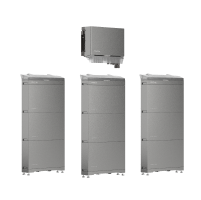
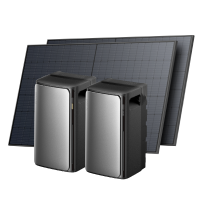
Solar energy: Solar energy captures sunlight to provide clean, infinite power. But since the sun doesn't shine at night, a solar setup needs a way to save energy. A complete system usually includes solar panels and a storage system. For example, adding an EcoFlow PowerOcean Single-phase Battery helps by storing extra power for cloudy days or nighttime. This arrangement ensures your home stays operational, and it also reduces your dependence on the expensive power grid.

To find the perfect fit for your home, get a solar battery quote today and start your renewable journey.
Schedule Your Free Consultation Today!
What kind of product or solution are you interested in?
Wind energy: Generated by wind turbines turning kinetic energy into electricity, it is a clean, cost-effective, and rapidly growing power source.
Hydropower: Hydropower generates electricity by capturing the energy of moving water. This is done through large dams or smaller run-of-river plants. As the water flows, it spins large turbines that make clean, dependable electricity. It is one of the best ways to power the grid.
Biomass: Biomass energy comes from natural materials like wood and farm waste. When you burn or process these things, they generate heat and electricity.
Geothermal energy: Geothermal energy sources are derived from the heat inside the Earth. This type of energy is reliable but only available in a few areas on Earth.
Non-renewable Resources
Coal: A black rock that is combustible, created from ancient plant life; the most common type of fuel for traditional power plants.
Petroleum (Oil): A fossil fuel that is used to make fuels like gasoline and diesel; these are critical for transportation.
Natural gas: Often found near oil reserves, natural gas is also widely used for heating and power generation.
Nuclear fuels: Such as Uranium-235, do not emit greenhouse gases during fission, but the amount of these fuels is limited and requires complex waste management.
Advantages and Disadvantages of Renewable and Nonrenewable Energy Sources
Deciding how to power your home is a balance. We must look at the pros and cons to truly define renewable and nonrenewable resources in 2026.
Renewable Energy Sources
Advantages:
Environmentally friendly: These sources produce little or no pollution. They help reduce greenhouse gas emissions and keep the air clean. This will protect the planet as well as the animals from the effects of global warming.
Sustainable: These energy sources are naturally replenished. They never run out because they come from nature. The sun, wind, and water are infinite sources, and we can always count on them in the future too.
Low operating cost: Once installed, systems like solar panels need minimal upkeep. There are no fuel costs, which helps reduce electricity bills over time.
Energy independence: Renewables reduce reliance on imported fuels. This gives households and countries more control over their energy supply.
Disadvantages:
High initial cost: Installing solar panels or wind systems can be expensive upfront. However, costs are dropping as technology improves.
Weather dependent: Solar and wind energy depend on natural conditions. They don't produce power when the sun goes down or the wind stops. This requires careful planning to ensure you have electricity during calm or cloudy days.
Space requirement: Some systems need large areas to work well. Solar and wind farms require a lot of open land to be truly effective. This can sometimes conflict with farming or natural habitats in certain regions.
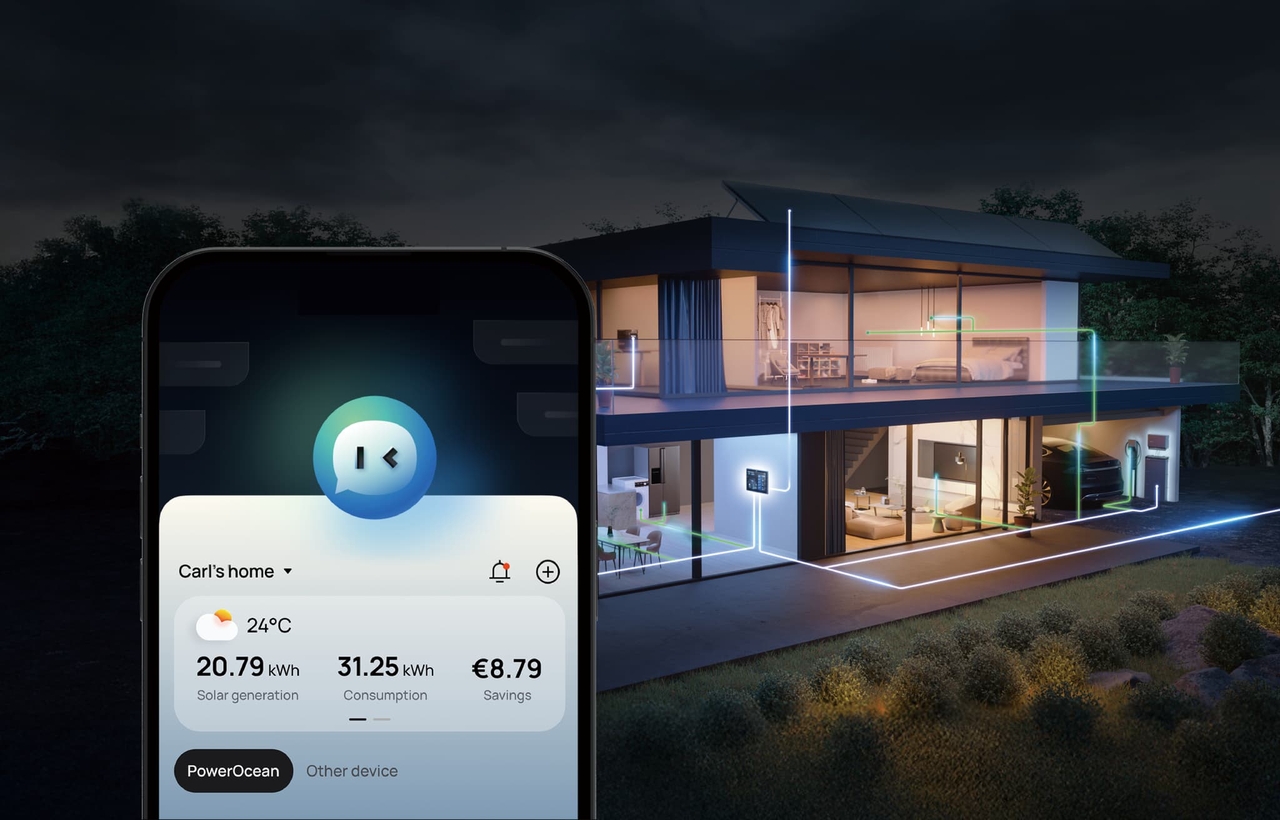
Storage challenges: Energy storage used to be a headache. Batteries cost a lot and hold limited power. You might lose excess solar during the day or run short at night. Modern, scalable solutions like the EcoFlow home battery now make storage easier. It uses advanced LFP technology to store massive amounts of solar energy safely. The EcoFlow app allows you to track your usage in real-time and adjust settings. Depending on where you live, you might even be able to make money by participating in virtual power plants. For a lot of homes, it's a savvy investment.
Nonrenewable Energy Sources
Advantages:
Reliable: These sources provide a consistent energy supply. They work 24/7 regardless of the weather or the specific time of day. This stability makes them a common choice for keeping the main power grid running smoothly.
High energy output: These fuels generate massive amounts of energy efficiently. They are very powerful and can run heavy industries with ease. A small amount of fuel can produce a very large amount of electricity.
Established infrastructure: Most grids are already built to use these fuels. This makes them easy to use with existing systems and technology. There is no need for a massive overhaul of the current power lines or plants.
Lower initial cost: Generally, these plants are cheaper to set up than renewables. The technology is older and very well-understood by engineers. This makes it a tempting short-term choice for developing energy systems.
Disadvantages:
Environmental pollution: Burning these fuels releases harmful gases. This is a major cause of climate change and global warming worldwide. It also leads to acid rain and the degradation of natural ecosystems.
Finite resources: These fuels take millions of years to form. Because we use them so fast, they will eventually run out for good. Once the world's supply of coal and oil is gone, it can never be replaced.
Health risks: The pollution from these sources can cause serious health problems. It affects breathing and overall wellness in local areas. Fine particles in the air can lead to long-term lung and heart issues for residents.
Price fluctuations: Costs can jump due to scarcity or global events. Relying on these makes you vulnerable to sudden, massive price spikes. As the resources become harder to find, the cost to mine them continues to rise.
Conclusion
Understanding the definition for renewable and nonrenewable resources is the first step toward a more sustainable lifestyle. Nonrenewable resources are finite and cause significant environmental damage. In contrast, renewable energy sources are infinite and offer a cleaner path forward for our planet. The future of energy is undeniably renewable. The technology to harness the sun and wind is available and more efficient than ever before. By investing in these solutions today, you can gain true energy independence and protect the world for future generations.
FAQs
1. Why are they called renewable resources?
They are called "renewable" because they naturally replenish over a human timeframe. Unlike fossil fuels, which take millions of years to form, these sources come from recurring natural processes. The sun, wind, and water provide a constant supply of energy that does not run out as we use it.
2. How long do renewable resources last?
Renewable resources are essentially infinite. As long as the sun exists, we will have solar and wind energy. While the equipment used to capture this power—like solar panels or turbines—may need replacing after 25 to 30 years, the actual energy source will last for billions of years.
3. Which is better: renewable or nonrenewable energy resources?
Renewables are better for the planet and your future bills. They produce almost no pollution and never run out. Nonrenewables give steady power now but pollute heavily and will eventually run out. In Australia, renewables have already hit over 50% of grid power in late 2025. The shift is clearly on.
4. Is renewable energy profitable?
Yes, especially for homeowners. In 2026, solar power continues to be a smart financial move. Many Australian households see their solar systems pay for themselves within a couple of years, often between 2 and 5, thanks to reduced electricity costs. Incorporating a home battery, such as the EcoFlow PowerOcean, allows you to sidestep those costly peak grid rates. Plus, you could potentially make money by participating in a Virtual Power Plant.
5. Are there government incentives for renewable energy in Australia?
Yes, the Small-scale Renewable Energy Scheme (SRES) offers an immediate discount for solar installations. This encompasses both rooftop solar systems and rebates for batteries. The "Cheaper Home Batteries" program also helps families save. Many states offer their own grants or interest-free loans to help you switch to clean power.