Home Decarbonisation: How Australian Households Can Reduce Carbon Emissions and Energy Costs
Decarbonising your home can significantly reduce household emissions and energy costs, particularly when efficient electric appliances are powered by rooftop solar. The savings will depend on your home, energy use, location, electricity tariff, and the upgrades you choose.
This guide breaks down how going all‑electric with solar can significantly reduce your emissions, protect you from rising energy costs, and set your property up for the long haul.
Key Takeaways
Electrification beats gas: Reverse‑cycle air con and heat pump hot water systems use a fraction of the energy that standard gas units do.
Solar self‑consumption is key: Generating power with solar is only half the story. Storing that excess daytime energy in a battery can reduce reliance on low-value feed-in tariffs and higher peak electricity rates.
Thermal envelope first: Sort out ceiling insulation and draught‑proofing before you upgrade your equipment. It cuts your heating and cooling needs from the start.
Smart visibility pays off: A central hub gives you live data on generation and usage, making it easy to automate high‑draw appliances when your solar's cranking.
Reduce gas supply costs: If you replace your gas appliances and no longer need a gas connection, you may be able to disconnect the service and avoid ongoing gas supply charges. Check the costs and requirements with your retailer or distributor.
What Does Home Decarbonisation Mean for Australian Households?
For most Australian households, home decarbonisation starts with looking at how the home is heated, cooled and powered. Replacing gas appliances, improving insulation and using more solar electricity can all reduce the amount of energy a home needs from fossil fuels.
Understanding Household Carbon Emissions
Household emissions can look pretty different from one home to the next. It all depends on your electricity and gas use, the size of your place, where you live, and how clean your local grid is. For most homes, the big ticket items are heating, cooling, and hot water. So the first step is working out where your energy’s actually going – that helps you figure out which upgrades will cut your emissions and save you money at the same time.
The Role of Energy Use in Home Emissions
Heating, cooling and hot water can make up a substantial share of household energy use, making them some of the most important areas to target when improving home efficiency. Upgrading insulation, choosing efficient heating and cooling systems, and switching to heat pump hot water can reduce the energy required to keep your home comfortable. When these systems are powered by rooftop solar or lower-emissions grid electricity, they can also help reduce household carbon emissions.
Why Australian Homes Are Moving Towards Electrification
Electrification is becoming the benchmark for energy efficient homes across Australia, with modern electric appliances, especially heat pumps and induction cooktops, helping households reduce energy use and improve long-term efficiency. Modern electric appliances, especially heat pumps and induction cooktops, run significantly more efficiently than gas. And when you power them with rooftop solar, something Australia does better than almost anywhere else, your operational emissions can be significantly reduced while your ongoing costs drop sharply. It’s a practical shift with measurable results.
Which Home Improvements Can Reduce Carbon Emissions?
You don’t need to replace everything at once. Insulation, draught proofing and shading can improve the home’s thermal performance, while upgrading older gas and electric appliances can reduce energy use over time.
Improve Energy Efficiency Through Better Insulation and Upgrades
Before you go replacing big appliances, it pays to get your building envelope sorted so your heating and cooling don’t just leak straight out.
Ceiling & Wall Insulation: Pick an insulation R‑value that suits your climate, your home's design, and local rules. Good ceiling, roof, and wall insulation cuts heat transfer and lowers the energy you need to stay comfortable.
Window Glazing & Shading: Double glazing or external shade – eaves, awnings, verandas – blocks that harsh afternoon sun.
Draught Proofing: Weather strips around doors and windows stop air sneaking in and out where it shouldn't.
Energy‑Efficient Appliances: When it's time to replace your fridge, washing machine, or dryer, check the Energy Rating Label and annual consumption. A more efficient model will use less power over its lifetime.
Replace Fossil Fuel Systems With Electric Alternatives
Switching out legacy gas systems, such as replacing gas heating with a reverse cycle air conditioner, delivers an immediate performance upgrade while helping reduce household carbon output.
| Existing Gas Appliance | Electric Replacement | Key Advantage |
|---|---|---|
| Gas ducted or room heater | Reverse-cycle air conditioner | Efficient heating and cooling from one system |
| Gas storage water heater | Heat pump hot water system | Can significantly reduce energy use compared with conventional electric resistance water heating |
| Gas cooktop | Induction cooktop | Fast heating, precise temperature control and no gas combustion indoors |
Reduce Energy Waste From Daily Household Activities
Simple daily habits add up. Set your air con to around 25°C–27°C in summer and 18°C–20°C in winter, those few degrees make a real difference on your bill. Use the eco cycles on your washing machine and dishwasher, and wash with cold water when you can. Smart power boards help too, and switching things off at the wall stops that standby drain. It’s not complicated, but it works.
How Can Solar Energy Help Homes Decarbonise?
Rooftop solar’s pretty common across Australian homes these days, but slapping panels on the roof is only half the story. What you do with that power, makes a big difference to your bills and how much value you actually get out of the system.
Generate Renewable Electricity From Rooftop Solar
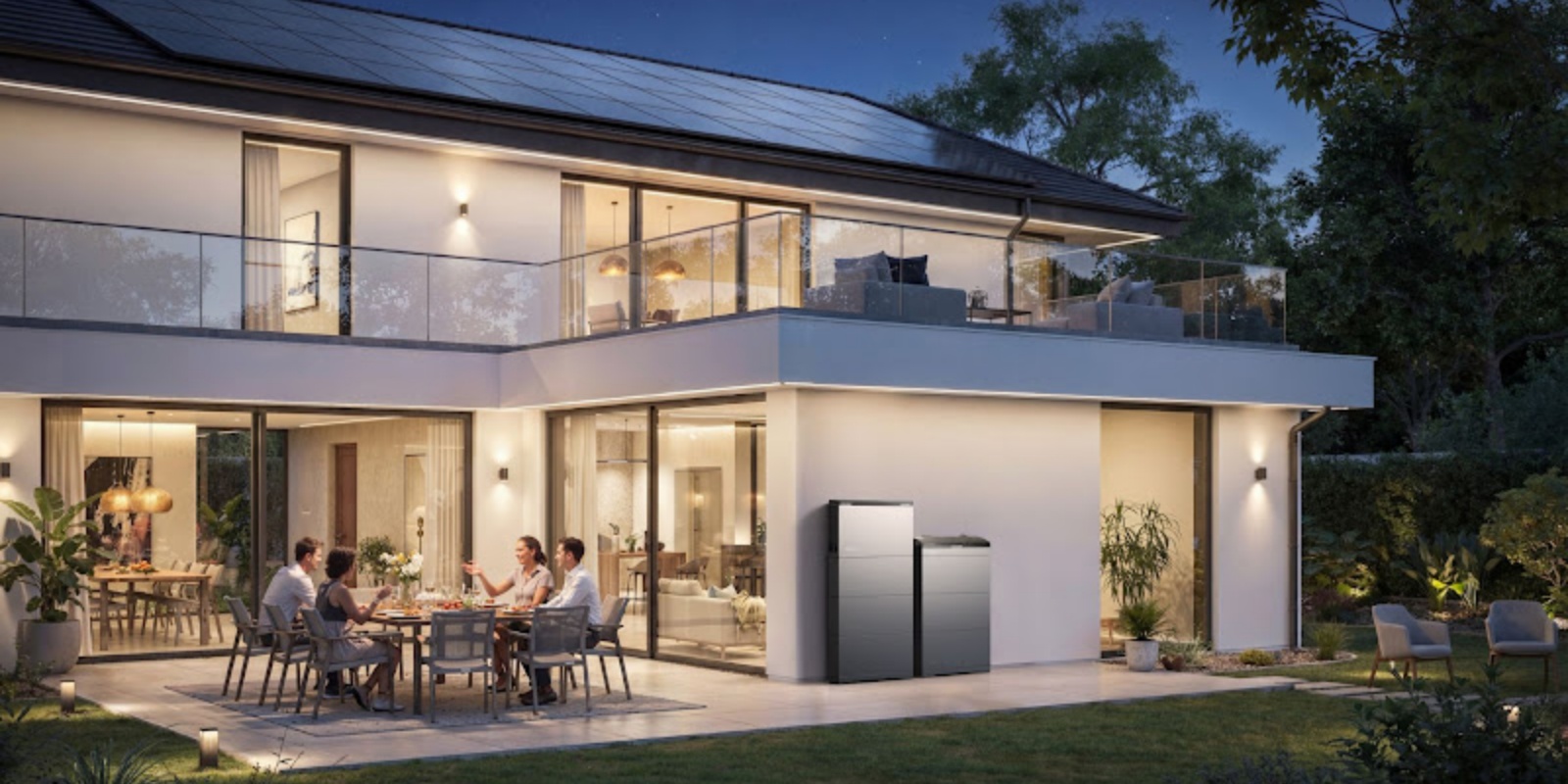
By June 2025, more than 4.2 million Australian homes and small businesses had rooftop solar installed, according to Clean Energy Council data. In the first half of that year, rooftop solar contributed a significant share of Australia’s electricity generation. A typical 6.6 kW to 10 kW system cranks out plenty of clean power during the day, running your appliances directly and sending any surplus back into the local grid. Adding an EcoFlow Solar Battery can help households capture more of this renewable energy and use it when solar generation is lower.
Increase Solar Self-Consumption With Energy Storage
Rooftop solar pumps out most of its power during the day, but a lot of households use more energy in the late afternoon and evening. Feed‑in tariffs also tend to be a lot lower than what you pay to buy power back from the grid. So boosting your solar self‑consumption is a smart way to get more value out of your system. How much you save depends on where you live, your retailer, your tariff, and how your household uses energy.
A lot of Australian households find their excess daytime solar just goes to waste, leaving them back on the grid once the sun goes down. The EcoFlow OCEAN 2 Plus Single‑Phase helps fix that mismatch. It stores your surplus daytime generation and makes it available when your demand picks up later in the day. By using more of your own solar, a battery cuts down what you buy from the grid and makes better use of what your rooftop system produces.
Typical Australian Payback Periods
Going all-electric can reduce household energy costs, but the financial outcome varies considerably between homes. The following figures are illustrative ranges showing how different upgrades may perform under different household, tariff and incentive conditions; they should not be treated as guaranteed savings or standard payback periods across the NEM.
| Upgrade | Estimated Upfront Cost (After Subsidies) | Illustrative Annual Savings | Illustrative Payback Range |
|---|---|---|---|
| Rooftop Solar (6.6–10 kW) | $4,000 – $8,500 | $1,200 – $2,000+ | Around 4–8 years |
| Heat Pump Hot Water | $1,500 – $3,500 | $400 – $800 | Around 4–8 years |
| Home Battery Storage (10–15 kWh) | $8,000 – $14,000 | $1,000 – $1,800 | Around 7–12 years |
| Full Home Electrification | $15,000 – $25,000+ | $1,800 – $3,000+ | Often 7–15 years, depending on upgrades, energy prices and available incentives. |
Note: Combining battery storage with high solar self-consumption and time-of-use (TOU) arbitrage delivers the fastest payback.
How Can Smart Energy Management Improve Home Decarbonisation?
Once you’ve got solar, a battery, or efficient appliances, the next thing to figure out is when to use that energy. Keeping an eye on what your household’s actually using helps you spot waste and shift bigger loads to times when your solar’s cranking.
Monitor Household Energy Generation and Consumption
Decarbonising your home takes good gear, but real efficiency comes from managing how and when you use that energy. The EcoFlow PowerInsight 2 gives you a live view of your power flows, solar output, and consumption patterns. It looks at your habits, shows you where you can improve, and helps you get the most out of your clean energy setup.

Optimise Energy Use With Real-Time Data
Live monitoring takes the guesswork out of managing your home energy. With timers or real‑time data, you can schedule heavy loads like the pool pump, dryer, or dishwasher to run when your solar’s at its peak – usually between 11am and 2pm. It’s a simple shift that means your appliances run on free sunshine instead of pricey evening power.
Prepare Homes for EVs and Smart Appliances
With more and more EVs turning up in suburban driveways, smart home energy systems can now schedule charging around when solar’s available or when off‑peak rates are at their lowest. When you link up your home battery, smart charger, and connected appliances, you can create a Home Energy Ecosystem that helps coordinate energy use, support backup power, and handle heavy loads more efficiently.
Schedule Your Free Consultation Today!
What kind of product or solution are you interested in?


Conclusion
A lower-carbon home does not have to be built in one step. Start with the upgrades that make the biggest difference for your household, such as insulation, efficient heating and cooling, heat pump hot water or rooftop solar. A battery and smart energy monitoring can then help you make better use of the electricity you generate.
For households looking to increase solar self-consumption, the EcoFlow OCEAN 2 Plus Single-Phase provides a way to store surplus generation for later use, while the EcoFlow PowerInsight 2 helps track household energy production and consumption in real time.
FAQ
What challenges do Australian households face when decarbonising their homes?
Upfront costs and older home layouts are the two biggest hurdles. Switchboard upgrades, replacing ducted gas, or renting with limited roof access can all complicate things. But federal and state schemes like the NSW Peak Demand Reduction Scheme, Solar Homes Victoria, and STCs, along with zero‑interest green loans, help take the sting out of the upfront outlay.
How much CO2 do solar panels reduce?
A typical 6.6 kW rooftop solar system in Australia can avoid several tonnes of carbon emissions each year, depending on location, electricity generation and the local grid mix. Over a typical 25-year lifespan, that’s more than 180 tonnes of greenhouse gases avoided by a single home system.
Are house batteries worth it in Australia?
Yes, they’re becoming more worthwhile as feed‑in tariffs drop and evening peak rates rise. Storing cheap midday solar to run your air con, cooking, and appliances at night can make a real dent in your bills. Plus you get backup power during storm‑related blackouts.
Can existing homes be fully electrified?
Yes, just about any established Australian home can go fully electric over time. It usually means upgrading the switchboard, swapping gas hot water for a heat pump, replacing gas heating with reverse‑cycle units, fitting an induction cooktop, and then getting the gas meter capped and removed.