What Exactly Is A Brownout In Australia? Causes And Prevention Tips
It is a hot summer afternoon in Australia, and as temperatures soar, your lights dim and appliances flicker. You haven't lost power completely, but something is wrong. This common situation leaves many homeowners wondering: what is a brownout?
The national energy grid works hard during extreme heatwaves and winter cold snaps. When pushed to its limit, the system struggles to deliver full voltage to every home. This article explores the true brownout meaning and the common causes behind these electrical dips.
Most importantly, we provide practical tips to protect your sensitive appliances. From immediate manual fixes to smart energy solutions that automate your home's protection, we will help ensure grid problems never damage your property again.
What is a brownout electricity drop?
To understand this problem properly, we need a clear and simple brownout definition. A brownout happens when there is a temporary drop in the voltage of your electrical power supply. In Australia, our homes normally run on a standard voltage of 230V to 240V. During this kind of grid event, the voltage might drop by 10% to 25%. It might fall to 200V or even lower for a period of time.
Think of your home's electricity like water flowing through a garden hose. If you turn the tap on fully, you get strong, steady water pressure. This represents normal, healthy electricity. Now, imagine someone else turns on another tap in the yard. Your water pressure drops immediately. Water still flows out of your hose, but it is much weaker. This is exactly a brownout electricity drop. The power stays on, but it is flowing at a significantly reduced level.
You can practically define brownout conditions in your own home by looking for a few simple signs. The most obvious sign is your household lighting. Traditional lights will dim noticeably. Modern LED lights might flicker rapidly and become annoying. Your microwave might beep strangely. Your internet router might restart itself for no reason. Understanding this helps you realise the value of modern energy solutions. For example, investing in a robust home solar system and a solar battery storage setup is a great way to shield your house from these unpredictable grid voltage fluctuations.
Brownout vs blackout: Key differences
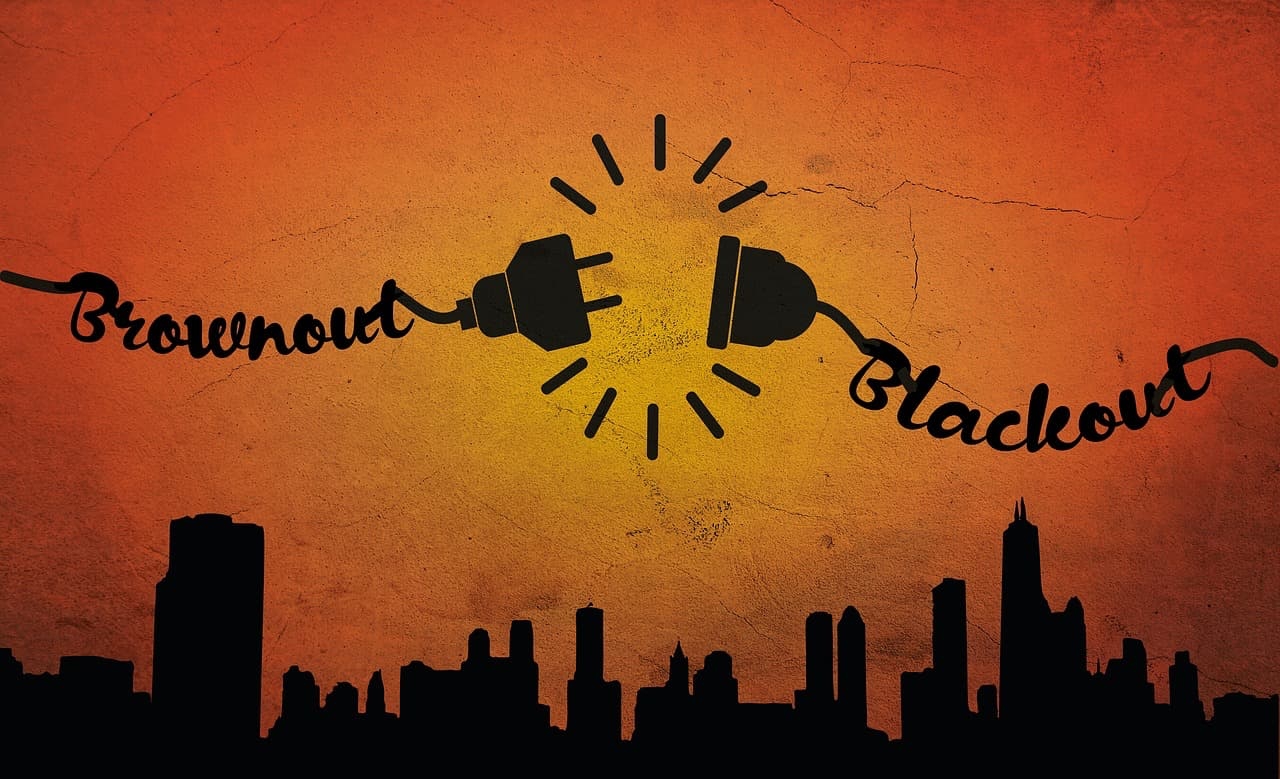
People often get confused between a brownout vs blackout situation. It is very easy to mix them up. However, they are very different electrical events. We must clear up this confusion right now. When comparing a brownout vs blackout, the main difference is the total amount of power you lose.
A blackout is a complete and total loss of electrical power. The electricity is severed completely. Your lights go completely dark. Your fridge stops running entirely. The entire street or suburb usually goes dark at the exact same time. Blackouts are generally unannounced. They happen because a power line breaks in a storm, or a major transformer blows up. To ensure your home stays powered through these sudden emergencies, it helps to choose a system with a long LiFePo4 battery life that provides the durability needed for frequent backup use.
On the other hand, the brownout meaning involves only a partial dip in power. The power company might even trigger it on purpose. It is a controlled reduction. If you are trying to figure out if you are experiencing a brownout or blackout, just look up at your ceiling lights. If they are glowing dimly but not completely off, you still have some electricity flowing. You are experiencing a voltage drop, not a total outage.
Main causes of a brownout electrical event
If you are asking what a brownout is in the context of grid management, you need to look at how the entire country uses power. The Australian electrical grid is massive and incredibly complex. It requires a perfect balance between the energy being created and the energy being used. When that delicate balance breaks, voltage problems occur.
Here are the primary causes behind a brownout electrical event in Australia:
Extreme Weather Conditions: Australia has incredibly harsh weather. Severe summer storms in Queensland, heavy winds in Victoria, and raging bushfires across New South Wales can physically damage the power lines. When infrastructure is damaged, the electricity struggles to flow smoothly to your local suburb.
Exceptionally High Power Demand: This is the most common cause. Think about a typical summer weekday. At 5 PM, everyone comes home from work. Millions of people turn on their air conditioners, televisions, and electric ovens all at once. The grid simply cannot generate enough power to meet this massive, sudden demand. This sudden overload is exactly what triggers a brownout across a neighborhood. Because of these recurring demand spikes, finding the best solar battery Australia has to offer is becoming a popular choice for families looking for stability.
Intentional Grid Management: Sometimes, the energy providers cause the voltage drop on purpose. If the grid is dangerously close to overloading and failing completely, the operators will step in. They reduce the voltage flowing to certain areas. This intentional reduction prevents a catastrophic, large-scale blackout from happening.
How does brownout electricity affect homes?
You might think that low power is safer than high power. Unfortunately, this is entirely false. Living through a brownout contains hidden dangers that can easily cost you thousands of dollars. The real danger of brownout electricity lies in how it affects electric motors.
Many of your largest and most expensive household appliances rely on induction motors to function. Your kitchen refrigerator, your ducted air conditioning unit, and your swimming pool pump all use these motors. These motors are designed to run on a steady 240V supply. When a brownout electricity event happens, the voltage drops. However, the motor still needs the exact same amount of total power to do its heavy job.
To make up for the low voltage, the motor is forced to draw much more electrical current. Drawing excess current creates a massive amount of heat inside the appliance. This extra heat can quickly melt the internal wiring. It can destroy the motor completely. This is why a drop in power is often more destructive to your fridge than a total power cut. The appliance literally works itself to death trying to stay on. Understanding this makes it clear why protecting your appliances from unpredictable brownouts is so vital for your wallet.
How to prevent brownouts from damaging appliances
Now that you know the definition, you must learn how to defend your property. You cannot control what the Australian energy grid does. However, you can control how your home reacts to it. We recommend a tiered approach to appliance protection. This ranges from simple manual habits to fully automated whole-home hardware solutions.
Unplug devices and use surge protectors
The very first step requires your immediate physical action. When you notice your lights dimming, you need to walk around your house and unplug sensitive electronics. Unplug your expensive television. Unplug your gaming consoles and your microwave. If you manually remove them from the wall socket, they cannot be damaged by the fluctuating power.
Furthermore, you must invest in high-quality surge protectors for the devices you cannot easily unplug. Many people do not realise that the end of a voltage drop is actually the most dangerous part. When the energy company finally restores the grid to full capacity, the power often rushes back in a massive electrical spike. A good surge protector will absorb this sudden spike. It acts as a physical shield. It ensures the returning electricity does not fry your delicate computer boards.
Invest in an Uninterruptible Power Supply (UPS) or voltage regulator
Manual unplugging is good, but it is not always possible. You might not be home when the grid struggles. This is where localized device protection becomes necessary. For highly sensitive electronics that require constant, perfectly stable power, a UPS is vital.
An Uninterruptible Power Supply (UPS) or a line conditioner sits between the wall socket and your device. It is perfect for desktop computers, Wi-Fi routers, and home office equipment. These clever devices actively monitor the incoming electrical flow. If they sense the voltage dropping, they instantly use a small internal battery to regulate the power back to safe levels. If the power drops too low, the UPS provides instant battery backup. This gives you five to ten minutes of normal power. This is plenty of time to save your work and shut your computer down safely. This prevents data corruption and hardware failure.
Install a reliable home solar battery
The ultimate, whole-home hardware defense against unpredictable grid behavior is true energy independence. If you generate and store your own stable power, you simply do not care what the national grid is doing. A solar system with a battery isolates your house from the chaos outside.
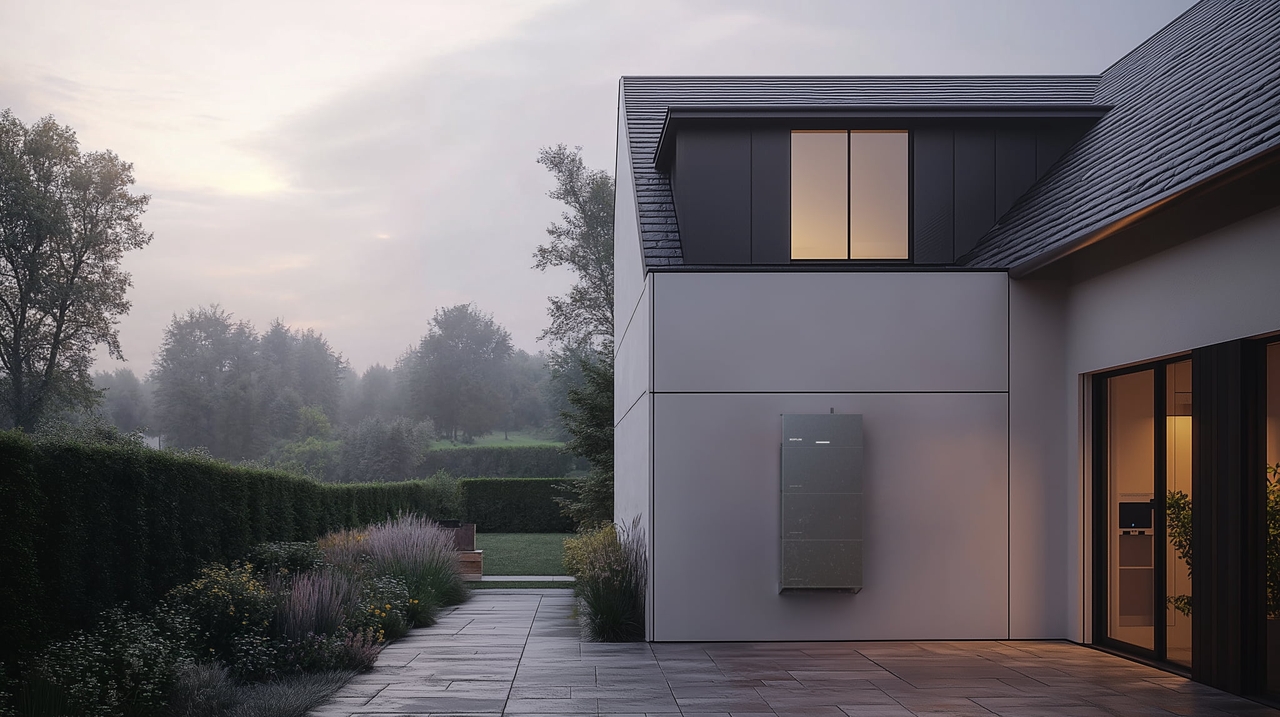
By utilizing a scalable system, such as the EcoFlow PowerOcean Single-phase Battery, your home can seamlessly switch over to its own stored energy the moment grid instability is detected. When the street voltage drops, the battery instantly takes over. Your lights will stay bright. Your fridge motor will continue to receive a perfect, healthy flow of electricity. All household appliances keep running safely without any interruption.
Are you tired of dealing with unpredictable grid fluctuations and worrying about your appliances? You can easily take control of your home's power. Feel free to request a consultation with professional energy consultants. Get a customized quote today.
Schedule Your Free Consultation Today!
What kind of product or solution are you interested in?

Automate your power with a smart energy management system
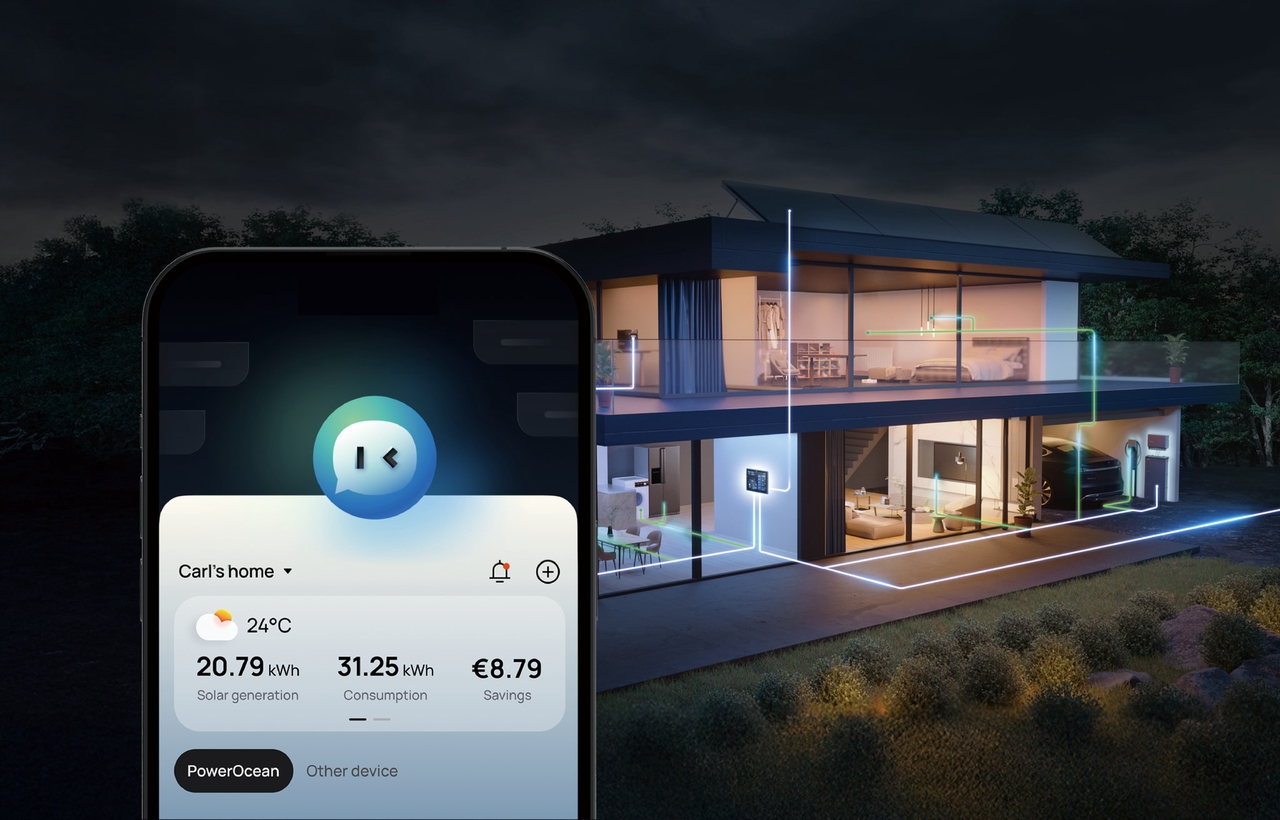
If you want to step up your home protection, you should look into smart software solutions. You can introduce a digital "brain" to your home. A Home Energy Management System acts as a digital brain. It actively checks grid health in real-time. At the same time, it monitors your household energy consumption.
With a smart setup, you no longer have to run around unplugging things manually. Advanced tools allow users to track voltage anomalies straight from their mobile phones. For example, using the EcoFlow HEMS application, you can automate how your house behaves. You can program the system to automatically restrict heavy appliance usage during grid instability. It can shut off power to your pool pump or stop your electric vehicle from charging when the grid struggles. This smart software prevents equipment strain without requiring you to lift a single finger.
Conclusion
Understanding exactly what a brownout electrical event is marks the first important step in protecting your home. We have learned that a brownout is caused by extreme weather and high electricity demand. We also know they are very different from total blackouts. Low voltage is incredibly dangerous to your large household motors. It often leads to overheating and expensive repairs. While we cannot control the heavy strain on the Australian power grid, we can control our homes. You can protect your home with a smart mix of tools. Start with quality surge protectors and local UPS devices. Then, add smart management software and a stable home solar battery system. This combination ensures your appliances stay safe and your lights stay perfectly bright.
FAQs
1. What are the first signs of a brownout?
The most common first sign is your household lighting. Your ceiling lights will start to dim noticeably. If you have LED lights, they might begin to flicker rapidly. You might also hear your refrigerator motor straining, or your internet router might suddenly restart itself.
2. What should I unplug during a brownout?
You should immediately unplug all sensitive and expensive electronics. This includes your televisions, gaming consoles, desktop computers, and microwaves. Unplugging them protects their delicate internal circuit boards from the dangerous power fluctuations and the sudden surge that follows.
3. How long do brownouts usually last?
They can last from a few minutes to several hours, depending on grid strain. To avoid disruption, a home battery like the EcoFlow Home Battery can automatically switch your house to stored power until the grid stabilizes.
4. Should I turn off my AC during a brownout?
Yes, you should turn it off immediately. We strongly advise turning off heavy-draw appliances like air conditioners. This prevents their internal motors from suffering heat damage. This also protects them from the massive power surge that often occurs when normal voltage returns.
5. What damage can a brownout cause?
Low voltage causes motors to overheat and melt internal wiring. Using a reliable backup, such as the EcoFlow Home Battery, protects your appliances. It switches to stable power the moment a brownout occurs, keeping your motors safe.