What is a BEV? Understanding Battery Electric Vehicles in Australia
Petrol costs across Australia continue to reach new heights in 2026. Household budgets feel the pressure every time drivers visit the pump. Consequently, the shift towards electric transport is growing fast. Drivers want to escape the petrol station for good.
However, new technology brings new questions. When exploring the car market today, you will see many acronyms. The most common question homeowners ask is: What is a BEV?
This article will demystify the BEV meaning for you. We will break down how these vehicles work without confusing jargon. We will also weigh the pros and cons of electric driving in Australia and outline the economic benefits. Finally, you will learn how to charge your BEV vehicle using home solar setups to unlock maximum savings.
What is a BEV and how does a BEV electric vehicle work?
Understanding the massive shift to electric driving starts with basic definitions. Once you know what the terms mean, technology is actually very simple to grasp.
Understanding the BEV definition
Let us clearly define the term first. A BEV stands for Battery Electric Vehicle. This specific type of car runs entirely on electric power. This power is stored in a large onboard battery pack. A BEV car has no internal combustion engine at all. This means there is no fuel tank. There is no exhaust pipe. It produces zero tailpipe emissions to pollute the local air.
You can contrast the BEV definition easily against other types of vehicles on the market. For example, Hybrid Electric Vehicles (HEVs) still use traditional petrol engines. Plug-in Hybrid Electric Vehicles (PHEVs) also use small petrol engines alongside small electric motors. A true BEV relies 100% on electricity. It acts very much like a moving battery. In many ways, it stores power just like a standard home battery system stores grid or solar power for your house.
The mechanics behind a BEV vehicle
The mechanics of a BEV electric vehicle are very straightforward. The journey of electricity always starts at the charging point. Power flows from the charger, through a thick cable, and into the car's battery. This large lithium-ion battery pack stores the electricity as Direct Current (DC).
When you press the accelerator pedal, the car needs to move. However, the car's motor uses Alternating Current (AC). This is where a very important part, called the inverter, comes in. The inverter takes the DC power from the battery. It then converts it into AC power. This AC power is sent directly to the electric motor. The electric motor spins rapidly and drives the wheels. This moves the car forward instantly.
Every BEV electric vehicle also comes with a handy trick called regenerative braking. The second you lift your foot off the pedal, the motor actually runs in reverse. This action safely slows the car down. It also captures kinetic energy from the moving car. It sends that power back into the battery. This unique process actually recharges the car slightly while you drive. This highly efficient action increases your overall driving range.
How owning a BEV car impacts your household electricity bill
Trading petrol for electricity fundamentally changes your household energy dynamics. It lays the groundwork for how you will manage your utility bills in the future.
The shift from petrol to power consumption
When you buy an electric vehicle, you stop paying at the petrol pump. This feels incredibly great for your wallet. However, that energy cost does not just disappear into thin air. It simply moves to your home energy bill.
Charging a BEV car requires a significant amount of electricity. This directly and noticeably increases your household's overall kilowatt-hour (kWh) consumption. In short, your home officially becomes your new petrol station. You must plan for this change.
Estimating your new daily kWh usage
Let us break down the numbers simply so you know what to expect. The average Australian drives around 35 to 40 kilometres a day. To cover this typical daily commute, a BEV electric vehicle might need around 6 to 8 kWh of electricity.
You must add this extra load to your home's normal daily energy usage. When you do this, you establish a new, much higher baseline for your average household electricity bill. If multiple people in the home drive BEVs, this daily electrical load increases even further. You must be prepared for this major change in your household's power needs.
The danger of peak evening grid tariffs
Relying strictly on the grid to power your car comes with major financial risks. Most drivers get home from work around 5 PM or 6 PM. This is exactly when electricity prices across the country are at their highest.
Plugging in a BEV vehicle right after work typically coincides with expensive Time-of-Use (ToU) peak evening rates in Australia. Drawing massive amounts of power during these expensive hours is the primary cause of EV-related "bill shock." You could end up paying premium rates just to fuel your car for the next day. To avoid this costly trap, finding the best solar batteries in Australia becomes a top priority for many new drivers.
Why smart charging is the key to true EV affordability
Without a solid charging strategy, expensive grid charging will quickly eat into your expected fuel savings. You might save a lot of money on petrol. However, you will give it straight to your electricity provider instead. Exploring alternative power sources is essential to keep your running costs low over the long term. This brings us to the incredible importance of home solar energy.
Maximising savings: Charging your BEV vehicle with solar
Australia has some of the best sunshine in the world. The absolute best way to maximize the economic benefits of BEVs is to charge them using your own rooftop solar panels. This helps you avoid pulling expensive power from the main utility grid.
Capturing peak daytime solar for your EV
Solar panels produce the absolute most power during the middle of the day. If you work from home or can charge your car during the weekend, you have a major advantage. You can plug your EV in when the sun is shining brightest.
Utilizing this surplus daytime solar generation directly into the vehicle's battery is the most cost-effective method to drive. You are essentially fueling your car for free using the sun. This method keeps your household bills extremely low.
Enhancing efficiency with smart solar charging
Standard chargers pull power from wherever they can get it. This often includes the expensive grid. However, using a dedicated smart charger gives you total control over your energy.
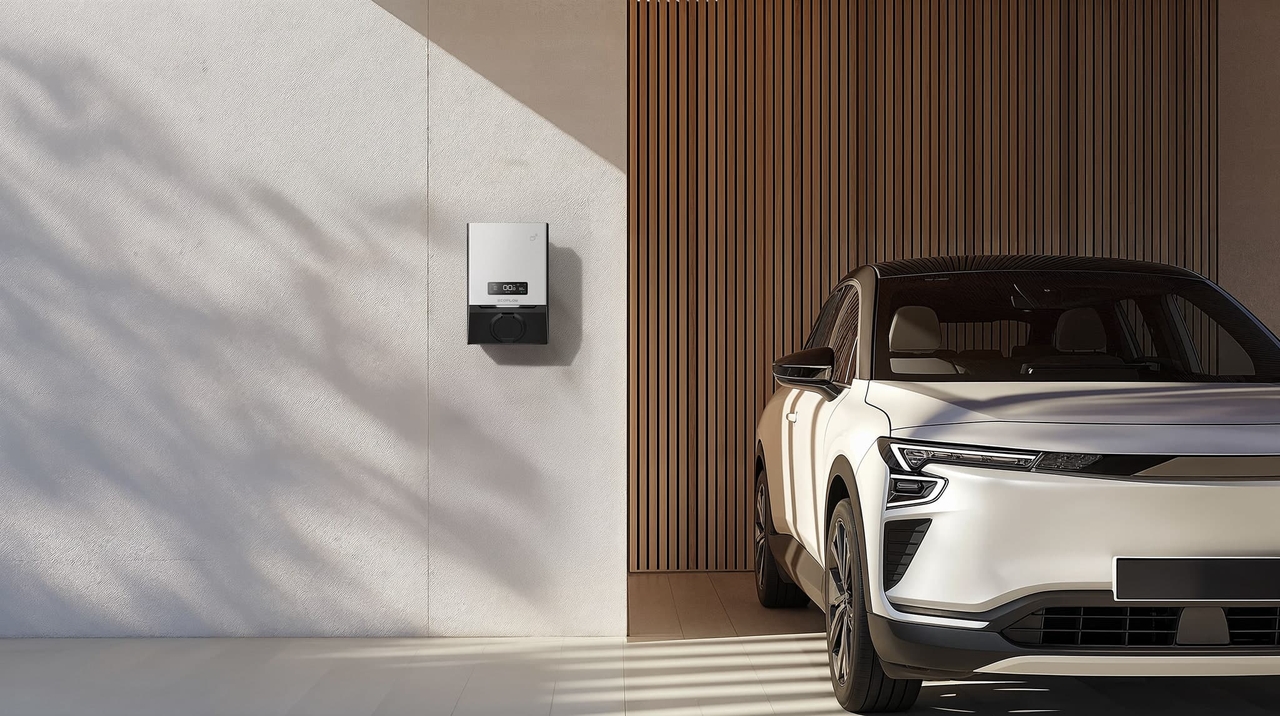
For example, using the EcoFlow PowerPulse 2 EV Charger allows homeowners to efficiently route surplus daytime solar generation directly into their BEV vehicle. This smart integration ensures your car strictly charges on free sunshine. It prevents the system from accidentally pulling expensive grid power.
Storing solar power for overnight charging
The reality is that many Aussie drivers are at work during peak sun hours. They drive their cars during the day. They need to charge them overnight when the sun is gone. Home batteries completely bridge this gap.
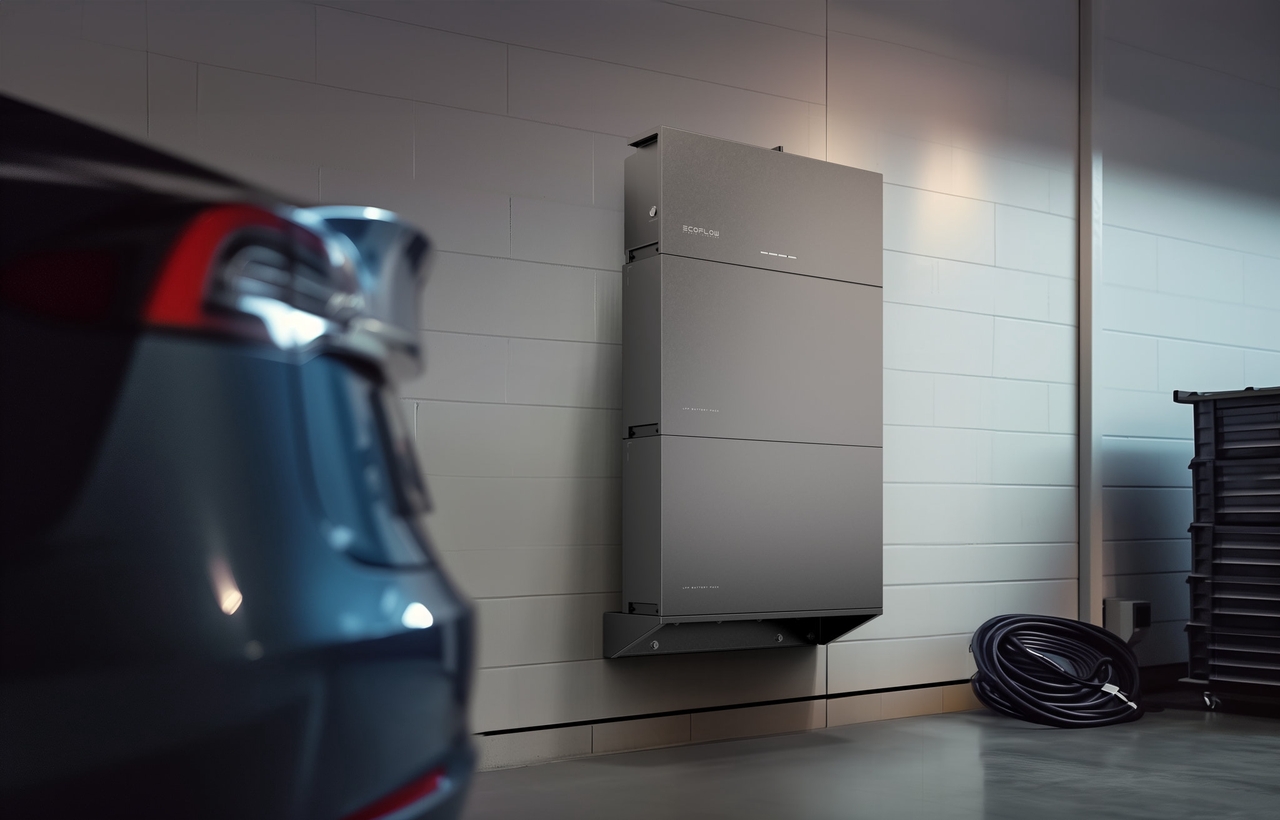
A modular storage system, such as the EcoFlow PowerOcean Single-Phase Battery, is built exactly for this specific purpose. It features a precise 5kWh capacity per battery module. This allows you to easily capture and store daytime sunshine while your car is parked at the office. You can then use this stored energy to charge your car after the sun goes down. This simple step completely slashes your reliance on expensive evening grid power.
Automating savings with Intelligent Mode
Software is what brings this whole home energy ecosystem together. Modern home energy setups use an Intelligent Mode enhancement to do all the heavy lifting for you.
Through the EcoFlow APP, it monitors your daily solar generation and your specific electricity rates. This smart software automatically prioritizes solar charging without you having to push any buttons.
If you ever need to use grid power, the system waits for the cheapest possible rates. This smart feature drops your yearly charging bills by up to hundreds of dollars. The best part is that you never have to lift a finger to make it work.
Unsure how to balance your household energy usage with your new EV? Reach out to request a consultation with the EcoFlow expert. They can design the perfect solar storage and charging setup for your home today.
Schedule Your Free Consultation Today!
What kind of product or solution are you interested in?

Pros and cons of owning a BEV car in Australia
Making the switch to electric driving is very exciting. Still, you really need to know the whole story before you buy one. Here is a fair and honest look at the real pros and cons for drivers in Australia right now.
Pros:
Zero emissions: You produce zero tailpipe emissions. This is a massive win for the environment and helps keep local air quality clean.
Instant torque: Electric motors deliver power instantly to the wheels. This creates a very smooth, quick, and highly responsive driving experience.
Quiet cabin: The complete lack of a rumbling combustion engine means drastically reduced vehicle noise while you are driving.
Ultimate convenience: You get the daily luxury of waking up to a "full tank" every single morning when you charge your car at home overnight.
Cons:
Range anxiety: Driving limits remain a genuine concern for some people. This is true even though battery ranges are improving rapidly in 2026.
Purchase price: The higher initial cost of a BEV car at the dealership can be a hurdle compared to buying a standard petrol vehicle.
Public charging: The ongoing expansion of fast-charging stations in regional and outback Australia is still a work in progress. Planning long road trips requires careful thought.
Before making the jump, you must look closely at your home setup. For instance, understanding the basics of EV charger installation is a crucial step. This ensures your home can safely and efficiently support your new vehicle without overloading your electrical panel.
Economic benefits of BEVs for Aussie drivers
You will usually pay a higher price at the dealership. But the money you save over time is huge. When you look at a 5-year period, owning a BEV car costs much less than keeping a regular petrol vehicle on the road.
The biggest and most obvious factor is fuel savings. Electricity is significantly cheaper than petrol. This is especially true if you generate your own power with solar panels on your roof. When you drive on solar power, the cost per kilometre driven drops dramatically to just a few cents.
Maintenance costs are also heavily reduced. A BEV electric vehicle has far fewer moving parts than a traditional car. Because of this, there is simply less that can break. There are no oil changes to schedule. There are no spark plugs or fuel filters to replace. There are no complex exhaust systems, radiators, or timing belts to repair.
Even the brake pads last significantly longer on an EV. Because regenerative braking does most of the heavy work to slow the car down, traditional friction brakes suffer far less wear and tear. Over five to ten years, these avoided maintenance trips keep thousands of dollars directly in your pocket.
Conclusion
Understanding the true BEV meaning is your very first step toward a cheaper, greener driving experience. These modern vehicles offer incredible performance. They produce zero emissions. They offer a welcome break from constantly rising petrol prices.
However, buying the car is only half the journey. Managing exactly how you fuel it is just as important. Public charging infrastructure continues to grow across the country. Still, pairing your BEV vehicle with a reliable home battery storage system remains the ultimate strategy. By generating and storing your own clean solar power, you can finally achieve true energy independence in Australia.
FAQs
1. How long does a BEV car battery last?
Modern electric car batteries are highly durable. They are built to last for the expected life of the vehicle. Most batteries easily retain strong capacity for 10 to 15 years. Manufacturers also provide long warranties covering at least 8 years.
2. Can I charge my BEV vehicle at home?
Yes, charging at home is the most convenient way to fuel your car. While a standard wall outlet is slow, a dedicated EV charger is faster. For example, the EcoFlow home battery stores daytime solar power, and you can charge with the PowerPulse 2 EV Charger easily at night.
3. How much does a BEV electric vehicle cost to charge?
The exact cost depends on your daily electricity tariff and your car battery size. Off-peak grid charging usually costs roughly $15 to $30. However, using your own rooftop solar panels can drop this daily charging cost to almost zero.
4. Should I charge my EV to 100% every night?
No, you should not charge to 100% for daily commuting. Most car makers advise charging lithium-ion batteries to 80%. This simple habit helps protect the battery and keeps it healthy. You should only save the full 100% charges for long road trips.
5. Which is better, PHEV or BEV?
The best choice depends entirely on your daily driving lifestyle. A PHEV offers a petrol backup for frequent regional trips. A BEV is much better for city driving. Pairing it with solar and battery storage (such as the EcoFlow home battery solution) maximizes your electricity savings.