EV Charger Installation Explained: A Practical Guide for Homeowners
Owning an electric vehicle (EV) already feels like you’ve hacked the future—cheaper running costs, zero tailpipe guilt, pure driving zen. Yet the moment that really flips the script is when your own driveway becomes the world’s most convenient recharging station. This little handbook spills all the secrets—right charger for your power setup and lifestyle, honest pricing from gear to sparky’s bill, and the shortcuts worth knowing, so every new day kicks off with your ride sitting there smug, 100% charged and ready to smoke the morning.
Why Install an EV Charger at Home?
While Australia’s public charging network is growing faster than a weed in a wet summer, nothing beats the convenience of home charging. It transforms your car from a chore into an appliance that’s always ready to go.
According to the Electric Vehicle Council, more than 90% of EV charging in Australia happens at home, highlighting just how essential a reliable home charging setup has become for EV owners.
1. Faster Charging Compared to Standard Outlets
Plugging your Tesla or BYD into a standard 10A wall socket (Level 1) is a bit like trying to fill a swimming pool with a garden hose. It’s painfully slow. A dedicated home charger (Level 2) can juice up your car up to three to five times faster, ensuring you’re not left waiting when you need to head out.
2. Convenience of Charging Your EV Overnight
There’s a certain peace of mind that comes with plugging in before you hit the hay and waking up to 100% battery. No more detours to the servo on your way to work or hunting for an available public plug while your coffee gets cold.
3. Long-Term Savings on Fuel and Charging Costs
Electricity is significantly cheaper than petrol, especially if you’re smart about when you use it. By charging at home, you avoid the premium prices often found at ultra-fast highway chargers, putting more dollarydoos back in your pocket over time, particularly when integrated with solar batteries to capture excess renewable energy.
Types of EV Chargers for Home Installation
Not all chargers are built the same. Depending on your daily commute and your home’s wiring, you’ve got a few options to weigh up.
You can compare the most common home EV charger types in the table below:
| Charger Type | Power | Charging Speed |
|---|---|---|
| Level 1 | 2.4 kW | 10–15 km range/hour |
| Level 2 | 7 kW | 35–40 km range/hour |
| Level 2 (3-phase) | 11–22 kW | 60–120 km range/hour |
1. Level 1 Chargers: Basic Plug-In Charging
These usually come with the car and plug straight into a standard Australian power point. They’re fine for an emergency or if you barely drive, but for most Aussie families, they just don’t cut the mustard for daily use.
2. Level 2 Chargers: The Most Popular Home Charging Option
This is the gold standard for home setups. These units require a dedicated circuit (like your oven or aircon) and provide a much beefier charge. They are the go-to choice for anyone wanting a reliable, fast overnight top-up.
3. Smart EV Chargers with Energy Monitoring
The latest craze in the EV world is all about smart charging. New chargers give you remote access, scheduled sessions, and proper real-time monitoring of your power draw via a smartphone app. So you can hunt for the most affordable off-peak rates and watch every kilowatt that goes into your car—no guesswork involved.
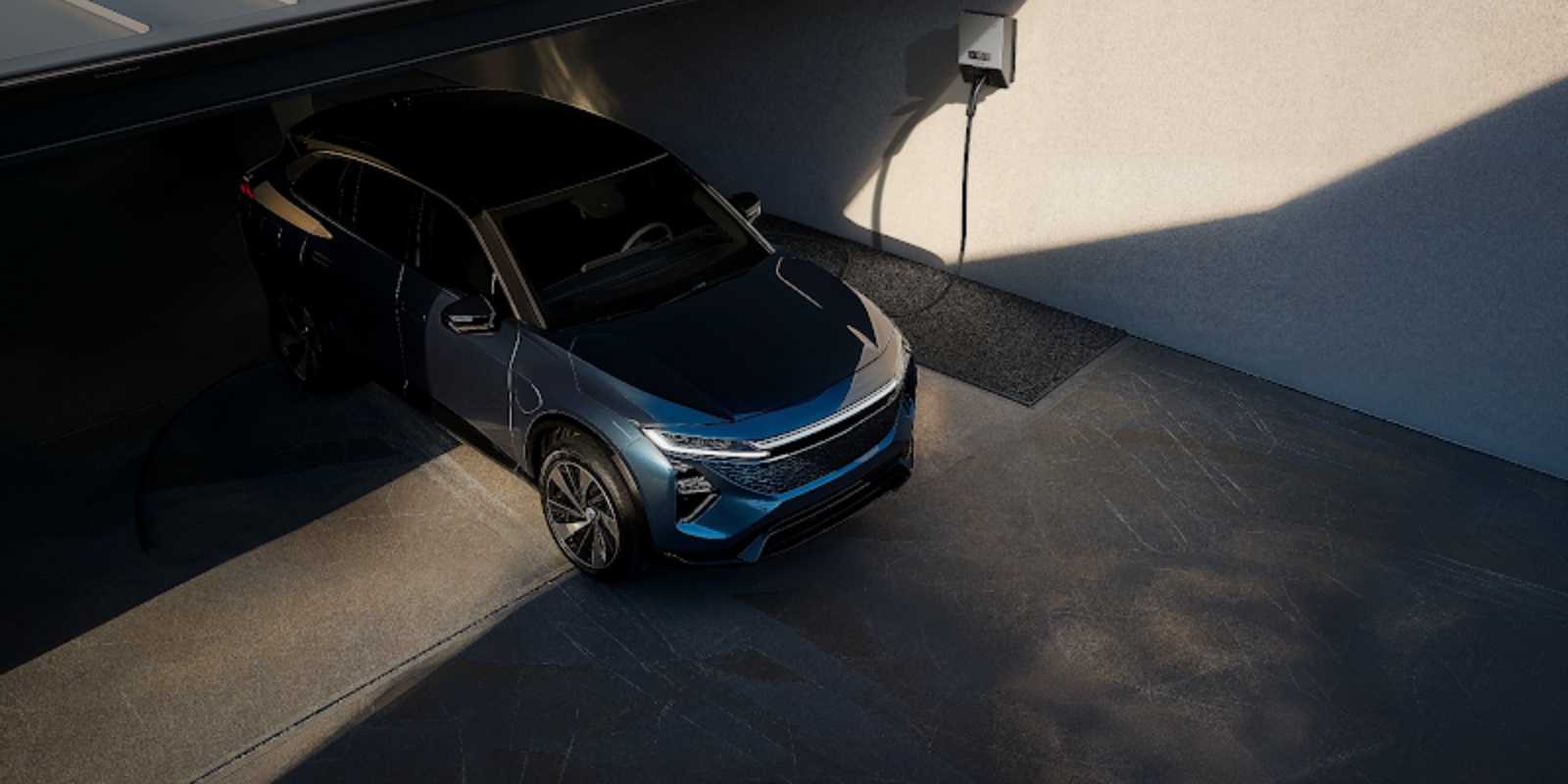
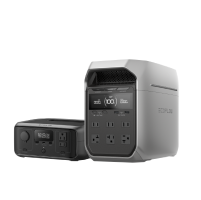
The EcoFlow PowerPulse 2 is a prime case of where the EV charging world is heading. It blends effortlessly into your home’s power network and offers detailed control over charging schedules and power consumption. Using its smart app functions, drivers can begin charging from their phone, helping manage energy more efficiently.
4. Tethered vs. Untethered Chargers
A tethered charger has the lead hard-wired in place (just like the pump hose at the petrol station), delivering top-notch convenience since it’s always there when you need it. An untethered (or socket-type) charger keeps things cable-free on the unit itself — you use your own lead — which gives a sleeker, less cluttered look on the wall and heaps more flexibility for different vehicles or cable setups.
Before Installing an EV Charger: What to Check
Before you call in the sparky, you need to do a bit of homework to make sure your house is up to the task.
1. Assessing Your Home’s Electrical Capacity
Most Aussie homes are more than capable of running a Level 2 charger without a hitch, but if you live in an older fibro cottage, your switchboard might need an upgrade to cope with the extra load.
2. Choosing the Right Installation Location
Think about where you park. Whether it’s inside a garage or out on the driveway, you’ll want the charger close to your car’s charging port and as near to your electricity meter as possible to keep wiring costs down.
3. Compatibility with Your EV Model
While most new EVs in Australia use the Type 2 (Mennekes) plug, it’s always worth double-checking that your chosen charger plays nice with your specific ride.
EV Charger Installation Process Step by Step
Ready to pull the trigger? Here’s a quick look at what the pros will do when they arrive at your doorstep.
Electrical Panel Preparation: A new, independent circuit is installed in your switchboard, specifically rated for the high-draw requirements of an EV.
Mounting the Charger and Wiring: The unit is fixed to your wall and fed with heavy-duty wiring, shielded by conduit to withstand Australian conditions.
Permit Approval and Inspection:Once the job is done, your spark will issue a Certificate of Electrical Safety (CES) to confirm the work meets Australian Standards.
Testing and Safety Verification: Before they head off, they’ll test the earthing and the charging speed to make sure it’s safe and snappy.
EV Charger Installation Cost and Requirements
Budgeting’s crucial — and while there is an upfront expense, the long-term return typically makes the investment easy to justify.
Average Cost: You’re generally looking at $1,500 to $3,000 all up for the charger hardware plus professional installation, depending on how tricky the job is.
Factors Affecting Cost: The main one is how far the switchboard is from the charger spot — if they need to trench the yard or squeeze through dodgy roof cavities, labour charges shoot up quickly.
Electrical Codes: Strict rules apply under AS/NZS 3000 across Australia. No DIY shortcuts — always hire a licensed tradie to keep insurance happy and your house in one piece.
Government Rebates for EV Charger Installation
One of the best things about being an EV owner in Australia is that the government often helps foot the bill. Depending on where you park your car, you could be eligible for significant savings that make home installation much more affordable.
Victoria’s Support
Through Solar Victoria, eligible households can sometimes tap into rebates for solar-battery systems that make EV charging even cheaper. Plus, there have been various pilot programs specifically aimed at apartment residents and businesses.
NSW EV Support
The NSW Government has been big on boosting infrastructure, offering grants for EV chargers in regional areas and multi-unit dwellings. It’s always worth checking the latest “EV ready” building initiatives.
Other States
From registration discounts in the ACT to specific infrastructure grants in QLD and SA, the landscape is always shifting.
Pro Tip: These programs change faster than the weather in Melbourne! Always double-check your state’s current energy or transport website before you buy to ensure you don’t miss out on a golden opportunity to save some cash.
Tips for Efficient and Safe EV Charging at Home
In Australia, “charging smart” is the key to slashing your power bills and getting the most out of our sunny climate. Here’s how to charge efficiently without breaking the bank.
Charge During Off-Peak Electricity Hours
Most Aussie energy providers offer cheaper rates late at night. Set your charger’s timer to start at midnight to take advantage of those “off-peak” bargains.
Integrating EV Charging with Solar Power
With so many Aussie rooftops sporting solar panels, it makes sense to “fuel” your car with sunshine. However, since the sun shines brightest when most of us are at work, there’s often a mismatch between when power is made and when the car is home.
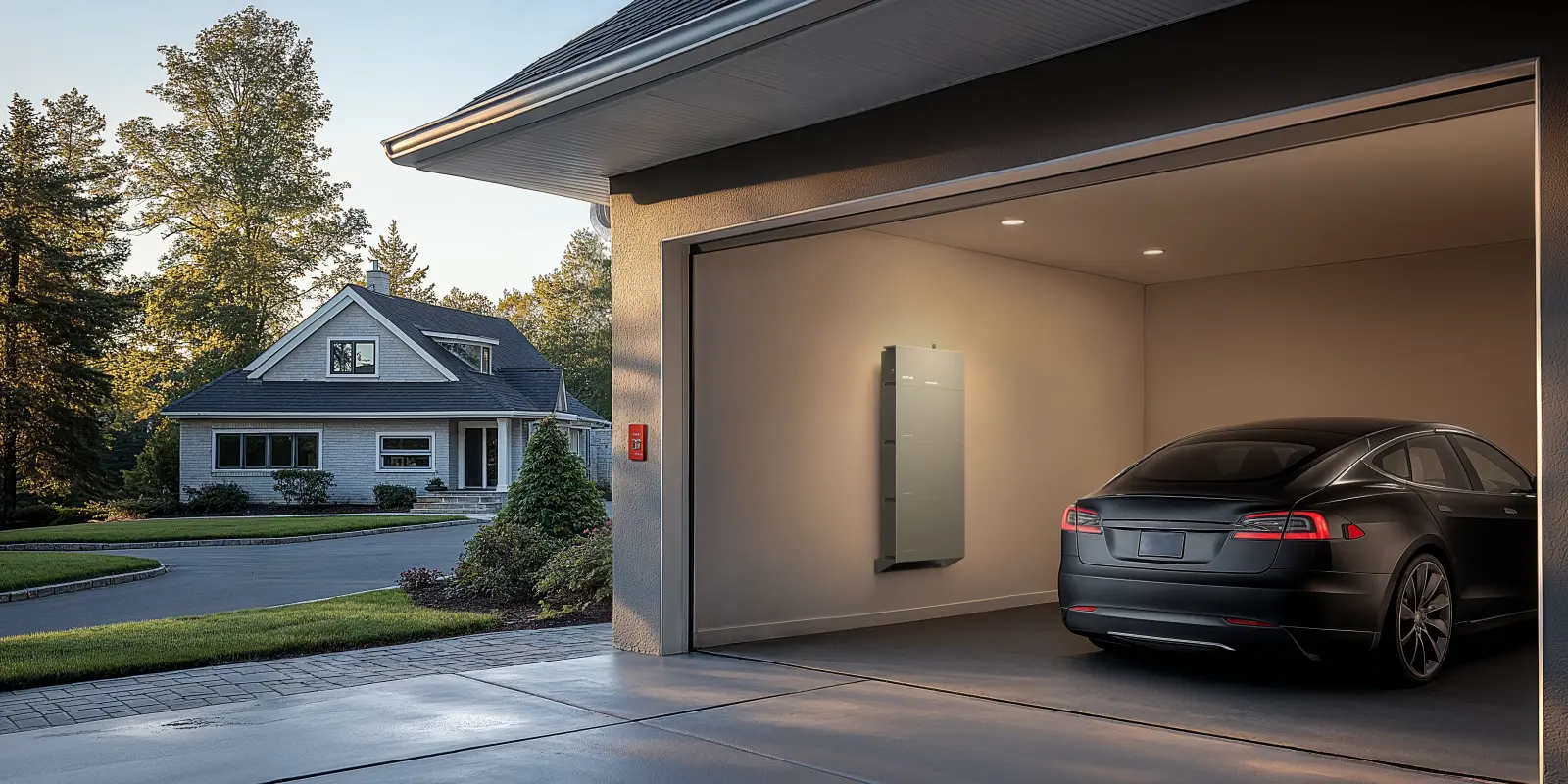
This is where a home battery system like the EcoFlow PowerOcean(Single-Phase) becomes a game-changer. It stores that excess solar energy generated during the day and holds onto it until you plug your car in at night. By using a storage system, you dramatically increase your solar self-consumption and become far less reliant on the grid—essentially driving on 100% clean, free energy.
Conclusion
A home EV charger is the finishing touch that makes the electric life flow without a hitch. Opt for something smart like the PowerPulse 2 and consider linking it to a broader Home Energy Ecosystem— it’s way more than a simple plug; you’re building a proper future-proof power hub on your property.
Schedule Your Free Consultation Today!
What kind of product or solution are you interested in?
FAQs
1. Can I Install an EV Charger Myself?
No. DIY EV charger installation isn’t allowed in Australia. You’ve got to get a licensed tradie on the job to follow the safety codes properly and make sure your house insurance stays valid.
2. How Long Does Installation Take?
You’re generally looking at 2 to 4 hours for a normal install — it all comes down to the run between the switchboard and charger spot, plus whether the board needs beefing up.
3. Do I Need a Permit for EV Charger Installation?
While you don’t usually need a council permit, your electrician must submit a compliance certificate to the relevant state electrical authority after the job is done.
5. Is it cheaper to install an EV charger at home?
Yes, charging at home is significantly cheaper than using public DC fast chargers, especially if you utilise off-peak rates or solar power.
6. Can a normal electrician install an EV charger?
Yes, any licensed electrician is capable of installing a charger, but it’s often recommended to use one experienced in EVSE (Electric Vehicle Supply Equipment) to ensure proper handling of the load.