Best Batteries for Solar Energy Storage in Australia
Rooftop solar is a great investment. Adding a battery for solar energy is the best way to gain true energy independence. It also protects you against rising utility bills. Exporting your hard-earned power back to the grid for pennies is a missed opportunity. With electricity rates soaring across the country, storing your own green energy is the smartest move you can make.
A home battery changes that. You store what your panels produce and use them yourself — at night, during peak periods, or when the grid goes down. This guide covers how solar energy storage batteries work. We look at the different types available. We also review the best systems on the market in Australia right now.
What are solar energy storage batteries?
Solar batteries are rechargeable power banks that store the excess electricity your rooftop solar panels generate during the day, so you can use it later. Instead of exporting your excess power back to the grid for a low feed-in tariff, the battery stores this free energy.
Common uses in Australian homes
Running appliances and lights at night without drawing from the grid
Staying powered during blackouts and storm outages
Cutting down on electricity bills by avoiding peak-rate grid power
Reducing reliance on your energy retailer altogether
How a solar energy battery system works
Understanding the flow of energy is key to mastering your home's efficiency.
Generation: Your rooftop solar panels convert sunlight into DC (Direct Current) electricity. This happens whenever the sun hits the panels — even on overcast days, though at reduced output.
Conversion: An inverter turns that DC electricity into AC (Alternating Current), which is what your home appliances actually use.
Storage: When your panels produce more power than your home needs, the solar energy battery system steps in. Instead of sending that excess back to the grid for a tiny feed-in credit, it stores it for you.
Discharge: At night, on cloudy days, or during outages, your battery kicks in. It draws on that stored energy first, before pulling from the grid.
Common types of solar energy storage batteries
Not all solar batteries are the same. The right choice depends on your budget, how much power you need, and how long you want it to last. Here are the main types used in Australian homes today.
Lithium-Ion (LiFePO4)
Lithium iron phosphate (LFP) batteries are now the industry standard for Australian homes. These batteries are safe, efficient, and built to last. They handle deep discharges well — often 80–100% depth of discharge — and typically deliver 6,000 or more charge cycles. That translates to 10–15 years of real-world use. This is the chemistry used in EcoFlow PowerOcean and most premium systems.
Lead-Acid
Lead-acid batteries are older technology. They're cheaper upfront, but they come with real trade-offs. Lower depth of discharge (around 50%), shorter lifespan, and higher maintenance needs make them less suitable for modern homes. You'll still find them used in off-grid setups — particularly in remote areas — but they're rarely the right choice for a grid-connected Australian home.
Variants include flooded lead-acid (requires ventilation and maintenance) and AGM (sealed, lower maintenance).
Flow Batteries
Flow batteries represent an upcoming technology that deserves to be monitored. They have high capacity since energy is stored in liquid electrolytes. Chemistry is stable and ideal for long-term energy storage. But they're still expensive and bulky for residential use.
Right now, flow batteries are mostly found in commercial and utility-scale applications. They're not a mainstream option for Australian homes in 2026 — but that may change in the years ahead.
Best solar batteries of 2026
The following examples are based on publicly available specifications and common use cases. The best battery for each household depends on usage, installation conditions, and local installer recommendations.
Plenty of strong options are available in Australia right now. Here's a fair look at some of the most popular choices, based on features Aussie homeowners care about most.
EcoFlow Ocean 2 Plus Single-Phase
The EcoFlow PowerOcean series is an all-in-one home energy system specifically designed around the Australian single-phase grid. Built on ultra-safe LFP chemistry for exceptional longevity, the family includes the standout Ocean 2 Plus Single-Phase—a powerful option for households with higher energy demands or complex rooftops.
Battery type: LFP (LiFePO4) chemistry
Capacity: Scalable from 5 kWh up to 60 kWh (per single inverter)
Power output: High-capacity output tailored for single-phase homes
Warranty: 15 years
Key features: Integrated all-in-one battery + inverter, 3 independent MPPTs (up to 24kW PV input), IP66 rating, whole-home backup with a seamless 0 ms switchover, built-in smart meter, 10 layers of safety protection, and EcoFlow HEMS integration for automated tariff optimization.
Best for: Homeowners wanting a future-proof, highly scalable system with an industry-leading warranty and complex roof layouts.
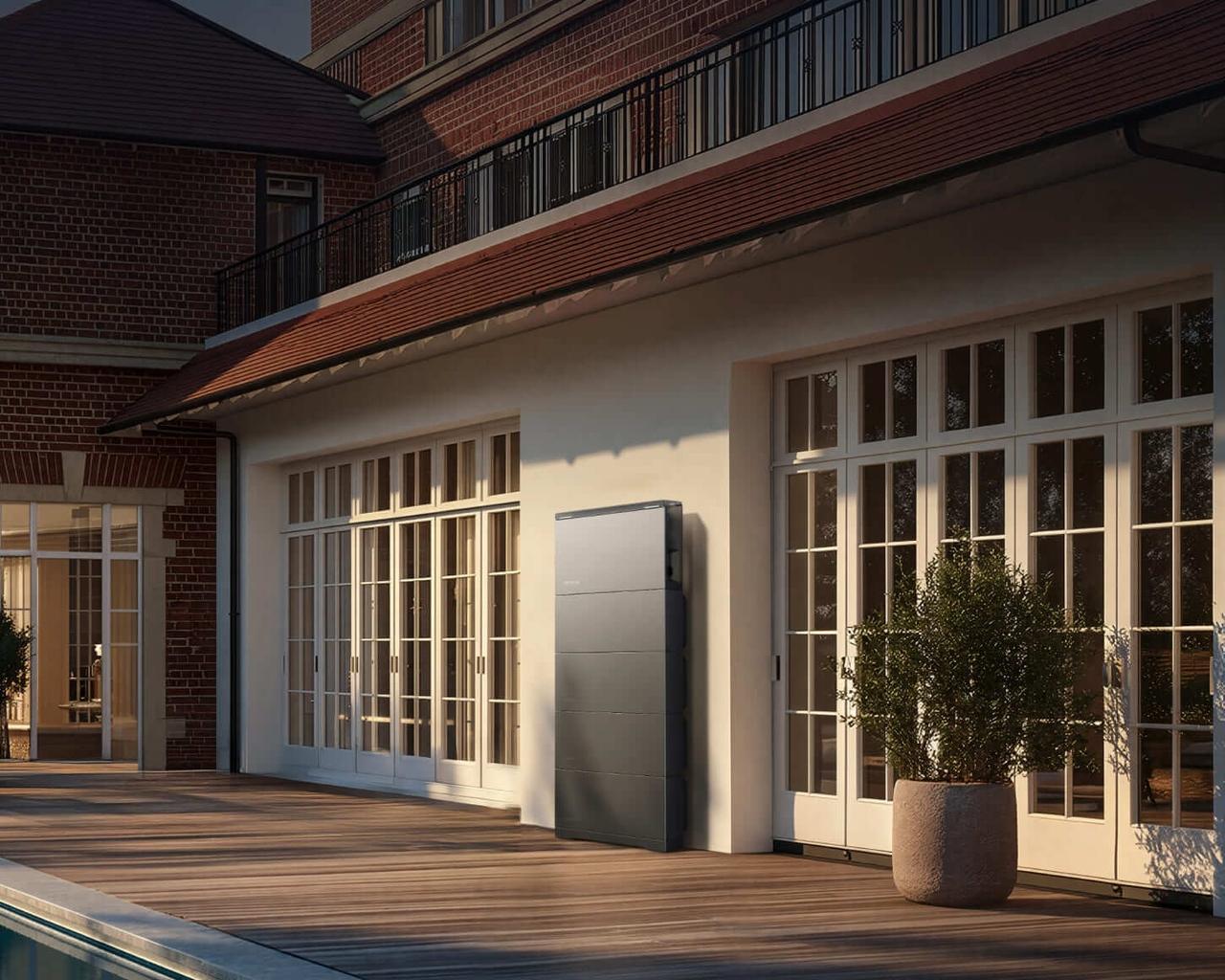
Tesla Powerwall 3
The Powerwall 3 is one of the most recognizable home batteries in Australia. It's a polished, all-in-one system that works best when paired with other Tesla products — making it a natural choice for households already in the Tesla ecosystem.
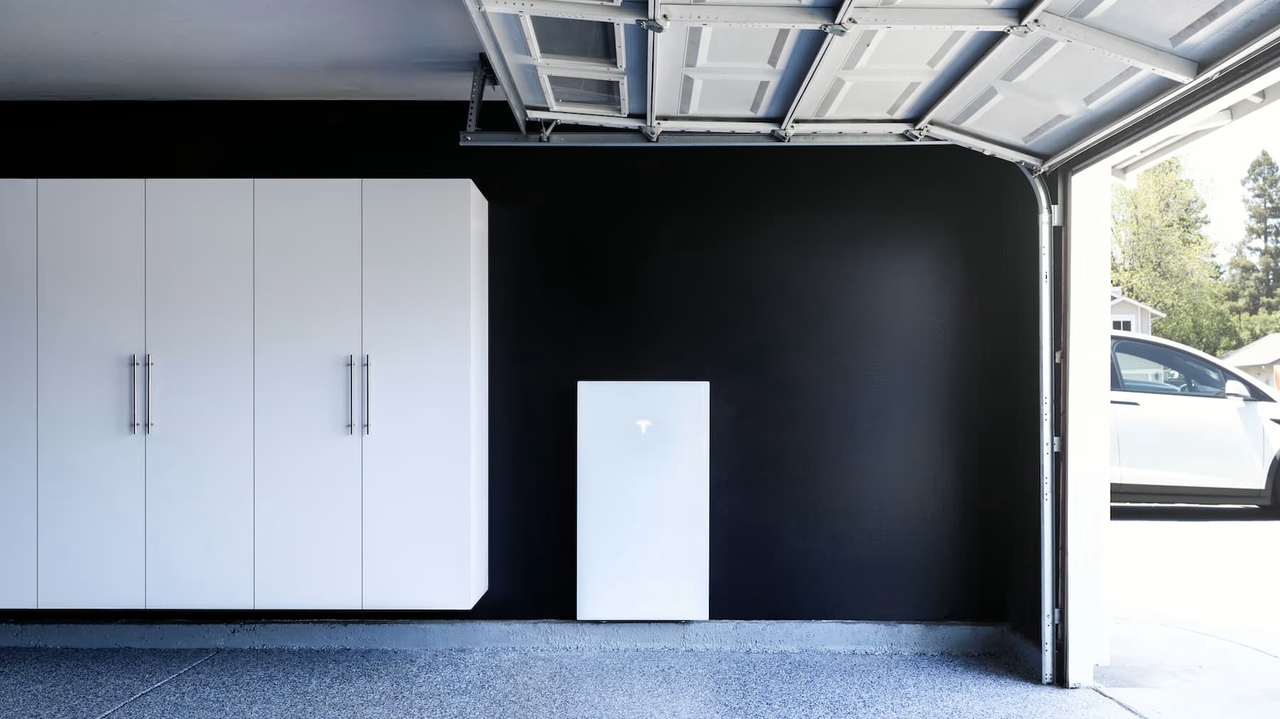
Battery type: LFP (LiFePO4) chemistry
Capacity: 13.5 kWh usable
Power output: Up to 11.5 kW continuous
Warranty: 10 years
Key features: All-in-one battery + inverter, up to 20kW solar input, excellent mobile app, whole-home backup, ~97.5% round-trip efficiency
Best for: Homes with Tesla solar or those wanting simple, high-power all-in-one performance.
SolarEdge Home Battery
The SolarEdge Home Battery is built specifically for homes already running a SolarEdge inverter. If that's you, it's one of the most efficient pairings on the market. If it's not, this probably isn't the right starting point.
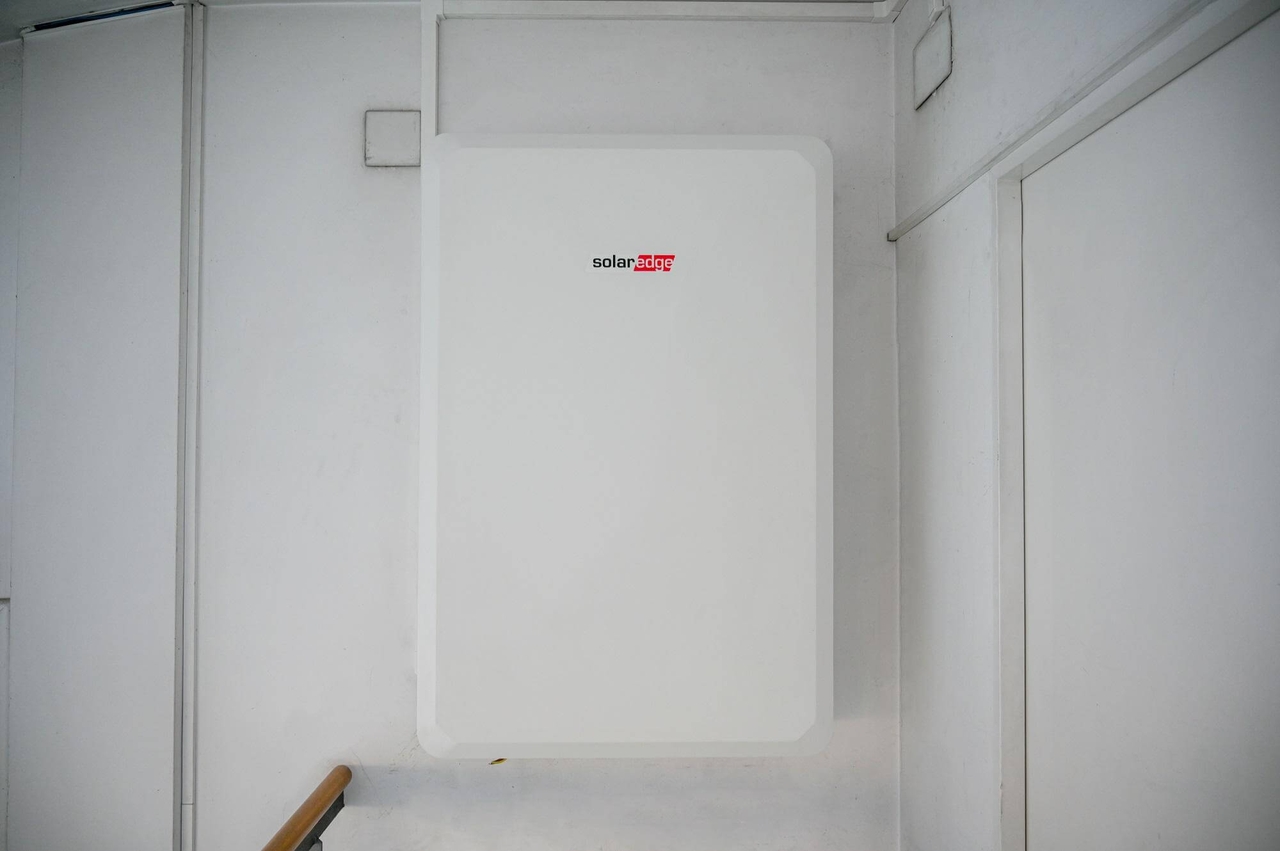
Battery type: LFP (LiFePO4) chemistry
Capacity: 9.7 kWh per unit (modular)
Power output: 5 kW per unit
Warranty: 10 years on the battery
Key features: DC-coupled design for higher efficiency, reduced energy losses, easy stacking, seamless SolarEdge integration, 94.5 round-trip efficiency
Best for: Homes already using SolarEdge inverters who want maximum system efficiency.
Sungrow SBR/SBH Series
Sungrow has quietly become one of the most installed solar brands in Australia — and their battery range backs that reputation. The SBR/SBH series offers solid LFP performance at a competitive price, with one of the strongest installer networks in the country.
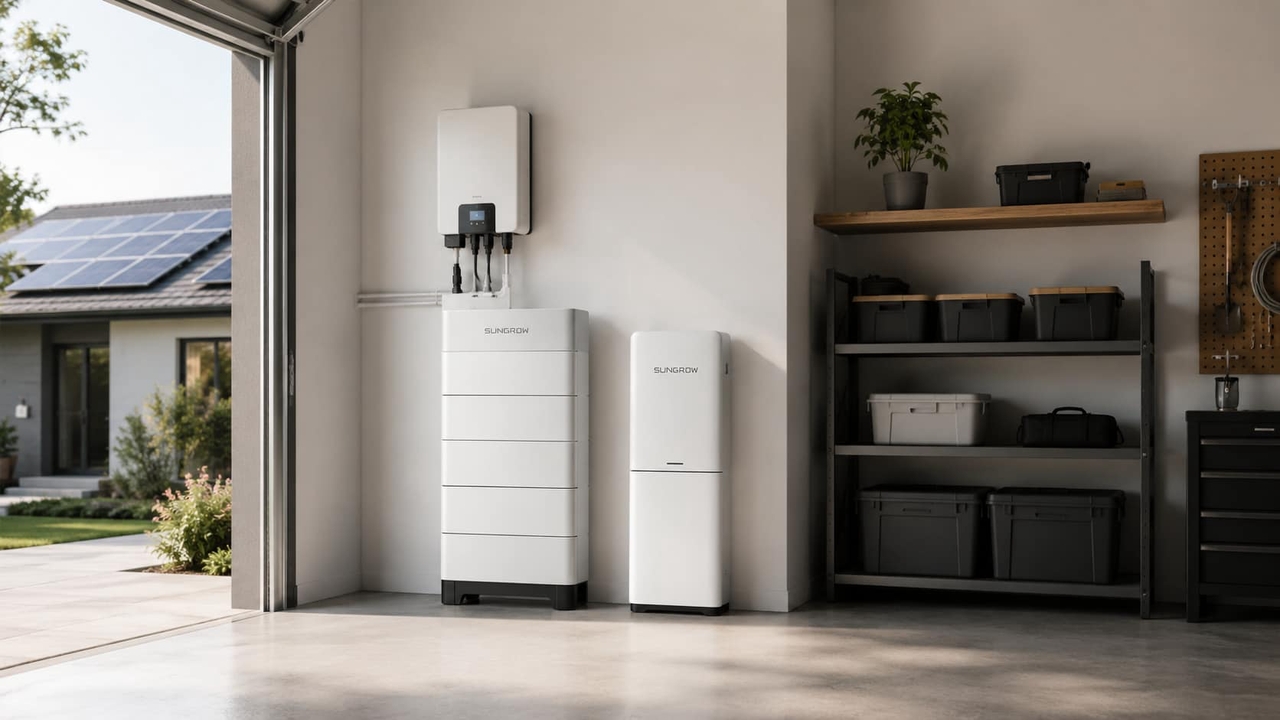
Battery type: LFP (LiFePO4) chemistry
Capacity: Stackable from ~9.6 kWh upwards (3.2 kWh increments)
Power output: Up to 5 kW per module (higher in parallel)
Warranty: 10 years on the battery
Key features: Competitive pricing, wide installer network, 100% depth of discharge, strong local support, reliable performance
Best for: Value-focused homeowners who want good performance with easy local service and support.
Alpha ESS Smile Series
Alpha ESS has been active in the Australian market for years, and SMILE5 is their bestselling residential system. It stands out for its wide capacity range and flexible coupling options — a practical choice for households with varying energy needs.
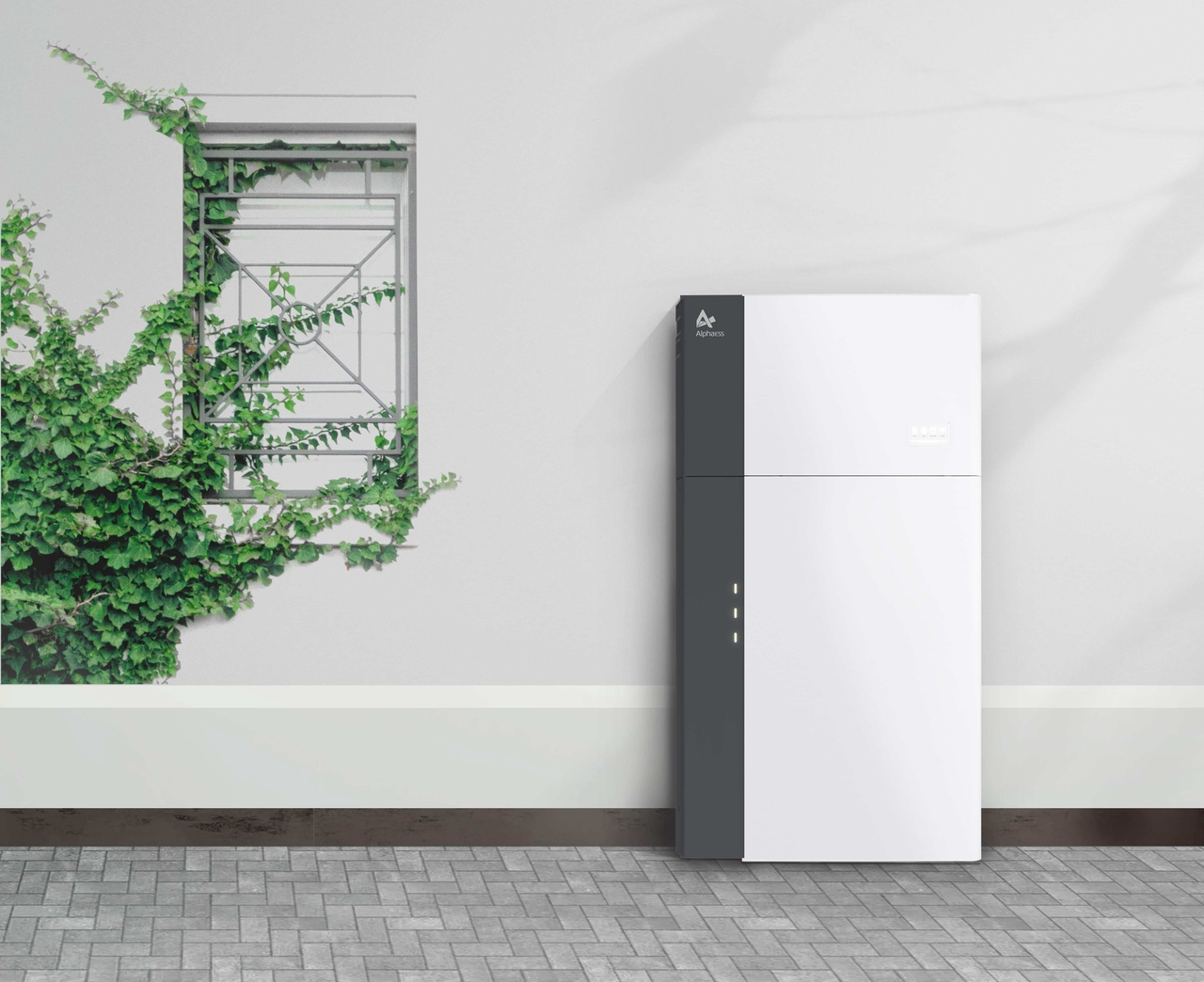
Battery type: LFP (LiFePO₄) chemistry
Capacity: 2.9 – 80 kWh (modular)
Power output: 5 kW
Warranty: Full 10-year warranty on the entire unit
Key features: Flexible DC/AC/hybrid coupling, VPP ready, UPS backup, IP65 outdoor rating, Lego-style modular design, high solar system compatibility
Best for: Australian homeowners looking for a proven, flexible, and well-supported system with strong local installer networks.
How to choose the right solar energy battery
Choosing the right solar energy battery can feel overwhelming with so many options. Focus on what matters most to your home — daily usage, budget, and future needs. Here's a simple guide to help you decide.
Capacity and power output
Battery capacity (in kWh) represents the amount of energy that can be stored. Power output (kW) indicates its ability to supply power in one instance. An average Australian household usually needs 10-15kWh. If the household is larger or contains an electric vehicle, then 20kWh may be needed. Always match both to your actual energy habits.
Depth of discharge
Depth of discharge (DoD) is how much of the battery's stored energy you can safely use. Most modern LFP batteries allow 90–100% DoD. Older lead-acid types only let you use 50% or less. Higher DoD means you get more usable power from the same size battery.
Battery lifespan and warranty
Choose batteries with 10 year warranties and 6000 or more cycles. LFP (Lithium Iron Phosphate) batteries tend to have long service lives and excellent capacity retention. For example, EcoFlow's new systems have a huge 10,000 cell cycle rating, enabling you to use the product consistently on a daily basis for 10+ years.
Cost, value, and additional features
Look past the initial retail price tag. Factor in local government rebates and smart software features. Systems with smart automation can track daily weather patterns and volatile electricity tariffs. EcoFlow HEMS takes this further — automatically decides when to store, use, or export your solar energy based on live tariff data and your home's real usage patterns. In fact, EcoFlow HEMS Intelligent Mode can reduce your electricity costs by up to 77.6%. This helps you dodge peak grid prices and saves you much more money over time.
Conclusion
Choosing the right battery for solar energy comes down to a few key things. Know your energy goals first — whether it's slashing bills, getting blackout protection, or aiming for full energy independence. Go with safe and long-lasting LFP chemistry for most Australian homes. Match the battery capacity to your daily usage, and pay close attention to warranty length and smart features. Are you ready to stop wasting your solar power and slash your electricity bills? Speak to our energy consultant today to get a free solar battery quote to find the best solution for your home.
Schedule Your Free Consultation Today!
What kind of product or solution are you interested in?
FAQs
Which type of solar battery is best?
The best solar battery for Australian homes is LiFePO4. This battery dominates the industry because of its highest levels of safety, durability, and amazing efficiency when compared to conventional lead-acid alternatives.
How long does a solar energy battery typically last?
A quality solar battery lasts 10 to 15 years. LFP batteries are usually covered by 10- or 15-year warranties and can deliver 6,000+ cycles. For normal use, they still have a strong capacity for more than a decade.
How much does a solar energy battery system cost?
For a typical home, the average cost to install a full solar battery system is $8,000-$18,000, with larger systems costing $25,000+. Prices vary depending on size and brand. Rebates and incentives from the government can significantly reduce the bottom line.
How many batteries do I need to power a house with solar?
To cover their evening energy needs, a typical Australian household will need one 10-15 kWh battery. The modern designs are modular, so when you need more power, you can simply stack extra battery blocks on top.
What is the difference between AC-coupled and DC-coupled batteries?
AC-coupled batteries connect to the home’s AC power system and are easier to add to existing solar systems. DC-coupled batteries are connected directly to solar panels, which means there are fewer energy conversion losses and more solar self-consumption.