Average Household Electricity Usage in Australia - Complete Breakdown
Average household electricity usage isn't the same from one home to the next, even when the houses look nearly identical. A family living through brutal Queensland summers will use energy very differently from someone in Tasmania, layering up instead of blasting the cooling all day.
The huge difference comes up once rooftop solar enters the picture. A decent solar setup can cut daytime grid usage quite a bit. So, this guide breaks down average energy consumption in a household across Australia, including what actually drives consumption higher in real homes. You'll look at the appliances that quietly drain the most electricity, plus a few practical ways to pull costs back under control without making your house feel miserable to live in.
What is the average household energy usage
Average home energy consumption in Australia changes with almost everything. Your postcode matters, and so does the weather, the size of your home, and how many people live there. Most Australian households use somewhere between 5,500 and 9,000 kWh per year. Homes with electric heating, large families, or swimming pools may consume significantly more.
Typical annual electricity usage by household size:
Household | Daily electricity use |
1 person | 8.65kWh |
2 persons | 13.88kWh |
3 persons | 16.08kWh |
4 persons | 18.99kWh |
5+ persons | 22.98kWh |
Energy usage also differs across Australian states due to climate conditions and electricity infrastructure. Summers can add more to the electricity bills, especially if you're running air conditioning nonstop through heatwaves. Winter isn't much kinder in colder states, where electric heaters stay on half the day.
Elements that affect average household electricity usage
Climate and seasonal demand
Many things affect power consumption in Australia, and climate and season are among them. In large parts of Australia, summer doesn't ease up politely. Your air conditioner ends up running for hours, sometimes all night, because the house holds onto heat long after sunset.
That's especially true in places where insulation was clearly an afterthought during construction. Cold weather creates a different kind of problem. Southern states tend to see electricity usage creep upward through winter, mostly because heaters stay on far longer than people expect.
Rooftop solar adoption
Rooftop solar has changed the way many Australian households use electricity, especially during daylight hours when panels produce significant output. Solar panels stop producing once the sun drops, obviously, but many households still use most of their electricity in the evening when everyone's home cooking, watching TV, charging devices, or running air conditioning. People expect instant bill reductions across the board and then get frustrated when winter evenings still hit hard.
Electric hot water systems
Another thing affecting energy consumption in Australia is electric hot water systems. They are sneaky electricity users, as they don't make noise or give flash warnings. They just sit there quietly consuming energy every day, especially older storage systems that keep reheating water even when nobody's using it.
A lot of households underestimate how expensive hot water can become over time. Heat pump systems usually consume less electricity, and in the right setup, they can make a noticeable difference to long-term running costs. But installation costs can sting upfront, which is why many people put off the upgrade for years.
Applicance efficiency standards
Energy ratings matter more than people think. Appliances that run all day tend to be the quiet electricity drainers nobody thinks about much. Your fridge never stops. Air conditioners work overtime during the summer. Dishwashers and washing machines might only run for an hour or two, but older models can still consume far more electricity than you'd expect. Swapping older appliances for newer, energy-efficient models usually noticeably reduces electricity use over time, especially if your current appliances are more than a decade old.
Occupancy and lifestyle habits
How you live inside your home changes electricity usage just as much as the appliances themselves. A household with two people working remotely full-time can easily use more electricity than a busy family that's barely home during the day. The air conditioner keeps running, and the coffee machine keeps heating up again and again all day long. It adds up quickly. Most households underestimate how much behavior shapes electricity consumption until they actually track it for a week or two.
Which appliances use the most electricity
Reverse-cycle air conditioners
Reverse-cycle air conditioners usually sit right at the top of the electricity usage list in Australian homes. Summer heatwaves push them hard. Winter cold snaps do the same in southern states, where heaters run for half the day. Ducted systems tend to use even more electricity because they're heating or cooling several rooms at once.
Electric water heaters
Electric water heaters are sneaky. They don't make noise like air conditioners or pool pumps, so most people barely think about them until the power bill jumps unexpectedly. Older storage systems are usually the worst offenders because they keep reheating water all day and night. Heat pump systems can reduce electricity usage quite a bit, although upfront costs still put plenty of homeowners off upgrading.
Pool pumps
Pool pumps use more electricity than many people realize. Mostly because they run for hours at a time, while nobody pays attention to them. Older single-speed pumps are particularly expensive to run, but households often keep them for years simply because replacing pool equipment feels unimportant. The problem is that inefficient pumps, combined with long operating schedules, can quietly inflate electricity bills month after month.
Refrigeration appliances
Your fridge never stops running, and neither does the freezer. Day and night, constantly pulling electricity in the background while you barely notice it's there anymore. Older refrigeration appliances tend to consume much more electricity than newer models, especially if seals are worn, airflow is blocked, or temperature settings are set colder than necessary.
Electrical vehicle charging
Electric vehicle charging is starting to noticeably shift household electricity usage as more Australians move toward EVs. Charging overnight sounds simple enough, but once you add regular vehicle charging onto a home already running air conditioning, electric hot water, and multiple appliances, daily electricity demand can climb pretty quickly.
Practical ways Australians can reduce average household electricity usage
Upgrade to high-efficiency appliances
Appliances that are ten or fifteen years old often consume far more electricity than newer models, especially if they're running every single day. Upgrading to high-efficiency appliances can significantly reduce household electricity use, particularly for appliances that never really switch off. You can opt for the latest models that meet energy-efficient standards to reduce the average household electricity usage and move toward making energy-efficient homes.
Use smart cooling strategies
Cooling a home during an Australian summer can get expensive fast, especially in houses that hold heat all afternoon and then refuse to cool down properly at night. However, you can handle the summer chaos with smarter cooling strategies. Raising the air conditioner temperature slightly, using ceiling fans to move air around, closing blinds before the afternoon sun hits the windows, and sealing gaps around doors can all reduce electricity usage without making the house uncomfortable.
Shift heavy loads to solar hours
If you've got rooftop solar, timing matters almost as much as total electricity usage. Running appliances like washing machines, dishwashers, pool pumps, or EV chargers during daylight hours helps you use more of the solar electricity your system is already producing instead of pulling expensive grid power later in the evening. Shifting part of your electricity usage into solar production hours can lower energy costs over time.
Add battery
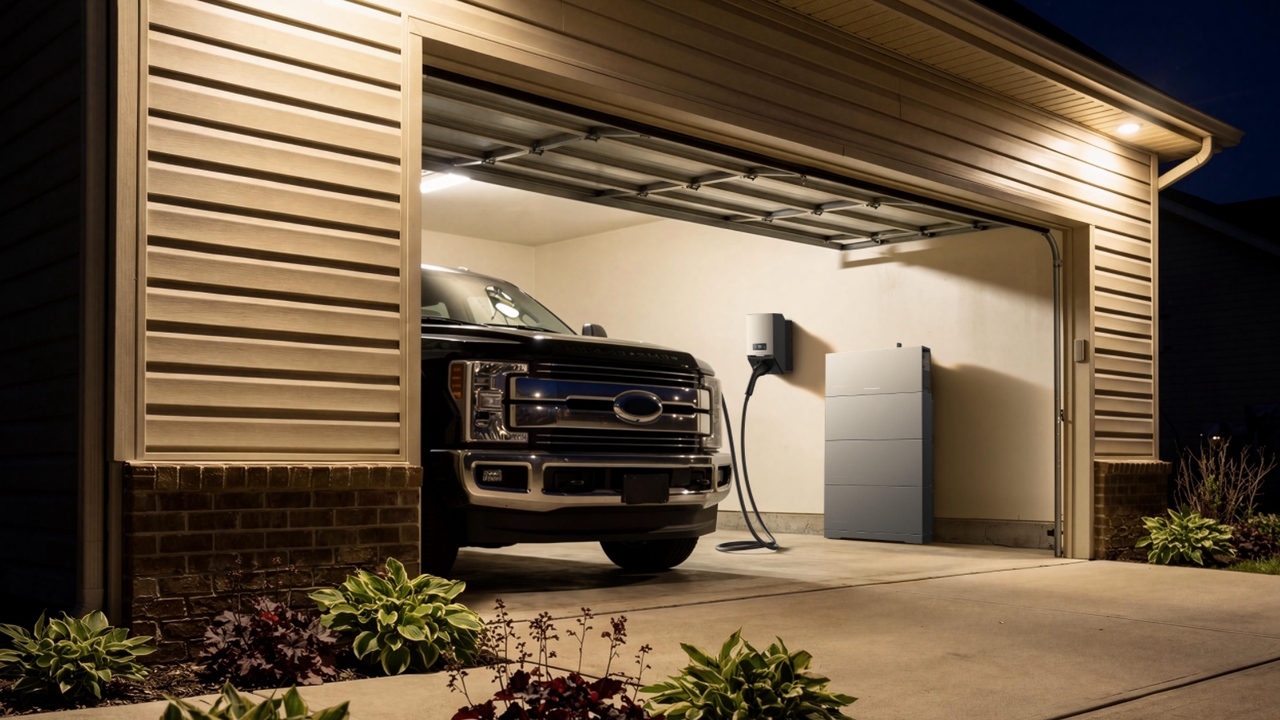
Battery storage changes how your home uses solar power because the extra electricity your panels generate during the day no longer immediately gets pushed back into the grid. Instead, that energy is stored for later use, usually in the evening when households use the most electricity and solar production has already dropped off. The OCEAN 2 Plus Single-phase makes this possible by providing scalable home storage, allowing households to store excess solar energy efficiently. A home battery system can reduce how much electricity you need to buy from your provider, especially during evening hours when households usually consume the most power.
Real-time household monitoring
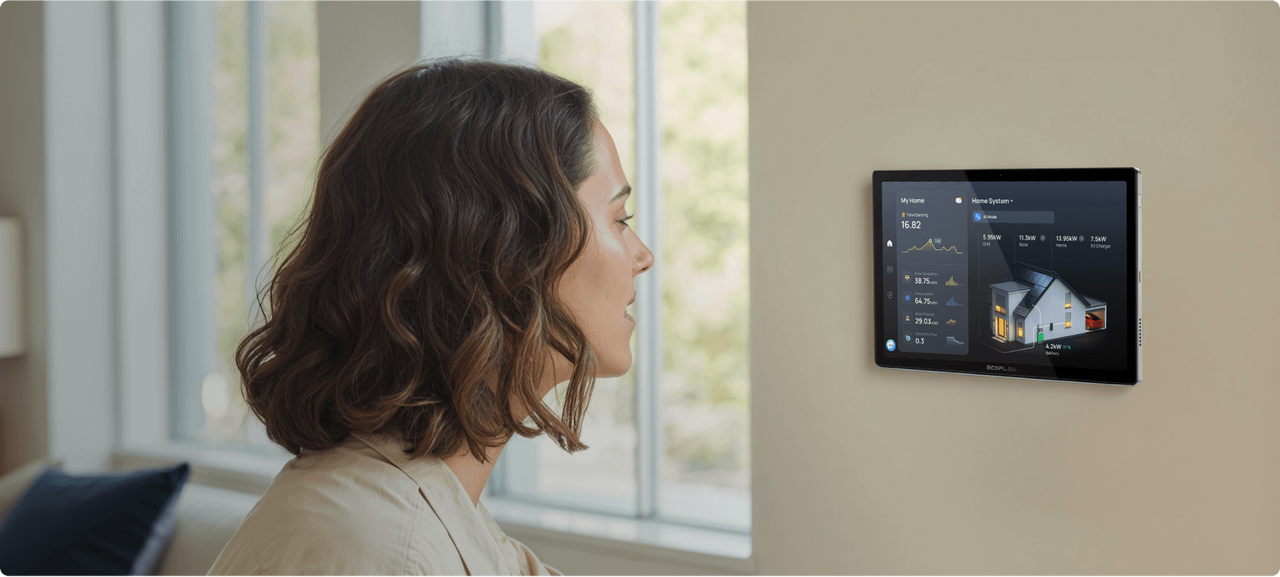
Most people don't really know where their electricity is going until they start tracking it properly. Real-time household monitoring systems show you where electricity is actually going throughout the day, which is usually more eye-opening than people expect.
Tools like EcoFlow PowerInsight 2 Monitor combine live household monitoring with smart home controls through an 11-inch high-resolution touchscreen display with a 1920×1200 interface that tracks energy flow in real time. You can see household electricity consumption, solar generation, and battery activity all in one place instead of bouncing between different apps trying to piece everything together.
Ready to cut your household electricity bills? Contact EcoFlow's energy consultants to analyze your average usage and start saving today.
Schedule Your Free Consultation Today!
What kind of product or solution are you interested in?
Conclusion
Average household electricity usage in Australia changes constantly. Your location matters. So does the weather, the age of your appliances, how well your home holds temperature, and, honestly, the routines happening inside the house every single day. The good news is you usually don't need to completely change your lifestyle to lower household electricity usage. Real-time monitoring tools help make those patterns visible without forcing you to guess what's driving the bill higher each month. Thinking about installing the EcoFlow PowerInsight 2 Monitor? Connecting with an installation expert can help you set the system up properly from the start.
FAQs
What is the average electricity usage for a household per day?
Most Australian households use somewhere around 15–20 kWh of electricity each day. That's the general range, anyway. Real-life usage varies much more than people expect once climate, household size, and appliance choices come into play.
Why are electricity bills higher in some Australian states?
Electricity prices vary across Australia because every state operates a little differently. Some regions rely heavily on long-distance transmission lines, which add extra expense before electricity even reaches your home. Other areas deal with intense seasonal demand during heatwaves or cold winters when air conditioning and heating systems barely get a break for weeks at a time.
How much electricity does the average 4-person household use?
A typical 4-person household in Australia usually consumes around 5,000–7,500 kWh of electricity each year. However, this is just a rough idea. A household running ducted air conditioning, electric water heating, multiple televisions, gaming consoles, dryers, and regular laundry cycles will naturally consume more electricity than a family actively trying to reduce usage.
What is the cost of a 2000-watt unit for 1 hour?
A 2000-watt appliance running for one hour uses 2 kilowatt-hours, or 2 kWh, of electricity. To work out the cost, you multiply those 2 kWh by the current electricity rate. In Australia, running a 2000-watt appliance for one hour usually costs somewhere between $0.48 and $0.90 AUD, although the exact price depends on your state, electricity provider, and the type of energy plan you're on.
Is 17 kWh per day a lot?
For a lot of Australian households, using around 17 kWh of electricity per day sits pretty close to the middle range. It's not unusually high, but nobody would really call it low either for medium-sized home running standard appliances, cooling systems, lighting, and electric hot water.