Air Conditioner on Solar: Complete Guide to Running AC With Solar Energy
Installing solar panels can reduce the cost of running your air conditioner, but it doesn’t mean every hour of cooling will be powered by the sun. In this guide, we’ll walk you through how to size your system properly for air conditioning, why summer bills still creep up even with solar, and practical ways to run your AC for longer without the sting.
Key Takeaways
Size matters. A standard 6.6 kW solar array will happily cover daytime cooling for a split system, but if you’re running whole-home ducted air con alongside other heavy hitters, you’ll want to step up to a 10 kW-plus system.
Peak tariffs are a trap. Your solar production peaks in the middle of the day, not when you actually need the cooling come evening. Without a battery, night-time air con means drawing from the grid during those expensive 3 PM to 9 PM windows.
Smart pre-cooling works a treat. Crank the living areas between 10 AM and 2 PM on free solar energy, and you’ll ease the load later in the day when generation tails off.
Evening storage is where it’s at. Systems like the EcoFlow OCEAN 2 Plus can stash up to 60 kWh of daytime solar, so you can keep the bedrooms cool all night without reaching for the grid.
Real-time optimisation pulls it all together. Smart panels like PowerInsight 2, running AI Energy OS, track your power flows and tariff rates, then automatically dispatch stored energy to maximise your solar self-consumption.
How to Run an Air Conditioner on Solar Power
Panels soak up the sun, the inverter turns that DC into AC, and your cooling system runs off it. But making it all work smoothly in an actual Aussie home means getting the system size right and matching it to how and when you use it.
Estimate Air Conditioner Energy Use
To run your air con off solar, you first need to know what it actually pulls. And don’t get caught out confusing cooling capacity with electrical draw.
A typical reverse cycle air conditioner can provide both cooling and heating while maintaining efficient energy use throughout the year. A typical 3.5 kW split-system may draw around 0.9–1.1 kW when actively cooling, although inverter models will often reduce power once the room reaches the set temperature. Larger 12–16 kW ducted systems designed for whole-home cooling may use approximately 3.5–5.5 kW during periods of high demand. (Actual consumption varies depending on outdoor temperature, zoning settings, insulation, and thermostat settings.)
Choose the Right Solar System Size
Choosing the right solar panel size is essential when powering an air conditioner with solar energy. In Australia, a standard 6.6kW solar system paired with a 5kW inverter is the most common residential setup. On a clear summer day in Brisbane or Perth, a 6.6kW system generates around 25 to 30 kilowatt-hours (kWh) of total daily energy. While this is plenty of total energy to cover basic daytime split-system cooling, running multiple split systems or a central ducted system while simultaneously powering fridge freezers, pool pumps, and washing machines usually calls for a larger 10kW to 13.3kW solar array.
Match Solar Output to Cooling Demand
Solar panel output follows a bell curve, peaking around midday (11:00 AM to 2:30 PM). To maximize direct solar self-consumption, cool your home proactively during these peak generation hours. Setting your split system to pre-cool living spaces to 22°C–24°C while the sun is blazing allows your home to absorb thermal mass, so your AC doesn’t have to work in overdrive later when solar generation begins to drop.
Store Solar Energy for Night Cooling
Solar panels shut down the minute the sun drops, but summer nights across Queensland, NSW, and WA often stay hot and sticky well past sunset. Pair your rooftop solar with a home battery, and you can bank that excess daytime generation to run the air con through the evening without reaching for the grid.
| Air Conditioner Type | Cooling Capacity | Avg. Electrical Draw | Recommended Solar Array |
|---|---|---|---|
| Small Split-System (Bedroom) | 2.5 kW – 3.5 kW | 0.7 kW – 1.1 kW | 5 kW – 6.6 kW |
| Large Split-System (Living Area) | 7.1 kW – 8.0 kW | 2.0 kW – 2.5 kW | 6.6 kW – 8 kW |
| Whole-Home Ducted System | 12.0 kW – 16.0 kW | 3.5 kW – 5.5 kW | 10 kW – 13.3 kW+ |
Why Does Running an Air Conditioner Still Cost More Than Expected?
Solar panels can slash your power bills. But a lot of people still get a shock when summer bills land higher than they figured. Air conditioning is usually the culprit, especially when the cooling’s cranked up outside sunlight hours and you’re pulling from the grid.
Nighttime Cooling Needs Extra Power
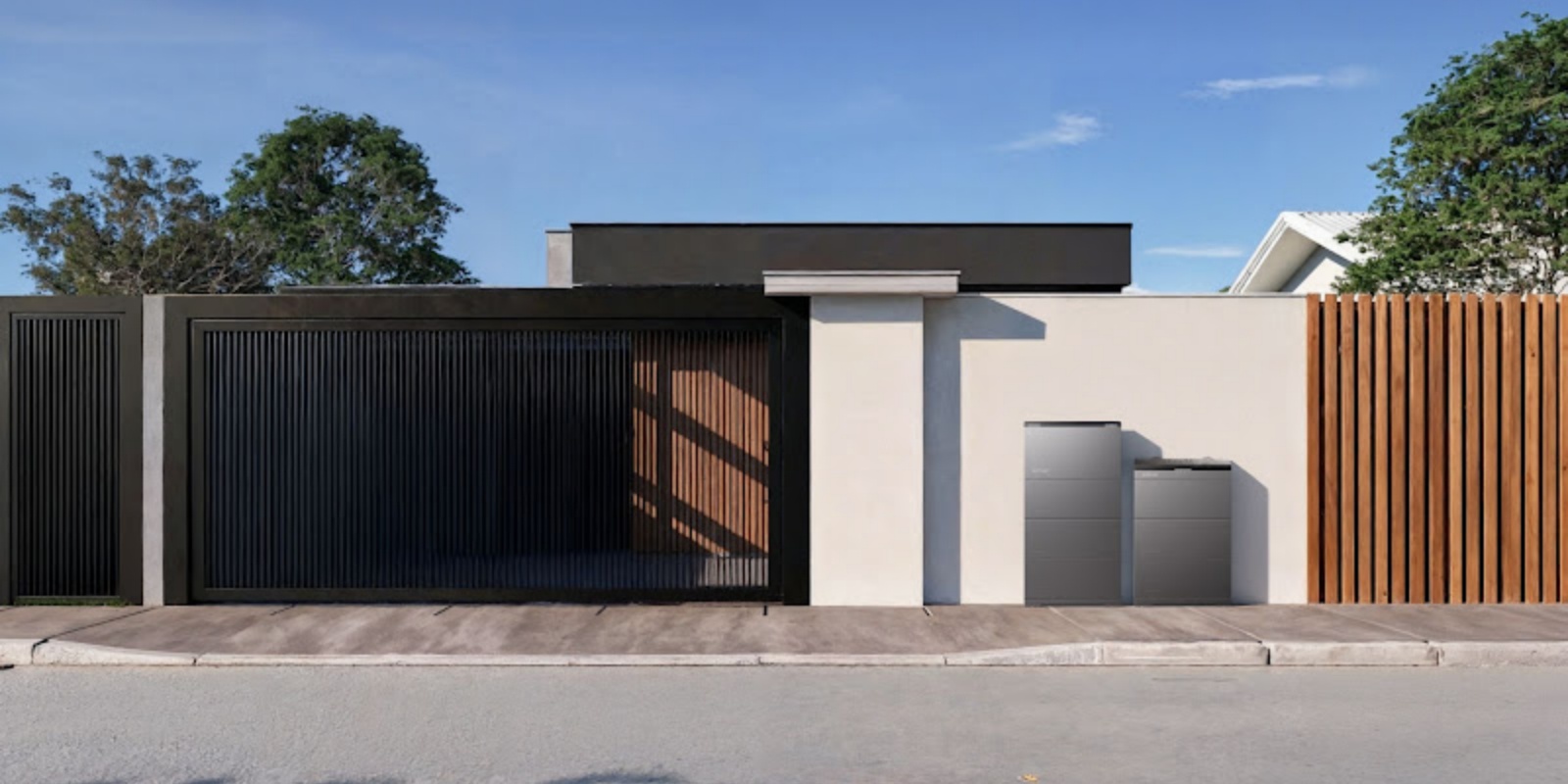
The mismatch is simple. Solar peaks in the middle of the day, but cooling demand hits between 5 PM and 10 PM, when the family’s home and the sun’s gone. Without a battery, every bit of evening cooling is grid power at full retail rates. Installing an EcoFlow Solar Battery can help homeowners store excess daytime solar energy and use it during evening cooling periods, reducing reliance on expensive grid electricity.
Peak Tariffs Increase Running Costs
Australian energy retailers use Time-of-Use pricing, which means electricity rates jump sharply during peak windows, usually 3 PM to 9 PM or 4 PM to 9 PM. Run a high-draw ducted system during those hours, and you’re paying top dollar. We’re talking 45 to 60 cents per kWh, right when your solar panels are tapering off for the day.
Cloudy Days Reduce Solar Output
Solar performance can drop on cloudy summer days, especially during humid weather and afternoon storms. When rooftop generation falls, your air conditioner may need to rely more on electricity from the grid to maintain a comfortable indoor temperature.
Power Outages Interrupt Home Comfort
Severe summer storms and localized grid instability frequently cause summer blackouts across suburban regions. Standard grid-tied solar systems automatically shut down during outages for technician safety, leaving homes without operational cooling unless equipped with an advanced battery backup system capable of islanding.
How Can You Keep Your Air Conditioner Running Longer on Solar?
Getting the most from solar-powered air conditioning is about more than installing panels. The key is matching your solar generation, battery storage, and cooling habits.
Here are the core strategies to extend your air conditioner’s operating hours on clean solar power.
Match Solar With Cooling Demand
Align your heavy cooling tasks with high-production daytime hours. Utilizing programmable timers or smart Wi-Fi air conditioning controllers allows you to turn on split systems automatically at 10:00 AM, using free midday solar energy to chill walls, furniture, and air before high afternoon temperatures hit.
Store Extra Solar For Evening
For most Aussie households, the real challenge is having enough power when the air con’s running at night. A bigger battery bridges that gap, storing surplus afternoon sun and making it available once the panels shut down.
The EcoFlow OCEAN 2 Plus single-phase gives you up to 60 kWh of expandable storage per inverter, so you’ve got the power to run cooling, appliances, and the essentials once the sun’s gone. That’s a big help on hot summer nights when the bedrooms need to stay comfortable long after the panels have shut down
And as your household changes, whether you add an EV charger or switch out gas appliances for electric, the system scales without a full redesign. Three independent MPPT trackers and up to 24 kW of PV input handle tricky rooflines and partial shade, so you’re capturing more energy across the day.
Manage High Power Appliances
Staggering high-draw appliances avoids surging past your solar array’s instantaneous output. Running an electric oven, clothes dryer, pool pump, and ducted air conditioner all at once will trigger grid imports even on sunny days. Staggering appliance schedules ensures your air conditioner stays within free solar or battery discharge limits.
Track Home Energy In Real Time
For many households, pinpointing when an air conditioner consumes the most power—or when solar panels hit peak generation—is difficult without clear visual data. Understanding daily household energy flows is essential for optimizing AC operating schedules and maximizing self-consumption. Real-time visibility empowers users to know exactly when to prioritize direct solar cooling and when to rely on battery reserves, minimizing costly peak-period grid purchases.
The EcoFlow PowerInsight 2 features a crisp 11-inch HD touch screen display, showing real-time solar generation, home load, battery status, and overall energy flows to help users instantly track air conditioner consumption across different periods. Integrated with AI Energy OS, the system automatically optimizes energy dispatch based on household consumption patterns and dynamic electricity tariffs. It prioritizes stored battery energy during high-tariff or low-solar windows, removing manual hassle and ensuring highly efficient, cost-effective air conditioner operation.
Expand Storage As Needs Grow
Many Australian households are adding more electric appliances over time, from EV chargers to electric heating and cooking. Planning for these changes early can help ensure your solar and battery system has enough capacity as your energy needs grow.
.png)
What Should You Check Before Installing Solar for Air Conditioning?
Before you install a new solar system or add air conditioning to an existing setup, running through a few key technical and household factors will make sure you get the best performance and return on your investment.
Check Your Summer Electricity Usage
Pull out your previous summer electricity bills and check the daily kilowatt-hour figures. Pay attention to the peak and off-peak breakdowns, so you can work out the baseline load your air con needs to keep things comfortable through a heatwave.
Review Your Roof Space
Inspect your roof orientation and physical area. North-facing panels yield maximum total energy across the day, while West-facing panels capture valuable late-afternoon sun right when air conditioning demand spikes before dusk.
Understand Your Electricity Tariff
Check whether your energy retail plan is single-rate, time-of-use (TOU), or dynamic spot-priced. Understanding your tariff structure allows you to configure battery charge and discharge windows to avoid top-rate grid charges.
Compare Day And Night Cooling
Assess your household lifestyle. If your family works from home, daytime solar self-consumption will be high. If everyone is away until 5:30 PM, prioritizing battery storage capacity becomes essential for nighttime cooling.
Plan For Future Appliances
Factor in upcoming household additions. If you plan to install a heated swimming pool, an additional split system, or an EV charger within the next 2 to 3 years, size your solar inverter and battery backbone accordingly from day one. A connected Home Energy Ecosystem can also help households manage growing electricity demand by bringing solar generation, battery storage and future smart appliances together in one coordinated system.
Schedule Your Free Consultation Today!
What kind of product or solution are you interested in?


Conclusion
Running your air con off solar is one of the smartest moves an Aussie homeowner can make. It keeps you cool through the worst of summer without burning through your savings. Daytime cooling is easy enough with a standard solar array, but if you want comfort around the clock, you need to bridge that gap between midday generation and evening demand.
Pair your cooling setup with a scalable battery like the EcoFlow OCEAN 2 Plus single-phase and keep tabs on it with PowerInsight 2. You bank the daytime sun, sidestep those expensive peak tariffs, and keep the whole house comfortable all summer long.
FAQ
Can a 10kW solar system run an air conditioner in Australia (2026)?
Yes, a 10kW system can comfortably power split or ducted air conditioning during the day. On a sunny summer’s day, it’ll pump out 40 to 50 kWh, which is more than enough to cover daytime cooling and run the rest of the house at the same time.
How many solar panels are needed to power a home air conditioner?
You typically need around 3 to 4 modern solar panels (approx. 415W-450W each) to power a standard 3.5kW split-system air conditioner. To power a large whole-home ducted cooling system, you will generally require 10 to 14 panels dedicated to covering its higher electrical load.
Is it worth adding a battery if I mainly use air conditioning at night?
Yes, adding a battery is highly worthwhile if your primary air conditioning usage occurs at night. Without a battery, night cooling draws 100% of its power from the grid—often during expensive peak tariff windows—whereas a battery stores your free surplus daytime solar to power nighttime cooling.
How much can solar reduce air conditioning electricity costs in 2026?
Solar power can reduce daytime air conditioning running costs by up to 70% to 90% when cooling load is matched with active solar generation. Adding a home battery storage system can extend those savings to over 80%–95% on overall summer cooling bills by offsetting nighttime grid electricity use.
Will running an air conditioner drain my solar battery overnight?
Running a central ducted air conditioner continuously overnight may drain a small standard battery (5kWh–10kWh), but proper sizing prevents this. A well-sized system—such as an EcoFlow OCEAN 2 Plus setup tailored to your night load—combined with energy-efficient inverter AC units and preset timers, ensures your battery lasts reliably throughout the night.