5kW Solar Systems: Pricing, Output & Payback (2026 Guide)
A 5kW solar system is one of the most popular choices in Australia. It offers a strong balance between cost and performance. Most households find it big enough to cut power bills without spending too much up front. This guide is for average Aussie homes and first-time solar buyers. If you want a simple, reliable system with fast payback, a 5kW setup is a great place to start. It suits small families and homes with moderate daily energy use.
How many panels & how much roof space do you need?
A typical 5kW solar system requires 12 to 20 panels. This depends on panel size, which is usually between 400W and 450W. Fewer panels are needed if they are more efficient. You'll need around 24 to 35 square metres of roof space. A north-facing roof is ideal in Australia, as it captures the most sunlight during the day.
Several things affect the space you need. Panel efficiency, roof pitch, and any shading from trees or chimneys all make a difference. Before you buy, an installer will measure your roof. They ensure you have enough room for a safe and efficient setup.

How much does a 5kW solar system cost in Australia?
Solar energy is more affordable than ever for Australian families. In 2026, the average 5kW solar system cost ranges from $4,000 to $5,500 after federal rebates. This makes it one of the most affordable entry points into solar.
Most systems include everything you need to get started. That covers solar panels, an inverter, installation, and GST. There are usually no hidden extras if you choose a reputable installer. The price per watt sits around $0.80 to $1.20 after rebates. It simplifies the process of comparing quotes from various providers.
Several factors can nudge your 5kW solar system price up or down:
Equipment tier: Premium panels with longer warranties cost more up front, but they last longer.
Roof type: It's cheaper to put up a simple tin roof than to put up terracotta tiles or a multi-story home.
Location: Prices vary by city due to local competition and shipping costs.
Inverter choice: A hybrid inverter costs more, but it's easier to add a battery later.
5kW solar system: Average cost by city (2026)
City | Average Cost (After Rebates) |
Sydney | $4,800 |
Melbourne | $5,040 |
Brisbane | $5,120 |
Adelaide | $4,980 |
Perth | $4,080 |
Darwin | $7,480 |
Hobart | $6,020 |
Canberra | $4,920 |
How much electricity does a 5kW solar system generate?
A 5kW solar system is a workhorse for the Australian climate. On average, you can expect it to produce about 20 kWh of electricity per day.
To put that in perspective, 20 kWh is enough to run a medium-sized home's lights, fridge, TV, and a few cycles of the washing machine. However, your actual "harvest" depends heavily on where you live.
Output by location
Australia is a sun-drenched continent, but some cities get more "peak sun hours" than others. A peak sun hour isn't just an hour of daylight; it's an hour where the sun is at its full strength (1,000 watts per square metre).
City | Peak Sun Hours (Daily Avg) | Expected Daily Output (5kW) |
Brisbane / Darwin | 5.2 – 5.9 hours | 22 – 25 kWh |
Perth / Adelaide | 4.8 – 5.4 hours | 20 – 23 kWh |
Sydney / Canberra | 4.2 – 4.8 hours | 18 – 21 kWh |
Melbourne / Hobart | 3.5 – 4.2 hours | 15 – 18 kWh |
Factors that can reduce your output
Even in the sunniest cities, a few things can act like a "dimmer switch" on your system:
Shading: Even a small shadow from a chimney or a nearby gum tree can drop a panel's output by 50% or more.
Temperature: Solar panels actually love light but hate the heat. On a blistering 40°C day, they become slightly less efficient than on a crisp, sunny spring morning.
Panel angle: To catch the most rays, panels should ideally face North at an angle equal to your latitude (usually around 30° in Australia).
Dirt and dust: A thick layer of salt spray or dust can block the sun. A quick solar panel cleaning every few months can help keep your numbers high.
Supercharge your 5kW system with smart storage solutions
The way we use solar in Australia has changed. In the past, you could make money by sending extra power back to the grid. Today, "feed-in tariffs" have dropped to as low as 3–8 cents per kWh. Meanwhile, buying power from the grid at night can cost you 35–50 cents per kWh. This "value gap" means you are selling your power for a pittance and buying it back at a premium.
A home battery acts like a personal bank for your energy. It stores your cheap daytime solar energy, so you can use it in the evening. When the sun goes down and grid prices spike, your home switches to battery power. For a 5kW solar system owner, this can bridge the gap and cover almost all your evening/night electricity needs.
Adding storage is an investment in independence. For a quality setup in 2026, you should budget:
Standalone battery: $7,000 – $10,000 (including installation).
Full 5kW system + battery package: $10,000 – $15,000.
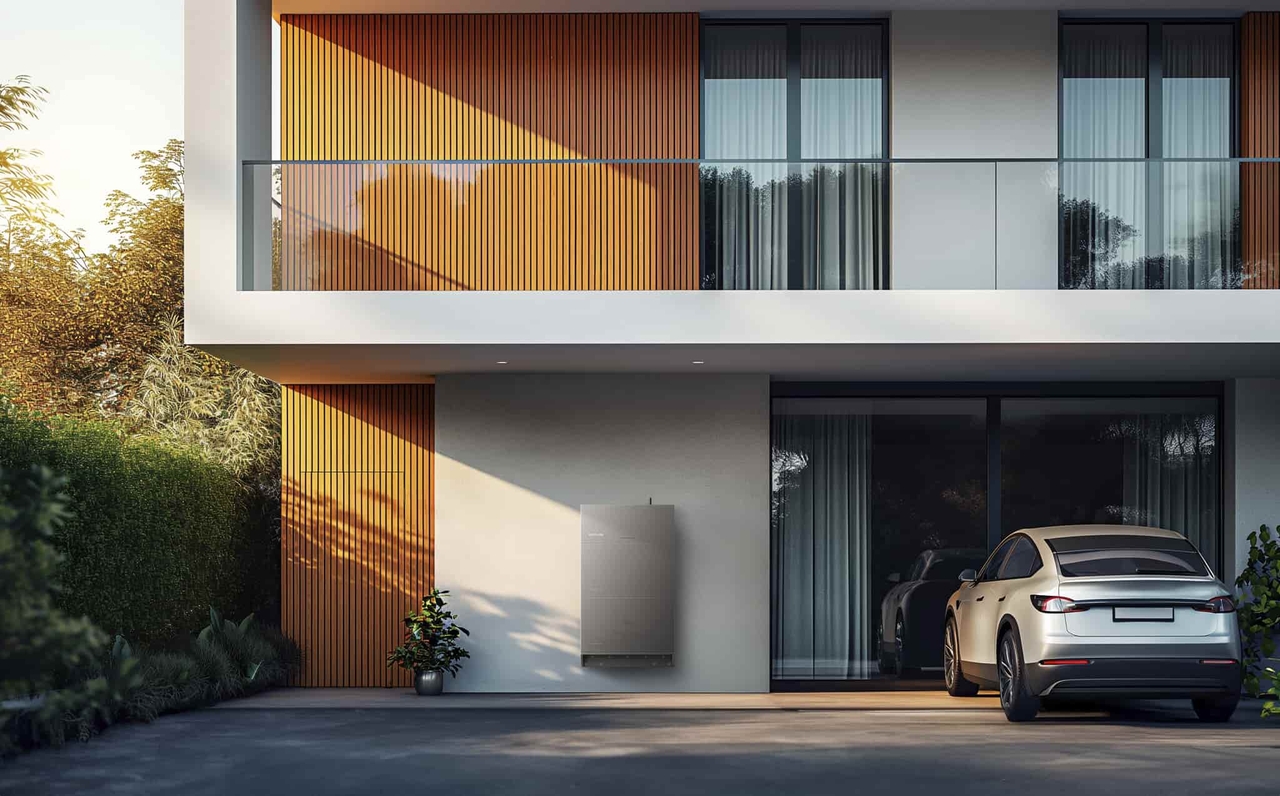
For example, the EcoFlow PowerOcean Single-Phase battery is designed specifically for modern Australian homes. It features a slim, 183 mm design that fits perfectly in a garage or on an outside wall. It has an IP-65 rating, ensuring complete protection from dust and heavy rain.
It starts at 5kWh of capacity but is fully expandable to 15kWh in a single inverter. If your family grows or you buy an EV later, you can easily add more packs. With a 15-year warranty and LFP technology, it is built to last.
Take control of your energy today. Get a free solar battery quote and a custom system design for your home.
Schedule Your Free Consultation Today!
What kind of product or solution are you interested in?

Solar rebates and incentives for 5kW systems in Australia
The Australian government still offers strong financial support to help you switch to solar. These incentives are designed to lower your upfront 5kW solar system cost and make the investment pay for itself faster.
Federal STC rebate
The primary incentive in Australia is the Small-scale Technology Certificate (STC) scheme. When you install a 5kW solar power system, it creates certificates based on the clean energy it will generate. Each STC is currently worth about $38–$40. For a 5kW system, this usually reduces your upfront cost by $1,700–$2,800. The exact amount depends on your specific location in Australia.
The EcoFlow PowerOcean series is CEC-approved. This means it is fully eligible for the Cheaper Home Batteries Program. This helps further lower the cost of adding a home battery to your system.
How STC is calculated and applied
The STCs can be calculated based on three factors: your solar system's size, your location (solar zone), and the number of years left in the scheme. Typically, your installer handles the calculations and applies the rebate right at the time of purchase. This means that the discount is immediate, so you pay less upfront rather than receiving the rebate later.
State-specific incentives
On top of the federal STC discount, several Australian states offer their own incentives. These can help you save even more on your 5kW solar system and battery setup.
State | Incentive Type | Details (2026) |
Victoria | Rebate + Loan | Up to $1,400 rebate plus an optional $1,400 interest-free loan. |
NSW | Battery Discount | Up to $1,500 upfront discount for connecting to a Virtual Power Plant (VPP). |
South Australia | VPP Incentive | Payments up to $2,050 for batteries (up to 28kWh) joined to an approved VPP. |
Queensland | Battery Subsidy | Eligible for $3,000+ savings through the federal "Cheaper Home Batteries" expansion. |
ACT | Zero-Interest Loan | Sustainable Household Scheme offers up to $15,000 in interest-free loans. |
Note: Program availability can change quickly. Always check with your installer for the latest local offers before signing a contract.
Feed-in Tariffs (FiT)
If you send extra solar electricity back to the grid, feed-in tariffs will pay you for it. These rates are usually between 5 and 10 cents per kWh in 2026, depending on where you live and which energy company you use. While FiTs are lower than they used to be, they still help chip away at your remaining power bill each quarter.
Payback period: When does the system pay for itself?
The payback period is how long it takes for your solar savings to make up for the cost of the system. A 5kW solar system usually pays for itself in 3 to 5 years without a battery. The weather in your area and the current cost of electricity will affect this timeline.
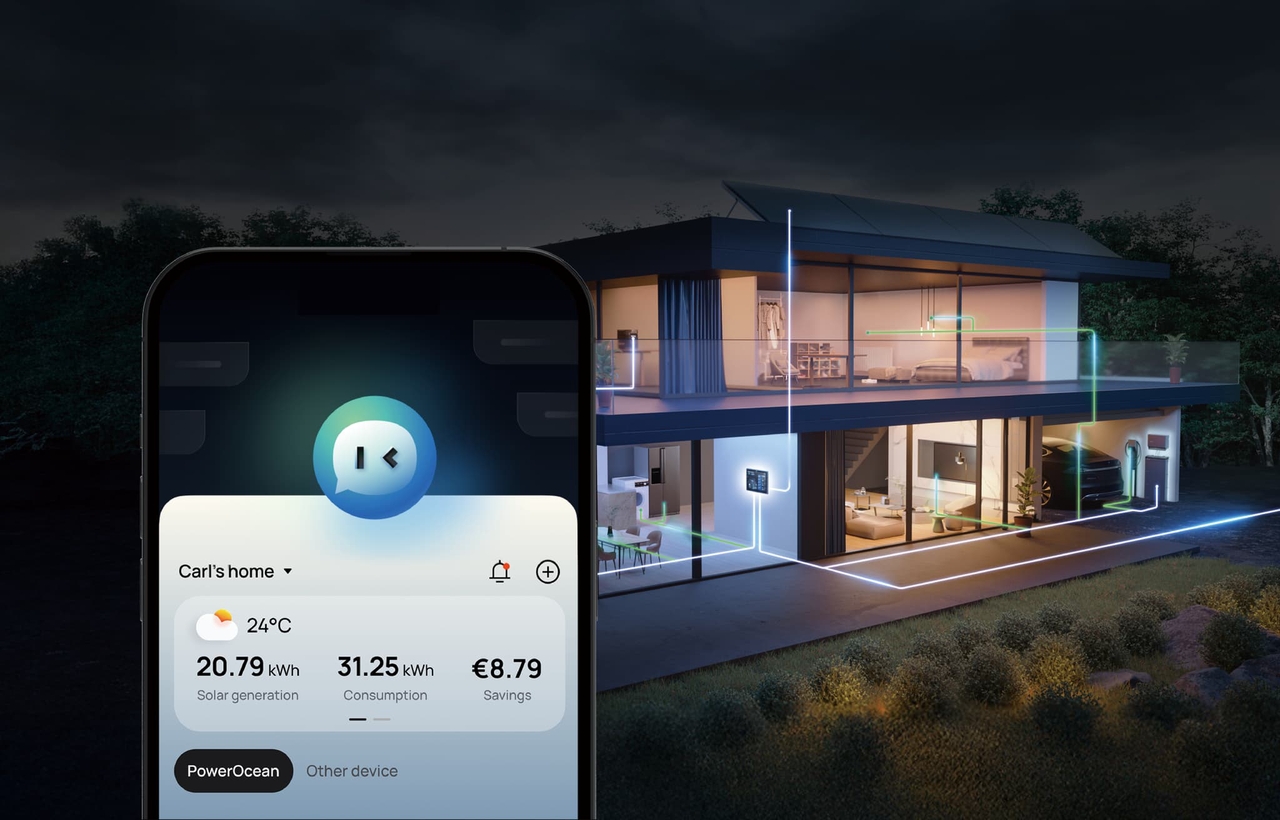
Adding a smart battery changes the game for your investment. You can optimize your savings using EcoFlow's Time-of-Use (ToU) features. The EcoFlow HEMS (Home Energy Management System) is very clever. It integrates with dynamic power tariffs to save you money. The system automatically charges your battery when power prices are low. It then discharges stored energy during expensive peak periods. This smart tech can reduce your electricity bills by up to 77.6%. It helps you dodge high rates and accelerates your overall financial returns.
Is a 5kW solar system the right size for your home?
Choosing the right size is the most important part of your solar journey. A 5kW solar system is a fantastic choice for many, but it isn't for everyone. It all comes down to how much power you use and when you use it.
Good fit for:
Household of 1 to 3 people
Less than 20 kWh of electricity is used each day
There isn't much space on the roof (about 25 m²).
People who want a proven, quick-payback entry point and are on a budget
Consider going larger (6.6kW–10kW) if:
A family of four or more that uses it a lot every day
EV charging planned now or in the future
Electric hot water system, pool, or ducted AC
There is a lot of roof space facing north.
Planning to add a bigger battery system
Conclusion
A 5kW solar system is a top-tier investment for Australian homes in 2026. It offers an affordable entry price, strong daily output, and a rapid payback period of just 3 to 5 years. By pairing your system with an EcoFlow Home Battery, you can store your own clean energy and avoid expensive grid prices. This smart combination maximises your savings and provides true energy independence. Start your solar journey today to enjoy lower bills and a more sustainable future.
FAQs
1. Is 5kW solar enough to run a house?
Yes, it usually is enough for a regular Australian home with 1-3 people. A 5kW solar system generates about 20kWh every day, which is enough to power things like lights, fridges, and entertainment. If you have a large family, a pool, or ducted air conditioning, though, a bigger 6.6kW or 10kW system might be better for you.
2. How much does it cost to install a 5kW solar system?
After federal rebates, the average price of a 5kw solar power system in Australia in 2026 is between $4,000 and $5,500. This price covers Tier-1 panels, a good inverter, and professional installation. Prices vary a little from city to city, but this is still one of the cheapest ways for Australian families to get into the renewable energy market.
3. What is the average lifespan of a 5kW system?
Modern solar panels are made to last a long time, usually 25 to 30 years. A 25-year performance warranty is standard for most high-quality panels. The inverter is the system's "brain," and it usually needs to be replaced every 10 to 12 years. Batteries like the EcoFlow PowerOcean are designed for longevity with a 15-year warranty.
4. How much is a 5kW solar system with battery in Australia?
The price of the 5kW solar system with battery is usually between $10,000 and $15,000 as of 2026. The cost will include the solar system and the battery. The initial cost is higher than a solar-only setup, but you can store your own power with this one. This makes you much less dependent on expensive grid electricity at night.
5. What size battery do I need for a 5kW solar system in Australia?
A battery with a capacity between 5kWh and 10kWh is typically ideal for a 5kW solar setup. This range provides sufficient storage to keep your home running during the evening hours, using the energy collected during the day. The EcoFlow PowerOcean, for instance, is a solid choice because it offers expandability. You can begin with a 5kWh unit and then add more modules later, as your energy demands increase.