2000W Inverter Explained: What Australian Homeowners Should Know About Power Capacity
A 2000W inverter is typically designed to deliver up to 2,000 watts of continuous AC output, depending on the specific model. However, the rating does not mean every 2,000W appliance can run reliably, as startup surges, battery capacity, system design and other connected loads all affect performance. The inverter determines how much power you can draw at one time, while the battery capacity determines how long that power can be supplied.
For many Australian households, a 2000W inverter can support essential loads such as a fridge, laptop, TV, Wi-Fi router, LED lights, and other low-power devices. It can also be useful for camping, shed projects, or short-term backup during grid outages. However, higher-demand appliances such as ducted air conditioning, electric hot water systems, and induction cooktops may use a large portion of the available capacity and require careful load management.
Before you grab a 2000W inverter, it’s worth knowing what the rating actually means, what you can run off it, and how your battery affects run time. This guide covers all that – so you can size up a backup setup that actually works for your place.
Key Takeaways
Continuous vs. Surge Power: Continuous power refers to the amount of power an inverter can provide during normal operation. Surge power refers to the temporary increase needed when appliances with motors or compressors start up, such as fridges and power tools.
What It Runs: Handles essentials, small kitchen appliances, and efficient devices with ease. Struggles with high-draw heating and cooling.
The Aussie Climate Context: Summer heat, pool pumps, and suburban air con can push household demand well beyond what 2000W can handle.
System Synergy: The inverter is only one part of the equation. Total runtime depends on battery capacity and solar input.
Future-Proofing: Moving from basic backup to a whole-home system, like an integrated single-phase battery, gives you proper energy security during blackouts.
What Does a 2000W Inverter Mean?
An inverter converts direct current (DC) electricity stored in batteries or generated by solar systems into 230V alternating current (AC) electricity used by Australian household appliances.
Continuous power and surge power explained
A 2000W inverter is rated to deliver 2,000W of continuous output. Many models can temporarily provide a higher surge output to handle the startup demands of motors and compressors, but the exact surge rating varies by model.
Appliances a 2000W inverter can support
A 2000W inverter covers the basics: fridge, laptop, TV, Wi-Fi, and small kitchen appliances. The key is ensuring the combined power consumption stays within the inverter’s rated capacity.
| Appliance | Typical Usage / Wattage | 2000W Inverter Support |
|---|---|---|
| Standard Refrigerator / Freezer | 100W–300W (startup surge can vary depending on compressor type) | Yes (Usually handles running load and typical startup surges) |
| LED TV (55-inch) + Wi-Fi Router | 100W – 150W | Yes (Minimal draw) |
| Laptop & Phone Chargers | 45W–100W | Yes (Can support multiple low-power devices) |
| Microwave Oven (Compact) | 800W – 1200W | Yes (When run individually) |
| Espresso Coffee Machine | 1300W – 1800W | Caution (May work individually but leaves limited capacity for other appliances) |
| Inverter split-system AC (Small 2.5kW unit) | 600W–1500W+ depending on operating conditions and model | Caution (May work in some setups, but requires suitable inverter capacity, waveform quality, and surge handling capability. ) |
| Electric Kettle / Toaster | 1800W–2400W | Borderline (may exceed inverter capacity depending on other loads) |
| Ducted Air Conditioning / Full-size Induction Cooktop | 3500W – 7000W+ | Usually No (Typical household loads exceed a 2000W inverter capacity) |
Factors that affect overall power availability
Three main components determine how reliably your system can keep the lights running: the inverter, battery, and power source.
Inverter capacity: Determines the maximum combined appliance load that can be powered at the same time.
Battery storage: Determines how long those appliances can run. A 2000W inverter paired with a small battery may run out of stored energy quickly, while a larger lithium storage system can support longer operating periods.
Solar generation: Dictates how quickly you can replenish your batteries during daylight hours. Cloud cover, panel orientation, and seasonal sun angles across Australia directly influence your daily recharge rates.
How Australians Choose the Right Inverter Size
Setting up your energy system to suit where you live makes sure you’re not left in the dark when you need it most.
Calculate Your Home's Peak Power Demand
Sizing your inverter starts with a quick tally of what you actually want to run during a blackout or off‑grid stint. Add up the running watts of everything you’ll have on at once. Say you’ve got a fridge (180W), a laptop (65W), five LED lights (50W), a fan (40W), and a TV (100W) – that’s about 435 watts all up. A 2000W inverter provides additional headroom for short-term power fluctuations and occasional startup surges.
Considering solar and battery compatibility
If your inverter doesn’t match the rest of your system, you’ll hit bottlenecks. Say your panels are producing 5kW at midday but your inverter is limited to 2000W, some available solar generation may not be fully utilised depending on system design, battery capacity, and household demand. This is particularly important for an off grid solar system, where the inverter, battery storage, and solar generation need to work together effectively to maintain a stable and reliable power supply. Matching the panels, battery, and inverter correctly helps improve overall system performance and value.
Planning for backup power needs
Modern Australian homes often include high-drain equipment that can place significant demands on smaller backup systems:
Summer air conditioning: Keeping cool during standard 40°C heatwaves often demands running multiple split-systems or ducted cooling, which may exceed the output capability of a 2000W inverter depending on the appliances running at the same time.
Pool pumps: Filtration systems on suburban swimming pools routinely pull 1000W to 1500W, leaving limited remaining capacity for additional appliances.
EV charging: Standard home EV charging through a regular Australian wall outlet typically draws around 2kW–2.4kW, while dedicated home chargers commonly operate around 7kW or higher depending on the installation and electrical supply.
Bushfire and storm-related outages: Severe weather frequently disrupts regional and suburban grid infrastructure. Maintaining critical household operations throughout prolonged multi-day blackouts requires a robust power foundation. For households in rural areas or locations with unreliable grid connections, a solar and battery system can provide a more resilient energy solution by combining solar generation, battery storage, and suitable inverter capacity to support essential power needs during extended outages.
Any permanent backup installation in Australia should be designed and installed according to applicable electrical standards and completed by qualified professionals.
Is a 2000W Inverter Enough for Australian Homes?
Deciding whether a 2000W unit fits your household comes down to distinguishing between essential survival circuits and full lifestyle convenience.
When Is a 2000W Inverter Enough?
If you’re watching your budget and mainly want something for emergencies, a 2000W inverter is a solid, affordable pick. It can support essential household loads such as keeping a fridge running, maintaining Wi-Fi connectivity, charging phones, and powering other low-consumption devices. It’s also great for weekend camping, running a farm shed, or keeping power tools going around the garden.

When Does a 2000W Inverter Fall Short?
The trouble with a 2000W system is it hits its limits during normal, unmonitored family life. For example, using a high-power kettle or microwave while a fridge compressor is starting may push the inverter closer to its limit and could trigger overload protection depending on the system.It may struggle with heavy thermal loads: induction cooktops, dryers, electric hot water, or whole‑house air con.
Should You Choose a Larger Inverter for Future Needs?
Installing a larger inverter from the beginning may provide greater flexibility as household energy needs increase. With more Aussie homes going all‑electric, a 5kW, 8kW, or 10kW system may provide more flexibility as household energy demands increase.
What Are the Options Beyond a 2000W Inverter?
A 2000W inverter’s a great starting point. But a lot of households outgrow it pretty quickly as their needs change. When portable backup solutions no longer meet household energy needs, it’s worth looking at something bigger. Scaled‑up storage gives you more convenience, proper independence, and better savings in the long run.
Moving from basic backup to whole-home energy solutions
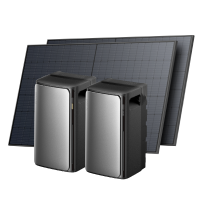
Upgrading to a whole‑home system takes the stress out of managing power during a blackout. You don’t have to choose which appliances stay on – an integrated multi-kilowatt battery system can automatically provide backup power when configured for backup operation. For homeowners comparing options beyond portable backup solutions, an EcoFlow Solar Battery provides a more scalable way to store renewable energy and use it when household demand is higher.
Expanding solar and battery capacity for future needs
Millions of Aussie homes already have solar on the roof, but energy needs keep growing – extra air conditioners, pool heating, EVs. On a scorching summer day, you might be running a few high‑draw appliances at once. And when storms or bushfires knock the grid out, a small 2000W inverter may not provide enough capacity if you want to stay comfortable.
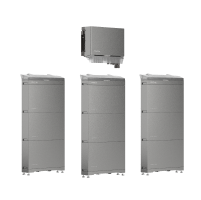
For homeowners looking beyond basic backup solutions, scalable home battery systems such as the EcoFlow OCEAN 2 Plus Single Phase can provide greater flexibility for Australian single-phase homes. It can integrate with rooftop solar generation and battery storage to help capture excess daytime solar energy. When configured for backup operation, it can help provide greater energy resilience during grid outages. With the right system design and battery capacity, homeowners can better manage essential loads and improve energy resilience during extreme weather events.
.png)
How Energy Monitoring Helps Optimise Solar and Battery Use
If you want to better understand your energy usage and improve system performance, having visibility into your power flows in real time can make energy management easier. A complete Home Energy Ecosystem connects solar generation, battery storage, energy monitoring and household consumption management, helping homeowners make better decisions about when to store, use, or optimise their energy.
Monitor Solar Generation and Household Consumption
Once your solar and battery setup’s in, the next thing is keeping tabs on where your power’s actually going. Most people want a clear picture – how much their panels are pumping out in the afternoon, what the house is using, and whether the battery’s got enough juice to get them through the evening peak.
That’s where a smart control hub like the EcoFlow PowerInsight 2 comes in. It provides a clear view of solar generation, battery status, and household energy consumption, helping homeowners understand energy flows and make more informed decisions about when to use stored power.
Identify Energy Consumption Patterns
Good monitoring tools help you pick up those sneaky “phantom loads” – things like electronics on standby or an old spare fridge humming away in the garage – that quietly chew through your battery overnight. Once you know what’s going on, you can tweak your habits without having to put up with any real discomfort.
Increase Solar Self-Consumption
With feed‑in tariffs sitting near record lows across most states, exporting solar back to the grid doesn’t pay like it used to. Smart monitoring lets you time high‑draw appliances – dishwashers, washing machines, pool pumps – to run when your panels are cranking. Shift your usage to daylight hours and you’ll use more of your own power, which makes a real dent in your quarterly bills.
Schedule Your Free Consultation Today!
What kind of product or solution are you interested in?

Conclusion
A 2000W inverter is still a solid, versatile option for emergency backup, camping, or light off‑grid setups. It’ll keep the essentials – fridge, comms gear – running when you need them. But if you’re looking to power air con, electric cooking, and EV charging through a summer blackout, a whole-home battery system may be a more suitable option for households that need greater backup capacity. That’s where greater energy independence and backup flexibility can become achievable.
Disclaimer: The information provided in this article is for general guidance only. Actual inverter, battery, and solar system requirements vary depending on your home’s energy usage, electrical setup, and local regulations. Always consult a qualified electrician or accredited installer before installing or modifying a home energy system.
FAQ
Can a 2000W inverter run a house?
No, not a whole house at once. It’ll handle essentials like lights, the fridge, Wi‑Fi, and small electronics, but it won’t cope with heavy hitters like ducted air conditioning, induction cooktops, or electric hot water systems.
How many appliances can a 2000W inverter run?
The number of appliances depends on their combined power consumption rather than the appliance count alone. A 2000W inverter may support several low- to medium-wattage devices at the same time, as long as the total load stays within its rated capacity. For example, a fridge (150W), a TV (100W), a laptop (65W), and a few LED lights (50W) could typically run together without exceeding the inverter’s capacity.
How long can a 2000‑watt inverter run a refrigerator?
That depends on your battery bank. With a typical 2kWh lithium battery, a refrigerator may run for roughly 12–24 hours depending on its efficiency, cycling pattern, ambient temperature, and overall system losses – the fridge draws about 100W to 200W when running, and it cycles on and off, so it’s not pulling power constantly.
What size inverter to run a whole house?
For many Australian homes, a 5kW to 10kW single-phase inverter is often considered depending on household loads, appliance choices, and backup requirements. This range can provide greater capacity for running higher-demand appliances such as air conditioners, kitchen appliances, and pool pumps when the system is appropriately sized.