Solar and Battery System: How It Works, Costs, and Benefits Explained
A solar and battery system is pretty straightforward. A solar and battery system combines rooftop solar panels with battery storage to generate electricity during the day and store excess energy for later use. That way you’ve got stored energy for the evening, or during grid outages.
Is it worth it? For many Australian households, a solar and battery system can be a worthwhile investment. Evening peak rates are high, and feed-in tariffs are low. Storing your own solar means you can significantly increase solar self-consumption, with some households reaching 80% to 90% depending on system size and usage patterns, cut your quarterly bills, and keep things running during blackouts.
In this guide, we cover how these systems work, what they cost in Australia, the key specs to look for, and how to choose the right setup for your home.
Key Takeaways
Dual Functionality: Panels crank out power during the day, and the battery holds onto what you don’t use for night-time or those expensive peak periods.
Maximised Self-Consumption: Storing your solar means you rely less on the grid during peak windows, typically 3 pm to 9 pm, and after dark.
Transparent Pricing Factors: What you pay depends on the size of your panel array, how much battery storage you go for, the complexity of the install, and whatever rebates your state happens to offer.
Performance Driven by Hardware: How well it actually performs comes down to the solar input design, the efficiency of the MPPT, the battery chemistry, and the smarts running the whole show.
Tailored Sizing: The right setup has to match your daily usage, roof orientation, and what’s coming down the track, like an EV or an induction cooktop.
What Is a Solar and Battery System and How Does It Work?
A solar and battery system lets you generate power during the day and store whatever you don’t use for later. Instead of sending that excess solar back to the grid, you hang onto it for the evening, when electricity’s more expensive.
Work Principles of a Solar and Battery System
A hybrid solar and battery system goes through four stages each day:
Generation: Panels on the roof soak up sunlight and produce DC power.
Conversion: The hybrid inverter turns that DC into AC, so your appliances can actually use it.
Storage: In the middle of the day, when your panels are making more than you’re using, the extra power goes into the battery. Sending it to the grid barely pays anymore.
Discharge: Once the sun’s down, the system switches to battery power and runs your house through the night.
Battery Storage and Higher Solar Self-Consumption
In Australia’s current energy market, self-consumption is everything. The higher feed-in tariffs available in the past are no longer common across Australia. These days, retailers might only give you 3c to 7c per kWh for sending solar back to the grid, while charging 35c to 50c or more when you buy it back during peak evening hours.
Adding a battery flips that. Instead of giving away your midday surplus for next to nothing, you store it and use it yourself. That pushes your self-consumption rate from a typical 30% up to 80% or higher. You keep more of your own power, where it actually counts.
Backup Power During Grid Outages
Extreme weather, summer storms, and local grid failures are an unfortunate reality across Australia. Standard grid-tied solar systems shut down automatically during an outage for line-worker safety. But a solar and battery system with emergency power supply or blackout backup keeps your essential circuits running.
Whether it’s keeping the fridge cold, a few lights on, or the Wi-Fi going for work, that backup gives you a bit of peace of mind when the grid goes down.

How Much Does a Solar and Battery System Cost?
There’s no single price for a solar and battery system. What you pay depends on your battery size, solar capacity, roof layout and installation requirements.
Factors That Influence Total System Cost
When getting quotes from CEC-accredited installers, several variables will shape your final investment cost:
Solar Array Size: Standard Australian home installs range from 6.6 kW up to 10 kW or 13 kW PV arrays.
Battery Storage Capacity: Measured in kilowatt-hours (kWh), usually ranging from 5 kWh to 20 kWh+. Battery size is one of the key factors affecting solar battery cost, as larger storage capacity usually increases upfront investment.
Inverter Type & Quality: Single-phase vs. three-phase, standard hybrid vs. high-output modular units.
Installation Complexity: Multi-storey homes, tile roofs, switchboard upgrades, or complex cable runs add labor costs.
Battery Capacity and Overall System Pricing
To give you a realistic idea of current Australian market rates (inclusive of standard Small-scale Technology Certificates - STCs, but before state battery rebates), here is a quick breakdown:
| System Configuration | Solar Array Size | Battery Capacity | Typical Installed Cost (AUD) | Ideal For Household Type |
|---|---|---|---|---|
| Starter Hybrid System | 6.6 kW | 5 kWh – 7 kWh | $8,500 – $12,000 | Couples / 1-2 person homes with low night usage |
| Standard Family System | 8.8 kW – 10 kW | 10 kWh – 15 kWh | $13,000 – $18,500 | Medium-to-large families with aircon & pool pumps |
| High-Capacity / All-Electric | 12 kW – 15 kW+ | 15 kWh – 25 kWh+ | $19,000 – $28,000+ | Large homes, EV owners, or rural blackout-prone properties |
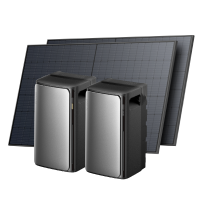
Once you understand the typical cost range, the next step is evaluating whether the battery can deliver long-term value through higher solar self-consumption and reduced grid reliance. Choosing the right EcoFlow Solar Battery solution can help Australian households store excess solar energy during the day and use it when electricity prices are higher.
Payback Period for a Solar Battery System
A standalone solar system typically pays for itself in about 3 to 5 years in Australia. Add a battery, and you’re looking at more like 6 to 9 years, depending on your state’s power prices, how much you use, and what you get paid for exports. Considering most decent lithium batteries come with a 10-year warranty, the system should pay itself off well before it needs replacing, leaving you with years of savings after that.
Government Incentives and Battery Rebates
Federal STC discounts lower the upfront cost of solar panels across Australia. Additionally, several state governments offer specific battery rebate programs or interest-free loans (such as NSW’s Peak Demand Reduction Scheme incentives, Victoria’s Solar Homes program, or state green loan schemes). Be sure to check with your local council and accredited installer for current state incentives that can slice thousands off your upfront bill.
What System Features Affect Solar and Battery Performance?
Two systems with the same battery size can perform very differently. Much depends on the inverter, battery chemistry and how well the system manages solar generation.
Solar Input Capacity and MPPT Performance
Not every Aussie house has a perfect north-facing roof with zero shade. In reality, panels end up split across east, west, and north pitches, or they cop shade from trees, chimneys, or the nearby buildings. If your system can’t manage each section independently, a bit of shade or a poor angle on one string can drag the whole array down. That means less generation and slower battery charging.
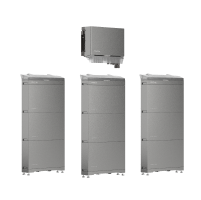
The EcoFlow OCEAN 2 Plus Single Phase addresses this challenge with three independent MPPT trackers. It manages each solar input independently, helping optimise solar generation across different roof orientations and reducing the impact of partial shading. And with support for up to 24 kW of PV input, you’ve got plenty of room to add more panels later if your energy needs grow.
Round-Trip Efficiency and Battery Performance
Round-trip efficiency tells you how much power you actually get back from the battery compared to what you put in. A system with 95% RTE only loses 5% in the charge-discharge cycle. A cheaper one with 85% RTE? That’s 15% of your stored solar going up as heat. So look for a high RTE. Every kilowatt counts.
Battery Chemistry and Long-Term Reliability
Most home batteries use LFP battery technology (Lithium Iron Phosphate), which offers better thermal stability, improved safety, and longer cycle life compared with older battery chemistries. LFP batteries also perform reliably in Australia’s high summer temperatures, making them well suited for residential energy storage. Many LFP batteries can achieve thousands of charge cycles, supporting daily use over many years.
Smart Energy Management for Greater Savings
After going solar and adding a battery, a lot of Aussie households hit the same snag. The sun’s pumping at midday when no one’s home, but energy use spikes in the evening when everyone’s back, the air con’s on, dinner’s cooking, and the TV’s running. Without smart management, you can end up pulling expensive peak power from the grid without even realising.
The EcoFlow PowerInsight 2 gives you real-time visibility and control over that whole cycle. Its dashboard shows you live energy flows from solar, battery storage, and household loads. AI Energy OS analyses your energy usage patterns and energy data to support smarter energy management decisions. That means more self-consumption, less grid reliance, and better returns on what you’ve invested.
.png)
How to Choose the Right Solar and Battery System for Your Home?
Choosing the right home battery system depends on your electricity usage, solar generation, and future energy needs. Here’s a step-by-step checklist to run through before you sign anything.
Match Your Battery Capacity to Your Household's Daily Energy Use
Check your last power bill and look for your average daily usage in kilowatt-hours. Most Aussie homes use around 15 to 20 kWh a day, with about 8 to 12 kWh of that happening in the evening and overnight. A 10 to 15 kWh battery should cover that gap without you having to buy expensive peak power from the grid.
Consider Your Roof Size and Solar Generation Potential
Check your roof space first. A typical 6.6 kW system uses about 15 to 16 panels, which covers around 30 to 35 square metres. If you want to add a battery later, size your solar up to 8 kW or 10 kW. That gives you enough power to run the house and still charge the battery, even when it’s cloudy.
Check System Compatibility for Future Expansion
Your energy needs change. Maybe you’ll get an EV, install a pool, or swap gas for a heat pump down the track. So make sure your inverter and battery setup can expand. A modular system lets you stack more battery modules or add extra panels without ripping out the whole thing. Beyond adding more capacity, a future-ready energy system should also allow different devices to work together. An integrated Home Energy Ecosystem allows different energy technologies to work together more efficiently, making future upgrades easier.
Consider Local Climate and Backup Power Needs
If you’re in coastal Queensland or regional Victoria where summer storms and bushfires knock the grid out regularly, look for systems with fast automatic transfer switches and solid surge output. Also check the IP rating. IP65-rated systems can provide protection against dust and water ingress, making them suitable for many outdoor installation environments.
Compare Battery Warranty and Manufacturer Support
Don’t just chase the cheapest price. A decent battery should come with a proper warranty, usually around 10 years, and clear guarantees on performance. Also check if the brand has a local support team in Australia. That makes a big difference if you ever need to make a claim.
Schedule Your Free Consultation Today!
What kind of product or solution are you interested in?

Conclusion
A solar and battery setup is about as good as it gets for Aussie homeowners right now. You generate during the day, store the surplus, and use it at night. Cheaper power, less exposure to price hikes, and a bit of backup when the grid drops.
With flexible, high-capacity options like the EcoFlow OCEAN 2 Plus Single Phase, which gives you triple MPPT flexibility, and smart control platforms like the EcoFlow PowerInsight 2 to optimise every kilowatt, managing your home energy has never been easier.
Start with your latest power bill. Figure out what you’re using at night, then talk to an installer to design a system that works for your place.
FAQ
Are solar panels and batteries worth it?
Yes, for most Aussie homeowners they are. You generate cheap power during the day, store what you don’t use, and run your house on it when evening rates spike. That adds up to serious savings on your quarterly bills, plus you’re covered when the grid goes down.
Is it worth adding a battery to existing solar?
Definitely, especially now that feed-in tariffs are so low. Retailers often pay relatively low rates for daytime solar exports, so a battery lets you hold onto that power for the evening instead of buying it back at a much higher price.
Can a solar battery run an entire house?
It can, as long as you size it right. For bigger homes with ducted air con or induction cooktops, just make sure the battery has enough output and storage to handle the load.
Do solar batteries work on cloudy days?
Yes. Solar panels can still generate electricity on cloudy days, although output is usually lower than under direct sunlight, and the battery makes up the difference. Your house keeps running like normal.
How long does a solar battery last during a blackout?
A fully charged 10kWh to 15kWh battery may keep essential appliances running for 1 to 2 days, depending on household energy use. And if the sun’s out while the grid’s down, your panels can keep topping it up as you go.