
Wire Gauge Amp Chart: Beginner's Guide to Choosing the Right Wire Size
A wire gauge amp chart is one of the most useful references for anyone installing, upgrading, or troubleshooting an electrical circuit. Incorrect wire size can lead to overheating, voltage drop, nuisance breaker trips, or fire hazards. In this guide, we’ll discuss how to read a wire gauge amp chart, what determines the correct size, and wire-size considerations for home backup batteries.
Wire gauge amp chart: Quick reference
The table below is a quick reference for typical residential copper conductors. The actual allowable ampacity is determined by the type of insulation, the method of installation, the ambient temperature and local electrical codes. Always check the final sizing before installation.
AWG | Typical Amp Rating | Common Breaker | Typical Uses |
|---|---|---|---|
14 AWG | 15A | 15A | Lighting |
12 AWG | 20A | 20A | Outlets |
10 AWG | 30A | 30A | Water heaters, dryers |
8 AWG | 40–50A | 40–50A | EV chargers, ranges |
6 AWG | 55–65A | 50–60A | Subpanels, battery systems |
4 AWG | 70–85A | 70–80A | Large feeders |
2 AWG | 95–115A | 100A | Service feeders |
What does wire gauge (AWG) mean
The American Wire Gauge (AWG) system is used as the standard for determining the diameter of electrical conductors. Each gauge number corresponds to a specific wire thickness. For example, a 6 AWG conductor is much thicker than a 12 AWG conductor.
Wire size relates directly to the amount of electrical current that can safely flow through the conductor. Larger wires have lower electrical resistance, so they can carry higher currents with less heat produced and less voltage lost. That makes AWG one of the first specifications that electricians will look at when designing or modifying electrical circuits.
The AWG number is fixed, but the ampacity is not. It can vary based on installation conditions, insulation temperature rating, and conductor material. That is why a professional will use both the AWG size and an ampacity chart to select wiring.
How to read an AWG ampacity charge
There are several key columns in an AWG ampacity chart that work in conjunction to determine if a conductor is suitable for a given circuit.
Wire Size
This column shows the physical size of the conductor. Lower the number, the thicker the wire and the more current it can carry. Choosing the right gauge is the first step in designing a safe circuit.
Amps (Current Capacity)
This is the maximum current that the conductor can safely carry under the specified conditions. The value depends on the insulation type, method of installation, conductor material and temperature rating.
Breaker Size
The breaker stops the wire from carrying too much current, so it can not be more than the safe ampacity of the conductor. This method properly coordinates the breaker size and wire gauge, so if there is an overload or short circuit, the wire will not overheat.
Material of Wire
Most residential wiring uses copper because it offers excellent conductivity and mechanical strength. Aluminum conductors are lighter and cheaper, but require larger sizes to carry the same amount of current due to higher electrical resistance.
Insulation Temperature Rating
Standard insulation ratings are 60°C, 75°C, and 90°C. Higher rated insulation allows the conductors to be safely operated at higher temperatures when allowed by code and equipment ratings.
Typical Uses
The examples given in this column are common applications for each wire size. This helps the homeowner to quickly determine which conductor is generally used for lighting circuits, receptacles, appliances, subpanels, or larger electrical equipment.
What determines the correct wire size
Circuit amperage
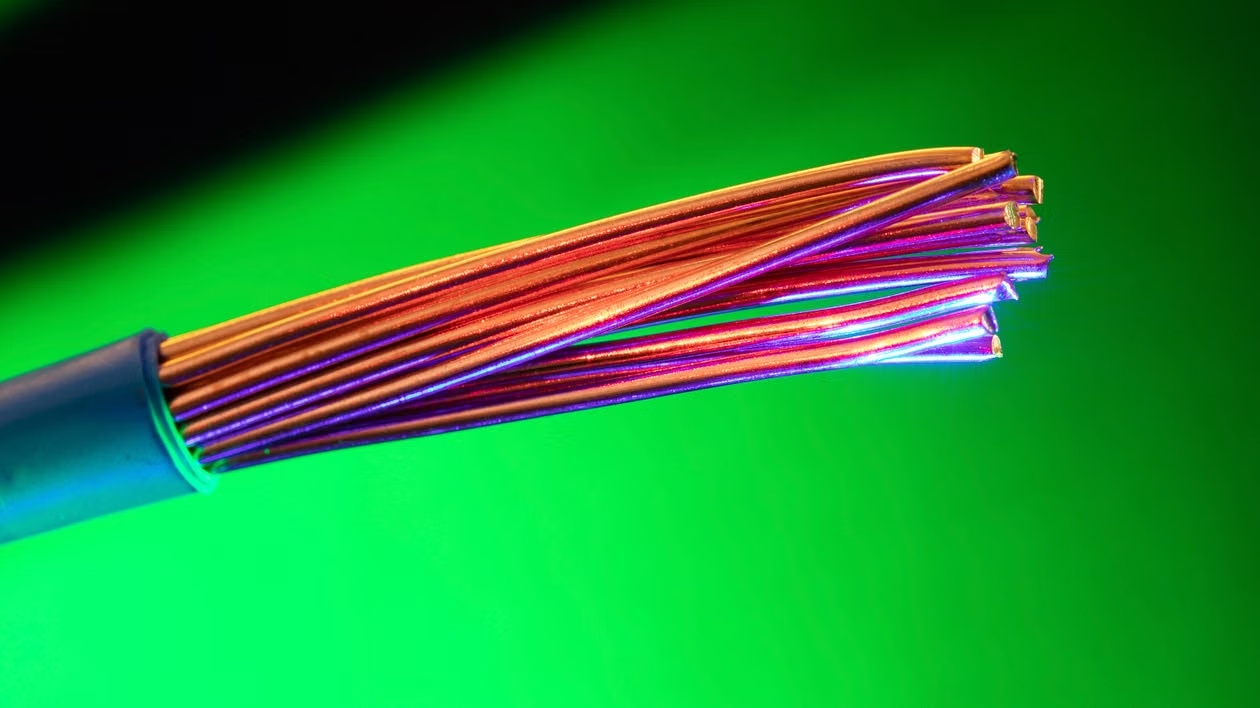
The primary consideration is the anticipated electrical load. Higher current needs thicker conductors to carry the extra power without overheating. The ampacity of the wire should always be equal to or greater than the expected load.
Wire length
The longer the cable run, the greater the resistance and voltage drop. Ampacity is one factor, but even if a conductor is sized for ampacity, it might need to be upsized for long distances to ensure efficient operation of equipment and to reduce energy losses.
Copper vs aluminum conductors
Copper is a better conductor of electricity and generally provides for smaller sizes of conductor. Aluminum, lighter and less costly, is often used for service entrances and large feeders, but usually requires a larger gauge to give the same performance.
Insulation rating
Conductors with higher temperature-rated insulation may be used with compatible equipment to withstand higher operating temperatures. The insulation rating affects the ampacity permitted per electrical code.
Ambient temperature
The higher the temperature of the surroundings, the less able the conductor is to get rid of heat. Electrical codes require ampacity adjustments when wiring is installed in hot attics, rooftops, mechanical rooms or other elevated-temperature locations.
Wire Sizing Considerations for Whole-Home Battery Installations

Whole-home battery systems place different demands on electrical wiring than ordinary household appliances. These systems tend to provide a continuous flow of large amounts of electricity during charging, discharging, or when providing backup power in case of outages rather than powering a device for short intervals.
The major considerations are as follows.
Higher continuous current
Unlike other household appliances that switch on and off, a whole home battery system can kick out a high level of output for long periods of time. During normal operation or backup mode, the inverter is able to continuously power multiple house circuits. Thus, a conductor must be able to carry a steady current without overheating. Selecting the proper wire gauge maintains the wiring within its allowable ampacity, leading to long-term reliability.
Continuous charging and discharging
Battery energy storage systems regularly switch between charging from the grid or solar panels and discharging to power the home. The long operating cycles mean constant electrical loads, which generate more heat than the short bursts of appliance use.
Backup Operation Power Failures
Proper conductor sizing minimizes power losses, reduces the risk of overheating, and ensures the system can reliably supply vital appliances such as refrigerators, lighting, HVAC equipment, and internet devices.
Best practices for wire selection
Always start with an ampacity chart
An ampacity chart is a good place to start in selecting the proper conductor. It lets you correlate wire gauge to current-carrying capacity and find the minimum size conductor for your circuit. However, remember that the chart is only the first step and must be used with other installation considerations.
H3: Account for wire length before purchasing cable.
The length of wire has a large effect on the voltage drop. If the conductor meets the ampacity requirements, it may be necessary to use a larger wire gauge for long cable runs to ensure efficient operation. This is especially true for detached garages, workshops, solar arrays, EV charging stations, and whole-home battery systems where conductors often run long distances.
Size conductors for continuous loads rather than peak demand
Modern electrical appliances often operate for long periods. Continuous electrical loads can be generated by HVAC systems, EV chargers, water heaters, and battery storage systems. When sizing conductors, don't just look at short-term peak current. Use continuous-load calculations to ensure safe operation for many hours.
Follow NEC requirements and local regulations
The National Electrical Code, or NEC, defines minimum safety requirements for conductor size, overcurrent protection, and installation practices. Local jurisdictions may adopt additional amendments and more stringent requirements. It is always a good idea to check your design against applicable regulations before beginning any installation.
For large electrical upgrades
Larger electrical upgrades require more careful planning than normal household circuits. Continuous current draw, as is typical of high-power equipment, places added demands on conductors and overcurrent protection devices.
Choosing the right equipment is important, but so is choosing the right wire gauge for high-demand electrical upgrades. The EcoFlow Ocean Pro is a whole-home solar battery system for demanding residential applications that can power up an entire home. This provides continuous output up to 24 kW, supports up to 40 kW of solar input, and scalable battery storage from 10 kWh to 80 kWh for everything from daily energy optimization to extended outage protection. The system employs Lithium Iron Phosphate batteries and is backed by a 15-year warranty.

Conclusion
A wire gauge amp chart is a handy tool to help you choose the proper conductor, but sizing wire correctly is more than just matching a wire to a breaker. Ampacity, voltage drop, conductor material, insulation rating, and installation conditions all affect how well and how safely a circuit will perform.
Use the chart as a guide and verify your choice against electrical codes and manufacturer recommendations, especially for high-demand applications such as EV chargers, HVAC, and whole-home battery backup, to ensure long-term safety and reliability. Why wait? Request a consultation today and make an informed choice
Get Your Free Home Energy Consultation!
Which energy solution are you interested in?

FAQs
What wire gauge do I need for a 20-amp circuit?
A standard 20-amp residential branch circuit typically employs 12 AWG copper wire and is protected by a 20-amp breaker. Usually, you cannot run a smaller wire (like 14 AWG) on a 20-amp breaker because the wire can get hot and fail before the breaker does its job. Always verify the installation conforms to the latest electrical code requirements.
What gauge wire for each amp?
There is no universal 1-to-1 relationship between amperage and wire gauge. The ampacity of a wire is dependent on several factors, including conductor material, insulation type, installation method, and ambient temperature. Always begin with an AWG ampacity chart and then adjust it to the conditions of your installation.
Does wire length affect ampacity?
Wire length affects voltage drop, not the basic ampacity of the conductor. As cable runs become longer, electrical resistance increases, reducing the voltage delivered to connected equipment. To compensate for this, it's common for electricians to go up a wire gauge on longer runs to keep things efficient and equipment performing.
What's the difference between AWG and ampacity?
AWG (American Wire Gauge) is the physical size of the conductor, and ampacity is the maximum electrical current that conductor can carry safely under specific conditions. Larger conductors generally have higher ampacity, but the ultimate permissible current also depends on the type of insulation, method of installation, conductor material, and temperature.
How many amps can a gauge wire handle?
The number of amps a wire can carry safely depends on its gauge, conductor material, insulation temperature rating, installation conditions, and applicable electrical codes. For example, in many residential applications:
14 AWG copper: usually 15 amps
12 AWG copper: 20 Amps typical
10 AWG copper: usually 30 amps
Usually 40-50 amps on 8 AWG copper
6 AWG Copper: 55-65 Amps Normally
These values are for general guidance only. Always refer to the latest NEC requirements, local electrical codes and manufacturer specifications for allowable ampacity before installing or modifying any electrical circuit.

