
Why is it Important to Conserve Energy: Benefits & Guide
Why is it important to conserve energy? Rising electricity costs, frequent power outages, and growing concerns about climate change have made this question more relevant than ever. Energy conservation is not just about turning off lights and appliances that are not in use, but also about using energy wisely to reduce energy waste while remaining comfortable and productive. Homeowners also get better control over their energy use by harnessing smart technologies like a smart home battery backup system. Let's walk through the key benefits and practical ways to conserve energy.
What is the definition of conserving energy
Energy conservation means using electricity, fuel, and other energy sources more wisely to reduce energy consumption. Energy conservation isn't about sacrificing comfort or convenience, but about cutting waste and making smarter choices every day.
This includes turning off appliances when they are not in use, selecting energy-efficient lighting, improving the insulation of the home, or monitoring electricity use to see where waste is occurring. Such actions reduce the overall demand for energy, which helps households and businesses save money and conserve precious natural resources.
Energy conservation vs energy efficiency
Although the terms are often used interchangeably, energy conservation and energy efficiency refer to different approaches. Let's see what does energy efficient mean and how it is different from energy conservation.
Energy efficiency is using technology that does the same job but uses less energy. Energy-efficient improvements can include replacing incandescent bulbs with LEDs, upgrading to Energy star® appliances, installing high-efficiency HVAC systems, or using smart thermostats.
Energy conservation, on the other hand, involves changing behaviours to reduce total energy consumption. Examples are switching off lights when leaving a room, lowering the thermostat, and not using unnecessary appliances.
Why is it important to conserve energy: Key benefits explained
Reduces greenhouse gas emissions
When fossil fuels are burned to generate electricity, carbon dioxide and other greenhouse gases are released into the atmosphere. Saving electricity means fewer emissions from power plants, which significantly reduce a country's total carbon footprint.

Helps fight climate change
Human activities, such as producing electricity and emitting greenhouse gases, are the main drivers of climate change. Lower energy consumption cuts overall emissions and slows the buildup of heat-trapping gases in the atmosphere.
Lowers electricity bills
One of the most immediate benefits of energy conservation is reduced utility bills. By using less electricity, you will pay for fewer kilowatt hours each month. Simple steps such as switching to LED lighting, reducing standby power consumption, and improving insulation can all make a big difference to household energy bills.
Supports energy resilience
Energy saving also helps with energy resilience by easing the strain on the power grid, especially during peak demand or bad weather. Houses and businesses that combine energy conservation with renewable energy systems and battery storage are more resilient during outages and during periods of variable electricity prices.
Practical ways to conserve energy: Guide
Improve Energy Efficiency in Your Home
Making your home more energy efficient is one of the best ways to reduce long-term electricity use. Change out old bulbs for LEDs, swap out old appliances for energy-efficient models, seal air leaks around windows and doors, and add insulation to reduce heating and cooling losses.
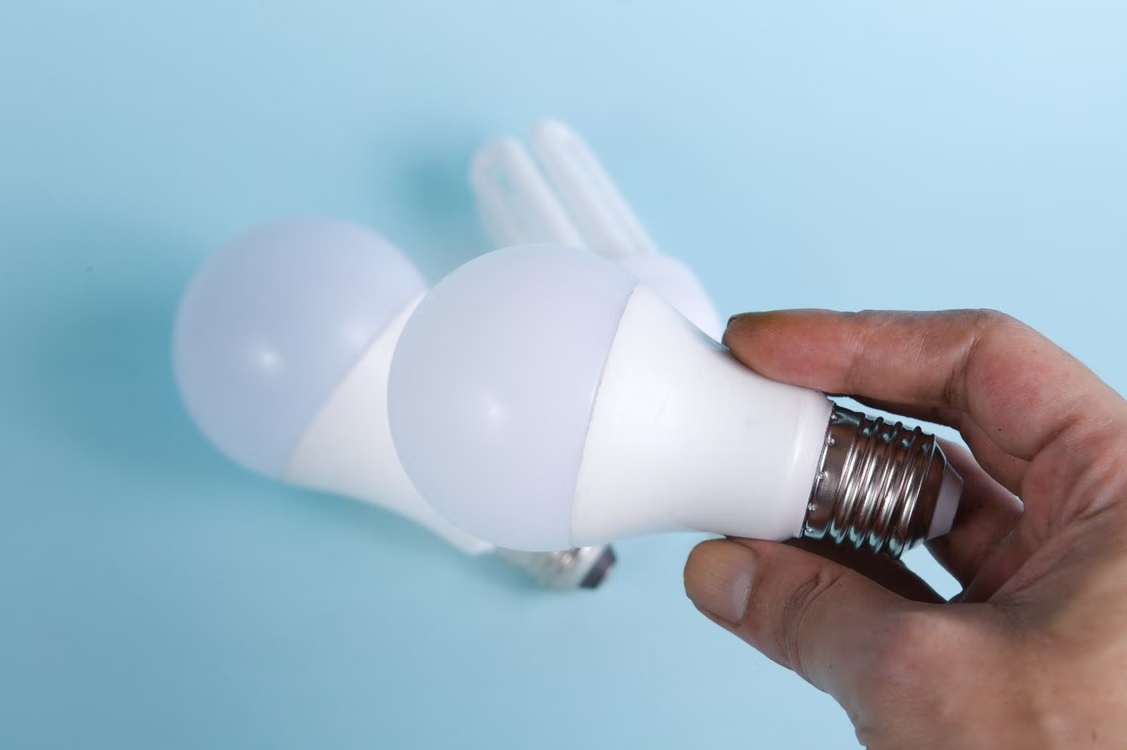
Even minor upgrades can greatly reduce energy waste while making your home more comfortable all year long. Regular maintenance of appliances and HVAC equipment keeps them operating at peak efficiency.
Optimize Heating and Cooling
Heating and cooling systems are typically the biggest consumers of household electricity. You can greatly increase efficiency by properly setting thermostats, using programmable or “smart” thermostats, regularly changing air filters, and maintaining your HVAC equipment. Ceiling fans, natural ventilation, and well-insulated windows can also reduce the need for excessive heating or air conditioning while maintaining indoor comfort.
Monitor and Manage Your Energy Usage
You cannot improve what you cannot measure. Tracking your home's electricity use can help you determine which appliances or circuits use the most energy and where you may be wasting energy. With real-time data, homeowners can change their behaviors, better plan energy-demanding activities, and make smarter choices that reduce their electricity bills over time.
This is a lot easier with solutions like the EcoFlow PowerInsight 2 monitor that serves as a central dashboard for your home energy system. The 11-inch Full HD (1920 x 1200) touchscreen offers real-time energy flow, including solar generation, battery charging & discharging, grid use, and overall household consumption, all in one intuitive interface. Since PowerInsight 2 is compatible with the Matter 1.4 smart home standard, it allows homeowners to control compatible devices from a single screen, rather than multiple apps.

Combine Solar Energy with Battery Storage
Producing your own renewable electricity is one of the best ways to encourage energy conservation in the long run. But solar panels only produce power when there is sunlight. Battery storage allows excess solar energy to be stored during the day for use at night, during peak electricity pricing, or when the grid goes down.
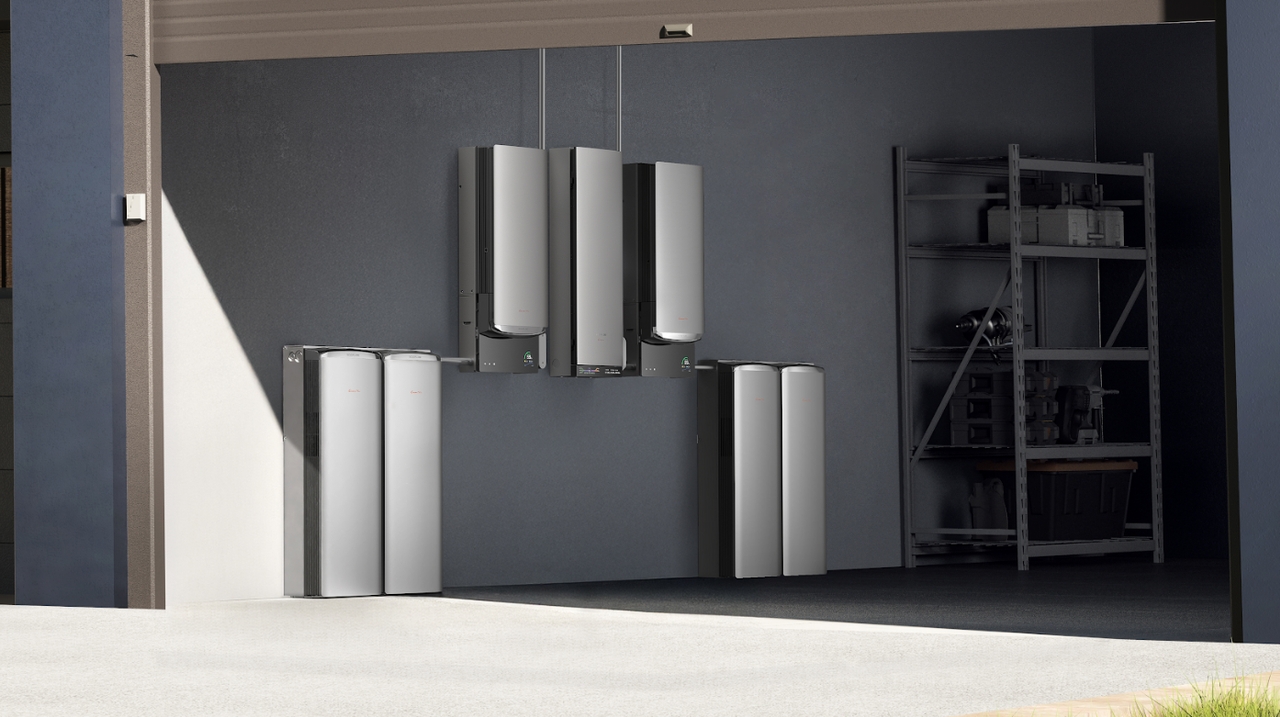
EcoFlow Ocean Pro is a home energy solution that combines smart energy management and cutting-edge battery storage technology to help homeowners optimize solar self-consumption. The system can accept up to 40 kW of solar input, meaning it can take in more rooftop solar energy for faster charging and longer backup times, while delivering 24 kW of continuous output, enough to run an entire home, including high-demand appliances like HVAC systems, EV chargers, etc.
Each unit comes with 10 kWh of modular LFP (LiFePO₄) battery storage, expandable to 80 kWh, so the system can scale as a household's energy needs grow. Ocean Pro also supports multi-source backup, easily combining solar panels, the utility grid, battery storage, and portable generators for uninterrupted power availability.
Conclusion
Understanding why it is important to conserve energy is important not just for cutting down electricity bills but for reducing greenhouse gases and supporting climate action. It also helps protect natural resources and improve energy resilience for homes and businesses. Simple habits such as switching off appliances when you are not using them can make a difference.
Solutions such as EcoFlow OCEAN Pro and PowerInsight 2 improve energy conservation with real-time visibility into electricity consumption, revealing the hidden energy drain and allowing users to optimize their energy use and timing. Request a consultation today and start making informed decisions for long-term sustainability.
Get Your Free Home Energy Consultation!
Which energy solution are you interested in?

FAQs
What does energy efficient mean?
Energy efficiency refers to products, buildings, or systems that use less energy to perform the same task as conventional products, buildings, or systems. For instance, LED bulbs provide the same brightness as incandescent bulbs but consume far less electricity and have a much longer lifespan.
What is an example of conserving energy?
A simple example of energy conservation is switching off lights and electronic devices when you are not using them. Other examples include using natural daylight instead of artificial light, turning thermostats down in winter, avoiding unnecessary heating or cooling, and unplugging standby electronics to avoid phantom power consumption.
How can electricity monitoring help reduce energy bills?
Electricity monitoring gives a real-time picture of when and where energy is being used. Homeowners can optimize the use of equipment and change their habits by identifying energy-hungry appliances, standby loads, or inefficient operating patterns. Smart monitoring systems like PowerInsight 2 also support the tracking of long-term consumption trends, helping to identify ongoing savings opportunities.
How can we conserve energy at home?
In addition to upgrading energy-efficient appliances and installing LED bulbs, homeowners can also save energy by improving insulation, maintaining heating and cooling systems, reducing standby power usage, monitoring electricity consumption, and combining solar panels with battery storage to maximize renewable energy consumption.

