
Whole Home Remodeling: Complete Step-by-Step Checklist
Tired of outdated layouts, high energy bills, and constant repairs in your aging home? A whole home remodeling project can transform your living space into a modern, efficient, and comfortable haven. This guide walks you through every stage of the process, from budgeting and design to permits and finishing touches, including how smart upgrades like home backup batteries can make your newly remodeled home more efficient and resilient for years to come.
What is whole home remodeling?
Whole-home remodeling is a comprehensive renovation that addresses most or all areas of a house in a single, coordinated project. Unlike targeted upgrades, which mean replacing a kitchen or adding a bathroom, a full remodel reimagines the entire home: its layout, systems, finishes, and functionality.
The scope typically includes structural changes, electrical and plumbing overhauls, HVAC upgrades, interior finishing, and exterior improvements. Some homeowners also use this opportunity to modernize energy systems, improve insulation, and integrate smart home technology.
The difference between a partial and a full remodel comes down to scale and coordination. A partial remodel tackles one or two rooms or systems at a time. A whole-home remodel treats the house as a single integrated project, allowing for better design cohesion, more efficient contractor scheduling, and often better value per dollar spent.
A complete remodel makes the most sense when your home is significantly dated, when multiple systems are failing or inefficient at the same time, when you've recently purchased a fixer-upper, or when your family's needs have grown beyond what the current layout can support. If you're already pulling permits for one major renovation, doing everything at once avoids the disruption of repeated projects down the road.
Key benefits of whole home remodeling
Choosing a whole-home remodel over piecemeal repairs lets you transform your living space into a cohesive, high-performance environment. Here are the primary advantages:
Improved functionality and layout
Whole-home remodeling allows you to reconfigure outdated, choppy floor plans to better suit modern lifestyles, such as creating open-concept living areas, adding, or expanding bathrooms, and maximizing storage space. By restructuring the layout to better meet your current needs—such as adding a home office or improving kitchen flow—you fundamentally enhance the daily usability and comfort of your living space.
Increased property value
A well-executed whole home remodel consistently delivers strong returns at resale. Buyers are willing to pay a premium for move-in-ready homes with updated kitchens, bathrooms, and systems. According to real estate data, comprehensive renovations that modernize both aesthetics and infrastructure can increase home values by 20 to 40 percent, depending on the market and quality of work.
Improved energy efficiency & lower utility bills
Old homes waste a lot of energy through poor insulation, outdated HVAC systems, and inefficient wiring. To slash your monthly bills during an old home remodel, prioritize transforming your electrical system from a passive expense into an active asset. For example, by integrating an EcoFlow Ocean Pro battery and EcoFlow Smart Panels, you can store energy when rates are low and power your home during expensive peak-demand hours, effectively "arbitraging" your utility costs. With a 10kWh to 80kWh capacity for "peak shaving," you can bypass high utility rates, which are often 2x to 3x higher during peak hours, and run your home on stored off-peak or solar power.

Reduced future maintenance
Addressing major structural components—such as plumbing, electrical, and roofing—during a remodel prevents expensive, emergency repairs down the line. By replacing aging, failing systems with modern, durable materials, you reduce maintenance frequency, providing peace of mind and long-term savings.
Personal satisfaction
Beyond financial and practical gains, a fully renovated home offers immense personal gratification by providing a space that reflects your taste, style, and functional requirements. It creates a renewed sense of ownership and enhances your overall comfort and well-being, transforming your home into a personalized, tranquil haven.
Step-by-step whole home remodeling process
Step 1: Assess your needs and goals
Every successful remodel starts with honest self-assessment. Walk through your home, room by room, and document what is not working. Common pain points include lack of storage, poor natural light, wasted square footage, outdated bathrooms, dysfunctional kitchens, and uncomfortable temperatures due to poor insulation or HVAC performance.
Once you have your list, prioritize. Not everything carries equal weight. Identify which changes are essential for daily comfort and functionality, and which are aspirational upgrades you'd love to have if the budget allows. This hierarchy will guide every decision that follows.
Also, think about the long-term side. Are you planning to stay in this home for 10 or more years? Are aging-in-place features a consideration? Do you want to eventually add solar? Answering these questions now ensures your remodel serves your needs well into the future.
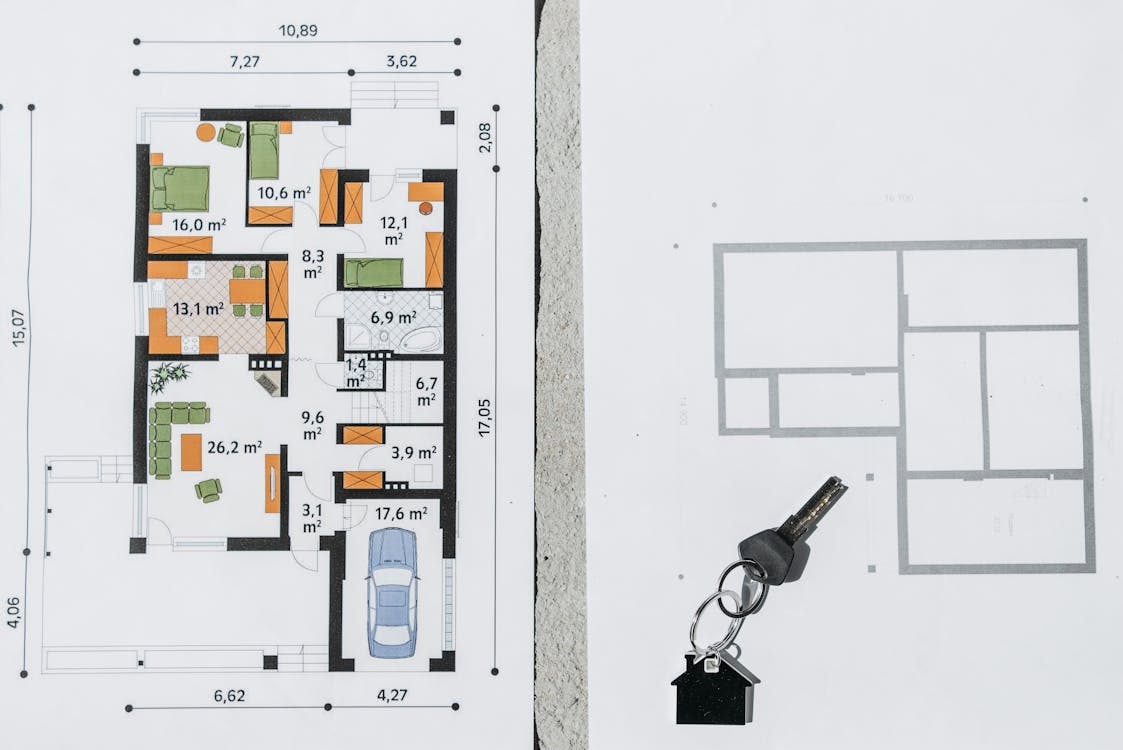
Step 2: Set a realistic budget
Budget is where most whole home remodeling projects run into trouble — usually because homeowners underestimate costs or fail to plan for the unexpected.
The whole home remodel cost varies widely depending on location, home size, scope of work, and material choices. As a general benchmark, mid-range full home remodels typically run between $100 and $200 per square foot, while high-end renovations can exceed $300 per square foot. A 2,000 square foot home could reasonably cost anywhere from $150,000 to $500,000 or more, depending on the extent of the work.
Build in a 15–20% contingency fund for unexpected issues common in older homes. Be sure to allocate sufficient budget for major system upgrades and future-ready features, including backup power solutions like home battery storage. Getting multiple detailed quotes early helps set realistic expectations.
Step 3: Plan the design and layout
This is the creative and technical heart of the project. If your remodel involves structural changes — removing walls, adding square footage, changing the roofline — you will need a licensed architect. For interior-focused projects, an experienced interior designer can help you maximize space, select materials, and create a cohesive aesthetic across the entire home.
Work closely with your design team to optimize traffic flow, natural light, and room proportions. Think about how spaces connect and how your family moves through the home throughout the day.
This is also the phase to plan for future-ready features. Smart panels, home battery backup systems, EV charging infrastructure, and pre-wiring for home automation are all far easier and cheaper to include during a remodel than to add after walls are closed up.
Step 4: Get permits and approvals
Skipping permits is one of the most costly mistakes a homeowner can make. Unpermitted work can delay or derail a future home sale, create liability issues, and in some cases require demolition and redo at your expense.
Most whole home remodels require multiple permits covering structural work, electrical upgrades, plumbing changes, and HVAC modifications. Your contractor should be familiar with local regulations and handle the permitting process, but it is your responsibility as the homeowner to verify that everything is properly permitted before work begins.
Hire only licensed and insured contractors. Licensing requirements vary by state and trade, but working with properly credentialed professionals protects you legally and financially.
Step 5: Demolition and structural work
Once permits are approved, work begins. Demolition is often the fastest phase of a remodel, but it requires careful preparation. Utilities need to be properly disconnected, hazardous materials like asbestos or lead paint need to be safely removed by certified professionals, and the site needs to be secured.
Expect the unexpected during this phase. Once walls come down, you may discover outdated wiring, water damage, mold, or structural issues that were invisible before demolition. This is normal, and it is exactly why a contingency budget matters.
Structural work—such as reinforcing beams, relocating load-bearing walls, and pouring new foundations—occurs during this phase to establish the physical framework for the rest of the project.
Step 6: Install core systems
With the structure in place, the focus shifts to the mechanical and electrical systems that make a home function. This includes all electrical work, plumbing rough-in, HVAC installation, insulation, and any ducting or ventilation changes.
This is the single most important phase for long-term home performance, and it is the right time to integrate smart energy systems like EcoFlow Ocean Pro battery. With a scalable 10–80kWh storage capacity and an impressive 205A LRA (Locked Rotor Amperage) capability, the system delivers enough surge power to start and run two 5-ton HVAC units simultaneously. This ensures reliable whole-home backup power, keeping essential systems and high-demand appliances running smoothly even during grid failures.
Do not cut corners on insulation or HVAC sizing during this phase. Proper thermal performance is one of the most cost-effective investments in a remodel, reducing energy bills for the life of the home.
Get Your Free Home Energy Consultation!
Which energy solution are you interested in?


Step 7: Interior finishing and final touches
This is the phase most homeowners picture when they imagine their finished home. Drywall, flooring, tile, cabinetry, countertops, paint, trim, lighting fixtures, and hardware all come together here.
The quality of finished work determines how your home looks and feels every single day. Invest in skilled craftspeople for tile work, cabinetry installation, and finish carpentry — these are the details that distinguish a truly excellent remodel from a merely adequate one.
This stage is also ideal for smart home integrations and automation — from lighting and security to energy monitoring. These final touches bring your entire home remodel together into a cohesive, beautiful, and functional living space.
Common mistakes to avoid in home remodeling
Avoiding common pitfalls can save you time, money, and frustration during your whole home remodeling journey. Here are the key mistakes homeowners often make — and how to prevent them:
Underestimating the budget: Many homeowners fail to account for the "hidden" costs of a whole home remodel. Beyond visible materials like tile and paint, there are often structural surprises or price fluctuations in raw materials. Always include a 10-20% contingency fund to handle these unexpected expenses without stalling your project.
Ignoring energy efficiency: It is a major mistake to focus solely on aesthetics while leaving outdated insulation or inefficient HVAC systems in place. While upgrading the building envelope costs more upfront, skipping it leads to decades of higher utility bills and a less comfortable living environment. Modernizing your home’s efficiency is one of the fastest ways to see a return on your investment.
Poor planning and timeline issues: Starting a project without a finalized design or a clear schedule is a recipe for disaster. Changing your mind about a layout or a fixture once construction has begun—known as a "change order"—is the primary cause of massive budget blowouts and months of delays. Detailed planning ensures the project moves smoothly from one trade to the next.
Skipping future-ready upgrades: Building for today without considering tomorrow is a common oversight. As the world shifts toward electric vehicles and smarter homes, failing to install the necessary electrical infrastructure is a missed opportunity. Integrating smart solutions during your remodel ensures your home is ready for solar and remains fully functional during power grid instability.
Conclusion
A whole home remodel is not a small undertaking, but when planned and executed well, it is one of the most transformative investments you can make in your quality of life and your financial future. The key is to approach it systematically — assess your needs honestly, set a realistic budget, hire qualified professionals, and make decisions that serve both your present lifestyle and your long-term goals.
Energy efficiency and resilience deserve a central place in that planning. Integrating smart solutions, like the EcoFlow Ocean Pro battery paired with EcoFlow Smart Panels, turns your newly remodeled home into a modern, self-sufficient living space — one that is comfortable, cost-effective, and prepared for whatever the future holds.
Ready to make your remodeled home smarter and more energy-resilient? Explore EcoFlow's home energy solutions and speak with an EcoFlow specialist today to find the right setup for your home — before the walls go back up.
FAQs
1. What is the difference between a renovation and a remodel?
A renovation updates existing elements like paint or fixtures without changing structure. A remodel alters layout, function, or systems. A whole home remodel typically does both on a larger scale.
2. How much does a whole home remodel cost?
The whole home remodel cost typically ranges from $100 to $300 per square foot. Total investment depends on your location, structural complexity, and the quality of finishes or smart energy systems you choose to integrate. Always add 15 to 20 percent as a contingency buffer.
3. How do I choose the right contractor for whole home remodeling near me?
Research licensed, insured professionals with a strong portfolio of comprehensive projects. Check recent references, verify their experience with modern electrical upgrades, and ensure their communication style aligns with your project goals.
4. Do I need to move out during a whole home remodel?
For a full remodel, moving out is strongly recommended. Construction dust, noise, and safety hazards make living on-site difficult. It also allows crews to work faster without disrupting your daily routine.
5. How long does a whole home remodeling project take?
A typical project takes 6 to 12 months. Timelines vary based on the home's size, the speed of local permit approvals, and the availability of specialized labor or materials for custom finishes and energy storage solutions.

