
Texas Tornado Season Isn't One-Size-Fits-All: What Your City Actually Faces
Texas is a massive state. Because of its huge size, it is not just a single weather risk zone. It actually contains five completely different threat areas.
A homeowner in El Paso faces almost no risk from extreme winds. On the other hand, someone living in Lubbock deals with one of the highest per-capita weather risks in the world. A family living in Houston faces a totally different problem. They have to watch out for fast-forming, rain-wrapped storms. These are nearly invisible on a radar screen until it is too late.
Are you wondering when is tornado season in Texas? Before you mark your calendar, you need to realize something important. Where you live completely changes what you need to know and how you must prepare. Most generic weather guides treat the whole state as one big, uniform threat. This guide does not.
Texas Has Two Tornado Seasons: Most Residents Only Prepare for One
When people ask when the Texas tornado season is, they almost always think of spring. However, the state actually experiences two distinct peaks in extreme weather.
The Spring Season (March–June)
This is the well-known peak of tornado season in Texas. It happens when warm, wet moisture from the Gulf of Mexico crashes into cold, dry Arctic air moving south. Most Texans are highly aware of this season. They watch the local news and keep their emergency kits ready.
The Under-Prepared Fall Season (October–November)
This is a secondary spike that frequently catches residents completely off-guard. After surviving the brutal Texas summer, many people mentally "stand down." Because of this complacency, the fall is historically responsible for several of Texas's deadliest outbreaks.
Why is the fall season more dangerous per storm? There is simply less public awareness. There are fewer active weather watches on the news. Residents are less psychologically primed to take sudden action when the sirens sound.
The "Any Month" Reality
Spring and fall are the clear peaks. However, Texas has recorded storm touchdowns in every single calendar month. It is the only US state where this is consistently true. You can never completely drop your guard.
Monthly Tornado Frequency in Texas
Here is what the actual weather timeline looks like throughout the year:
January–February: Low risk. However, early moisture can trigger isolated events.
March: Medium risk. The spring severe weather peak officially begins.
April: High risk. Dangerous supercells become common across the state.
May: Very High risk. This is the absolute peak of the spring tornado season in Texas.
June: Medium risk. Storm activity continues heavily in the Panhandle region.
July–September: Low risk. The intense summer heat typically stops supercells from forming.
October: High risk. The highly dangerous and underestimated fall peak begins.
November: Medium risk. Late-season cold fronts clash with warm air.
December: Low risk. However, holiday weather spikes have surprised residents before.
What Living in Different Parts of Texas Actually Means
General regional advice is not helpful. To truly answer when the tornado season is in Texas, you need specific local guidance. Here is what your city faces.
DFW Metroplex
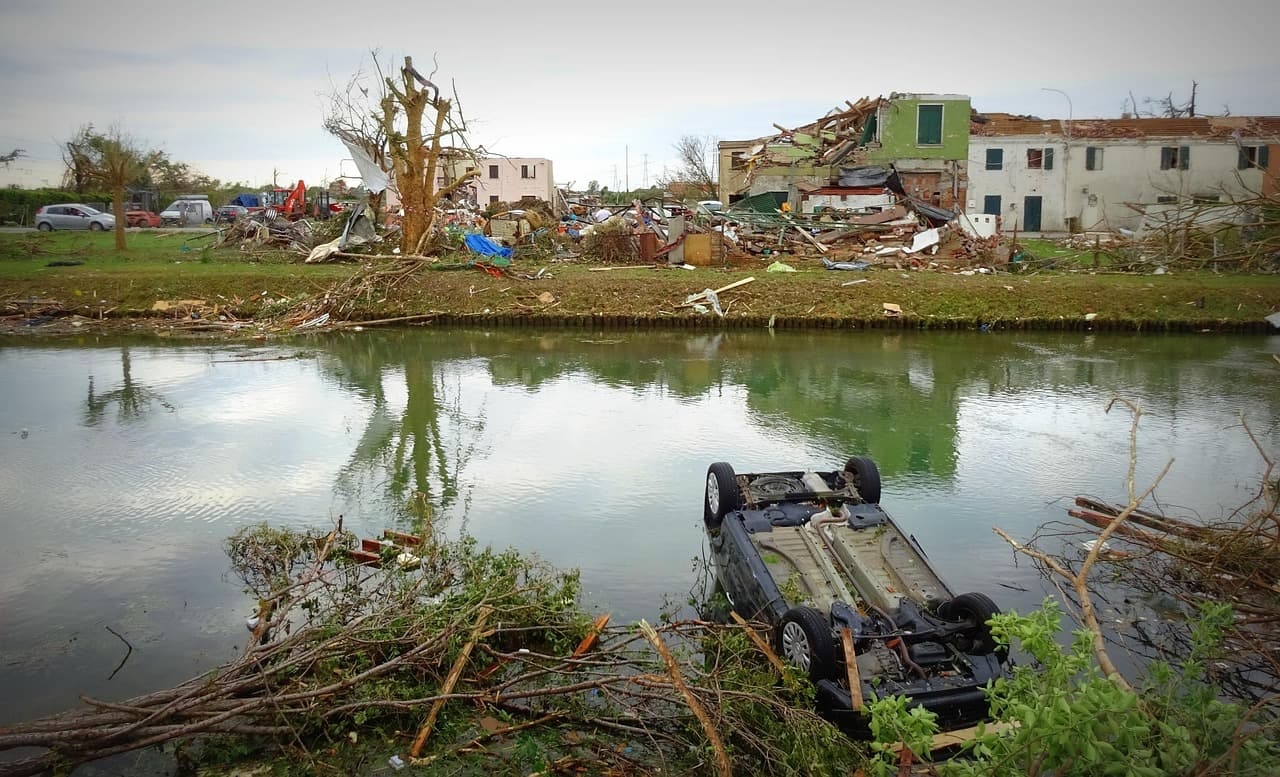
Wondering when the tornado season is in Dallas Texas? The risk peaks in spring and fall. With over 7 million people in this active storm corridor, the unique challenge here is extreme urban density. Storms hit crowded suburbs, not open plains. This means debris fields are far more dangerous, turning normal roof tiles into deadly weapons. Evacuation routes also get congested incredibly fast.
Lubbock & the South Plains
This region has one of the highest storm densities per square mile in the world. The flat terrain offers absolutely no natural barriers. Because of this, storms travel farther and much faster. This gives residents significantly less warning time.
Houston
Houston faces a deeply underappreciated risk. It sits outside the classic "Tornado Alley." However, it faces rain-wrapped funnels embedded in tropical systems and squall lines. These are often visually undetectable until impact.
San Antonio & Central Texas
This area is becoming increasingly active. Historical storm tracks are slowly shifting south. San Antonio now sits right at the edge of Tornado Alley's expanding footprint. A rapidly growing population means far more people and homes are directly in harm's way.
Austin
Historically, Austin carried a lower risk. But recent decades show increasing activity. The rapid urban growth means the city's infrastructure is newer but also less tested by major weather events.
The Panhandle (Amarillo, Lubbock)
This is classic Tornado Alley exposure. The wide-open terrain creates the highest likelihood of large, long-track supercells. These massive storms can travel 50+ miles (80.4+ km) on the ground.
Far West Texas / El Paso
The risk here is genuinely low. The dry geography and climate combine to stop supercells from forming. However, residents relocating from El Paso to higher-risk cities desperately need a mindset shift to stay safe.
Texas Regional Risk Map
City / Region | Risk Level | Typical Storm Type | Local Preparation Consideration |
|---|---|---|---|
DFW Metroplex | Very High | Urban Supercells | Prepare for deadly debris from dense housing. |
Lubbock / Plains | Very High | Fast-Moving Supercells | Act immediately; flat land limits warning time. |
Houston | Medium-High | Rain-Wrapped | Rely on radar alerts, not your eyes. |
San Antonio / Austin | Medium | Squall Lines | Review untested home builds for wind rating. |
The Panhandle | High | Long-Track Supercells | Prepare for massive storms lasting hours. |
El Paso / West | Low | Rare / Isolated | Avoid a false sense of security when traveling. |
Do not wait for the next severe storm to leave your family in the dark. If you are ready to protect your home and future-proof your power supply, request a consultation today and take the next step toward true energy independence.
Get Your Free Home Energy Consultation!
Which energy solution are you interested in?

Texas Power Grid: Why Tornadoes Hit Texans Harder Than Other Americans
Surviving the high winds is only the first part of the battle. In Texas, the aftermath is often worse than the storm itself. This is because Texas runs on ERCOT. ERCOT is an isolated power grid. It is not connected to the Eastern or Western Interconnects like the rest of the US. During a massive outage, this isolation becomes a major hazard. When a storm damages regional substations, ERCOT cannot easily import power from neighboring states.
This creates a severe risk of cascading failure. ERCOT cannot easily reroute power from the outside. Because of this, recovery is far slower and highly vulnerable to secondary weather events. Historical outage data shows a grim reality: the average outage duration after a major Texas storm consistently exceeds the national recovery time.
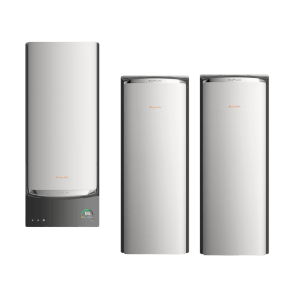
The February 2021 winter storm established a clear fact. Grid isolation is a real vulnerability that affects all severe weather events, not just ice storms. For Texas homeowners, home energy independence is not a luxury. It is a strategic necessity. You need more protection than residents of any other state. This is where the EcoFlow OCEAN Pro becomes a lifesaver. Because ERCOT grid failures can stretch for days, you need a solution built for multi-day resilience.

Instead of offering a weak battery that only runs a few lights, the Ocean Pro delivers a massive 24kW of continuous power. The real-world benefit? It provides sustained power that easily runs heavy appliances. You can power two 5-ton HVAC units simultaneously. Your family stays cool and safe, completely independent of whether ERCOT can fix the neighborhood lines. It offers a practical, reliable solution to a Texas-specific infrastructure problem.
What Texas Building Codes Actually Say About Tornado Safety
exas has no statewide residential building code. It is one of only a handful of states where local jurisdictions can opt out of adopting building codes entirely. What does this mean in practice? Homes built in unincorporated Texas counties may be constructed to no minimum wind resistance standard. This lack of regulation makes storm damage far worse than it would be in a code-compliant structure.
To find out if your specific Texas home is built to any wind standard, you must do some research. Look for hurricane clips in your attic, or call your local county permit office to check your building records.
The reality for manufactured and mobile homes is even worse. Texas has one of the largest concentrations of mobile homes in the US. Sadly, these homes are disproportionately represented in fatality statistics. Mobile home residents must do things differently. You must have a strict plan to evacuate to a sturdy building long before the wind arrives.
Fortunately, safe room incentives are available. Texas offers the Hazard Mitigation Grant Program through the Texas Division of Emergency Management (TDEM). Many Texans do not know they may qualify for partial funding for a certified safe room installation.
It is vital to understand the difference between a tornado shelter and a storm-rated structure. A storm-rated structure simply protects the building from blowing away. A true shelter protects the occupants from flying debris. Every Texas homeowner needs to clearly understand which one they have.
The 72-Hour Window After a Texas Tornado
Most advice focuses on surviving the storm. However, what happens in the three days after the disaster is a completely different and underserved topic.
Hour 0–6: Immediate Safety
Once the wind stops, the danger shifts. Watch out for downed power lines, unseen gas leaks, and structural instability. Wait for daylight to safely assess the damage. What to absolutely avoid: Do not light any matches or candles under any circumstances.
Hour 6–24: Documentation for Insurance
Photograph everything before touching anything. This is critical for your insurance claim. You must also understand Texas-specific insurance gaps. Know the difference between your normal homeowners policy and your windstorm coverage. Coastal residents must also review their Texas Windstorm Insurance Association (TWIA) guidelines.
Hour 24–48: The Food and Medication Spoilage Timeline
In Texas summers, a house at an ambient 90°F (32.2°C) causes food to spoil incredibly fast. Without power, an unopened fridge only keeps food cold for about 4 hours. This is far less time than national guidance assumes.
Hour 48–72: Contractor Fraud
Texas sees a massive surge in unlicensed contractors after every major storm. Beware of the "blue tarp scam." Bad actors demand cash up front to cover your roof and then vanish. Always verify licensing through the Texas Department of Licensing and Regulation (TDLR) to protect yourself.
Beyond 72 hours: FEMA Individual Assistance
If the damage is catastrophic, watch for a FEMA Individual Assistance registration declaration. Learn when to apply, what it covers, and review the Texas-specific history of these declarations to set realistic expectations.
During an extended outage, guessing how much backup power you have is stressful and dangerous. Knowing exactly how much power your backup system has remaining is the difference between rationing wisely and running out unexpectedly.
The EcoFlow PowerInsight 2 Monitor acts as your ultimate recovery management tool. This central dashboard gives Texas households real-time visibility during the recovery window. Through its intelligent mode, it shows exactly what your most critical appliances are drawing. If a forgotten heater is wasting energy, you can manage it instantly. This direct control ensures your refrigerator stays cold and your medical devices remain active when grid restoration timelines are totally unknown.

Texas Tornado Warning Tools Most Residents Don't Know About
You need to go beyond simply downloading a generic weather app. Experienced residents rely on genuinely underused, Texas-specific resources.
SpotterNetwork and SKYWARN: Texas boasts one of the largest networks of trained volunteer storm spotters in the country. You can track their real-time field reports online alongside NWS SKYWARN alerts for faster ground truth.
Local TV Radar vs. National Apps: Stations like KXAN in Austin and WFAA in Dallas issue faster and more precise warnings than national apps. They understand Texas-specific storm patterns and local geography.
The ERCOT Outage Map: Monitor real-time grid stress during the storm, not just after outages begin. This helps you prep your home backup system early.
TxDOT Road Closure Alerts: Critical for evacuation planning. Heavy flooding almost always accompanies severe outbreaks, and TxDOT shows exactly which routes are blocked.
TDEM Ready Texas: The state's official emergency management portal. It is highly useful for locating active shelters, whereas generic websites offer little local help.
County-Specific Alert Systems: Many Texas counties have opt-in emergency alert systems. These text messages are frequently faster than national Wireless Emergency Alerts. Find your county's website and register yours today.
A Month-by-Month Texas Tornado Preparation Calendar
Being ready for tornado season for Texas requires year-round attention. Follow this simple calendar:
January–February: Review and restock your emergency kit. Inspect your safe room for pests. Check all backup power charge levels.
March: This is the first active severe weather month for South Texas and the Gulf Coast. Activate your monitoring habits and verify your insurance coverage before the spring peak hits.
April: Peak risk begins statewide. Confirm your family communication plan. Charge all home backup power systems.
May: This is the highest-risk month. Maintain daily weather monitoring. Know your specific county's warning sirens and their audible range.
June: Storm activity continues heavily in North Texas and the Panhandle. Begin your mid-year emergency kit refresh.
July–September: Enjoy a relative lull for most regions. This is your maintenance month. Test your backup systems and replace any kit perishables.
October–November: The deadly secondary season arrives. Most residents are unprepared. Re-activate your monitoring habits to survive this underestimated risk window.
December: Conduct a year-end review. Update your home inventory video for insurance. Plan any infrastructure improvements, like a safe room or backup power, for the following year.
Conclusion
Surviving the Texas tornado season requires true preparedness ownership. You now know your city's specific risk profile. You understand the very real dangers of the ERCOT grid isolation problem. You know how to check your home's building code status, and you have a clear month-by-month action plan.
Because the ERCOT grid isolation problem demands home energy independence, an integrated system like the Ocean Pro ensures your family stays comfortable when the city fails. Furthermore, the recovery window demands knowing exactly what your backup system has left, making the PowerInsight 2 an essential tool for managing your home's survival. Take control of your resilience today.
FAQs
Does Texas have a statewide building code that protects homes from tornadoes?
No, Texas allows local jurisdictions to opt out. Many unincorporated counties have no minimum wind resistance standards, leaving homes highly vulnerable.
Why do Texas power outages after tornadoes last longer than in other states?
Texas uses the isolated ERCOT grid, which cannot easily import emergency power when towers fall. This makes reliable whole-home battery backups, like the EcoFlow Ocean Pro, incredibly valuable during multi-day outages.
Can I get financial help to install a safe room in Texas?
Yes. Texas offers the Hazard Mitigation Grant Program through TDEM. Qualifying homeowners can receive partial funding for certified safe room installations.
What's different about Houston tornado risks compared to North Texas?
Houston rarely sees classic funnel clouds. Instead, it experiences highly dangerous rain-wrapped tornadoes embedded inside tropical squalls, making them visually undetectable.
How do I verify a contractor's license after storm damage in Texas?
Always check the Texas Department of Licensing and Regulation (TDLR) database online to ensure a contractor is legally licensed before paying them.
What's the best local weather alert source for my specific Texas county?
Beyond local TV meteorologists, the best source is your county's specific opt-in emergency text alert system, which frequently updates faster than national warning apps.

