
When is Storm Season in Texas? The Complete Guide to Peak Months
If you live in the Lone Star State, asking when is storm season in Texas is a very important part of home ownership. Texas is a massive state. Because of its large size and unique location on the map, it experiences a wide range of severe weather. The state sees everything from intense spring tornadoes to devastating late-summer hurricanes.
These extreme weather events bring heavy rain, giant hail, and high winds. Because of this, they frequently lead to extended power outages. When power lines go down, it causes property damage and creates major safety risks for families. The electrical grid in Texas faces heavy pressure during these peak weather months.
In this complete guide, we will break down the timeline of Texas storm seasons. We will look at the specific risks for different regions of the state. Finally, we will cover the practical steps you can take to keep your family and your home protected when the electrical grid goes down. Preparation is the key to staying safe.
Understanding the Dual Storm Season in Texas
Many people think there is only one specific time of year for bad weather. However, Texas actually has a dual storm season. Because the state sits between the warm Gulf of Mexico and the cooler plains to the north, it gets hit by two completely different types of major weather events.
Tornado Season: Spring to Early Summer
The primary tornado storm season in Texas generally runs from April through June. During these spring months, the weather conditions are perfect for creating massive storms.
Warm, moist air travels north from the Gulf of Mexico. At the same time, cold, dry air moves south from the Rocky Mountains and the northern plains. When these two air masses crash into each other over Texas, they create highly volatile supercell thunderstorms.
A supercell is a very strong thunderstorm with a deep, rotating updraft. These specific types of storms are responsible for producing the largest hail and the most dangerous tornadoes. Texas records an average of over 130 tornadoes every single year. The peak of this intense activity happens in May.
Hurricane Season: Late Summer to Fall
After the spring tornado threat slows down, a new weather threat begins. The Atlantic hurricane season officially starts on June 1 and runs until November 30. However, the exact peak activity for the Texas coast usually occurs in August and September.
During late summer, the water in the Gulf of Mexico becomes very warm. Warm ocean water acts like fuel for tropical storms. As storms move across this warm water, they gather moisture and wind speed. By the time they reach cities like Houston, Galveston, or Corpus Christi, they can become massive hurricanes. These storms bring destructive winds, dangerous storm surges, and days of heavy flooding.
When is Storm Season in North Texas?
Texas is so large that different cities face different weather patterns. You might wonder about the storm season in North Texas if you live near the Dallas-Fort Worth metroplex.
In North Texas, the severe weather peak is tightly concentrated in the spring months. March, April, and May bring the highest risks to this region. This area sits directly in the southern part of "Tornado Alley." During the spring, North Texas frequently experiences severe thunderstorms. These storms often bring large hail that can damage roofs and cars. They also bring damaging straight-line winds and a very high risk of tornadoes.
Interestingly, North Texas also has a secondary storm season. This smaller peak of severe weather can occur in late autumn, usually around October and November. As the hot summer weather finally fades and cooler fall air arrives, the atmosphere becomes unstable again. While these autumn storms are usually not as widespread as the spring storms, they can still produce sudden tornadoes and power outages. Residents in North Texas must stay alert during both spring and fall.
When Does Storm Season End in Texas?
People constantly ask, when does storm season end in Texas? The simple answer is that the official Atlantic hurricane season closes on November 30. By December, the threat of hurricanes and large tornado outbreaks usually drops significantly.
However, the reality of living in Texas is that extreme weather never truly ends. While the specific severe thunderstorm threats subside in the winter, Texas can still experience highly erratic and dangerous weather.
During the winter months, the state often faces severe winter freezes. Major events, like the freezing ice storms that have disabled the state's power grid in recent years, prove that preparation is a year-round necessity. Summer brings storms, but winter brings ice that can snap power lines and leave homes without heat for days. Therefore, a smart Texas homeowner treats every season as a time to be prepared for grid failures.
Essential Preparation for Texas Storms
Since severe weather is simply a fact of life in Texas, early preparation is your best defense. Waiting until the sky turns dark is too late. Here are the most essential steps to prepare your home and family.
Creating a Robust Communication Plan
Your family needs a clear emergency communication plan. During a major storm, cell phone towers can lose power or become overloaded. Decide on a safe meeting spot inside your home, away from windows. Keep a list of emergency contact numbers written down on actual paper.
Assembling a Survival Kit
Every home needs a well-stocked survival kit. You should have at least one gallon of drinking water per person per day. Keep a three-day supply of non-perishable food, such as canned goods and protein bars. Make sure your kit includes a full first-aid kit, extra batteries, and reliable flashlights.
Securing the Home Exterior
High winds cause massive damage. You need to secure the outside of your house. Regularly trim the trees around your property so dead branches do not crash through your roof or windows. Reinforce your garage doors. If strong wind breaks a garage door, the pressure can build up inside the garage and actually blow the roof off the house.
Planning for Emergency Backup Power
When storms hit Texas, the electrical grid frequently fails. Planning for emergency backup power is crucial to keep critical appliances running. Without power, all the food in your refrigerator will spoil. Worse, you will lose access to your HVAC system. Losing air conditioning during a summer hurricane or losing heat during a winter freeze can become a life-threatening situation.
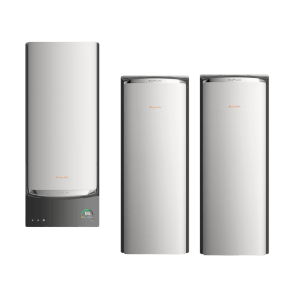
To solve this, many Texans are installing whole-home battery systems, such as the EcoFlow OCEAN Pro, to ensure their houses stay safe and functional during extreme weather. Rather than relying on noisy gas generators, a high-capacity battery seamlessly integrates into your home's wiring to provide instant, uninterrupted electricity when the grid fails. Key features to look for in a robust backup system include:

Pre-Storm Readiness: Systems equipped with a "Storm Mode" can monitor weather alerts and automatically charge your battery reserves to 100% capacity before severe weather strikes.
Heavy-Duty Output: To handle the Texas heat, you need a system with high continuous output (like 24kW and a 205A LRA rating) to easily run heavy loads, including multiple 5-ton HVAC units or water pumps.
Extreme Weather Resistance: The equipment must survive the storm itself. An IP67 rating ensures the battery is flood-resistant up to 3.3 feet (1.0 m) and can safely operate in temperatures ranging from -4°F to 140°F (-20°C to 60°C).
Ready to optimize your home energy? Schedule your free consultation today to see how the EcoFlow OCEAN ecosystem can power your lifestyle.
Post-Storm Recovery and Safety
The danger does not immediately end when the wind stops blowing. The hours and days following a severe Texas storm require extreme caution.
First, always wait for official "all-clear" announcements from local authorities or weather radios before leaving your storm shelter or home. Just because it is quiet does not mean it is safe.
If you go outside, avoid flooded areas completely. It only takes a few inches of moving water to knock an adult down, and floodwaters often carry toxic chemicals or sharp debris. Strictly stay away from downed power lines. Treat every fallen wire as if it is highly energized and deadly.
Before you begin cleaning up your yard or fixing your home, document all property damage. Take hundreds of clear photos and videos. Your insurance company will need this exact proof for your claims.
Finally, if you are using traditional gas generators instead of a battery system, use extreme caution. Ensure they are placed at least 20 feet away from your home and far from any windows. Gas generators produce carbon monoxide, an invisible and odorless gas that can cause fatal poisoning if it enters the house.
Conclusion
Texas is a beautiful state, but it requires residents to be tough and prepared. Briefly summarizing the weather timeline, Texas faces a dual threat. The state battles violent spring tornadoes and massive late-summer hurricanes. Because of this, year-round readiness is essential.
We cannot overstate the importance of preparation. Having a solid emergency plan, a well-stocked survival kit, and a reliable home battery backup strategy will keep your family safe during grid failures.
While you cannot control the weather, taking proactive steps today can bring peace of mind when the next storm rolls in.
Get Your Free Home Energy Consultation!
Which energy solution are you interested in?

FAQs
What month does Texas have the most storms?
May is typically the most active month for severe storms in Texas. This peak spring season brings the highest number of thunderstorms, large hail, and tornadoes across the state.
What month do most hurricanes hit Texas?
Historically, August and September see the most hurricane landfalls in Texas. During these late summer months, the Gulf of Mexico waters are the warmest, fueling tropical cyclones.
Where does it storm the most in Texas?
Northern and eastern Texas experience the most tornadoes and severe spring storms. The Gulf Coast experiences the most heavy rain and wind damage from late-summer hurricanes.
Has Texas ever had a Cat 5 hurricane?
No storm has officially made landfall in Texas as a Category 5. However, storms like Hurricane Harvey caused historic, catastrophic wind damage and extreme flooding.
How can I prepare for power outages during a storm?
The absolute best way to prepare is to build a severe weather survival kit with extra food, water, and reliable flashlights. Additionally, installing a whole-home battery backup system, such as the EcoFlow OCEAN Pro, ensures your refrigerator, lights, and HVAC unit continue running safely when the electrical grid fails.

