
When Is It Hurricane Season in Hawaii? Complete Safety Guide
Planning a tropical getaway or managing a household in paradise requires knowing when is it hurricane season in Hawaii to keep your family safe. While the islands are famous for year-round sun, late summer and autumn bring shifting weather patterns that increase the risk of severe tropical storms. When major storms approach the Pacific, sudden power grid failures can leave households vulnerable for days. Preparing your property with structural reinforcements and a reliable home battery backup ensures your household remains safe, illuminated, and fully functional during severe weather emergencies.
Hawaiian Hurricane Timeline That You Need to Know
Understanding the seasonal risks is the first step toward true peace of mind. The official hurricane season in the Central Pacific runs from June 1 through November 30. During this window, residents and visitors alike keep a close watch on ocean conditions. While the islands benefit from a protective high-pressure ridge to the north—which often steers storms away—meteorologists emphasize that complacency is dangerous.
Knowing how grid failures differ is vital when preparing for Hawaii's hurricane season: The peak of the season generally hits in August and September. Warm water acts like fuel for tropical cyclones. Even when a storm does not make a direct hit, the outer bands can bring heavy rain, flash floods, and sustained winds that strain the local electrical grid. By staying informed about the timeline, homeowners can proactively protect their living spaces before weather patterns shift.
Monthly Breakdown of Climate Risks in Hawaii
Month | Storm Development Risk | Primary Weather Characteristics |
|---|---|---|
June | Low | Season begins; minor atmospheric transitions. |
July | Moderate | Rising ocean temperatures; increased tropical depressions. |
August | Peak | Highest risk of active hurricanes and strong trade winds. |
September | Peak | Elevated ocean temperatures; high frequency of severe storms. |
October | Moderate | Gradual cooling; storm activity begins to slow down. |
November | Low | Season concludes; transition into winter swell patterns. |
The above data is based on Central Pacific hurricane season tracking from the National Oceanic and Atmospheric Administration (NOAA) and the Central Pacific Hurricane Center, available at weather.gov.
Crucial Steps to Protect Your Home and Family
Once you understand the seasonal risks, the next step is taking physical action. Protecting a home in a tropical environment is about preparation, not panic.
Protecting Windows and Structural Openings
Flying debris represents the primary threat during high winds. A stray branch can easily shatter unprotected glass, and once that happens, wind rushes in to cause rapid home depressurization. That sudden shift in air pressure is exactly what lifts roofs and destroys structural framing. Covering exposed glass early is essential. Permanent storm shutters offer the highest level of protection and provide excellent convenience. If permanent fixtures are not available, precut, heavy-duty marine plywood serves as a reliable secondary defense. Avoiding the wait for official storm warnings is key, as hardware store shelves tend to be bare when a system is imminent.
Securing the Property Exterior and Drainage
The outside of the house requires just as much attention as the interior. Tropical weather often dumps feet of rain in a matter of hours, creating significant risks of water pooling around concrete slabs. Clearing residential gutters of mud and dead leaves allows water a clean route away from the house. Clogged gutters force heavy rainfall over the roof's edge, where the constant overflow slowly erodes the soil supporting the foundation. Wind hazards pose another challenge, as everyday items can quickly become dangerous projectiles. Taking time to pack away or strap down lawn furniture, trash bins, and decorative yard pieces prevents unnecessary damage.
Furthermore, if you have invested in a home energy ecosystem, ensure all exterior hardware is securely mounted and shielded from wind impact. Finally, inspecting trees bordering the property—particularly those hanging near local utility lines—helps prevent localized grid outages and stops heavy limbs from crashing onto the roof.
Maintaining Critical Infrastructure and Power Continuity
One of the most disruptive aspects of a severe storm is the loss of the electrical grid. When power goes out, households often face darkness, spoiled food, and the inability to run essential medical equipment. While traditional fuel generators are widely used, they have significant drawbacks, including noise, exhaust fumes, and the need for constant fuel storage.
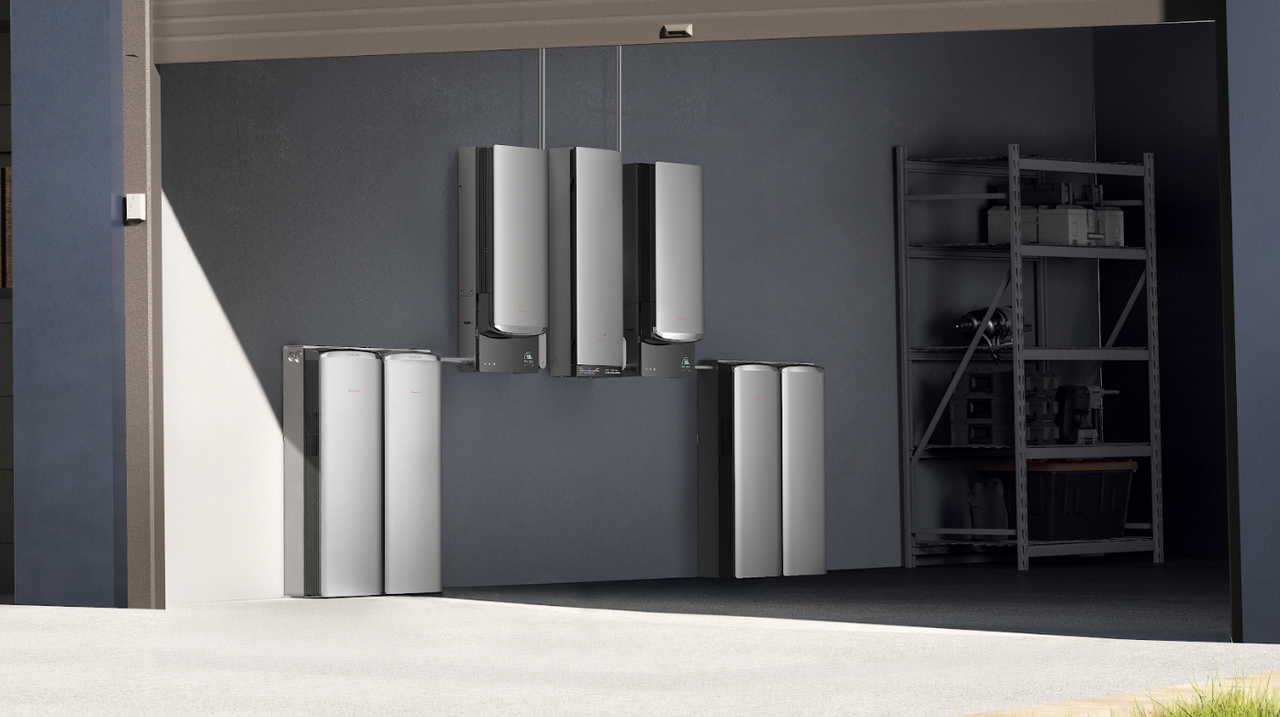
An advanced system like the EcoFlow Ocean Pro provides reliable power continuity without these common hazards. This system features instant switchover capability, enabling a rapid transition to backup power during a sudden grid collapse. It is designed with a highly flexible, scalable architecture. This allows homeowners to start with a 10kWh capacity and scale up to 80kWh as emergency storage needs grow.
Because it integrates into your existing home electrical structure, it manages high-demand appliances like refrigerators, central air conditioning units, and well pumps seamlessly. Relying on such an intelligent energy solution ensures a comfortable, functional home environment even when the grid fails.
Worried about prolonged grid failures during the next tropical storm? Request a consultation with our residential specialists today to design a customized emergency power blueprint for your property.
Get Your Free Home Energy Consultation!
Which energy solution are you interested in?

Post-Storm Safety Practices and Community Recovery
The end of the storm does not mean the end of the danger. The aftermath is often when accidents occur, so it is vital to remain cautious until local officials give the "all clear."
Avoiding Standing Water: Never walk or drive through floodwaters. You cannot tell how deep the water is, and hidden dangers like open manholes or debris-filled sinkholes are common. Furthermore, downed power lines often energize standing water, creating a lethal hazard.
Checking Local Advisories: Keep a battery-operated or hand-crank radio tuned in. Local civil defense reports are the most reliable source for information regarding water and road safety. If you have internet access, monitor ready.gov for official federal emergency protocols, check weather.gov for localized hazard warnings and road condition hubs, and consult the EPA's emergency response site for baseline guidelines on water safety and sanitation.
Inspecting Property Damage: Walk around the place once it's safe. Look for cracks, siding that's peeled off, or roof issues. If you spot a downed line, stay clear and call the utility folks.
Safeguarding Food and Water Quality: If your power is out for an extended time, check your freezer. When in doubt, throw it out. Follow any boil-water advisories provided by the city, as storm runoff often contaminates municipal water supplies.
Documenting Impacts for Insurance Claims: Before you clean up debris or start repairs, take plenty of photos and videos. Detailed documentation is the best way to ensure a smooth and fair process with your insurance provider.
Conclusion
Figuring out when is it hurricane season in Hawaii is only the first step. Real safety requires action. It demands physical preparation long before the clouds roll in. By securing windows, clearing those choked gutters, and installing a reliable home battery backup, homeowners build a true fortress.
Stop waiting for warning sirens. Pack emergency supplies today and map out a power strategy now. Locking down a property early removes panic from the equation, guaranteeing that a household can weather any Pacific storm safely and return to enjoying island life.
FAQs
When is it hurricane season in Hawaii?
Hurricane season in Hawaii runs from June 1 to November 30. The highest activity usually happens in August and September. For example, systems like the EcoFlow Ocean Pro help households stay powered throughout these peak risk months.
What months are not good to go to Hawaii?
There is no "bad" time, but travelers should be aware of the peak hurricane months in August and September. While storms are rare, monitoring the weather is wise if you plan to visit during the late summer or early autumn seasons.
How do I prepare my house for a tropical storm?
Secure loose outdoor objects, board up windows, and clear gutters. It is also smart to have an independent backup energy source. A system like the EcoFlow Ocean Pro ensures your lights and appliances stay on when the grid goes down.
Which state is safest from hurricanes?
While no state is immune to extreme weather, inland states in the Midwest or the Mountain West are statistically the safest from hurricanes. Hawaii, being in the middle of the Pacific, must always remain vigilant during the summer months.
When was the last time Hawaii was hit by a hurricane?
Hurricane Iniki in September 1992 is the big one everyone remembers. We've had close calls since then, but we've been lucky to avoid another direct hit of that size, though residents should always stay prepared for future potential storms.

