
When is Hurricane Season in Houston? Your Complete Survival Guide
Living along the Texas Gulf Coast means staying alert when the weather shifts. With early projections from the CSU forecast pointing to an active and unpredictable year, the stakes are very high. Securing a property and protecting a family's well-being should be a top priority for everyone in the region. Today, modern residents are no longer just crossing their fingers. Instead, many are turning to a robust home battery backup system. This setup ensures households achieve total energy independence long before the very first storm warning flashes across the local news screen.
When Is Hurricane Season in Houston Texas?
According to the National Hurricane Center, the official storm season starts June 1 and wraps up November 30. But the absolute worst of the weather usually hits during August, September, and October. By the time late August rolls around, the Gulf of Mexico feels like warm bathwater. That deep ocean heat acts exactly like gasoline in an engine. It gives tropical storms the exact energy required to spin out of control at a rapid pace.
For locals tracking hurricane season, the highest-danger window runs from mid-August through early October. History clearly shows that September is easily the roughest month for the Lone Star State. In fact, 21 different major storms have pounded the Texas coast during that specific month alone.
No one can let their guard down outside of that peak window, though. Weather patterns simply do not always follow the rules. Hurricane Beryl proved that fact when it unexpectedly slammed into the Texas coast as an early-season storm in July 2024. Staying on high alert from August to October is vital, but getting a house and emergency supplies ready back in the late spring is the smartest move a homeowner can make. Nature does not wait for a calendar.
Understanding the CSU 2026 Hurricane Forecast for Texas
Meteorologists crunch the numbers every single spring to give the public a heads-up on the coming storm season. But what do these early predictions actually mean for a local neighborhood? Breaking down the data early gives households a massive head start before any real panic sets in.
What the Numbers Say
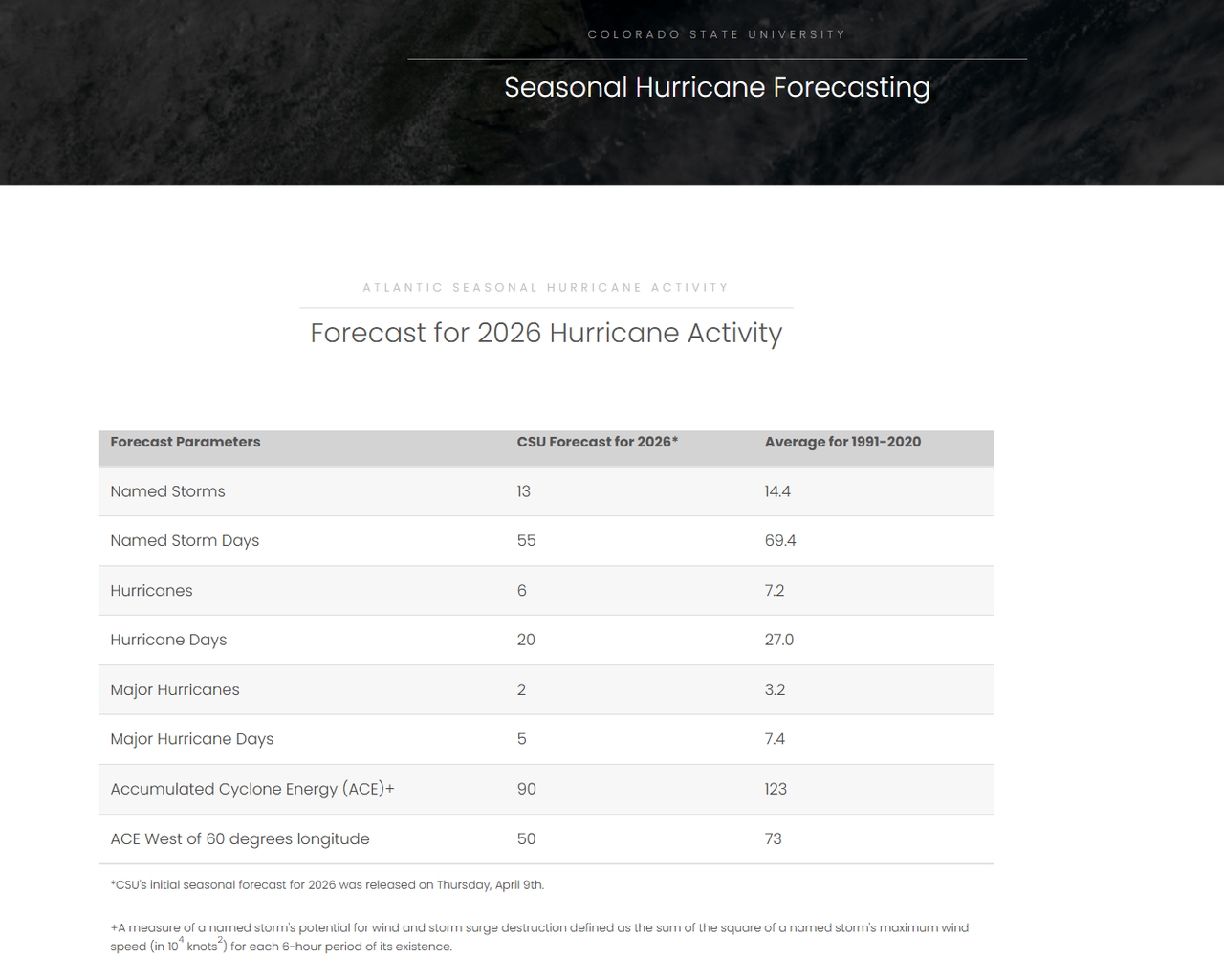
On April 9, 2026, the experts at Colorado State University (CSU) released their first official Atlantic hurricane season forecast. The early projections point to a slightly below-average year. According to their published research, the CSU team is calling for:
13 named storms (the historical average is 14 named storms)
6 hurricanes (the historical average is 7 hurricanes)
2 major hurricanes reaching Category 3 or higher (the historical average is 3 major hurricanes)
For the long stretch of the Gulf Coast—running from the Florida Panhandle all the way west to Brownsville, Texas—the CSU forecast projects a 20% chance of a major hurricane making landfall. This percentage sits just slightly below the historical average risk of 27%.
Historical Context and Local Vulnerabilities
Past storms provide a clear blueprint of what happens when a hurricane hits Houston. The city's unique geography—flat terrain, dense urban concrete, and direct proximity to the warm Gulf of Mexico—makes it a magnet for extreme weather. While high-category winds of 74 mph (119 km/h) or more dominate the headlines, the truly catastrophic threat is sustained water inundation.
Flood Risk: The Overlooked Danger
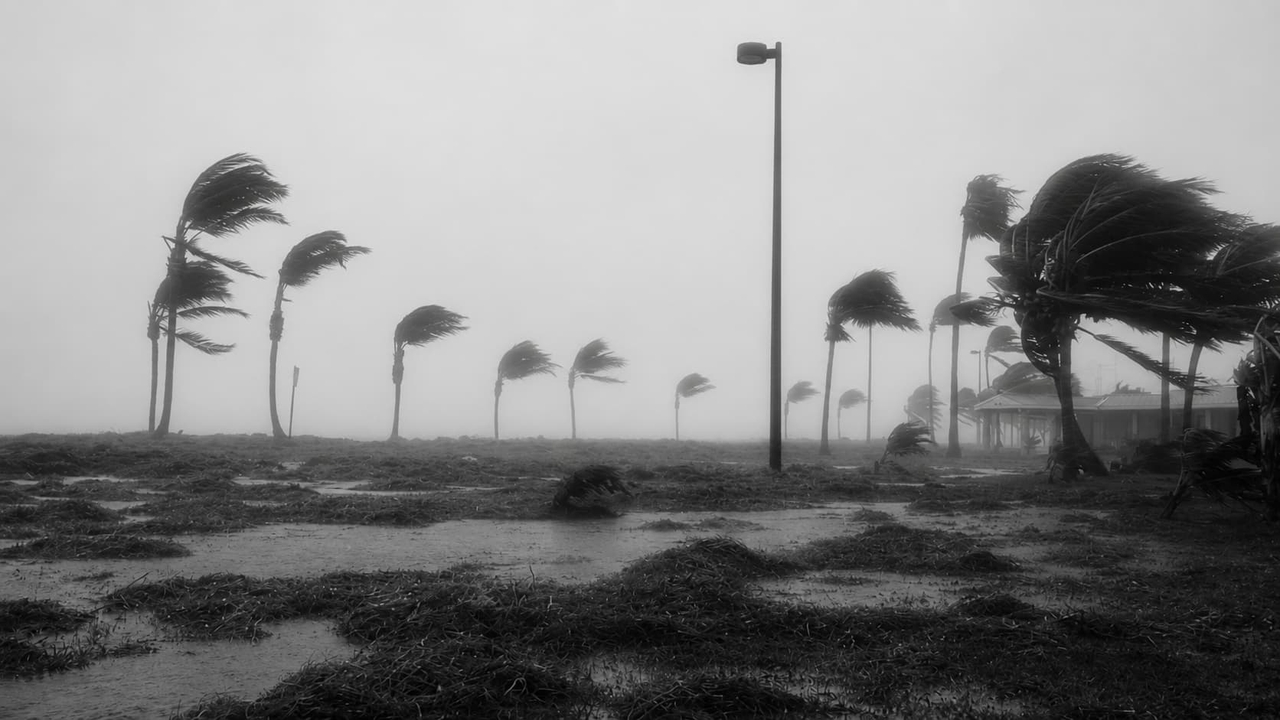
Houston's low elevation and intricate network of slow-moving waterways, including Buffalo, Brays, and White Oak Bayous, make it exceptionally vulnerable to flooding. Decades of rapid development have paved over natural drainage with impervious concrete. When a tropical system stalls over Southeast Texas—as Hurricane Harvey did in 2017—rainfall flooding far exceeds wind damage in both scope and cost.
A recent Rice University study highlights this hidden threat: 56% of flood-prone homes in Harris County sit entirely outside FEMA-designated flood zones. Surprisingly, these overlooked neighborhoods face higher average flood depths (5.9 inches/15 cm) than those inside mapped zones (2.8 inches/7 cm). Many families assuming they are safe are actually living at significant risk.
Wind Damage and Power Outages
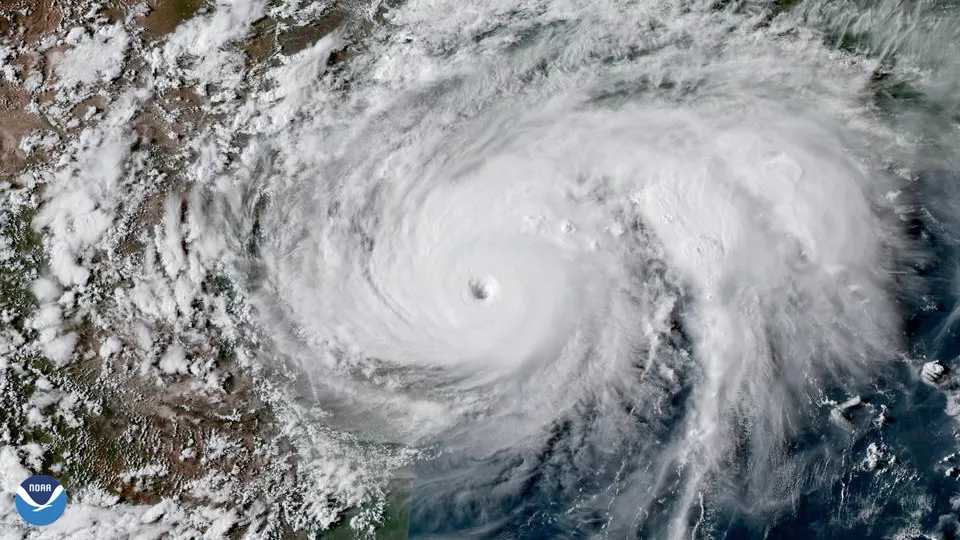
While water drives the most destruction, hurricane-force winds still pose a massive threat to local infrastructure. Sustained winds can easily uproot mature trees, destroy roofs, and violently snap power lines. Hurricane Ike (2008) brought 110 mph (177 km/h) winds directly to the Houston metro area, and Hurricane Alicia (1983) left hundreds of thousands without electricity during brutal summer heat. Even a weaker Category 1 storm can severely damage local transmission infrastructure, causing localized power grid failures that last for weeks.
Essential Preparation Strategies for Houston Residents
Slapping some tape on the windows and hoping for the best is not a real strategy. A true hurricane survival plan means thinking a few steps ahead. When the grocery stores close and the city water stops running, households must know exactly how to keep everyone safe and comfortable.
Essential Hurricane Supply Kit
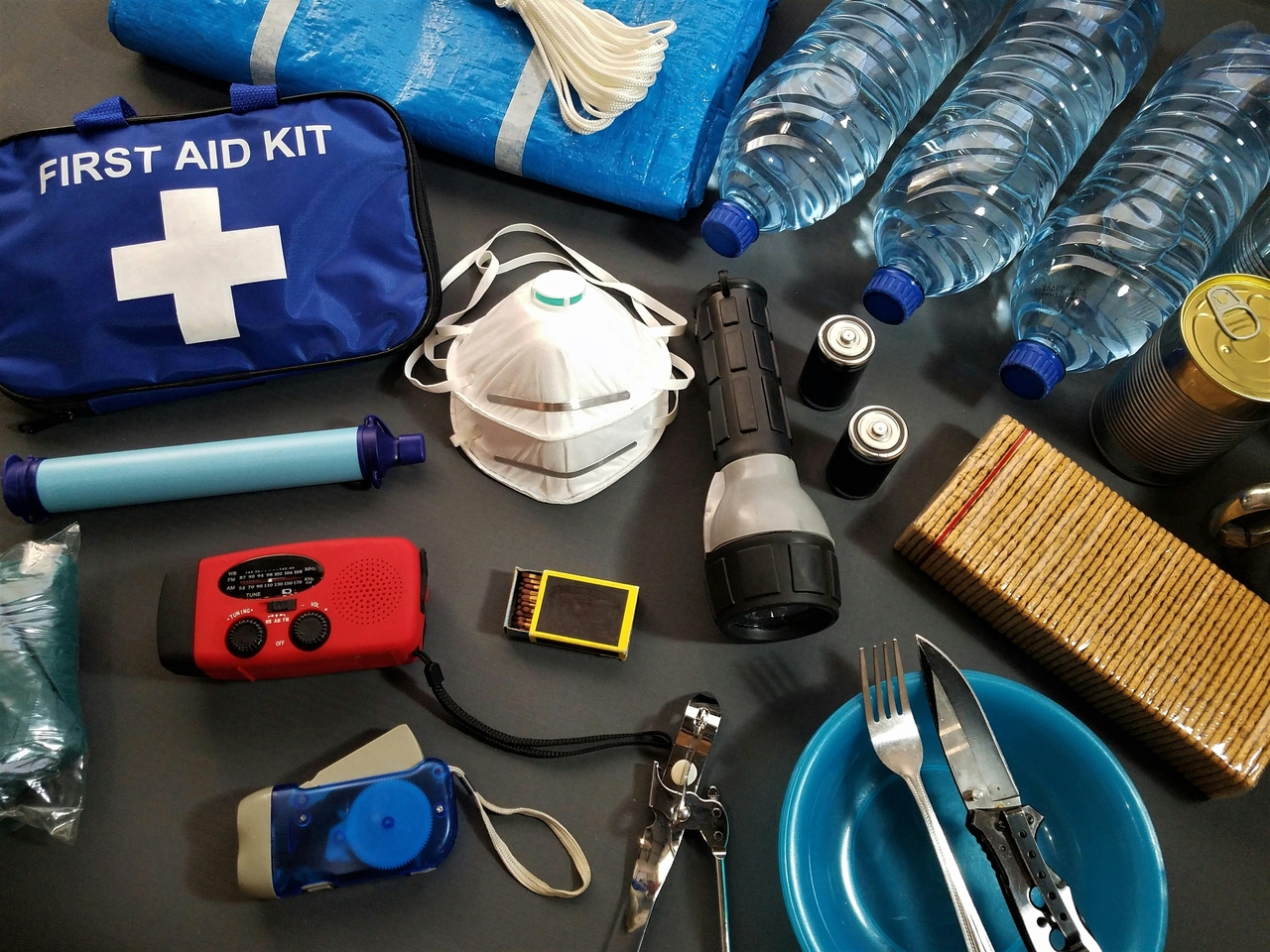
Because coastal storms are highly unpredictable, effective preparation begins with a well-stocked emergency kit. The American Red Cross highly recommends storing at least a three-day supply of water and non-perishable food if an evacuation becomes necessary. However, if a family plans on sheltering in place at home, a full two-week supply is the safer standard. An emergency hurricane kit should include:
Water: Keep 1 gallon (3.8 liters) of clean water per person, per day, to cover at least three to seven days.
Food: Stock enough canned goods and non-perishable items for the same period, and include a manual can opener.
Medical supplies: Gather bandages, antiseptic wipes, and a two-week supply of all necessary prescription medications.
Communication gear: Pack durable flashlights with extra batteries and a hand-crank weather radio.
Documents and cash: Keep local physical maps, spare cash, and important personal documents secured tightly in a waterproof container.
Home Protection Measures
Before the peak of hurricane season arrives each year, dedicating a weekend to preparing physical property can prevent massive losses later:
Trim or cut down dead or weakened tree limbs that hang closely over a roof to reduce impact risks during high winds.
Secure all outdoor patio furniture, children's toys, and bird feeders so they do not become dangerous flying projectiles.
Reinforce garage doors, which are very often the first point of structural failure when heavy winds push against a house.
Thoroughly clear roof gutters and yard downspouts to prevent rainwater from backing up into the walls during intense downpours.
Test traditional backup generators monthly and keep extra fuel stored safely away from the main living spaces.
Ensuring Uninterrupted Power During Grid Failures
The Texas power grid is notoriously unstable during extreme weather events. High winds constantly snap local power lines, and rising floodwaters can easily damage neighborhood substations. When the public grid goes dark, having an independent power source is the only way to keep a household completely operational and safe.
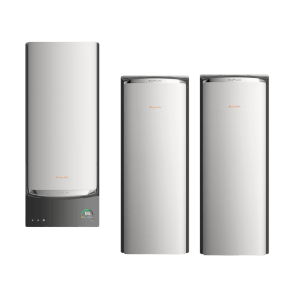
For instance, the EcoFlow Ocean Pro operates as a robust home energy ecosystem that delivers up to 24kW of continuous power. This massive output ensures heavy-duty appliances like whole-home HVAC systems and refrigerators stay running seamlessly without relying on the vulnerable public grid.
Beyond just keeping the lights on, this system is built specifically to handle harsh weather conditions. It features a scalable battery capacity that can expand from 10kWh up to a massive 80kWh to fit a household's exact needs. Once the storm finally passes, the built-in intelligent mode even helps lower daily utility bills by automatically shifting heavy appliance usage to cheaper off-peak hours.

Wondering how to keep specific household appliances running safely during an extended storm outage? Request a consultation with our home energy specialists today to eliminate the guesswork and build a customized backup power plan tailored to your home's needs.
Get Your Free Home Energy Consultation!
Which energy solution are you interested in?
Navigating Evacuation Zones and City Alerts
Riding out a storm is not always the smart play. Sometimes, families just need to pack the car and get out of town before things get ugly. But guessing when to leave is highly dangerous—households need the right local alerts to tell them exactly when it is time to hit the road.
Understanding Your Specific Zip Code Risks
Never wait until a storm is sitting right off the coast to figure out an escape route. Before a hurricane even enters the Gulf, residents should check the official Houston and Harris County evacuation map. Local officials use "Zip Zones" to decide who needs to leave and when. These zones range from the Coastal Zone up through Zones A, B, and C. They dictate exactly when specific neighborhoods must pack up based on expected storm surges and local street heights. If a specific zip code gets called, being ready to move immediately is critical.
Signing Up for Official Emergency Notifications
Relying on social media feeds for life-saving weather updates is a major risk during a crisis. Take two minutes right now to register for AlertHouston online. The platform sends real-time emergency texts straight to a cell phone. Households should also buy a battery-powered NOAA weather radio and keep it inside a central bedroom or kitchen. If the cell towers go down—and they often do during major landfalls—that little radio becomes the only direct link to civic safety officials.
Conclusion
Surviving hurricane season in the busy Houston area requires far more effort than a few last-minute grocery store runs. It truly demands proactive family planning, a deep understanding of a neighborhood's local vulnerabilities, and securing a home's vital infrastructure long before the dark clouds roll in. By building a robust emergency supply kit, mapping out distinct evacuation routes, and investing in highly reliable backup power solutions, residents can successfully protect their families and properties from the unpredictable nature of the Texas Gulf Coast.
FAQs
When is the most active part of hurricane season in Texas?
Texas usually sees the worst storms from mid-August to early October. The Gulf of Mexico gets super warm by late summer. That trapped heat acts just like gas in an engine, giving tropical storms the exact energy they need to spin up fast.
What month has the most hurricanes in Houston?
September easily takes the top spot. Looking back at past years, the biggest and worst storms tend to hit Houston right around early fall. That means families need to stay glued to local weather reports once September rolls around.
How many hurricanes hit Houston on average?
Getting hit dead-on by the eye of a hurricane happens every five to six years. But heavy tropical storms brush past the city much more often—usually every three or four years. No one can let their guard down, even during quiet seasons.
What should be in a hurricane emergency kit?
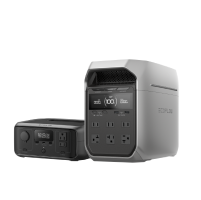
Pack 1 gallon (3.8 liters) of water per person each day, plus canned food to last a week. Toss in flashlights, batteries, and a first-aid kit. To keep a fridge or medical gear running when the grid fails, add a portable EcoFlow battery backup.
Does homeowner's insurance cover hurricane damage in Houston?
Basic policies usually pay for wind damage, but they almost never cover floods. That catches a lot of folks off guard. Since storm surges and heavy rain are the biggest threats, property owners must buy a separate flood policy through the NFIP.

