
When is Hurricane Season in Puerto Rico? Everything You Need to Know
Puerto Rico is known for its beautiful beaches and vibrant culture, but homeowners must also be prepared for hurricane season each year. The official Atlantic hurricane season runs from June 1 through November 30, with peak activity hitting between August and October. For homeowners, the biggest threat isn't just the wind—it's Puerto Rico’s vulnerable power grid. Even moderate storms can trigger widespread blackouts lasting days, weeks, or months, cutting off refrigeration, cooling, and medical equipment.
Preparing before hurricane season starts is critical. This guide covers Puerto Rico's hurricane timeline, weather patterns, power outage risks, and how reliable home battery backup solutions can help homeowners stay safe and comfortable during emergencies.
The official dates: when is hurricane season in Puerto Rico?
The official hurricane season in Puerto Rico begins on June 1 and ends on November 30. These dates align with the broader Atlantic hurricane season, which affects the Caribbean, Gulf Coast, and southeastern United States.
Although the season lasts six months, hurricane activity is not evenly spread across the calendar. The highest-risk months are typically August, September, and October. During this period, ocean temperatures are warmer, creating ideal conditions for tropical storms and hurricanes to intensify quickly.
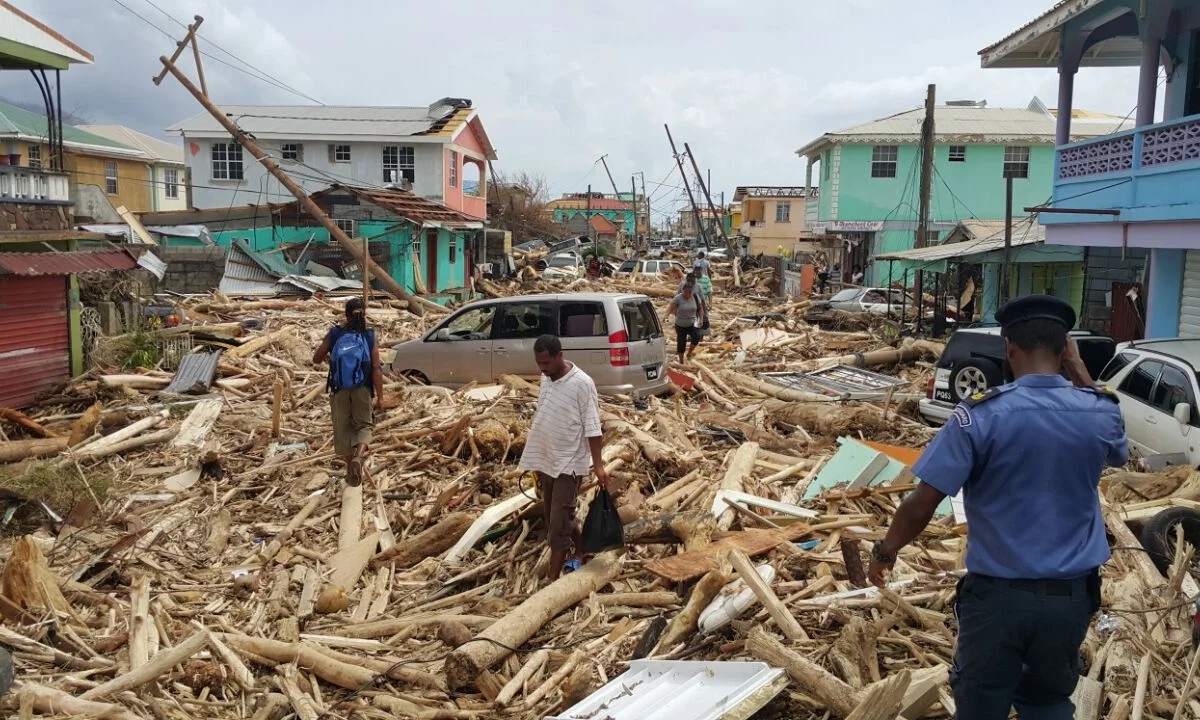
Puerto Rico has experienced several devastating storms during these peak months. Hurricane Maria struck the island in September 2017 and caused catastrophic island-wide blackouts and infrastructure damage. Hurricane Fiona followed in September 2022, again leading to severe flooding and extended outages across many communities.
While direct hits from major hurricanes do not happen every year, smaller tropical systems and severe rain events are common. Even weaker storms can cause localized flooding, downed power lines, and neighborhood-wide electricity disruptions. That is why homeowners should prepare every year, regardless of the forecast.
Weather breakdown during hurricane season
Understanding how weather patterns change throughout hurricane season helps homeowners prepare early and reduce risks before severe storms arrive.
Early Season (June – July):
The early part of hurricane season brings high temperatures, heavy humidity, and regular afternoon rain showers. Puerto Rico experiences classic tropical summer weather during these months.
Although severe hurricanes are historically less common in June and July, occasional tropical systems can still develop. Homeowners may also notice temporary grid fluctuations due to increased electricity demand from widespread air conditioner use during the hottest weeks of summer.
This is the ideal time to review emergency plans, inspect backup power systems, and secure supplies before the busiest storm months arrive.
Peak Season (August – October)
This is the period that demands your full attention. Ocean surface temperatures surrounding Puerto Rico regularly exceed the 80°F threshold that fuels hurricane development and intensification during these months. Atmospheric conditions, including high humidity and low wind shear, create the ideal environment for storms to strengthen rapidly.
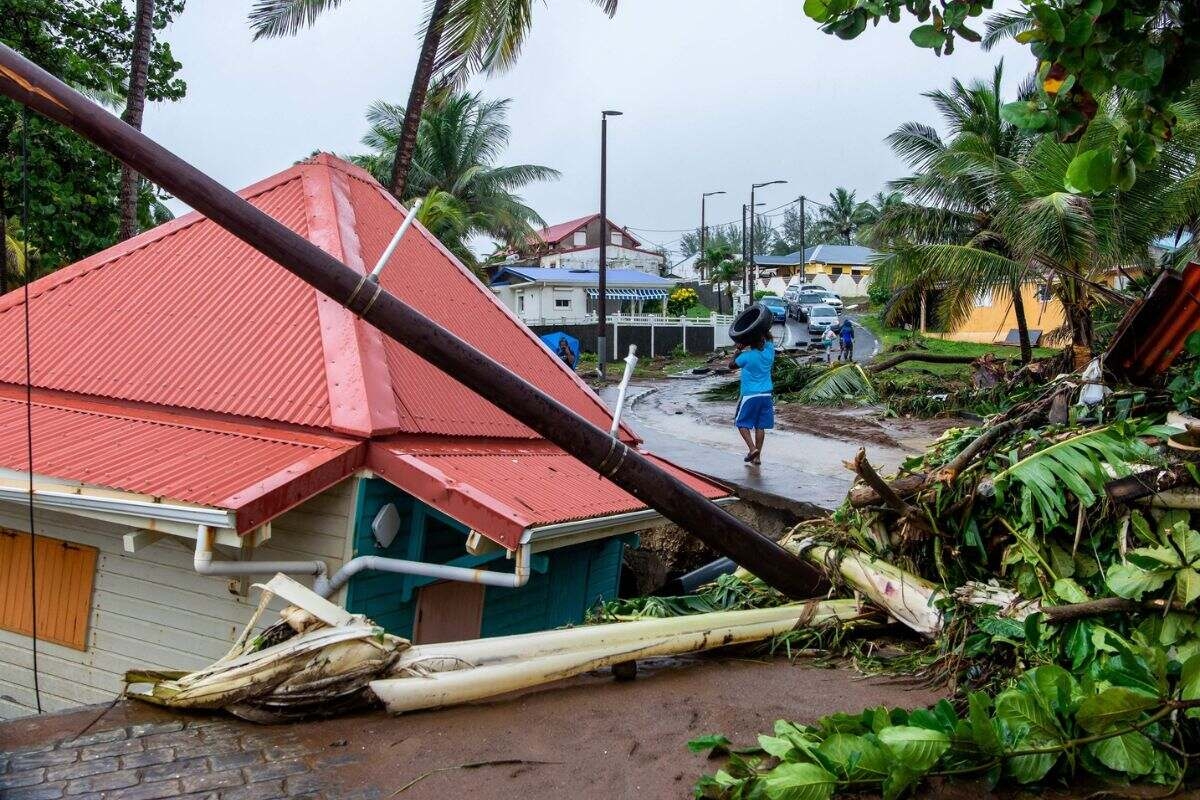
September is statistically the most dangerous month of the year for Puerto Rico. It is the peak of cyclone activity in the Atlantic basin, the rainiest month across much of the island, and the month when the most significant historical storms have struck. High winds and torrential rain during this window routinely bring down trees, compromise power lines, and trigger flooding that can cut off entire communities.
Late Season (November):
November marks the transition out of hurricane season. Temperatures begin cooling slightly, humidity decreases, and the risk of major hurricanes drops significantly. While storms are still possible early in the month, severe systems become less common as the Atlantic cools. By late November, homeowners can generally expect calmer weather and fewer prolonged outage risks.
The reality of power outages for Puerto Rico homeowners
Puerto Rico's electrical grid faces challenges that go beyond any single storm. Even without major hurricanes, customers experience an average of 27 hours of power interruptions per year. This is compared to just two hours for mainland U.S. customers. When storms hit, outages rise dramatically. Hurricane Fiona in 2022 left all 1.5 million customers without power for nearly 200 hours on average. After Hurricane Maria in 2017, full restoration took 11 months. In 2024, Hurricane Ernesto caused over 73 hours of outages for many. Major storms often result in blackouts lasting days, weeks, or months.
For homeowners, a blackout isn't just an inconvenience. It has real, cascading consequences.
Food security: One of the first problems homeowners face during outages is food spoilage. Refrigerators and freezers quickly lose cooling capability without power. Families can lose hundreds of dollars in groceries after only a short blackout.
Health and comfort: Puerto Rico's heat and humidity can become dangerous without fans or air conditioning, especially for elderly residents, young children, and individuals with medical conditions. For those who depend on powered medical devices like CPAP machines or oxygen concentrators, a blackout isn't uncomfortable. It's a health emergency.
Communication: Electricity is essential for charging smartphones and staying connected to emergency alerts from FEMA, weather agencies, and local authorities. Losing communication during a storm can make evacuation decisions and emergency coordination far more difficult.
For many homeowners, relying entirely on the electrical grid is no longer a practical strategy during hurricane season. More residents are investing in backup energy systems that provide reliable electricity when outages occur.
Having independent backup power allows households to maintain critical appliances, stay informed, and remain safer during emergencies.
Essential home preparation & electricity backup tips
Preparing your home before hurricane season begins can reduce damage, improve safety, and help your household remain functional during power outages.
Securing property and emergency kits
Physical preparation should start before peak hurricane season arrives. Trim trees and branches near your property and nearby utility lines to reduce the risk of storm damage. Test storm shutters and inspect roof seals well before severe weather develops.
Every household should also maintain a dedicated emergency kit that includes:
Physical flashlights
Extra batteries
Non-perishable food
Bottled water
Emergency medications
Important documents
Extra cash
A battery-powered radio
Battery-operated radios are especially useful during major storms when the internet and cellular service become unreliable.
Auditing power and surge protection
Before investing in any backup power solution, take a few minutes to audit your household's essential electricity needs. Add up the wattage requirements of your refrigerator, any medical devices, fans, phone and device chargers, and lights. This number will tell you what size backup solution you actually need.
Equally important: protect your appliances from the grid's instability. Voltage spikes and surges are common when the island's power flickers on and off during a storm, and they can destroy expensive appliances instantly. Install a whole-home surge protector or, at a minimum, high-quality surge protection strips for your most critical electronics.
Seamless whole-home backup power
Reliable emergency preparedness means having immediate access to safe backup electricity when the grid fails. Traditional gas generators present several challenges during hurricanes. They require constant fuel refills, create loud noise, and pose serious carbon monoxide dangers if used improperly.
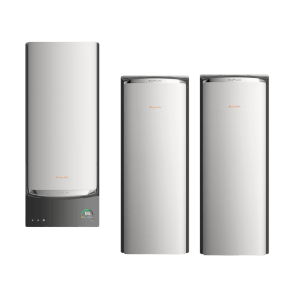
Many homeowners are now shifting toward cleaner and quieter energy systems like the EcoFlow Ocean Pro for whole-home backup power during hurricane season.
Built for severe weather conditions, it delivers 24kW of continuous output with expandable storage from 10kWh to 80kWh, powering essential appliances or an entire home during extended outages. Its IP67-rated design protects against water and dust, while its operating temperature range of -4°F to 140°F ensures dependable performance in Puerto Rico's extreme heat and humidity.

When is the best time to prepare your home?
The single most common mistake Puerto Rico homeowners make is waiting too long. Here's the right timeline.
Hurricane season is here — Act now: June to November
If you haven't yet purchased backup battery systems, solar panels, surge protectors, and emergency supplies — do it now.
It's already June, and hurricane season is underway. The window for easy preparation has closed. Island shelves thin out fast when a storm threatens, and shipping to Puerto Rico takes longer than on the mainland — during periods of high demand, delays are significant. Don't wait for a storm to be named. Order immediately, install as soon as supplies arrive, and test everything before you need it.
Off-season maintenance: December to February
The dry winter months are the right time for maintenance. Test your backup batteries and cycle your power stations to make sure they're holding a full charge. Inspect your roof seals and storm shutters for wear. Replace anything that showed signs of failure during the previous season. Think of the off-season not as a time to forget about storms, but as a time to make sure you're better prepared for the next one.
Wrapping up
Puerto Rico hurricane season officially runs from June 1 through November 30, with the greatest storm risk occurring between August and October.
While not every season brings a direct hurricane strike, tropical storms and power outages remain a regular concern for homeowners across the island. Preparing early is one of the best ways to protect your family, your home, and your comfort during severe weather.
Reliable backup electricity has become an essential part of hurricane preparedness in Puerto Rico. Investing in dependable energy solutions like the EcoFlow Ocean Pro can help homeowners maintain power for critical devices, stay connected to emergency updates, and safely weather outages with greater confidence and peace of mind.
Plannig to strengthen your home’s emergency preparedness? Consider speaking with our energy consultant to determine the right backup power setup for your household needs.
Get Your Free Home Energy Consultation!
Which energy solution are you interested in?

Frequently Asked Questions (FAQs)
How long do power outages last after a hurricane in Puerto Rico?
Power outages can last from several hours to multiple weeks depending on storm severity and grid damage. Major hurricanes like Maria caused months-long outages in some areas, while smaller storms may create shorter regional disruptions.
When was the last big hurricane in Puerto Rico?
The last major hurricane to severely impact the island was Hurricane Fiona in September 2022, which caused catastrophic flooding and a total grid failure. This followed the historic destruction of Hurricane Maria in September 2017.
What month do most hurricanes hit Puerto Rico?
September is statistically the peak month for direct hits and severe tropical activity in Puerto Rico. This window aligns with the absolute peak of the Atlantic hurricane season, when ocean temperatures are at their highest.
What size backup power do I need for my house?
The ideal size depends on your essential loads, like fridge, fans, lights and medical devices. The EcoFlow Ocean Pro offers scalable capacity from 10kWh up to 80kWh for whole-home or critical circuit backup.
What is the rainiest month in Puerto Rico?
The rainiest months in Puerto Rico are usually August through October, during the Atlantic hurricane season. This period brings the highest humidity and rainfall, often as short but heavy afternoon downpours instead of all-day rain.

