
What to do in a Flash Flood: A Complete Emergency Guide
Every year, flash floods cause damage to property, road closures, power outages, and life-threatening situations because many people underestimate how quickly flood waters can rise. So, what to do in a flash flood? Whether you reside in a flood-prone region or simply pass through areas subjected to heavy rainfall, understanding proper safety procedures can be a crucial factor. Having reliable backup power, including a smart home battery backup, can help your household stay safe and connected during extended outages. Here's everything you need to know about flash floods, causes, and safety measures.
What is a flash flood
A flash flood is a sudden and rapidly developing flood, usually caused by intense rainfall or another event that quickly releases large amounts of water. Unlike traditional river flooding, which can take days to develop, flash floods give very little warning and are one of the most dangerous weather-related emergencies. Rapid water rise often takes people by surprise and gives them little chance of escape if they are unprepared.
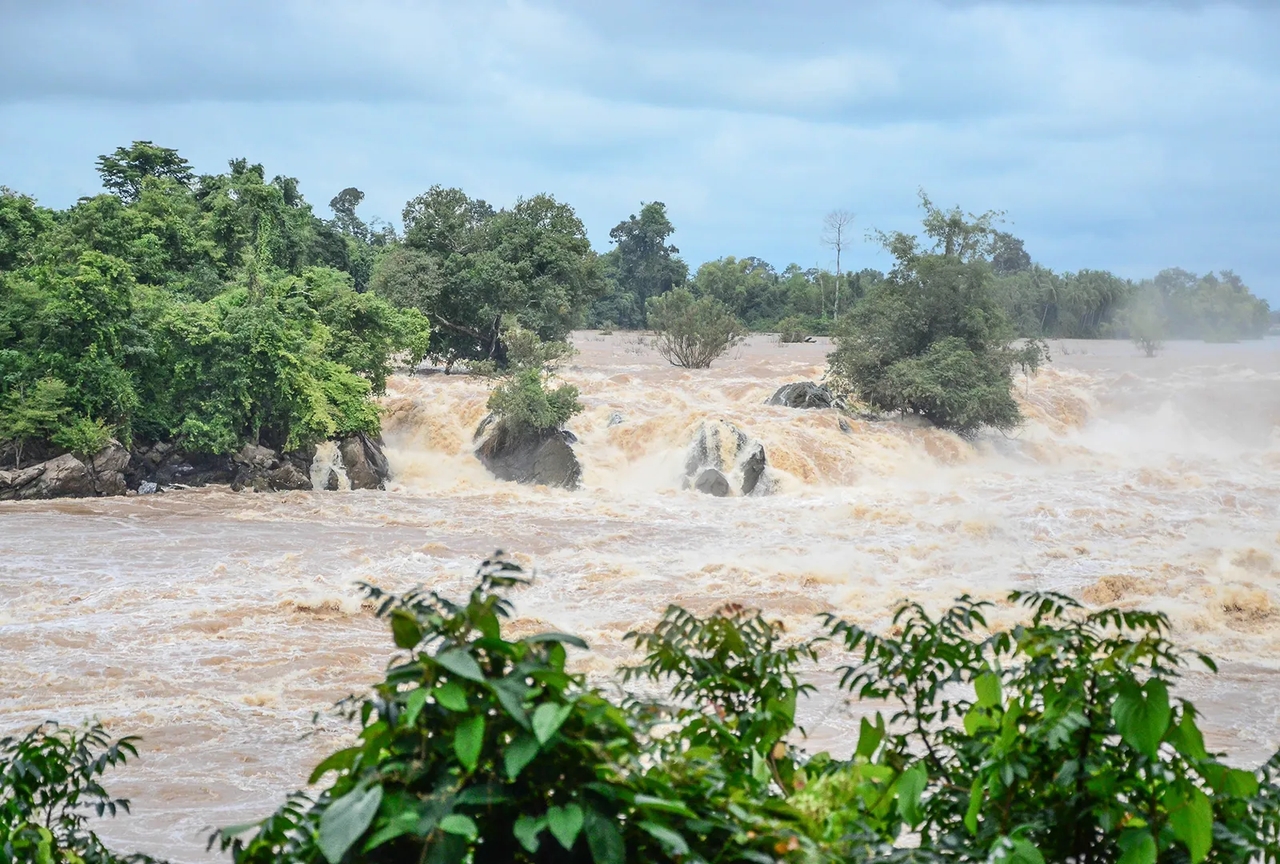
Flash floods usually happen when very heavy rain overcomes the ground's ability to soak up water. Brief but intense rainstorms can generate a lot of runoff that can rapidly fill streams, creeks, drainage canals, and low-lying roads. Even areas that seem dry can be flooded in a matter of minutes.
Areas most at risk
Flash floods can happen virtually anywhere, but some places are far more at risk than others. These include low-lying neighborhoods, valleys, areas adjacent to rivers and streams, desert areas with dry riverbeds, mountainous terrain, and heavily developed urban areas with inadequate drainage systems. Campgrounds, overpasses, and roads that cross small streams are also particularly dangerous in flash floods.
5 common causes of flash floods
Heavy rainfall and thunderstorms
Flash flooding is mainly caused by long or heavy rain from thunderstorms, tropical storms, or slow-moving weather systems. Runoff into nearby waterways occurs when rainfall rates exceed the soil's absorption capacity.
Saturated ground from previous rain
Rain at moderate levels can lead to flash flooding when the ground is already saturated from earlier storms and can't absorb any more moisture. Instead, almost all rainfall turns into surface runoff. Even light rain after a long period of wet weather can create enough runoff to create dangerous flash flooding. That's why flood risk can stay high even after the biggest storms have passed.
Mountainous and rocky terrain
The slopes of mountains naturally quicken the flow of water. The rocky terrain absorbs very little moisture, so rainwater runs quickly downhill through valleys and narrow channels. These concentrated flows can evolve into destructive torrents capable of threatening downstream communities with little warning.
Dam or levee failures
Catastrophic flash flooding can occur from structural failures of dams, levees, reservoirs, or flood-control barriers, although these are rare. Large volumes of stored water can be released instantaneously, creating fast-moving flood waves that can cause widespread damage to downstream communities.
Urban areas with poor drainage
Urban development readily transforms natural landscapes into impervious surfaces such as roads, sidewalks, rooftops, and parking lots. Rainwater quickly pools on streets and around buildings, as there is not enough drainage capacity.
Warning signs of a flash flood
Noting early warning signs can buy precious minutes that can save lives. Flash floods can occur more quickly than most people expect, with little time to respond once the water begins to rise.
Natural warning signs
Rapidly rising water levels
One of the clearest warning signs is a significant rise in water levels in streams, rivers, drainage ditches or creeks. The water can start to rise much faster than normal, and is often accompanied by stronger and stronger currents.
Intense rainfall lasting several minutes
Heavy and prolonged rain increases the risk of flooding significantly. If the rain doesn’t stop or keeps moving across the same area, the risk of flooding goes up significantly. All rainfall that kills visibility to a great extent while leaving standing water should be taken as a serious warning sign.
Muddy or debris-filled water
Water with mud, branches or leaves, rocks, or other debris usually indicates strong runoff upstream. Such conditions mean fast-moving water that can carry dangerous objects that can hurt people or damage vehicles and buildings.
Unusual roaring sounds from nearby waterways
In the mountains or narrow valleys, flood waters can be heard as loud roaring or rumbling long before they can be seen. Don't ignore these strange noises, particularly after heavy rains.
Official flood alerts explained
Flood Watch vs. Flood Warning
A Flood Watch means that conditions are favorable for flooding to occur. You should monitor forecasts, prepare emergency supplies, and review evacuation plans. A Flood Warning means that flooding is occurring or is imminent and poses a threat to life or property. Take protective action immediately; do not wait to see how conditions develop.
Emergency evacuation notices
When flooding threatens populated areas, emergency managers issue evacuation notices. Always obey mandatory evacuations immediately: As the flood waters rise, it becomes more and more difficult to conduct rescue operations.
Weather and emergency alert systems
There are several ways to get real-time information before and during a flood, including dedicated weather apps like the NWS Weather app or Weather.gov, as well as the FEMA app for emergency alerts, NOAA weather radios, TV broadcasts, and local government notifications. You'll still get alerts if one communication source fails because you are watching a few trusted sources.
How to prepare for a flash flood
Create a family emergency plan
Every home should have a written emergency plan that spells out what each family member should do before, during, and after a flash flood. Discuss evacuation routes, identify several safe meeting places, and assign responsibilities such as collecting emergency supplies, helping children or elderly family members, and caring for pets. Develop multiple evacuation routes to higher ground. Do not depend on just one route because roads can become unexpectedly blocked.
Build a food emergency kit
In the event an evacuation is necessary or utilities are unavailable for several days, a good emergency kit can help your family stay safe and self-sufficient. Store enough supplies to sustain each person in your household for a minimum of 72 hours, and ideally up to a week.
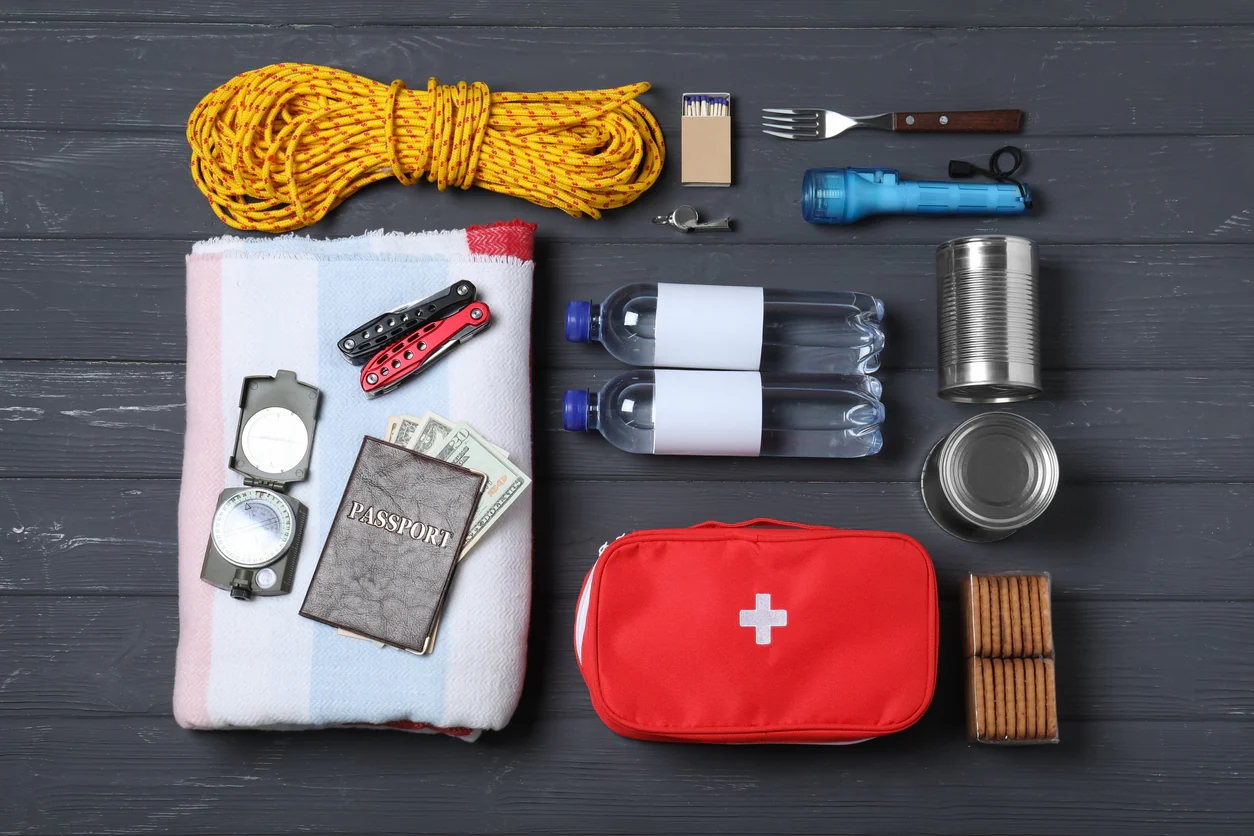
Emergency Kit you should have:
Drinking water (at least a gallon per person per day)
Food that does not spoil
Can opener, manual
Prescription of drugs
First aid box
Torches
Additional batteries
Mobile Phone Chargers / Power banks
Weather radio, hand crank, or battery-operated
Additional clothing and warm blankets
Personal care products
Important papers in waterproof containers
All-in-one tool
Cash on small bills.
Store the emergency kit in a convenient place and check it from time to time to replace expired food, batteries, and medications.
Protect your home in advance
Preventive maintenance can do a lot to cut down on flood damage before storms arrive. Ensure gutters, roof drains, and storm drains are kept clean on a regular basis to effectively channel rainwater away from your property. Check the grading around your house. Water should flow away from the foundation, not collect around it. If you reside in a flood-prone area, you may want to install flood barriers, backflow valves, sump pumps with a battery backup, or waterproof door shields.
Stay informed
In severe weather situations, good information is one of your best tools. Monitor weather forecasts on a daily basis during storm season and be especially vigilant when heavy rains are forecast. Activate emergency alerts on your smartphone and sign up for local notification systems that send out evacuation notices, road closures, and flood warnings. As well as official weather warnings, know your community's flood maps and know the locations of nearby streams, rivers, drainage channels, and low-water crossings that could become dangerous.
Prepare for power outages
Rising water can damage substations, transformers, underground cables, and overhead power lines, leaving entire neighborhoods without power for hours or even days. Portable battery stations are great for charging phones, laptops, and small electronics during short outages, but households that rely on multiple essential appliances are better served by a whole-home backup system that can automatically supply power when the grid goes down.
That's where EcoFlow Ocean Pro comes in. It is a full-home solar battery system, designed to be a reliable backup power source during extreme weather and extended power outages. Ocean Pro can run energy-hungry devices simultaneously, such as HVAC systems, well pumps, pool equipment, EV chargers, and other major household loads with 205A LRA surge capability and 24 kW of continuous output.

The system can accept up to 40kW of solar input, meaning homeowners can maximize their rooftop solar generation, charge the battery faster, and reduce their reliance on the electrical grid. Battery storage starts at 10 kWh, expandable to 80 kWh, for everything from overnight outages to multi-day emergencies.
Get Your Free Home Energy Consultation!
Which energy solution are you interested in?


What not to do during flash floods
Driving through floodwaters
One of the most dangerous decisions people make during flash floods is driving on flooded roads. Muddy water can conceal potholes, washed-out pavement, damaged bridges, and strong currents. As little as 12 inches of water can float most cars, and just two feet of rushing water can sweep away an SUV or truck. Remember: turn around, don't drown.
Walking in moving water
Flood waters may look shallow, but even six inches of moving water is enough to knock a person down, and just twelve inches can float most vehicles. There can be open manholes, sharp debris, broken glass, exposed metal, unstable pavement, or strong currents that can suck people into drainage systems or rivers below. Do not attempt to walk through moving water unless instructed by trained emergency personnel.
Ignoring evacuation orders
Emergency officials say they don’t call for evacuations unless they’ve carefully weighed weather forecasts, river conditions, infrastructure, and public safety risk. Families waiting to evacuate until conditions improve can be stranded by rapidly rising water or blocked roadways.
Returning home too soon
As floodwaters start to go down, hazards often remain. Roads may have been undermined, bridges weakened, gas lines damaged, electrical systems compromised, and buildings weakened in their structural integrity. But still, water can hide debris, wildlife, or contamination. Do not return until local authorities have declared the area safe.
Touching downed power lines
Water is a great conductor of electricity, so fallen electrical lines are very dangerous during flooding. Never approach downed power lines and never assume they are de-energized. Avoid flooded areas with electrical equipment.
Conclusion
Flash floods can develop quickly and often with little warning, so it is important to be prepared and ready to make quick decisions. So, if you are wondering what to do in a flash flood, knowing the warning signs, having an emergency plan, building a well-stocked emergency kit, and safeguarding your home can go a long way to improving your family's safety during severe weather.
Besides, investing in reliable backup power is important to handle power outages effortlessly. Why wait? Request a consultation today and get ready to handle the flash flood-related power outage effortlessly.
FAQs
What are you supposed to do during a flash flood?
Get to higher ground right away. Follow evacuation orders from officials. Do not drive or walk through floodwaters. Listen to emergency alerts. Stay away from rivers, streams and drainage channels until authorities say it is safe.
How to survive a flash flood in your house?
If evacuation is no longer possible, go to the highest level of your home. If you must enter an attic, bring an axe or sturdy tool to break through the roof if water continues to rise: people have drowned trapped in attics during flash floods. Turn off electrical power if safe to do so. Keep emergency supplies close at hand. Continue to listen to official emergency communications until rescue or conditions improve.
What is the safest place to be during a flood?
The safest place is on high ground, well away from flood-prone areas, rivers, creeks and low-water crossings. If you have already been evacuated, stay at a designated shelter or other safe location until authorities say it is safe to return.
What should be included in a flash flood emergency kit?
A complete emergency kit should include drinking water, non-perishable food, prescription medications, a first aid kit, flashlights, extra batteries, portable phone chargers, important documents in waterproof storage, blankets, hygiene supplies, multi-purpose tools, and supplies for infants, elderly family members, or pets if needed.
Can floodwater make you sick?
Yes. Floodwaters can be contaminated with bacteria, viruses, sewage, chemicals, fuel and hazardous debris, and can cause infections, gastrointestinal illnesses, skin irritation and other health problems. Avoid contact where possible and wear protective gear when cleaning up. Thoroughly disinfect any items exposed to contaminated water.

