
What Should I Throw Out of Freezer After Power Outage? A Safety Guide
Wondering what should I throw out of freezer after power outage? Returning home to a dark kitchen and a silent refrigerator is incredibly frustrating, especially when you are staring at a freezer full of expensive groceries. Before you start salvaging or throwing things away blindly, it is crucial to understand the rules of food safety to protect your family from foodborne illness. If you want to protect your home before the next outage even strikes, a home battery backup system is the most reliable long-term solution. This guide walks you through the exact rules food safety experts use — no guesswork required.
How long does food stay safe in a freezer without power
A freezer can protect your food for longer than many people expect during a power outage — but only if it stays closed and properly insulated. In general, a full freezer can keep food frozen safely for about 48 hours, while a half-full freezer typically maintains safe temperatures for about 24 hours. The more frozen food packed inside, the longer the freezer can retain cold temperatures because frozen items help keep each other cold.
One of the most important things you can do during an outage is keep the freezer door closed as much as possible. Every time the door opens, cold air escapes and warm air enters, causing temperatures to rise much faster. Even a few unnecessary openings can significantly reduce how long food stays safe.
Several additional factors affect freezer performance during a blackout:
Room temperature: Freezers in hot garages or warm kitchens will lose cold faster than those in cooler indoor spaces.
Freezer insulation quality: Well-insulated or newer freezers generally maintain safe temperatures longer.
Amount of frozen food inside: A packed freezer holds cold better than one with lots of empty space.
Appliance thermometer: A freezer thermometer helps you verify whether temperatures stayed below the safe threshold of 40°F (4°C) during the outage.
Even with these reliable holding times, proper assessment of each food item is still essential once power is restored.
General rules for evaluating freezer food after outage
After a power outage, food safety should always come first. Here are the most important evaluation rules to follow:
Never taste food to check its safety: Contaminated food that can make you incredibly sick doesn't always smell, look, or taste bad.
The ice crystal rule: If a food item still contains visible ice crystals or feels as cold as a properly functioning refrigerator (under 40°F), it is generally safe to refreeze or cook. Keep in mind that refreezing thawed food might degrade its texture or flavor, but it remains safe to consume.
The 2-hour window: If perishable food has thawed completely and has been exposed to temperatures above 40°F for more than 2 hours (or just 1 hour if room temperatures exceed 90°F), it must be thrown out.
The golden motto: When in doubt, throw it out. Protecting your health is never worth saving a few dollars on compromised food.
Food you should throw out after a power outage
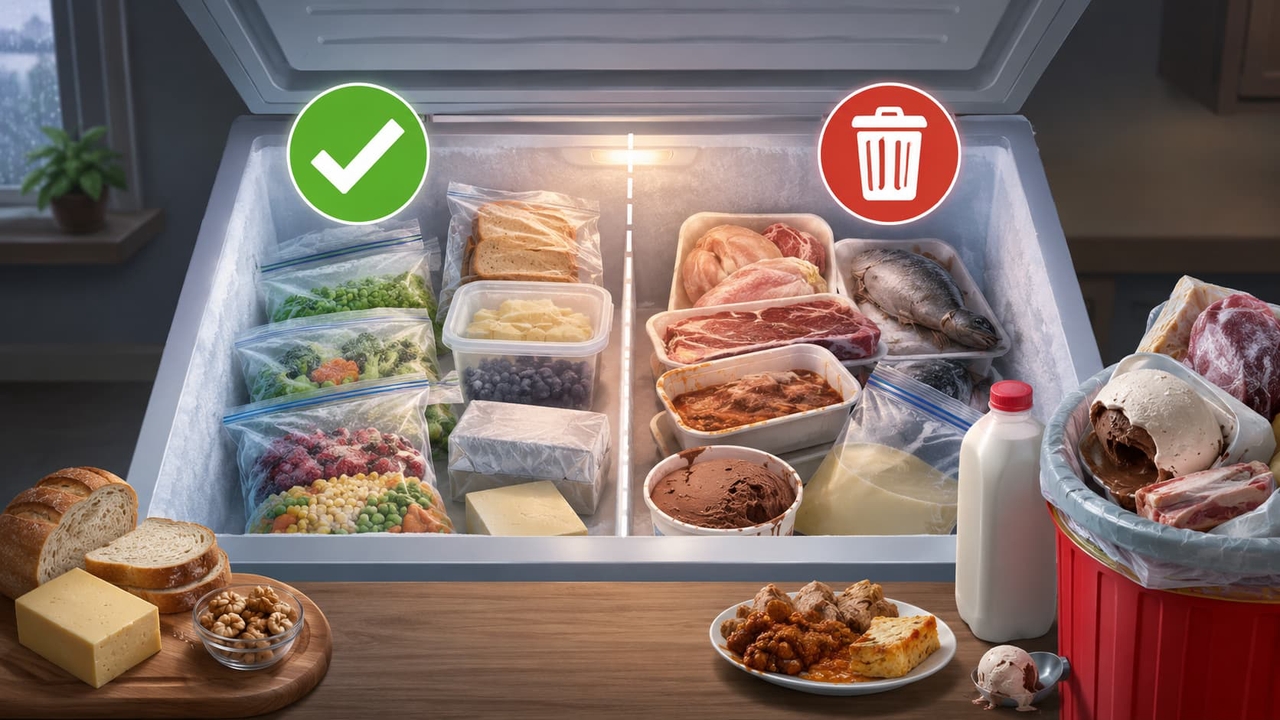
Some foods become unsafe quickly once fully thawed. The following should be discarded if fully thawed or if exposed above 40°F for more than two hours.
Category | Specific Foods | Suggestion |
|---|---|---|
Meat & Poultry | Raw or cooked beef, pork, lamb, veal, chicken, turkey: All cuts, stews, soups, casseroles | Discard |
Seafood | Fish, shrimp, crab, clams, oysters, scallops, fish-based soups, and chowders | Discard |
Dairy | Ice cream and frozen yogurt (if melted), milk, soft cheeses (brie, ricotta, cottage, cream cheese), yogurt, cream, sour cream | Discard |
Eggs & Egg-Based Dishes | Egg substitutes, custard, quiches, soufflés, egg-based casseroles | Discard |
Prepared & Frozen Meals | Frozen dinners, entrees, pizzas, pot pies, pasta dishes, stuffed pastas, breaded meats | Discard |
Doughs & Batters | Refrigerator doughs (biscuits, rolls), cookie dough, any dough containing eggs or dairy | Discard |
Sauces & Gravies | Meat-based gravies, cream sauces, hollandaise, any sauce containing dairy or eggs | Discard |
Soups & Stews | Any soup or stew containing meat, poultry, seafood, or dairy | Discard |
Pies & Pastries | Quiches, custard pies, cream pies, cheesecake | Discard |
Any Food | Anything with unusual odor, color, or texture; anything slimy or sticky; anything exposed above 40°F for over 2 hours | Discard |
Foods that are often safe to keep or refreeze
Not every item in your freezer needs to be thrown away after a power outage. Some foods can still be safely kept or refrozen if they still contain ice crystals or remain at 40°F (4°C) or below. However, the following foods should be discarded if fully thawed or exposed to temperatures above 40°F for more than two hours.
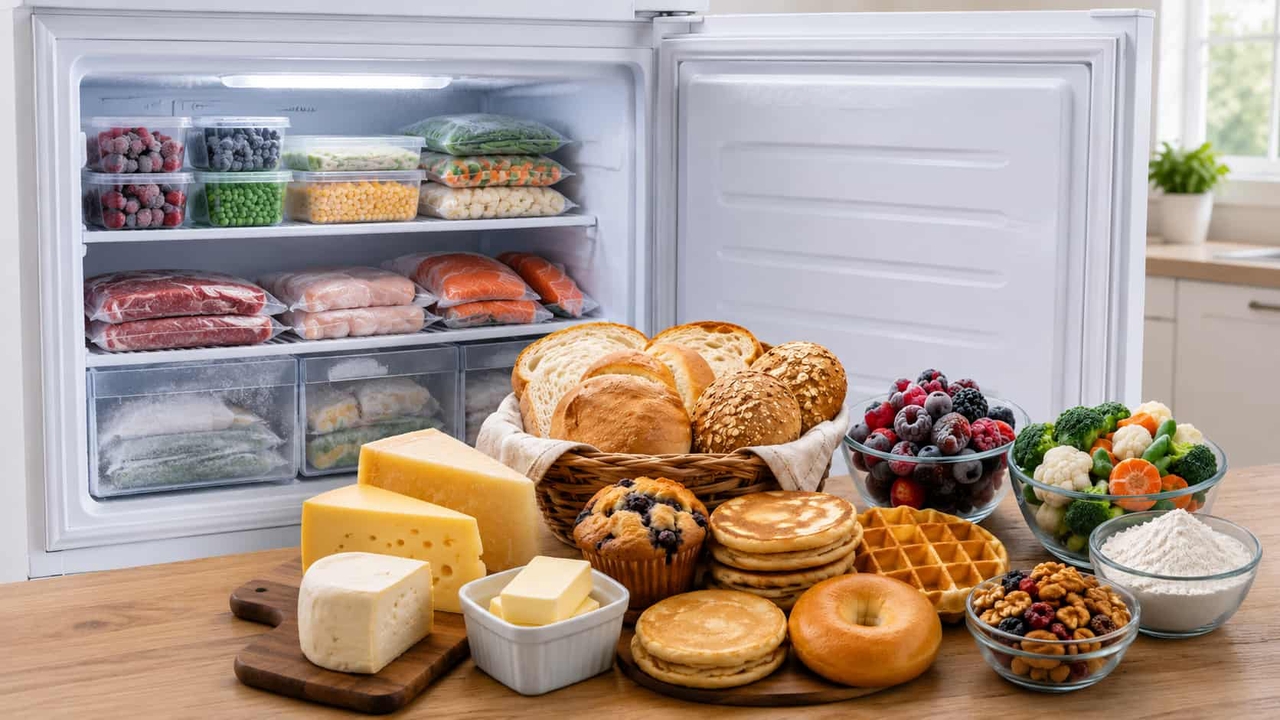
Hard cheeses such as cheddar, Swiss, Parmesan, and gouda hold up well. Unlike soft cheeses, their low moisture content limits bacterial growth even at slightly warmer temperatures.
Butter and margarine are also generally safe to refreeze without concern.
Breads, rolls, muffins, cakes, and bagels can be kept or refrozen, provided there is no custard or cream filling. Check for mold before keeping.
Breakfast items like waffles, pancakes, and french toast are safe in most cases.
Frozen fruits and vegetables can often be kept if they are still partially frozen, though expect some softening in texture after refreezing. If completely thawed above 40°F for over 2 hours, discard them, as bacteria thrive on low-acid veggies.
Fruit juices and concentrates, along with dry goods like nuts, flour, and coffee, are low-risk and generally safe to keep.
One important distinction: safe to keep is not the same as unchanged in quality. Refreezing affects texture, moisture, and flavor in many foods. That is a quality issue, not a safety one — but it is worth knowing before you refreeze a full bag of strawberries expecting them to taste the same.
Signs of spoilage you can't ignore
Visual and sensory cues can confirm that food has spoiled — but here is the critical caveat: they cannot confirm food is safe. Some of the most dangerous bacteria are completely undetectable by smell or appearance. Use these signs as additional evidence to discard, never as clearance to keep.
Unusual or sour smells: A pungent, sour, or off-putting odor emanating from meat, poultry, or vegetables as they thaw.
Slimy or strange textures: Meat that feels sticky, slimy, or unusually slick to the touch.
Visible mold growth: Fuzzy green, white, or black spots appearing on fruits, juices, or prepared meals.
Severe color changes: Beef that has turned dull gray, or poultry that looks unusually dark or faded.
Ice cream melted to a solid block: Ice cream that melted completely and refroze into a dense, uniform block has almost certainly been warm enough long enough to support bacterial growth. Discard without tasting.
Tips to prepare your freezer before the next power outage
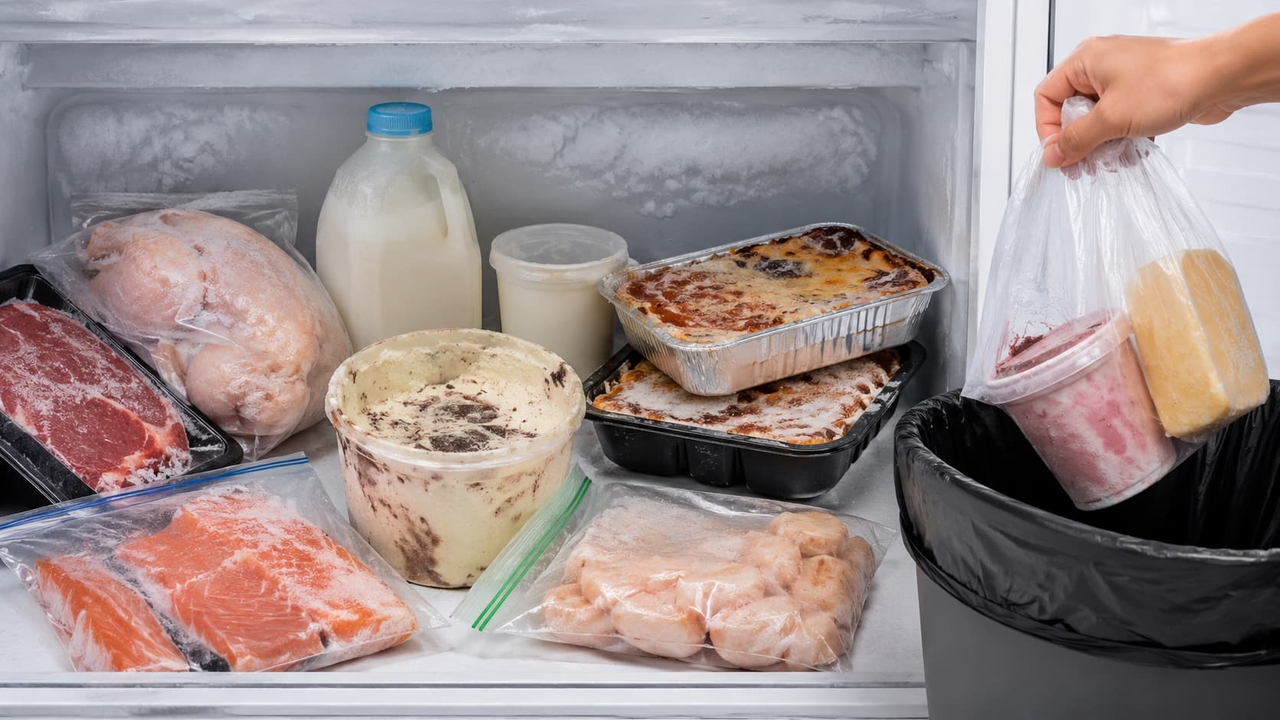
A little preparation before an outage hits can mean the difference between a full freezer and hundreds of dollars in wasted food. Here are the most practical steps you can take right now to protect your frozen goods.
Keep your freezer as full as possible: A packed freezer retains cold far longer than a half-empty one. If you don't have enough food to fill it, use water-filled jugs or zip-lock bags of ice to take up the empty space. The more thermal mass inside, the slower the temperature rises when power goes out.
Install a freezer thermometer: Don't rely on guesswork: a simple appliance thermometer lets you know the exact internal temperature when power is restored, so you can make informed decisions about what to keep and what to toss. Your freezer should normally stay at 0°F (-18°C) or below.
Freeze water bottles in advance: Fill plastic bottles about three-quarters full and keep them frozen at all times. During an outage, they act as ice packs that slow the rise in temperature inside the freezer — and can double as drinking water or as cooler ice if needed.
Label your food with freeze dates: This makes post-outage decisions much faster. When you're assessing what to keep, knowing how long something has already been stored helps you prioritize what to save and what to let go without hesitation.
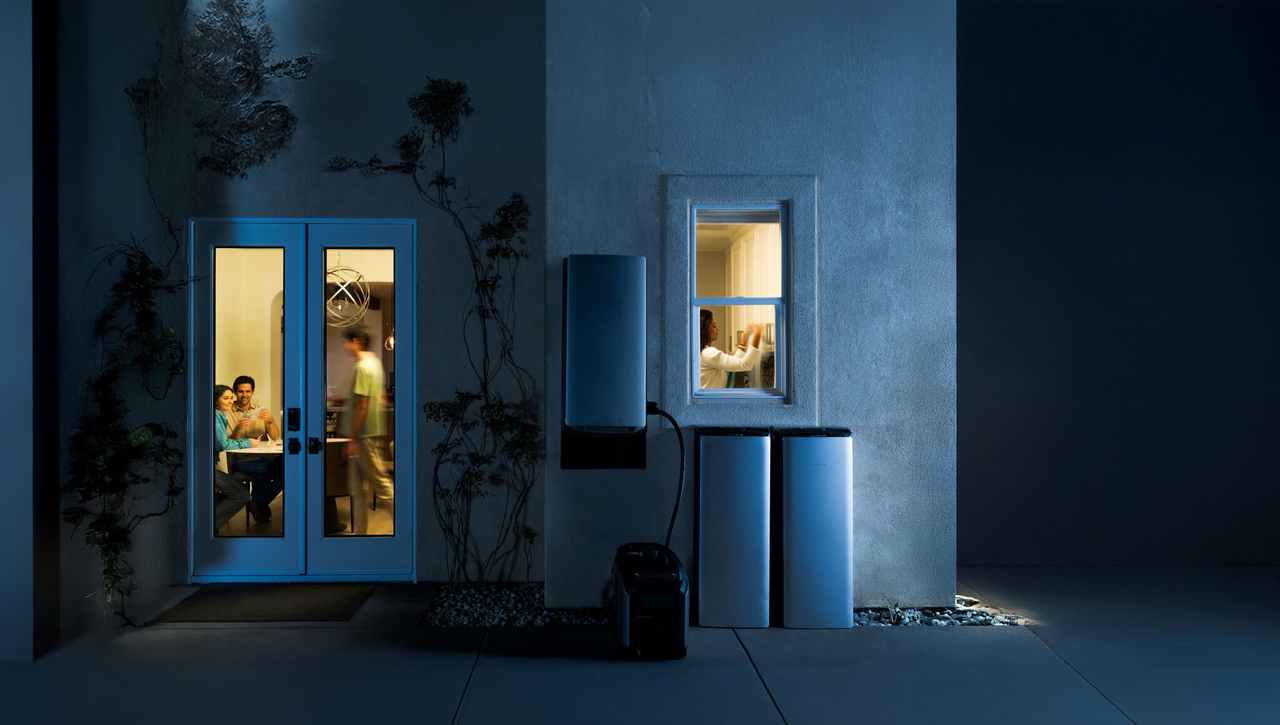
Invest in a home battery backup system: All of the tips above are damage-control measures: they slow the loss but don't stop it. The only way to keep your freezer running normally through a power outage is to keep the power on. For example, the EcoFlow OCEAN Pro home battery system is a popular choice. With up to 80kWh of storage, extended runtime flexibility, and TOU optimization, homeowners are fully protected against both short and prolonged grid outages, preventing food loss while saving money on daily energy use.
Conclusion
When it comes to freezer food safety after a power outage, the rules are clear and non-negotiable. Keep the door closed. Check the temperature with a thermometer. Discard anything that has been above 40°F for more than two hours. Never taste-test for safety. And when in doubt — throw it out.
comes from combining knowledge with reliable power protection. Investing in a home battery backup system eliminates worry entirely by keeping your freezer running during outages. Ready to safeguard your food and home? Get a free solar battery quote from EcoFlow today and discover the perfect system for your needs.
FAQs
How long is food ok in a freezer without power?
A full, closed freezer keeps food safe for about 48 hours. If it's only half-full, that window drops to 24 hours. Keep the door shut to trap the cold; opening it lets warm air in and speeds up thawing.
What foods spoil fastest without power?
Perishables with high moisture and low acidity spoil fastest. This includes raw or cooked meats, poultry, seafood, milk, soft cheeses, ice cream, cream-filled pastries, and opened jars of mayonnaise or creamy dressings.
How do you know if freezer food is bad after a power outage?
Check the temperature and physical signs. If an appliance thermometer reads above 40°F for over 2 hours, perishables are unsafe. Toss items with foul odors, slimy textures, mold, or liquefied ice cream. When in doubt, throw it out.
What should I throw out of freezer after power outage?
Check the temperature first. Above 40°F for over two hours means discard. Secondary signs include off smells, slimy texture, and color changes — but never rely on smell alone.
Can you refreeze thawed meat after a power outage?
You can safely refreeze thawed meat only if it still contains visible ice crystals or has been held consistently below 40°F. If it has completely thawed and stayed above 40°F for more than 2 hours, it must be thrown out.

