
What is Japandi Style: What You Need to Know about Japandi Homes
What is Japandi style and why is it the new go-to for modern homeowners? Struggling to create a home that feels both calm and functional? Japandi design is the balanced solution. It's a mix of Japanese minimalism and Scandinavian warmth that helps to reduce visual clutter while creating inviting, functional spaces. And when coupled with a smart home battery backup system, this aesthetic can help you improve your home's efficiency without compromising its clean, minimalist appeal. Here's everything you need to know.
What are Japandi style homes
Japandi style homes blend the minimalism of Japanese design with the warmth and functionality of Scandinavian interiors. The outcome is a timeless aesthetic that emphasises clean lines, natural materials, neutral colour palettes, and spaces that have been thoughtfully curated. Japandi is about filling a space with only useful or meaningful things, not decorative objects, leading to a home that is calm, comfortable and uncluttered.
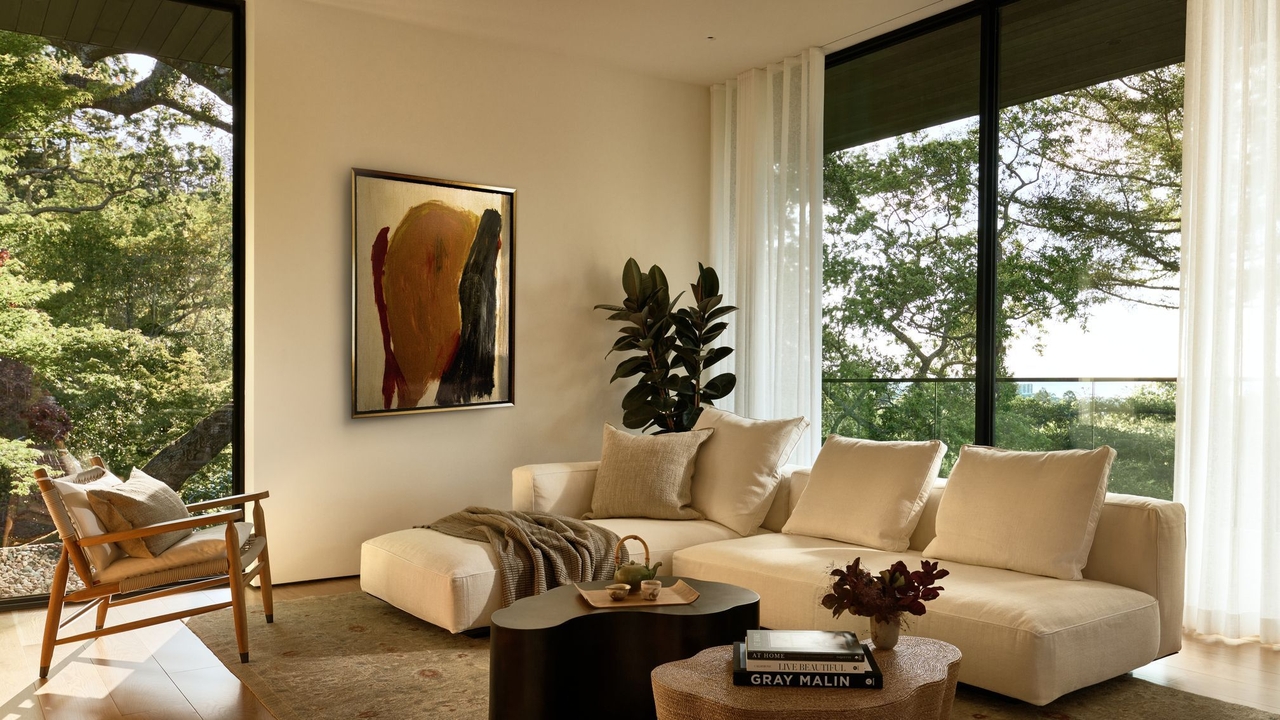
The roots of Japandi style lie in the shared design philosophies of Japan and Scandinavia. Despite the geographical distance between these regions, both cultures value craftsmanship, nature, and intentional living. Japanese aesthetics are based on wabi-sabi, the appreciation of simplicity and the beauty of imperfection. In recent years, Japandi has taken the world by storm as homeowners seek tranquil, practical living environments that foster mindfulness and sustainability.
Key characteristics of Japandi style homes
Minimalism without feeling cold
Unlike traditional minimalism, which can sometimes feel stark or sterile, Japandi creates warmth through texture and thoughtful design. Spaces are kept uncluttered, but soft textiles, warm wood tones, and handcrafted details make rooms feel welcoming rather than empty. The goal is to simplify your surroundings without sacrificing comfort.
Neutral and earthy color palette
Japandi interiors feature calming, nature-inspired hues. Colours like white, beige, cream, taupe, soft grey, charcoal, muted green and warm brown create a calm mood. Dark accents such as black or dark wood finishes are often used sparingly to provide depth and visual contrast without dominating space.
Natural materials everywhere
Japandi homes are characterised by natural materials. Wood, bamboo, rattan, linen, cotton, wool, stone and ceramic bring warmth, texture and authenticity to any space. These organic components enhance the relationship between interior spaces and nature, promoting more sustainable interior design.
Functional furniture
Both form and function are considered when selecting furniture for a Japandi home. Clean-lined sofas, solid wood dining tables, low-profile beds and multi-functional storage solutions help maximise space with simple aesthetics. Everything serves a purpose, thus minimising superfluous objects and promoting a cleaner living environment.
Plenty of natural light
The peaceful atmosphere of Japandi interiors is enhanced by natural light. Large windows, sheer curtains, open floor plans and strategically placed mirrors all help keep living areas bright throughout the day. With daylight flooding in, natural materials are highlighted to make rooms feel larger, lighter and more inviting.
Thoughtful decorative pieces
The minimalism of Japandi decor is intentional. Rather than filling shelves with accessories, homeowners select a few meaningful pieces that complement the overall look. Handmade pottery, ceramic vases, simple artwork, indoor plants, woven baskets, and sculptural lighting lend personality without visual clutter.
How to create Japandi style homes
Declutter first
A clutter-free home is the foundation of every Japandi home. Before you start bringing in new furniture or decor, take some time to get rid of anything that no longer has a purpose or brings you joy. Open floor space, organised storage, and clear countertops instantly make a space feel lighter and more relaxing.
Limit yourself to a few pieces which have meaning and which will set the atmosphere, and forget about having lots of decorative accessories. A tidy house not only looks cleaner, but also brings a greater sense of calm and mindfulness to everyday life.
Invest in timeless furniture
Japandi design promotes quality over quantity. Ditch the cheap, trendy furniture cluttering your house and opt for well-made pieces of durable materials such as solid wood, natural fabrics, and quality upholstery. Look for furniture with clean lines, subtle curves and understated elegance that will remain fashionable for years to come.
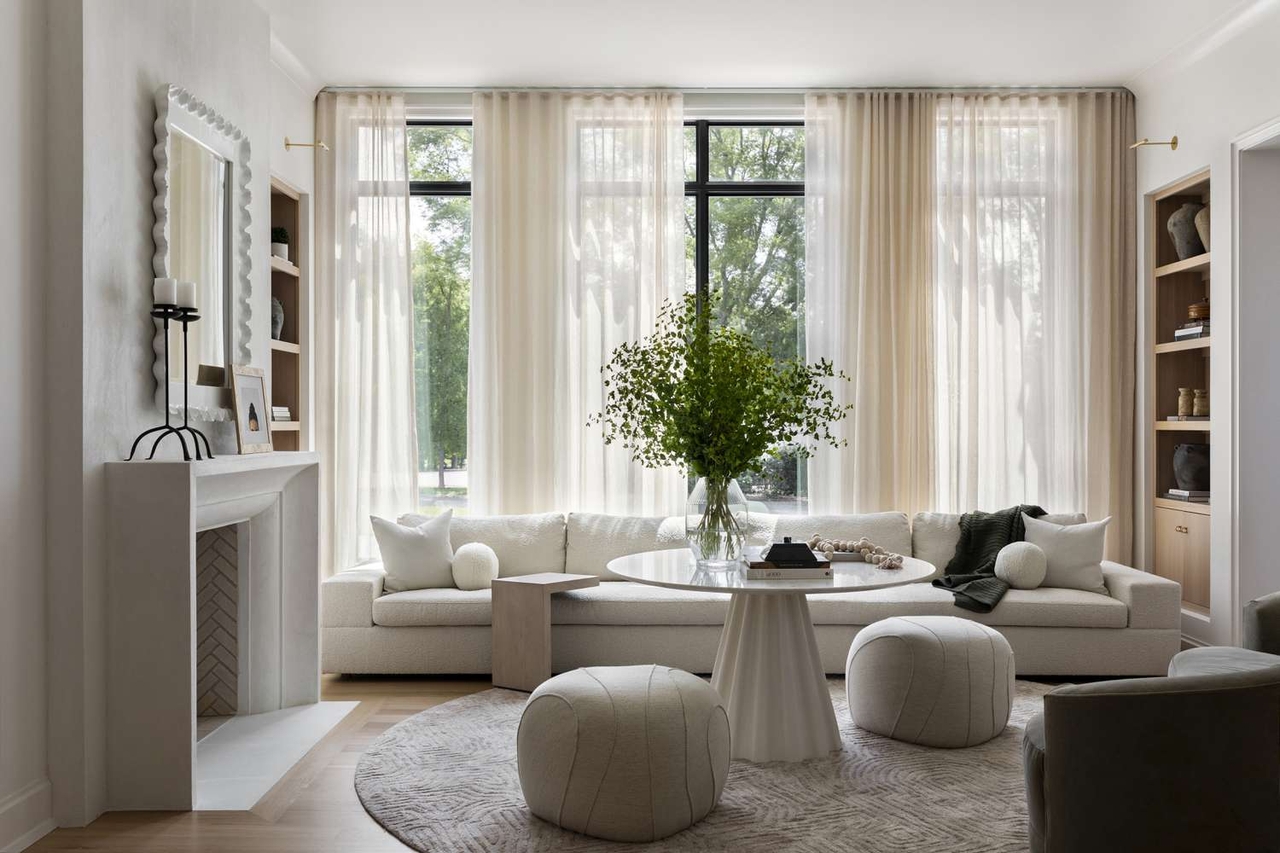
Pieces that are multifunctional, such as storage benches, extendable dining tables or modular shelving, are especially valuable because they maximise functionality without creating unnecessary visual clutter that is unnecessary.
Mix textures
Japandi is based on minimalism, but the spaces never feel empty or sterile, as texture is key to adding warmth and depth. Incorporate natural materials throughout your home. Combine sleek wooden surfaces with woven baskets, linen curtains, wool throws, cotton cushions, stone accents and handcrafted ceramics.
Mixing textures creates visual appeal but keeps the calm, neutral appearance that defines Japandi interiors. The outcome is a space that's both sophisticated and comfortable.
Bring nature indoors with biophilic design
Biophilic design works well with Japandi style because it enhances the relationship between the indoor environment and nature. Use natural daylight whenever possible by opening up windows or using sheer window treatments.
Add in organic shapes and calming colours with indoor plants, fresh greenery or simple branches in ceramic vases. The use of natural materials, such as wood, bamboo, cork and stone, further reinforces this link, creating an environment that encourages relaxation, well-being and everyday comfort.
Prioritize sustainability
Sustainability is one of the main tenets of Japandi living. Rather than frequently replacing, choose long-lasting furniture and home décor that is made to last. Select sustainable materials, energy-efficient lighting, environmentally friendly finishes and local products where possible.
Reducing unnecessary consumption is good for the environment, and it is also in line with the Japandi way of living intentionally. Each purchase should have a purpose and be something that will help your home function better in the long run.
Integrate solar energy for a sustainable Japandi lifestyle
A modern Japandi home extends beyond minimalist interiors by embracing smart, sustainable technologies that improve both comfort and energy efficiency. Rooftop solar power plus a home battery system means you can better take advantage of renewable energy and continue to live a clean, uncluttered lifestyle.
The EcoFlow Ocean Pro is designed to complement this sustainable approach with smart whole-home energy storage. The system can accommodate up to 40 kW of solar input, so homeowners can capture and store more renewable energy from larger rooftop solar systems.
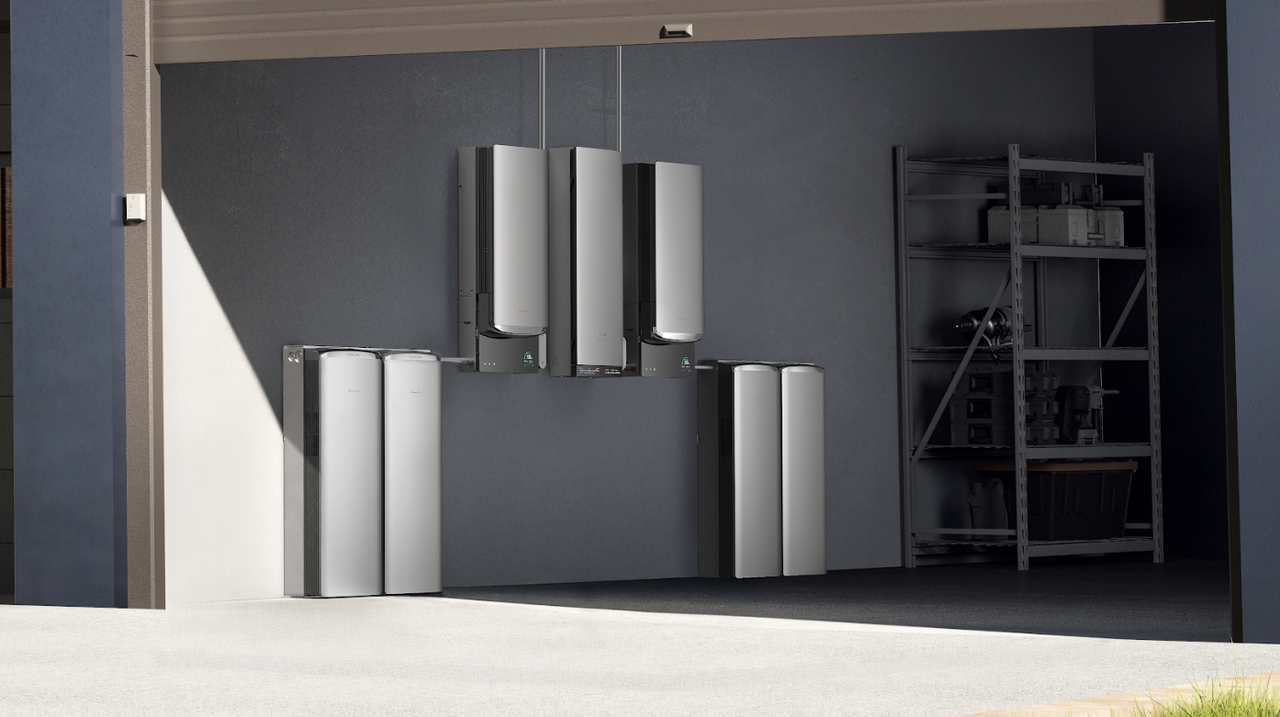
It starts at 10 kWh and can expand up to 80 kWh, making it easy to customize your system as your household energy needs grow. The OCEAN Pro can support up to 24 kW of continuous output for everyday use, enough to power major household appliances, including HVAC systems.
Conclusion
We hope you now get the answer to "what is Japandi style". Japandi style is not just another interior design trend; it is a conscious way of creating a home that embraces simplicity, warmth and practicality. Japandi homes blend Japanese minimalism with Scandinavian comfort, providing clean spaces, natural materials, neutral tones, purposeful furniture, and mindful decor choices that create a feeling of calm and harmony.
You don't have to renovate your whole home to get on board with the Japandi ethos. It can be as simple as clearing out what you don't need, investing in pieces that won't date, incorporating sustainable materials, adding layers of nature, and integrating a smart home energy system. So, what are you waiting for? Request a consultation today and make a smart Japandi-style home now.
Get Your Free Home Energy Consultation!
Which energy solution are you interested in?


FAQs
What is Japandi style in interior design?
Japandi style is an interior design style that blends the simplicity and mindfulness of Japanese aesthetics with the warmth and functionality of Scandinavian design. It's about designing calm, simple spaces with clean lines, natural materials, neutral colours and well-chosen furniture and décor. Japandi design is about creating a home that feels calm, comfortable and considered rather than overly decorated.
What is the difference between Japandi and Scandinavian design?
Japandi and Scandinavian design are similar in their minimalist approach, functionality and appreciation for natural materials, but are influenced by different things. Scandinavian design is often about creating a cosy, bright and comfortable space. Think hygge, soft textiles, light woods and airy layouts. Japandi brings together these elements with Japanese principles such as wabi-sabi, which is all about celebrating simplicity, craftsmanship and the beauty of imperfection.
What are the best colors for Japandi?
Soft, natural colours taken from the outdoors are best for Japandi interiors. Popular choices include warm whites, beige, cream, taupe, soft grey, muted greens, earthy browns and charcoal accents. These soothing tones create a relaxing atmosphere and allow natural materials such as wood, stone and linen to shine. Adding small elements of darker colours, such as black or deep brown, can create contrast without disturbing the tranquil feeling of space.
What are common Japandi decor mistakes?
One of the biggest mistakes with Japandi decor is mistaking minimalism for emptiness. A Japandi home should feel warm and lived in, not cold and bare. Don't overdo it with decorative objects; don't pick furniture because it looks good; don't mix a lot of competing styles. Other mistakes include using too-bright colours, using synthetic materials and creating spaces without texture. The trick is to pick fewer, better items that are functional and meaningful.
How can I make a Japandi home more sustainable?
There are many ways to make Japandi homes more sustainable. Use natural materials: Japandi is all about natural materials, so use as many natural materials as possible in your home. Incorporate recycling: Japandi is also about recycling and reusing materials, so try to incorporate recycling into your home. Use energy-efficient appliances: Look for energy-efficient appliances when you're shopping for new items for your Japandi home. This will help you reduce your energy consumption and save money in the long run.

