
What Is a Gale Warning? Understanding Marine Weather and Wind Risks
When severe weather approaches, regional meteorological agencies issue various alerts to protect lives and property. Among these notices, a gale warning serves as a critical indicator of highly destructive wind conditions that impact both coastal waterways and inland areas. Understanding what these alerts signify allows coastal residents, maritime operators, and homeowners to prepare effectively for structural hazards and extended power grid disruptions. Selecting a reliable home battery backup ecosystem is an excellent strategy to maintain safety and comfort when these intense seasonal storms strike.
The Meaning and Criteria of a Gale Warning
A gale warning is an official alert issued by weather authorities, such as the National Weather Service (NWS) in the United States. This specific alert indicates that sustained winds or frequent gusts within a specific, dangerous range are either imminent or actively occurring, according to the official guidelines established in the National Hurricane Center glossary.
To fully grasp the gale warning meaning, it helps to look at the strict criteria forecasters use before sounding the alarm.
Wind Speeds: The technical threshold for a gale alert requires sustained winds or frequent gusts between 34 to 47 knots. Translated to standard land measurements, this equals 39 to 54 miles per hour. In metric terms, the speed ranges from 63 to 87 kilometers per hour. Understanding the exact science behind these powerful storms helps communities stay fully prepared for volatile seasonal weather.
Timing: Meteorologists typically issue these warnings 24 to 48 hours before the onset of the hazardous conditions. Modern weather satellites and ocean buoys track wind patterns precisely. This early detection provides local communities a clear, vital window to secure valuable assets before the heavy winds arrive.
Primary Risks: The sheer force generated by these winds causes multiple problems simultaneously. On the water, the wind can easily capsize small-to-medium vessels and create hazardous, unpredictable surf. On land, the gusts are strong enough to tear away loose residential roofing materials. The wind frequently throws large pieces of yard debris onto public roadways, creating dangerous obstacles for emergency response vehicles.
Gale Force Winds and the Beaufort Scale
To properly evaluate the intensity of wind velocities, meteorologists and sailors rely on the Beaufort Scale. Sir Francis Beaufort created this empirical measure in the early 1800s. It beautifully relates wind speed to observed conditions at sea or on land. Instead of just looking at digital speed readouts, people can look at trees, flags, and ocean waves to understand the wind's power. Gale conditions occupy very specific steps on this historic scale, which is thoroughly detailed on the Weather Prediction Center's Beaufort Wind Scale.
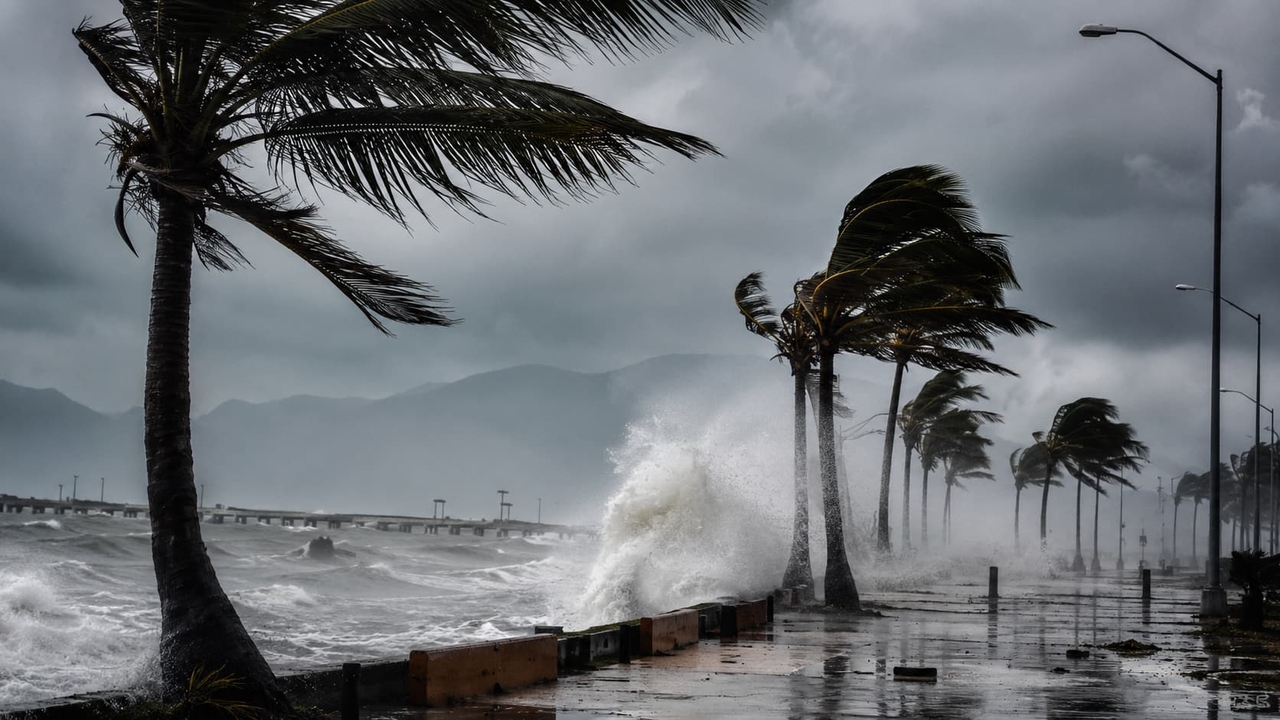
For anyone wondering what are gale force winds in practical terms, observing the environment provides the clearest answer. The scale breaks these winds down into specific categories of severity.
Moderate Gale (Beaufort 8)
The eighth step introduces true gale conditions. Wind speeds range from 34 to 40 knots. This translates to 39 to 46 miles per hour, or 63 to 74 kilometers per hour.
Out on the water, the ocean surface becomes highly chaotic. Foam blows in thick streaks from breaking waves. This makes navigation a real struggle for smaller boats.
On land, the effects are just as clear. Twigs and small branches break off mature trees. Walking against the wind requires significant physical effort. Vehicles traveling on open highways often feel a sudden push from strong crosswinds.
Strong Gale (Beaufort 9)
The ninth step brings even more danger and potential destruction. Winds escalate from 41 to 47 knots, pushing speeds to 47 to 54 miles per hour (76 to 87 kilometers per hour).
High wave crests begin tumbling rapidly into the ocean troughs. This action creates dense sea spray that drastically reduces visibility. Boating in these rough conditions frequently leads to emergency rescues.
Back on land, minor structural damage is common. Chimneys can shift out of place. Shingles frequently lift right off roofs. Unsecured lawn furniture easily takes flight. A simple patio chair can quickly become a dangerous projectile.
Gale Warnings vs. Other Severe Weather Alerts
During a stressful storm, it is quite easy to confuse a gale warning with neighboring weather statements. People often ask whats a gale warning compared to a storm warning. Marine and coastal warnings operate on a clear hierarchy based strictly on wind speed thresholds. This structured alert system is outlined clearly across official resources, including the NWS weather glossary and the NHC terminology guide.
Understanding this hierarchy helps everyone take the appropriate level of action when the weather turns sour.
Alert Level | Wind Speed Range (Knots) | Wind Speed Range (Imperial / Metric) | Primary Operational Threat |
|---|---|---|---|
Small Craft Advisory | 22–33 knots | 25–38 mph (40–61 km/h) | Hazardous to inexperienced boaters and small vessels. |
Gale Warning | 34–47 knots | 39–54 mph (63–87 km/h) | Risk of structural damage on land; extreme sea spray. |
Storm Warning | 48–63 knots | 55–73 mph (89–117 km/h) | Exceptionally high waves; dangerous for heavy commercial vessels. |
Hurricane Force Warning | 64 knots or greater | 74 mph (119 km/h) or greater | Complete visibility loss; widespread structural destruction. |
Protecting Your Property and Managing Power Stability
High-velocity winds routinely cause severe infrastructure damage across neighborhoods. The sheer force easily downs overhead utility lines. It snaps mature tree branches, sending heavy wood crashing directly into local electrical transformers. This exact sequence of events frequently leads to multi-day blackouts for entire coastal communities. Preparing a modern home infrastructure involves much more than just locking heavy storm shutters. It requires ensuring that critical household appliances remain fully operational when the local utility infrastructure fails completely.

Integrating a robust energy storage option provides comprehensive security. The EcoFlow OCEAN Pro Solar Battery System acts as a powerful whole-home defense when severe storms strike. This advanced home energy ecosystem delivers an impressive 24kW of continuous power output. This massive output allows it to effortlessly start and run highly demanding home infrastructure. It handles heavy loads like dual 5-ton HVAC units, deep well pumps, and large electric water heaters without any power flickering. Homeowners can scale the energy capacity up to a massive 80kWh using convenient 10kWh modular increments. This scalability ensures families can maintain standard daily routines during temporary outages caused by fallen branches, equipment failures, or severe weather conditions.
Once installed, the system offers incredible peace of mind. By leveraging its automated Intelligent Mode, the system seamlessly optimizes household energy consumption profiles during regular daily operations. Then, it transitions instantly to emergency backup power the exact moment the localized utility infrastructure drops out.
Furthermore, this multi-source backup ecosystem features flexible integration with rooftop solar inputs up to 40kW. It also connects easily with existing standby gas generators to support incredibly long-term outages. This layered approach to power management means a home stays warm, the refrigerator stays cold, and communication devices stay charged no matter how long the utility company takes to repair the broken power lines.
Get Your Free Home Energy Consultation!
Which energy solution are you interested in?


Are you ready to resolve the uncertainty about home battery backups and power outages? We can help protect a modernized property from unpredictable grid failures. Request a consultation today to find the perfect energy solution for the upcoming storm season. Request a consultation today!
Essential Marine and Shoreline Safety Protocols
When a weather warning officially goes into effect, fast action prevents tragedy. Specific safety protocols require immediate attention. The right steps depend heavily on whether a person is out on the water or managing a coastal property. Waiting for the wind to arrive before taking action usually leads to property loss.
Category | Safety protocol |
|---|---|
For mariners | Return to port or seek a highly protected anchorage immediately. |
Double-check all mooring lines. | |
Verify that all bilge pumps are working properly. | |
Secure all loose equipment on deck. | |
For inland residents | Secure outdoor furniture, trash bins, and lawn decorations. |
Park vehicles inside a sturdy garage. | |
Keep vehicles away from large trees if a garage is unavailable. | |
Follow local emergency broadcasts and official alerts. | |
Emergency kits | Maintain an updated emergency supply kit. |
Stock non-perishable food and fresh drinking water. | |
Keep flashlights with extra batteries. | |
Include a battery-powered weather radio. |
Conclusion
Severe wind events demand respect and careful preparation from every community in their path. Understanding the specific meaning of weather alerts empowers neighborhoods to act quickly. Knowing the actual wind speeds associated with these warnings removes the guesswork from storm preparation. Securing boats, tying down yard furniture, and upgrading residential home energy systems all contribute to a much safer, less stressful experience. Investing in reliable backup power ensures that daily life continues smoothly inside the house, even when the local utility grid surrenders to the howling storm outside.
FAQs
Can a gale warning cause power outages?
Yes, these intense winds easily snap tree branches and knock down overhead utility lines. Entire neighborhoods often lose grid electricity. Having a robust battery backup, like the EcoFlow Ocean Pro, ensures lights, heating, and critical appliances stay fully powered during these grid failures.
What is the difference between a gale warning and a storm warning?
The main difference lies entirely in the sustained wind speed. A gale involves winds from 39 to 54 mph. A storm warning is much more severe, featuring dangerous winds ranging from 55 to 73 mph, which cause significantly more structural damage.
How long does a gale warning typically last?
These alerts usually persist for anywhere from six to twenty-four hours. The exact duration depends entirely on the physical size, density, and moving speed of the specific weather system passing through the coastal or inland region.
Can gale wind force cause property damage on land?
Absolutely. Winds traveling at 50 mph easily lift roof shingles, tear down weak wooden fences, and turn loose yard debris into dangerous flying projectiles. Securing outdoor items before the heavy wind arrives prevents most minor property damage.
What should I do during a gale warning?
People will do well to stay indoors away from large glass windows. Secure all outdoor furniture, park vehicles safely inside garages, and keep emergency supply kits handy. Monitoring a battery-powered weather radio helps track the storm's progress safely.

