
Voltage Sag in Power Systems: Definition, Causes, & Solution
Dealing with a voltage sag can be incredibly frustrating, especially when your lights flicker or your sensitive electronics suddenly start rebooting. These short drops in electrical pressure don't just stop you from working; they can also wear out your appliances over time. That's when a smart home battery backup system can help. Getting home battery backups is a lifesaver here because they catch those drops before they break your gear. This guide will tell you everything you need to know about the voltage sag, common causes behind it, and practical methods to keep it in check.
What is voltage sag: A quick definition
A voltage sag is a short-term drop in RMS voltage, usually between 10% and 90% of the nominal voltage. It is one of the most common problems with the quality of power in electrical systems.
Duration classification:
Instantaneous: lasting a few milliseconds
Momentary: lasting up to a few seconds
Temporary: lasting from several seconds up to 1 minute
A voltage sag is a short drop in the power supply, which is what people call it in everyday language. You might notice it when the lights go out for a second, the fans slow down for a second, and the electronics start up or stop working. A voltage sag doesn't completely cut off the power like a power outage does, but it does make it weaker for a short time. Even though they don't last long, frequent voltage sags can still harm sensitive devices and shorten their lives.
What are the main causes of voltage sags
Large motor starting
When large motors start, they require a very high initial current known as an inrush current, which can be 6–10 times higher than their normal operating current. This sudden surge in demand pulls voltage down temporarily across the system, resulting in a voltage sag. It is especially common in industrial environments where heavy machinery is used
Electrical faults (short circuits)
One of the main reasons for voltage sags is electrical problems, like short circuits. A fault makes a sudden path of low resistance, which makes the current flow much faster. This quick rise causes the voltage levels on the network to drop right away.
Utility grid disturbances
Voltage drops can also happen when something outside the utility grid causes problems. Lightning strikes, tree branches hitting power lines, or damage to transmission infrastructure can all stop the normal flow of electricity. These problems cause short-term imbalances in the system, which cause voltage drops that affect consumers.
Heavy load switching
When you suddenly turn on a lot of electrical loads, they draw a lot of current right away. This can happen with tools like welders, electric furnaces, or big HVAC systems. When demand suddenly goes up, the system's voltage drops for a short time, causing a sag until the power supply stabilises.
Transformer or capacitor switching
When you turn on transformers or capacitor banks, the inrush currents can also make the voltage drop. When you first turn on these devices, they use a lot of power for a short time to set up their electric or magnetic fields. This sudden rise can lower voltage levels for a short time, especially in systems that aren't built to handle these kinds of changes well.
Effects of voltage sag on electrical equipment
Equipment malfunction or shutdown
When the voltage sags, it drops below the level needed for the equipment to work properly, which can cause it to act strangely or stop working altogether. Even a short dip can cause sensitive devices like computers, medical equipment, and control systems to stop working, which can cause problems and even damage.
PLC resets and automation failure
Programmable Logic Controllers (PLCs) are very sensitive to changes in voltage. They are commonly used in automation systems. A brief drop in voltage can make PLCs reset or lose the sequence they were programmed to follow. This messes up automated processes, which causes production errors, system instability, and the need for people to step in.
Motor stalling or overheating
Electric motors need a steady supply of voltage to keep their speed and torque. The motor might lose torque and slow down or even stop completely during a voltage drop. It may also draw more current to make up for it, which can cause the motor windings to overheat and be damaged over time.
Data loss in IT systems
Voltage sags majorly impacts IT systems. IT equipment needs constant power to work properly. A sudden drop in voltage can stop processing or make systems crash, which can further lead to lost data, corrupted files, or system errors.
Industrial downtime and financial losses
In factories, voltage drops can stop production lines, mess up the manufacturing process, and break equipment. Even a short break can cause a lot of downtime, wasted materials, and delays in delivery times.
What are the best ways to prevent a voltage sag
Uninterruptible power supply (UPS)
A UPS (Uninterruptible Power Supply) is one of the best ways to keep voltage drops from hurting equipment. It switches to battery power right away when it sees a drop in input voltage, which further keeps the voltage supply steady and continuous. This makes it perfect for delicate devices like computers, servers, medical devices, and control systems, which need to keep working without stopping.
Dynamic voltage restorer (DVR)
A Dynamic Voltage Restorer (DVR) is a more advanced solution typically used in industrial and commercial settings. It works by injecting the required voltage into the system within milliseconds whenever a sag is detected. Because of its extremely fast response time, a DVR can effectively protect critical loads from even very short-duration voltage dips.
Voltage regulators & power conditioners
Voltage regulators and power conditioners help voltage sag correction and keep the output voltage stable by fixing small changes in the power supply. They may not be as good at handling big voltage sags as UPS or DVR systems, but they are still useful for keeping voltage stable every day, protecting appliances, and making power quality better in both homes and offices. Voltage stability, protecting appliances and improving overall power quality in both homes and offices.
Use modern energy solutions & home batteries
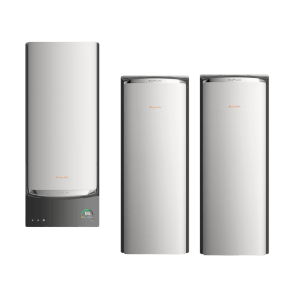
Modern energy solutions, especially home battery backup systems, are becoming increasingly important for managing voltage sags. These systems store energy and instantly supply it when the grid voltage drops, ensuring a consistent and uninterrupted output.
Advanced solar home batteries, such as the EcoFlow Ocean Pro, are designed to handle such situations efficiently, with high-performance specifications. For example, it offers:
Up to 24 kW continuous output, enough to power an entire home without voltage instability
Fast switching time, enabling near-instantaneous response to voltage sags
Scalable battery capacity (around 10 kWh up to 80 kWh) for handling varying load demands
High solar input capacity (up to 40 kW) for efficient energy storage and backup

Bonus: Voltage sag vs voltage swell
Changes in voltage don't always mean a drop; sometimes the voltage can also go up above normal levels. Knowing the difference between voltage sag and voltage swell can help you protect your electrical equipment better.
Voltage sag
When the voltage drops below normal levels, it's called voltage sag. This usually happens when the load suddenly increases or there is a problem with the system. This decrease means that electrical devices get less power than they need to work well.
Voltage swell
Voltage swell is the opposite condition, where the voltage rises above its normal level for a short duration. This often occurs when a large load is suddenly switched off or due to improper regulation in the power system.
Impact differences The key difference lies in how each condition affects equipment. Voltage sag leads to underperformance, causing issues like dim lighting, reduced motor efficiency, or system resets. In contrast, voltage swell can be more harmful, as the higher-than-normal voltage can overheat components, degrade insulation, and damage circuits.
Feature | Voltage Sag | Voltage Swell |
Definition | Drop below normal voltage | Rise above normal voltage |
Voltage Range | 10%–90% of nominal voltage | 110%–180% of nominal voltage |
Duration | Short (ms to 1 minute) | Short (ms to 1 minute) |
Common Causes | Motor starting, faults, heavy loads | Sudden load removal, capacitor switching |
Main Impact | Underperformance, shutdowns | Overheating, insulation damage |
Risk Level | Moderate (frequent issues) | High (can damage equipment quickly) |
Example Effect | Lights dim, systems reset | Bulbs brighten, devices may burn out |
Conclusion
Voltage sag is one of the most common power quality issues faced in both residential and industrial environments. Even though it lasts only a short time, it can still cause major disruptions, including equipment malfunctions, process interruptions, and data loss.
Preventing voltage sag is not about a single solution; it requires a combined approach. This includes proper system design, where electrical infrastructure is built to handle sudden load changes, and continuous monitoring, which helps detect and address issues before they escalate. By adopting the right strategies and advanced home battery systems, you can significantly reduce the impact of voltage sags and ensure a more stable and reliable power supply.
Why wait? Request a consultation today to find the perfect energy solution for your family.
Get Your Free Home Energy Consultation!
Which energy solution are you interested in?

FAQs
1. Is voltage sag normal?
Yes, voltage sag is a common and normal power quality issue. It usually occurs due to routine events like motor starting or grid disturbances. While occasional sags are expected, frequent or severe ones may indicate underlying electrical problems that need attention.
2. How to prevent voltage sag?
Voltage sag can be minimized using a combination of solutions such as Uninterruptible Power Supplies (UPS), voltage regulators, and dynamic voltage restorers (DVRs). Additionally, modern solutions like home battery systems, like EcoFlow Ocean Pro, help maintain stable power.
3. How long does a voltage sag last?
Voltage sags are short-duration events, typically lasting from a few milliseconds to a few seconds. In some cases, they may extend up to one minute, depending on the cause and system conditions.
4. Can a voltage sag damage equipment?
Voltage sag usually does not cause immediate physical damage, but it can lead to malfunctions, shutdowns, and overheating, especially in motors and sensitive electronics. Repeated sags over time can reduce the lifespan of equipment and affect performance
5. What is an acceptable voltage sag?
An acceptable voltage sag depends on the equipment, but generally, a drop that stays above 80-90% of the nominal voltage and lasts only a very short time is considered tolerable for most devices.

