
What is UL 1741? Ensuring Safe and Reliable Energy Systems
Confused about UL 1741 requirements when choosing a solar or hybrid inverter? Many homeowners and installers struggle to understand which certifications ensure safety and grid compatibility. The UL 1741 standard helps guarantee that inverters used in renewable energy systems meet strict electrical safety and performance requirements. This guide explains UL 1741, its updates like SB and SA, and why certified hybrid inverters—like EcoFlow Ocean Pro—are essential for reliable solar installations.
What is UL 1741?
UL 1741 is a safety standard developed by UL (Underwriters Laboratories) Solutions for equipment used in Distributed Energy Resources (DERs) such as solar and battery storage. The UL 1741 standard ensures that power electronics safely connect renewable energy sources to the electrical grid while meeting strict performance and safety requirements.
The certification plays a critical role in distributed energy systems, where electricity is generated locally through solar panels, home batteries, and hybrid inverters. UL 1741 ensures that these systems operate safely, communicate correctly with the utility grid, and do not disrupt power stability.
The standard applies to several types of equipment used in renewable energy systems, including solar inverters, power converters, charge controllers, and grid-interactive controllers. By testing these devices for electrical safety, grid compatibility, and performance, UL 1741 helps ensure that renewable energy installations operate reliably in residential and commercial environments.
Role of UL 1741 in distributed energy systems
Distributed Energy Resources (DERs) refer to smaller electricity sources located close to where power is used. These include rooftop solar panels, home battery storage, and hybrid inverters. Together, they create a decentralized energy network where homes can generate, store, and manage their own electricity while still connecting safely to the utility grid.
The "Safety gatekeeper": UL 1741 acts as a mandatory gatekeeper for how individual homes interact with the utility. It manages the flow of electricity feeding back into the lines, ensuring that your home's power export never exceeds safe limits or creates hazardous backfeed that could damage infrastructure.
Grid stability: When many homes generate solar energy, electricity can flow in multiple directions across the grid. UL 1741 ensures that certified equipment responds properly to voltage and frequency changes, preventing sudden fluctuations that could disrupt the broader electrical network.
Anti-islanding protection: UL 1741 requires anti-islanding protection, which automatically stops a system from exporting power during a grid outage or maintenance. This prevents electricity from feeding into power lines while utility workers are repairing them, improving overall safety.
Decoding the supplements: UL 1741 SA vs. UL 1741 SB
As renewable energy technology matures, the UL 1741 standard has evolved from basic safety to advanced grid management through Supplements A and B, ensuring inverters can actively support modern utility networks.
UL 1741 SA (Supplement A)
UL 1741 SA introduced as the "smart inverter" capabilities that allow solar and hybrid inverters to support grid stability. Unlike older standards that required inverters to disconnect during fluctuations, these features enable the system to respond automatically to minor changes in voltage or frequency. This allows renewable resources to remain connected and operate smoothly during grid disturbances, preventing cascading power loss. By integrating these features, SA-certified inverters make distributed energy resources safer and more resilient.
UL 1741 SB (Supplement B)
UL 1741 SB is the most advanced tier, aligned with IEEE 1547-2018, requiring inverters to support standardized communication protocols like SunSpec Modbus or IEEE 2030.5. This ensures grid interoperability, stability, and long-term energy resilience. While a UL 1741 listed inverter covers basic safety, many utilities now require SB certification for modern smart grids. High-capacity hybrid inverters, such as the EcoFlow OCEAN Pro, meet these standards, supporting up to 40kW PV input, 24kW split-phase output, and whole-home backup, while integrating advanced grid-support functions for reliable, efficient energy management.
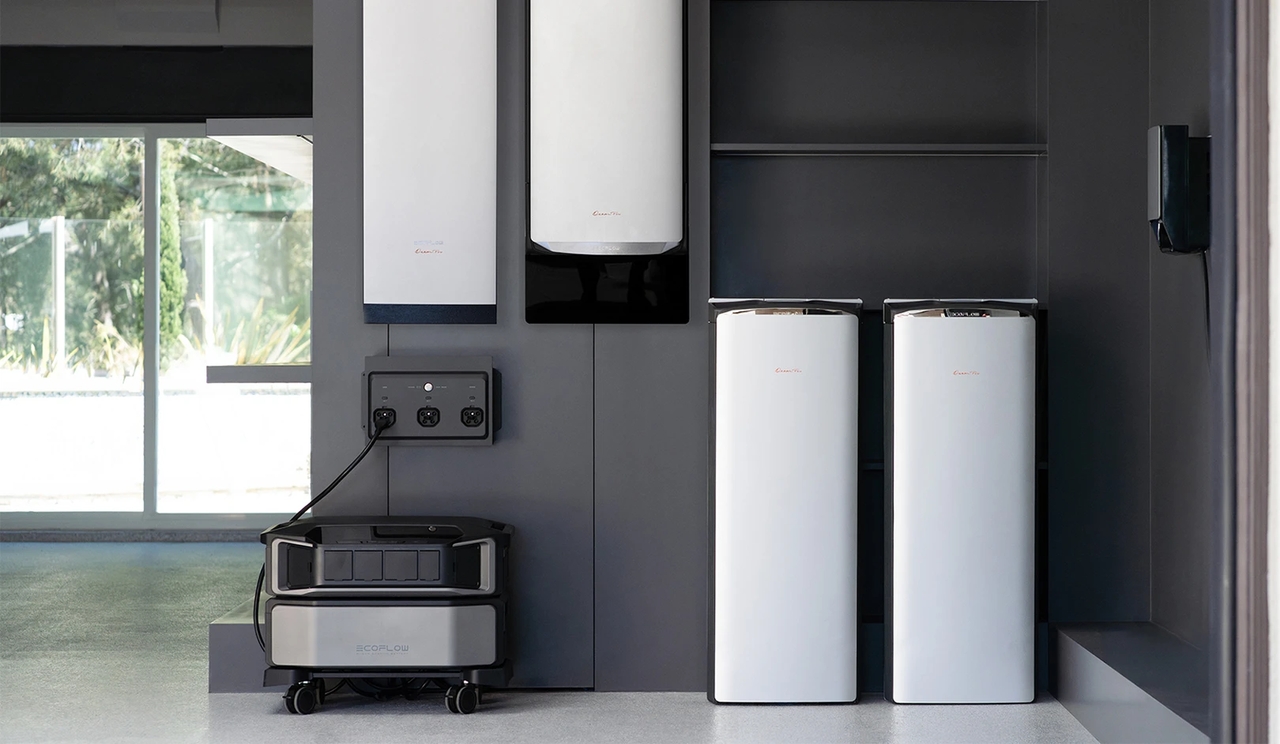
Ready to upgrade to a UL 1741 SB certified system? Book a free consultation today with EcoFlow to design your perfect solar and backup solution.
Get Your Free Home Energy Consultation!
Which energy solution are you interested in?
Why does your system need a UL 1741 inverter
Investing in a solar or battery system is a significant commitment. Choosing a UL 1741 listed inverter is the single most important step to ensure that your investment is legal, protected, and profitable.
Permitting & interconnection: Most U.S. utilities require UL 1741–listed inverters (often with specific supplements like SB) for grid-tied solar systems before approving interconnection. The standard verifies safety features such as anti-islanding, fault protection, and grid-support functions aligned with IEEE 1547. Without UL 1741 compliance, utilities usually deny system activation.
Incentive eligibility: Many renewable energy incentives and rebate programs require certified equipment. Using UL 1741 compliant hardware can help ensure eligibility for benefits such as the 30% Federal Solar Tax Credit and other local incentive programs.
Insurance and reliability: UL 1741 subjects hardware to rigorous testing for fire and surge safety. Using certified equipment, like the EcoFlow Ocean Pro series with its 8 MPPT channels and high LRA (Locked Rotor Amp) start capability for HVAC systems, reduces liability risks and ensures the system can handle large inductive loads without failure.
Conclusion
Navigating the complexities of solar energy requires a clear understanding of the UL 1741 standard. It is the essential benchmark that ensures your system is safe, stable, and legally compliant with the utility grid. By choosing a UL 1741-listed inverter, you are not only protecting your home and utility workers but also future-proofing your investment for the modern smart grid.
The EcoFlow OCEAN Pro series stands at the forefront of this technology, offering the perfect blend of high-capacity power and rigorous safety certification. Whether you are aiming for energy independence or simply looking to reduce your carbon footprint, ensuring your equipment meets these critical standards is the first step toward a reliable renewable energy future.
FAQs
1. Why is UL 1741 important for my home?
UL 1741 is a key safety and performance standard for inverters, converters, and controllers used in home solar and energy storage systems. It ensures solar inverters are safe to use, comply with utility requirements, and operate reliably within the electrical grid.
2. What are UL 1741 listed inverters?
These are inverters independently tested to meet strict North American safety and grid standards. Required for most US installations, leading solutions like the EcoFlow Ocean Pro are fully UL 1741 listed, ensuring rigorous protection against fire, surges, and grid instability.
3. How do I check if my inverter is UL 1741 listed?
Check the inverter's product label, technical datasheet, or user manual for the UL certification mark and UL 1741 reference. You can also verify certification through the manufacturer's specifications or the UL product certification database.
4. Does UL 1741 apply to battery storage systems?
Yes. While UL 9540 covers overall safety of battery storage systems, UL 1741 governs the inverter/converter that manages the battery's power. Both certifications are usually required for a safe, code-compliant energy storage system.
5. What are the benefits of UL 1741 certification?
Certification ensures safe grid interaction, reliable inverter performance, and compliance with utility requirements. It helps systems pass inspections, qualify for incentives, and reduces risks related to electrical faults, grid disturbances, or safety hazards.

