
Transformer Blowing Up: Here's What Really Happened
If you've ever witnessed a transformer blowing up, you know how alarming and disruptive it can be. Sudden power outages, damaged appliances, and safety risks leave many wondering what went wrong. These incidents aren't just dramatic—they often signal deeper electrical issues. In this article, we'll break down the real causes and what they mean to you. Besides, we'll cover how a smart home energy system handles a blown transformer and can help reduce the damage.
Why do transformers blow up: Causes explained
A. Overloading and capacity failure
A transformer begins to overheat when it is pushed beyond its limits. Excessive demand over time breaks down internal insulation, reducing its ability to safely hold electrical energy. Over time, this heat buildup can cause internal parts to fail, sometimes leading to explosions.
B. Short circuits and internal faults
One of the most common and dangerous reasons for transformer failure is a short circuit. They can occur when the insulation breaks down, the connections are loose, or the transformer is damaged. When a short circuit happens, a lot of current flows through paths that weren't meant to be used, making very hot arcs of electricity. These arcs can ignite insulating oil or other materials inside, causing a sudden explosion.
C. Lightning and power surges
Lightning strikes and power grid switching surges can send huge voltage spikes into a transformer. Most systems have surge protection devices, but they don't always work perfectly. A strong surge can break through insulation, damage windings, and throw off the electrical system's balance. This can cause overheating, sparking, and finally an explosion in a matter of milliseconds. If grounding and protection systems aren't maintained, areas that get frequent thunderstorms are especially at risk.
D. Poor maintenance and aging equipment
Wondering if a transformer blew up due to poor maintenance? Well, the answer is yes. To work safely, transformers need to be checked and maintained regularly. Over time, heat and dirt can break down insulating oil, making it less effective at cooling and insulating. Moisture getting in, rust, and corrosion make parts, both inside and outside, even weaker. Aging transformers are more likely to leak, build up pressure, and experience insulation problems.
E. Environmental factors
External conditions can greatly trigger transformer explosions. When the temperature outside is high, cooling is less effective, which speeds up wear and tear. When it rains heavily or there are floods, water can get into the unit, damaging insulation and increasing the likelihood of short circuits. Severe weather, such as strong winds and storms, can break connected lines, causing sudden faults.
What happens when a transformer blows up
A. Immediate visible effects
When a transformer fails in a big way, the effects are usually very noticeable and hard to miss.
Sparks, smoke, and fire: The failure usually starts with a loud bang, followed by bright sparks or flashes from electrical arcs. When the parts inside the transformer burn, thick smoke can rise. In many cases, the insulating oil inside the transformer can also catch fire, making things worse.
Sudden loss of electricity: Almost instantly, power supply to nearby homes, businesses, or even entire neighborhoods is cut off. A sudden power outage can disrupt everyday life, halt industrial operations, and affect essential services.
B. Potential influence
Beyond the immediate explosion, there are wider consequences that can impact the electrical system and the surrounding area.
Voltage surges: When a transformer blows up, it can send sudden voltage spikes through the wires connected to it. If there aren't any protection systems in place, these surges could hurt electronics, appliances, and other sensitive equipment.
Cascading failures: When one transformer fails in a power grid connected to others, it can put additional stress on the remaining transformers. This could trigger a chain reaction that causes additional transformers or equipment to fail, leading to even larger outages.
Environmental impact: Burning oil and broken parts can let harmful chemicals into the air and soil. In the worst cases, leaks or fires can pollute nearby land or water sources, harming both the environment and public health.
Modern solution: How a smart energy solution reduces the damage
A. Managing power surges and outages
When a transformer fails, the biggest risks often come from sudden voltage spikes and unexpected blackouts, especially when it blows up at night. Smart energy systems are designed to detect irregular power flow in real time and respond instantly. By regulating voltage and isolating sensitive devices, they help protect appliances and electronics from damage. This kind of intelligent control reduces the impact of sudden disruptions and keeps essential systems safer.
B. Provide backup power and stabilize energy usage
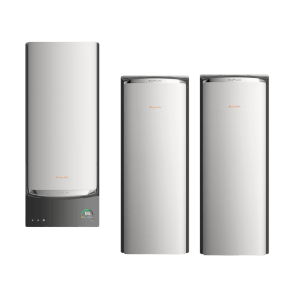
Another key advantage is continuity. Modern solutions, such as the EcoFlow Ocean Pro, quietly step in during outages to provide backup power without interrupting daily activities. It's backup power with a sub-10ms transfer time, ensuring sensitive electronics remain uninterrupted during outages. With a 24kW continuous AC output and 205A LRA surge capability, the system can simultaneously start heavy loads.
Get Your Free Home Energy Consultation!
Which energy solution are you interested in?


Can transformer explosions be prevented?
Regular maintenance and inspection
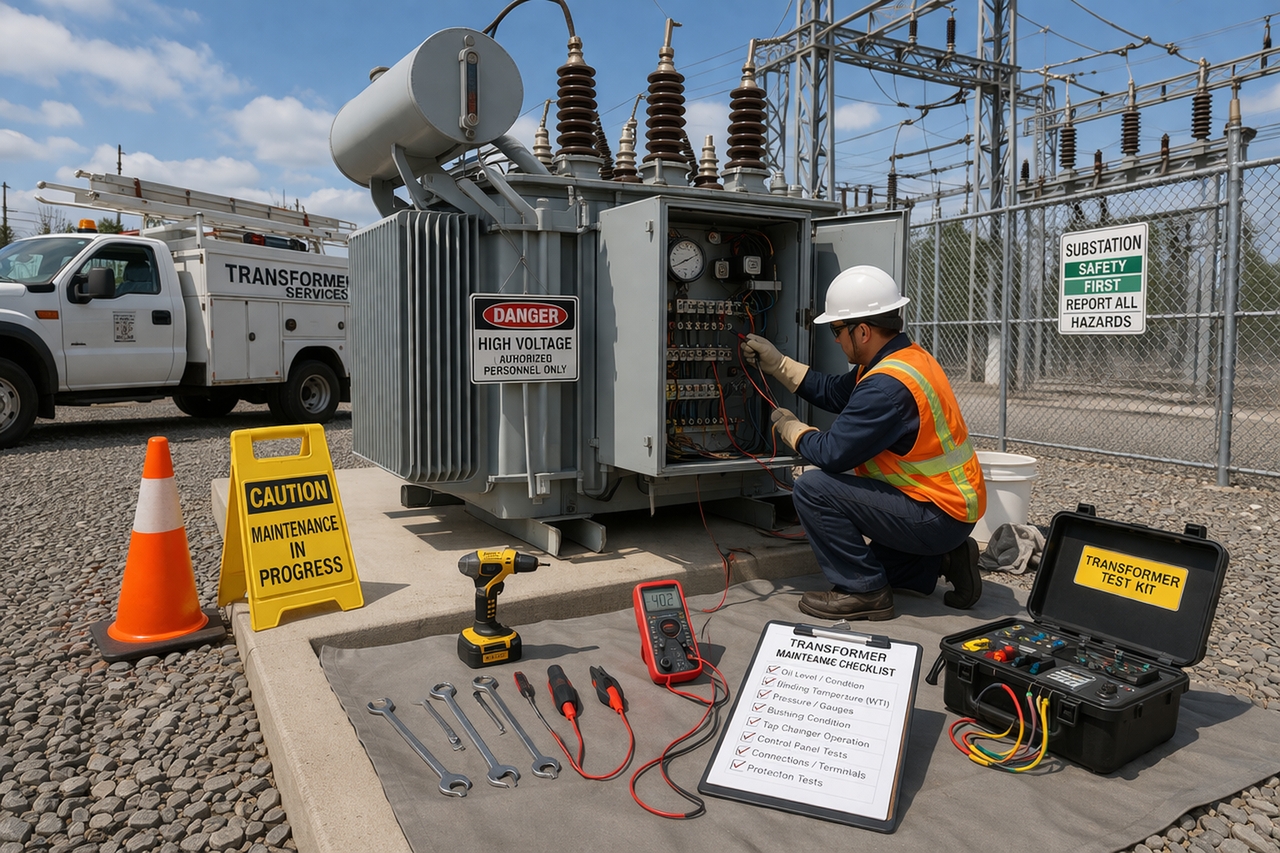
One of the best ways to prevent an electrical transformer from blowing up is to do regular checks. Checking the insulation, testing the oil quality, and looking for early signs of wear or leaks can all help you catch problems before they worsen. Preventive maintenance ensures that small issues don't turn into dangerous breakdowns.
Load management
It is very important to keep the electrical load within safe limits. Utilities and facility managers can monitor demand and shift power as needed to prevent transformers from overheating. Smart load balancing prevents equipment from overheating and helps it last longer.
Surge protection systems
Transformers can be protected from sudden voltage spikes caused by lightning or grid disturbances by installing surge arresters and proper grounding systems. These systems are the first line of defence, safely diverting excess energy away from critical parts.
Modern grid upgrades
Using newer, more durable technology to upgrade old infrastructure can greatly reduce the risk of explosions. Modern transformers and smart grid systems are better able to handle changes, detect problems early, and respond automatically to prevent major failures.
Conclusion
We hope our guide has helped you understand transformer blow-ups and their causes. Transformer failures can stem from multiple causes, such as overloading, internal faults, power surges, poor maintenance, and environmental stress. Safety awareness plays a key role in reducing these incidents. Regular inspections, proper load management, and protective systems can significantly reduce both the likelihood and impact of failures. Additionally, combining strong safety practices with smart energy solutions creates a more resilient power setup.
Want to ensure your home safety during transformer blow-up situations? Schedule Your Free Consultation Today with us and power up your home always.
Frequently asked questions
1. How long does it take if a transformer blows?
It can take just a few seconds for a transformer to fail. When a serious problem occurs, such as a short circuit or extreme overheating, the breakdown happens almost immediately. This usually leads to an immediate explosion and the loss of power.
2. What causes transformer explosions?
Transformer explosions are typically caused by overloading, internal faults, insulation failure, lightning strikes, or lack of maintenance. These factors can lead to overheating, pressure buildup, or electrical arcing inside the unit, which can trigger a blast.
3. Why do transformers explode during storms?
Storms increase the risk due to lightning strikes, strong winds, and debris interfering with power lines. Lightning can cause massive voltage surges, while fallen branches or water exposure can create short circuits, both of which can lead to transformer failure.
4. Will my appliances be damaged if a transformer blows?
Yes, it's possible. A transformer explosion can send voltage spikes through the power lines, potentially damaging sensitive electronics and appliances. Using surge protectors or smart energy systems can help reduce this risk.
5. Can a blown transformer be fixed?
In most cases, severely damaged transformers cannot be repaired and must be replaced. Minor issues might be fixable if caught early, but after an explosion, replacement is usually the safest and most practical solution.

