
What’s the Chance of a Tornado Striking?
Tornado probability is not a matter of guesswork, even if a tornado may seem random. It does not indicate whether a single property will be struck, but rather the likelihood that storm conditions may support tornado activity in a larger area. This distinction is significant because when tornado probability is considered as part of a broader home-preparedness strategy, people make better safety decisions.
What Does Tornado Probability Really Mean?
Weather forecasts often sound simple, but the idea behind tornado probability is more layered than most people expect. It helps to separate what forecasters can estimate from what no one can predict with precision.
Probability Describes Conditions, Not Certainty
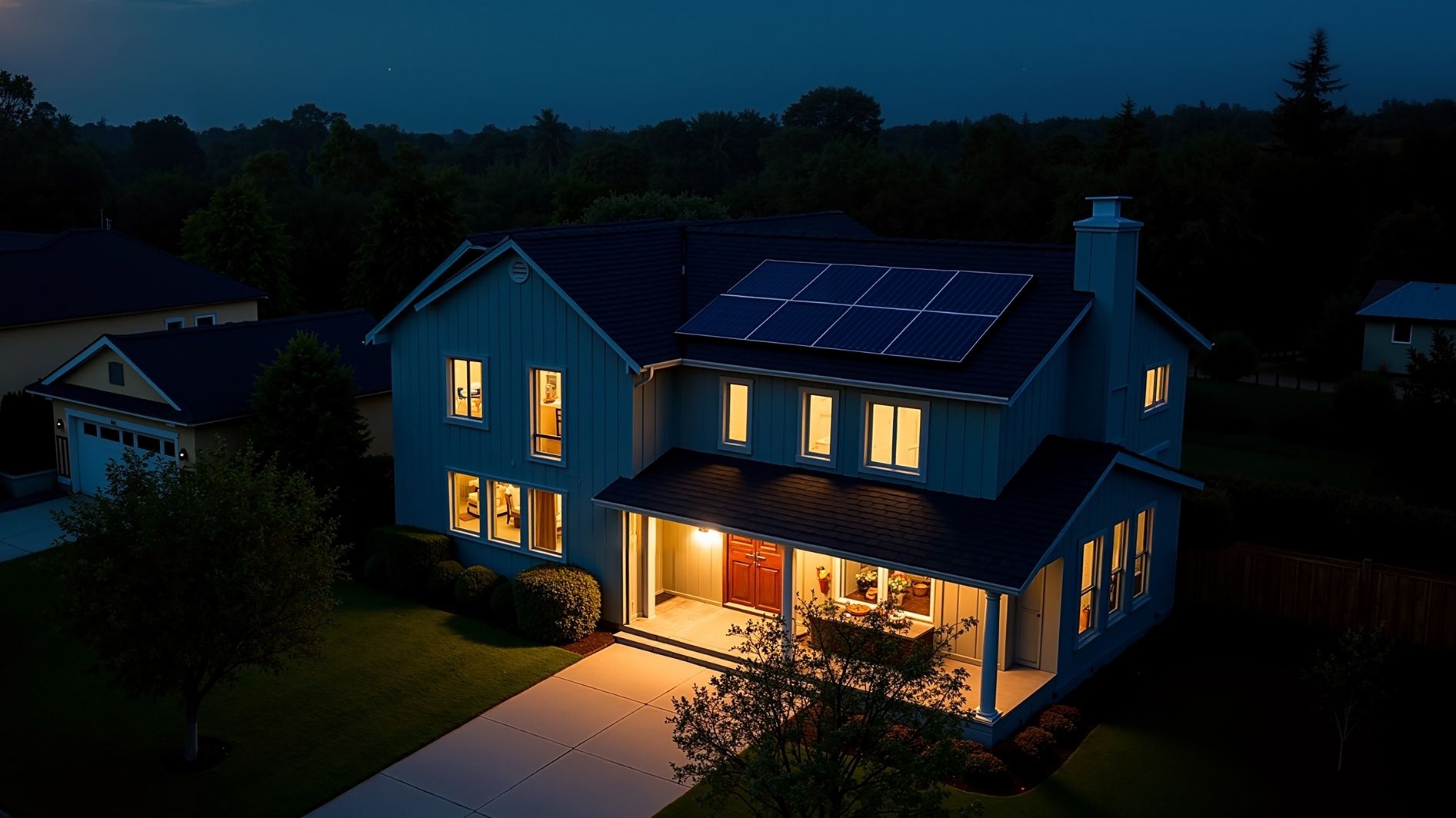
According to NOAA, a tornado is a narrow, violently rotating column of air that extends from a thunderstorm to the ground. Because tornadoes are small compared with the size of a storm system, forecasts usually focus on the chance that weather conditions could support tornado development in a wider area. That is why tornado probability is not a promise that one street, one block, or one home will be struck.
The probability of tornado activity is more useful as a planning signal than as a precise prediction. It tells people when the atmosphere is becoming more favorable for dangerous storms. It does not tell one homeowner that impact is guaranteed.
Risk And Probability Are Not The Same Thing
Probability measures chance. Risk is more personal because it includes what could happen to your home, your routine, and your safety if a severe storm arrives.
A family may never see a tornado cross its yard and still face storm-related damage. Power loss, debris, downed trees, blocked roads, and communication problems often affect many more households than the tornado’s direct path alone. That is one reason a low chance does not always feel low in real life. Severe weather can still carry high consequences.
Why Exact Strike Forecasts Stay Limited
Meteorologists can often identify environments that support tornadoes, especially when strong thunderstorms begin to organize. A supercell thunderstorm, which is a storm with a long-lived rotating updraft, is one of the storm types most closely linked with strong tornadoes. Even so, the exact path of a tornado can shift quickly.
That is why the smartest response to tornado probability is not to wait for perfect certainty. Use the forecast window to review your plan, protect the people in your home, and plan ahead for outages and disruptions.
Why Does Tornado Probability Change By Location?
Storm patterns vary across the nation. The frequency of tornado-friendly conditions is influenced by geography, season, and local weather conditions.
Get Your Free Home Energy Consultation!
Which energy solution are you interested in?

Regional Patterns Change Odds
Some parts of the United States are more likely to experience the mix of warm, moist air, instability, and wind shear that supports severe thunderstorms. Wind shear means wind speed or direction changes with height, and it plays a major role in storm rotation. NOAA and the National Weather Service identify moisture, instability, lift, and strong wind shear as key ingredients for severe thunderstorms.
You may hear people mention Tornado Alley, a common nickname for parts of the central United States where tornado-favorable setups occur often. You may also hear Dixie Alley, a storm-prone part of the Southeast that can face dangerous tornadoes, including storms that strike at night. These labels are useful for broad context, but they do not mean other places are risk-free.
Season Also Plays A Role
Many people associate tornadoes with spring, and that is understandable. Still, tornado probability is not fixed to one short season everywhere. Storm-active periods can shift by region, which means local awareness matters more than a national stereotype.
That is why a homeowner should think beyond a single month on the calendar. The better question is not only, “When is tornado season?” It is also, “When does my area usually see the kind of storms that raise tornado probability?”
Local Conditions Can Still Change The Story
Even in the same state, storms do not behave exactly the same from one county to another. The larger weather system may favor one corridor, while another area only gets heavy rain or damaging wind.
For that reason, tornado probability works best as a layered idea. Regional climate matters. Seasonal timing matters. The immediate storm setup matters too. A forecast becomes more meaningful when you read it as a blend of all three.
Is The Chance Of A Tornado Striking Your Home High?
Most homes will never get a direct tornado hit. That sounds reassuring, but it can also create the wrong mindset. Low-probability events are still worth planning for when the disruption can be serious.
A Low Chance Can Still Bring Big Consequences
Many homeowners hear that tornadoes are relatively rare at the individual property level and stop there. The better way to think about the title question is this: even if the chance of a tornado striking one's home is low, the impact of one bad storm can be life-changing.
That is why tornado probability should not be treated as a reason to relax. It should be treated as a reason to prepare in a practical way, especially if your household depends on electricity for comfort, communication, work, or health-related equipment.
Indirect Storm Effects Often Matter More Day-To-Day
A tornado does not need to pass directly over a home to create serious problems. In many cases, people deal with the wider effects of severe weather rather than the tornado itself.
Common storm-related problems include:
extended power outages
fallen trees and flying debris
blocked roads and delayed emergency access
spoiled food and loss of home cooling
interrupted internet and phone charging
These are the kinds of disruptions that shape real household risk. So when people ask about the probability of tornado activity, they should also ask how prepared they are for everything that can happen around the storm.
What Can Homeowners Do When Tornado Probability Rises?
The best response to tornado probability is action, not panic. Small decisions made before the sky turns dangerous can reduce confusion, speed up sheltering, and make recovery easier.
Build A Shelter And Alert Plan
Every household should know its safest indoor spot before a warning is issued. The National Weather Service, the federal agency that issues U.S. weather alerts, says a tornado watch means tornadoes are possible in and near the watch area, while a tornado warning means a tornado has been sighted or indicated by radar, and people should take protective action at once. It also advises moving to an interior room on the lowest floor of a sturdy building and staying away from windows.
A simple home plan should cover who goes where, how family members reconnect if service drops, and which supplies are easy to grab. For a concise federal checklist, review tornado safety steps from Ready.
Prepare For Storm-Related Power Loss
Shelter is the first priority, but the hours after a storm matter too. Food storage, lighting, device charging, indoor comfort, and basic communication can all become harder during an outage.
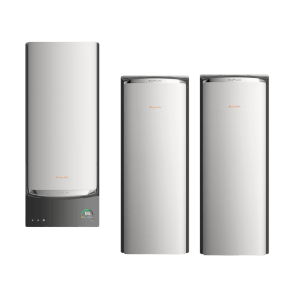
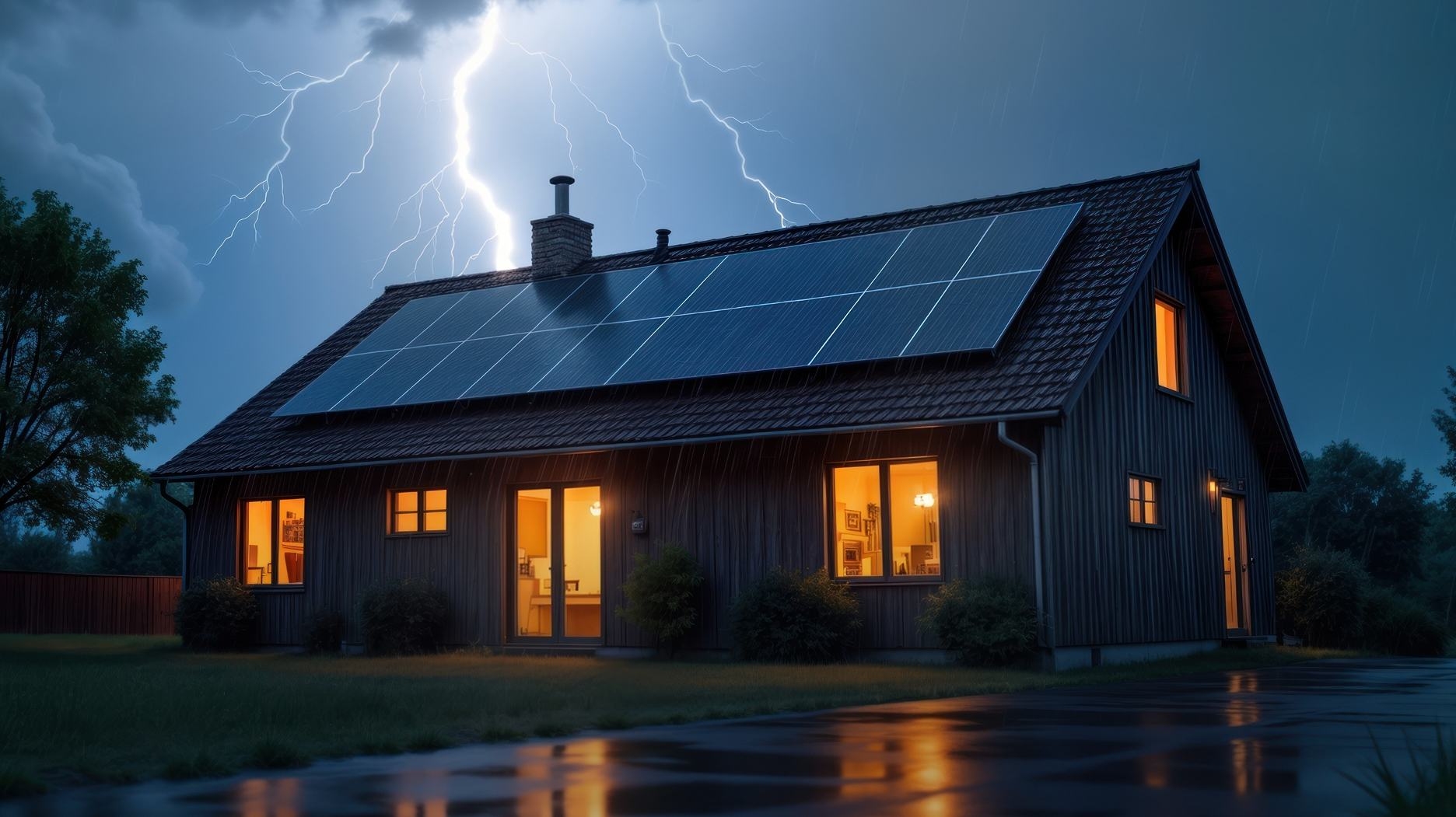
That is where a home battery system fits naturally into the conversation. EcoFlow OCEAN Pro is designed for whole-home backup, scalable battery storage, solar energy use, and app-based energy management across the broader EcoFlow home ecosystem. In a tornado-related outage, that kind of backup can help a household stay functional when grid power is unavailable.
Focus On Readiness, Not Fear
People often waste time chasing exact odds when the more useful move is to improve readiness. Tornado probability helps you decide when to pay closer attention. Your home plan determines how well you respond once the threat becomes real.
That mindset keeps the focus where it belongs. You cannot control storm formation, but you can improve how your household handles warnings, sheltering, and the loss of power afterward.
FAQs
Q1: What Is the Safest Place to Be in a Tornado?
The safest place is a small, interior room on the lowest floor of a sturdy building, and a basement is ideal. If no basement is available, go to an interior bathroom, closet, or hallway away from windows. Mobile homes offer very little protection and should be abandoned for a nearby shelter. Stay low, cover your head, and keep away from exterior walls.
Q2: Is there a 2% chance of a tornado?
When it comes to predicting bad weather, a 2% chance is a big warning that shouldn't be ignored. If you look at this proportion, it means that a tornado could happen anywhere within 25 miles of the marked area. Even though it sounds low, meteorologists use this level to show that the atmosphere is right for development, so keep a close eye on local weather reports.
Q3: Is it safe to be in the basement during a tornado?
The fact that basements are below ground level and out of the way of even the strongest straight-line winds makes them very safe. To keep yourself as safe as possible from dropping floor joists, you should stand under a heavy piece of furniture or a strong workbench. Heavy items on the floor above you should never be sheltered directly under them, because they could fall through if the structure is broken.
Q4: What is the chance of a tornado compared to other natural disasters?
When compared to big events like storms or floods, tornadoes have a much lower chance of hitting a specific house. A storm, on the other hand, gives days' notice, but a tornado can form and hit in just a few minutes, making the risk much higher right away. Because it is localized, there is a much greater need for a rapid reaction plan than for most other disasters, even though the chance is statistically small.
Strengthen Your Home Before The Next Severe Storm
Tornado probability cannot tell you exactly which home a storm will strike, but it can tell you when smarter preparation matters most. Build a better shelter plan, think through outage risks, and make your home more resilient before the next warning arrives. If stronger backup power is part of that plan, Get a Quote and explore whether EcoFlow OCEAN Pro is a good fit for your home.

