
Check Out What You Should Know About Thundersnow
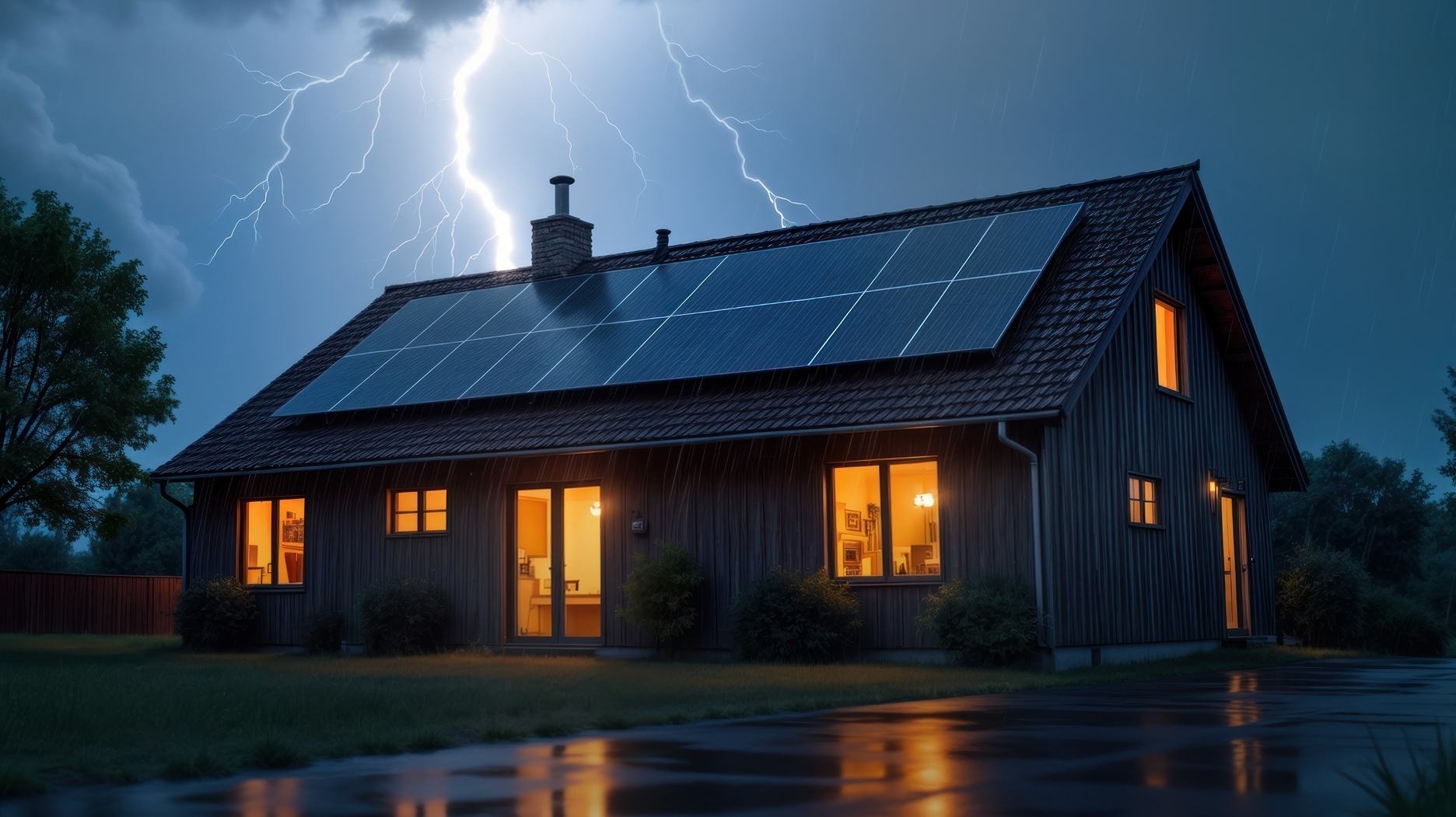
Winter storms bring heavy snowfall, freezing temperatures, and biting winds. Occasionally, they bring something far more unexpected: a brilliant flash of lightning followed by a deep rumble of thunder while snow falls. This phenomenon, known as thundersnow, is one of nature's most unusual weather events. While it looks fascinating, it often signals an incredibly intense winter storm capable of causing severe damage and prolonged power outages. Understanding what is thundersnow, how it forms, and the dangers it presents can help you prepare your home for extreme winter weather.
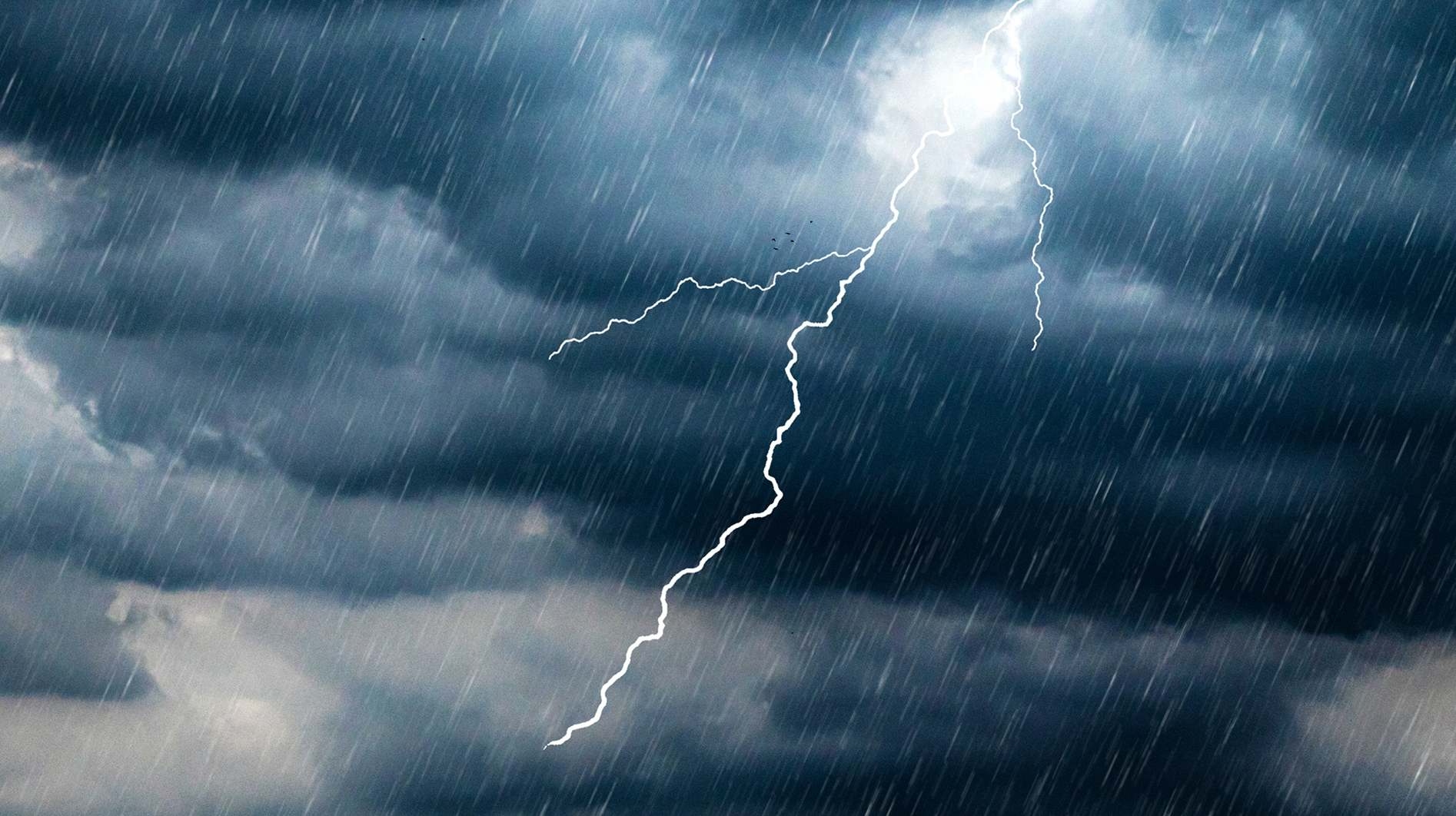
What Is Thundersnow?
To understand what thundersnow is, you must first understand a typical thunderstorm. Regular thunderstorms occur during warmer months when hot, humid air rises rapidly into the colder upper atmosphere. This rapid upward movement (updraft) creates unstable air, leading to the formation of towering cumulonimbus clouds, lightning, and heavy rain.
Thundersnow follows the exact same meteorological principles, but it happens entirely in freezing conditions. Instead of rain falling from the storm clouds, snow falls. It is essentially a standard winter snowstorm that has developed the specific unstable atmospheric conditions necessary to generate lightning and thunder. Because snow acts as a powerful acoustic dampener, the thunder does not echo for miles like it does in the summer. Instead, the sound is muffled, creating a deep, localized rumble that usually can only be heard within a two- to three-mile radius of the lightning strike.
What Causes Thundersnow?
A Layer of Unstable Air
Even in the dead of winter, there must be a relatively warm layer of air positioned close to the ground, situated beneath a much colder layer of air high in the atmosphere. This temperature difference creates instability.
Strong Updrafts
The relatively warmer air near the surface must rise rapidly. In winter, this forceful uplift is usually triggered by a strong cold front slamming into a warmer air mass, or by the intense upward motion found within massive winter cyclones and nor'easters.
Moisture and Ice Collisions
As the air rises rapidly, the moisture within it freezes. Inside the towering storm clouds, millions of ice crystals, snowflakes, and supercooled water droplets crash into each other violently. These high-speed collisions strip electrons from the ice, generating a massive electrical charge. When the electrical charge builds up enough, it discharges as a lightning strike, creating the thunder.
How Rare Is Thundersnow?
Statistically, it is an extremely uncommon meteorological occurrence. According to climatological studies, it occurs in less than one percent of all reported snowstorms. The main reason it is so rare is that the strong atmospheric updrafts required to generate lightning are very difficult to achieve during the winter months. Cold air is dense and heavy; it naturally wants to sink, not rise. Therefore, it takes a particularly violent and dynamic weather system, such as a severe blizzard or an intense lake-effect snowstorm, to force the cold air upward fast enough to create an electrical charge. Some regions, such as the Great Lakes area in the United States and mountainous high-altitude zones, experience it slightly more often due to their unique geographical weather patterns, but it remains a global rarity.
Is Thundersnow Dangerous?
The answer is a definitive yes. The danger does not come from the thunder itself, but from the severe conditions surrounding the storm.
Extreme Snowfall Rates
When you hear thunder during a snowstorm, it indicates extreme atmospheric instability. This means the storm is incredibly intense. During these events, snowfall rates can exceed two to four inches per hour. This rapid accumulation causes immediate "whiteout" conditions, dropping visibility to zero and making travel completely impossible.
Lightning Strikes
While the snow dampens the sound, the lightning is just as real and dangerous as summer lightning. The positive electrical charge in winter lightning strikes is often stronger than typical summer strikes. If you are outside during this event, you are at risk of a lightning strike.
Severe Grid Failures
The combination of rapid, heavy snow accumulation and strong winds frequently snaps tree branches and downs power lines. These specific storms are notorious for causing widespread, long-lasting power outages. Because travel is often paralyzed by the heavy snow, utility crews cannot reach the downed lines quickly, leaving homes without heat or electricity for days in freezing temperatures.
Get Your Free Home Energy Consultation!
Which energy solution are you interested in?


Protecting Your Home During Severe Winter Storms
When a severe winter storm capable of producing lightning hits, losing power is a high probability. Preparing your home with a permanent, robust energy solution ensures your family remains warm and safe when the grid fails.
The EcoFlow OCEAN Pro Solar Battery System is designed specifically to handle extreme weather emergencies. As an all-in-one home energy ecosystem, it provides a reliable whole-home backup solution. Unlike temporary portable units, this fixed system features a powerful Hybrid Inverter that supports up to 24kW of continuous power output. This means that even during a total blackout, it can simultaneously run multiple high-draw appliances, including two 5-ton HVAC systems, keeping your home warm during a blizzard.
When the grid goes down due to heavy snow, the system features a 0-millisecond power switch, ensuring your home remains powered without any interruption. Furthermore, it is built to withstand harsh environments, operating reliably in temperatures ranging from -4°F to 140°F. With flexible capacity expansion from 10kWh to 80kWh and advanced AI safety monitoring, it guarantees long-term security for your entire household.
How to Prepare for Intense Winter Weather
When meteorologists forecast a storm intense enough to potentially produce lightning and heavy snow, you must take immediate preparatory action.
Secure Your Property
Before the storm hits, bring any loose outdoor items, such as patio furniture or lightweight grills, inside. The strong winds associated with these unstable storm systems can turn these items into dangerous projectiles.
Stock Emergency Supplies
Because these storms drop several inches of snow per hour, roads will become impassable quickly. Ensure you have enough non-perishable food, bottled water, and essential medications to last your family for at least three to five days without leaving the house.

Stay Indoors and Away from Windows
If you hear thunder while it is snowing, treat it exactly like a severe summer thunderstorm. Go indoors immediately. The lightning associated with winter storms can strike the ground miles away from the center of the storm. Stay away from windows and avoid using corded electronics until the storm passes completely.
Prepare Your Home for Thundersnow
While seeing thundersnow is a rare and spectacular event, it’s a sign that a major winter storm is occurring. The swift snowfall and high chances for damage to buildings make these storms extremely dangerous. However, by learning what causes thundersnow and how to be prepared for power outages, you can keep your home safe this winter. Don’t wait for the next big snowstorm to get your home’s power prepared. Get a Quote for the EcoFlow OCEAN Pro today.
FAQs
Q1: What does lightning look like during thundersnow?
Because the snow reflects the light differently from rain, the lightning will appear unusual. Instead of having a sharp, jagged look, the lightning will be a sudden, extremely bright white flash that lights up the whole sky and the snow falling from it at the same time.
Q2: What does it mean if it thunders when it snows?
It means the air above you is very unstable, like a summer thunderstorm. It almost always means the storm is strong and that very heavy, fast snowfall (usually 2-4 inches per hour) is happening or about to happen.
Q3: Is thundersnow a blizzard?
Not always, but they often occur together. A blizzard has strong winds of over 35 mph and low visibility for an extended time. Thunder is possible with a blizzard because of the strength of the storm, but it is also possible with heavy snow squalls that are not blizzards.
Q4: What should you do during thundersnow?
The best thing you can do is get inside right away. It is like a summer thunderstorm. The lightning is real and is dangerous. Stay off the roads, as the heavy snowfall will quickly cause a whiteout and make the roads impassable.
Q5: Why does the thunder sound different during a snowstorm?
The snow is a good sound insulator. The many snowflakes falling through the air will act as a sound insulator. The sound of the thunder is not the sharp, echoing sound you would normally hear. The sound is a deep rumble near the lightning strike.

