
Storm Surge Explained: Causes, Risks, and How to Prepare
Severe coastal storms bring a mix of hazards, but the rising ocean water usually does the most damage. High winds and a drop in air pressure push massive amounts of water onto the shore. If you live near the coast, getting a handle on the storm surge definition helps gauge the actual flood risk for your neighborhood.
This incoming saltwater is rough on coastal power grids. Older generators and basic power setups have a hard time when things flood. They tend to quit working the minute local fuel runs dry or water gets too high. Switching to a modern energy reserve fixes a lot of these problems. Let's look at what this surge actually is, why the water rises, and how to protect property. A solid home battery backup keeps the fridge cold and the lights on, even if the neighborhood goes dark for a few days.
Storm surge definition: What is it?
To pin down the definition for storm surge, just look at how the ocean acts during a bad storm. It is basically an abnormal rise of water that climbs way above the regular tides. The National Hurricane Center tracks how strong winds shove this water toward the beach. Also, reading up on understanding home battery backup systems is a practical way to see how keeping your own power fits into a solid readiness plan.
Storm surge vs. storm tide
A surge is just the extra water pushed in by the storm itself. It ignores the normal tide. But if a hurricane rolls in right at high tide, those two combine into a storm tide. That combination easily spills over seawalls and floods neighborhoods that normally stay completely dry.
The scale of the threat
How high the water gets depends on how fast the storm moves, how strong it is, and the shape of the coast. A shallow, sloping beach usually sees much higher water than a coastline with a steep drop-off. Moving water is incredibly heavy, and it carries enough force to knock buildings off their foundations and wash out local roads.
What are the causes of storm surge?
People often ask, what are the causes of storm surge? It is not just one thing. It is actually a mix of weather and physical forces coming together.
Wind-driven forces
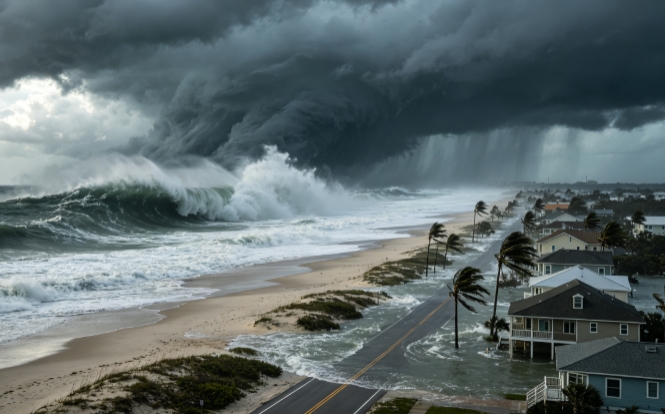
Wind does most of the heavy lifting. As a hurricane spins toward land, those intense winds scrape against the ocean surface. That friction literally plows the water forward, piling it up against the coast. The harder the wind blows, the more water piles up. In flat areas, that water can travel miles inland.
Atmospheric pressure drop
A drop in air pressure also nudges the water higher. Inside the eye of a hurricane, the air pressure is a lot lower than the air outside of it. This creates a mild vacuum effect, pulling the ocean surface up near the center of the storm. It definitely adds to the flood level, but the wind is still the main culprit.
Earth's rotation
The rotation of the Earth also steers the ocean. A physical trait called the Coriolis effect bends moving water to the right in the Northern Hemisphere. So, as the storm hits land, this rotation shoves the water even harder against the coastline. That is why neighborhoods sitting to the right of a hurricane's path usually see the worst flooding.
Storm surge threats to coastal power infrastructure
When exploring "What is a storm surge?" in terms of how it hurts a community, the local power grid is a major weak spot. Saltwater is highly corrosive, and it eats away at electrical gear long after the floodwaters drain away.
The vulnerability of traditional energy systems
Substation flooding
Power substations are often built in low-lying coastal areas. When saltwater floods these buildings, it ruins sensitive equipment and causes huge blackouts. Detailed reports on infrastructure and energy grid data show exactly how these flooded substations shut down whole regions. Normal utility repairs can take weeks because workers usually have to rip out and replace entire transformers.
Limitations of standard backups
Counting on older standby power is tough during these long outages. A lot of traditional generators need dry ground and regular maintenance to run safely. Looking into a whole home backup power solution gives a homeowner a way around those limits. Modern setups run quietly and do not create exhaust, so they are safe to use indoors.
Generator failure risks
Traditional gas-powered generators need a constant supply of fuel to keep working. When local roads flood, delivery trucks cannot get through to restock neighborhood gas stations. Plus, running a mechanical generator non-stop for days causes heavy wear and tear. This constant strain raises the chances of a breakdown right when households need power for cooling and communication.
Securing resilience with modern home battery systems
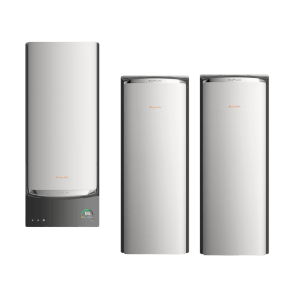
When the local infrastructure floods, utility crews might leave neighborhoods in the dark for 72 hours or more. Tying in a multi-source setup like the EcoFlow OCEAN Pro Solar Battery System bridges that gap. By pairing high-capacity storage with simultaneous solar and generator inputs, it keeps heavy loads running during a long storm without making anyone manually switch devices.

The equipment features a scalable backup capacity that expands from 10kWh up to 80kWh. This range makes sure households have enough energy reserves to wait out a multi-day blackout. On top of that, it delivers up to 24kW of continuous output. This kind of power easily handles big household appliances to keep things comfortable. Running a 5-ton HVAC system after a hurricane helps stop indoor heat buildup and prevents moisture damage.
Multi-source integration gives a property another layer of security. The system smoothly accepts power from the grid, rooftop solar arrays with up to 40kW of input, and standby generators to keep the battery charged. This grid-tied architecture means that even if the neighborhood substations are totally submerged, the house holds onto a steady power source. A built-in Intelligent Mode automatically directs power to essential circuits, extending the runtime efficiently.
Get Your Free Home Energy Consultation!
Which energy solution are you interested in?

Are you ready to resolve uncertainty about home outages during storm season? We can help protect your property. Request a consultation today to find the perfect energy solution for your house.
Essential preparation strategies for coastal residents
Living near the water means dealing with severe weather. Getting ready before the storm hits is the best way to protect a house and keep everyone safe.
Evacuation planning: When the water starts rising, leaving the area is the safest bet. It helps to read through the government's hurricane preparedness guides well before the season kicks off. Mapping out an escape route early cuts down on confusion if officials issue mandatory evacuation orders.
Stay informed through NWS and local emergency alerts: Cities send out warnings when flooding is a real threat. Keeping an eye on the National Weather Service gives residents the time they need to act. Setting up a NOAA Weather Radio or signing up for local text alerts is a smart move, especially since cell towers often lose power.
Emergency supply kits: Sometimes, the roads flood before a neighborhood can safely evacuate. A good supply kit keeps a household going if everyone gets stuck inside. Pack non-perishable food, set aside a gallon of drinking water per person for each day, and gather first aid supplies. Keep everything in waterproof bins just in case.
Conclusion
Ocean water pushing onto land, known as a storm surge, creates major problems for coastal towns. It ruins buildings and knocks out the power for days. Knowing why this happens gives communities a head start on getting ready. When saltwater wrecks the grid, line workers often need weeks to fix the damage. Securing the house, planning an exit route, and setting up a modern energy reserve makes a huge difference. These steps help families get through the worst weather and stay comfortable while the neighborhood rebuilds.
FAQs
What is meant by a storm surge?
It is an abnormal rise of ocean water pushed toward the shore by strong winds and pressure changes from a bad storm. This water reaches well above normal tide levels, pushing seawater inland and causing local flooding.
What are the main causes of storm surge?
The main causes are strong, steady winds pushing ocean water toward the coast. A drop in air pressure and the Earth's rotation also pitch in. These physical forces team up to pile water onto the land.
How long does a storm surge usually last?
A typical surge lasts from a few hours to a full day, depending on how fast the storm is moving. During the aftermath, a grid-tied system like the EcoFlow OCEAN Pro can supply household power until the community infrastructure stabilizes.

